Commentaire de la musique | Œuvres de Pat Metheny Group

Profil

Le Pat Metheny Group est un groupe de jazz fusion fondé en 1977 par le guitariste Pat Metheny et le claviériste Lyle Mays. Les autres membres principaux étaient le bassiste Steve Rodny, le batteur Paul Wertico et le chanteur et multi-instrumentiste argentin Pedro Aznar. Le groupe est devenu célèbre grâce aux premiers albums “American Garage” et “Offramp”, et a donné de nombreux concerts avec énergie. Du milieu des années 80 aux années 90, le groupe a connu un plus grand succès avec “First Circle”, “Still Life” et a atteint l’apogée du groupe, qui a effectué de nombreuses tournées mondiales. En 2010, le groupe a organisé le “Songbook Tour”, qui présentait le répertoire rétrospectif, et a cessé ses activités.

La caractéristique du Pat Metheny Group, contrairement aux œuvres de Pat Metheny en solo, était le goût d’une fusion typiquement américaine ou californienne des années 80 ou 90 avec des éléments de New Age et de musique latine. Mais les compositions, les pièces, les arrangements et les ambiances des œuvres étaient plus sophistiqués, plus élégants et plus purs que ceux des autres musiciens de fusion habituels. Une autre caractéristique du groupe était la combinaison de deux grands génies, Pat Metheny et Lyle Mays. Ce sont des musiciens de jazz de premier ordre, capables d’improviser. La guitare de Pat est une succession orthodoxe de l’histoire de la guitare de jazz. Son jeu est naturel et merveilleux, il n’a pas le ton fumeux et bleu du jazz, mais l’humeur de sa composition est la même. L’emblématique synthétiseur Roland JX-10 de Mays, avec son timbre lyrique de flûte ou de flûte de pan et ses phrases mystiques, était un élément important du groupe. L’accompagnement et le solo de piano de Mays n’étaient pas fumeux et bleus, mais plutôt élégants, lumineux et doux, ce qui a contribué à la sonorité de l’ensemble du groupe. Ses jeux de synthétiseur dans les interludes de nombreuses œuvres ont donné lieu à des développements musicaux impressionnants et grandioses. La synchronisation de ces deux génies avec les autres membres du groupe est l’un des plus grands héritages de l’histoire de la musique fusion.

Pat Metheny Group (ECM, 1978)

Pat Metheny Group est le premier album de Pat Metheny Group, composé de Pat Metheny (guitare), Lyle Mays (piano, synthétiseur), Mark Egan (basse fretless) et Danny Gottlieb (batterie).

“San Lorenzo” est une chanson de fusion rafraîchissante et lumineuse qui associe une brise marine et une ville portuaire. Le jeu de piano de Mays est beau et élégant. La basse sans frettes de Mark Egan est impressionnante et sonne d’une manière unique.

“Phase Dance” est un morceau de fusion en tonalité mineure, rafraîchissant et sentimental. La combinaison du solo de Pat et des réactions de la batterie est très bonne.

“Jaco” est la chanson de l’allié de Pat, Jaco Pastorius. Une chanson merveilleuse et groovy avec un arrangement et des jeux habiles.

“Aprilwind” est une courte chanson mystique avec des guitares doublées par Pat.

“April Joy” est une belle chanson sentimentale avec d’excellents arrangements et interprétations. Cette chanson est composée de trois parties. La première partie est une partie dynamique avec le solo de Pat. La deuxième partie est une partie silencieuse non rythmée avec le solo de synthétiseur de Mays. La troisième partie est calme avec des jeux passionnés et doux et la combinaison du groupe.

“Lone Jack” est une chanson de fusion rafraîchissante à tempo élevé, comme une session. Le solo de Pat est fin, dur et cool. Le piano de Mays est dynamique et élégant. La synchronisation du groupe est excellente.

Un bon album de fusion.

American Garage (ECM, 1979)

“American Garage” est le deuxième album du Pat Metheny Group sorti en 1979. Les membres sont les mêmes que sur le premier album.

Le premier morceau, “Heartland”, est une fusion au goût des années 80, américain et californien, avec le thème principal et les phrases brillantes de Mays au synthétiseur.

“Airstream” est une chanson sentimentale et lumineuse au goût Country.

“The Search” commence par l’arpège de la guitare 12 cordes de Pat et les phrases lyriques emblématiques de Mays, comme des phrases de flûte. Mays joue ensuite une élégante improvisation au piano, suivie d’un solo de guitare électrique de Pat. Une merveilleuse chanson de fusion à tempo moyen.

“American Garage” est une fusion énergique, amusante et lumineuse au goût Rock et Country.

Le dernier morceau, “The Epic”, dure 13 minutes et est une chanson de fusion sophistiquée et douce avec un arrangement complexe et agressif. La combinaison du groupe est parfaite. Le solo de piano de Mays est impressionnant et superbe !

Sur cet album, le Pat Metheny Group réussit à imposer son style et son goût sophistiqués et originaux, et l’arrangement a des développements dynamiques.

Offramp (ECM, 1981)

“Offramp est le troisième album et l’un des chefs-d’œuvre du Pat Metheny Group. Le bassiste Mark Egan est remplacé par Steve Rodby, et le percussionniste brésilien Naná Vasconcelos y participe.

“Barcarole” est une chanson rafraîchissante et mystique. Elle commence par des séquences de grosse caisse, de caisse claire et de charleston exécutées par une machine à rythmes, avec des percussions de Vasconcelos et des accords de pad soyeux joués par Lyle Mays. Suit un solo de guitare et de synthétiseur par Pat. Jusqu’à la fin, la musique est progressivement dynamique.

“Eighteen” est un morceau des années 80 au goût californien, rafraîchissant et doux. Fusion met en avant les sonorités emblématiques de la flûte et du piano électrique de Mays.

“Offramp” est une chanson abstraite et ethnique qui ressemble à une session. Pat joue librement de la guitare et du synthétiseur. Les sons et les jeux de percussions sont uniques.

“James” est la représentante et la plus grande chanson du groupe de Pat Metheny, et elle rend hommage à un chanteur et compositeur Folk et Pop, James Taylor. C’est une chanson de fusion très rafraîchissante, douce et sucrée avec un thème impressionnant. Les jeux de guitare électrique de Pat et de piano de Mays sont parfaits, l’arrangement et ses développements sont sophistiqués et excellents.

“The Bat Part II” est une chanson calme qui s’apparente à de la musique Ambient ou New Age, avec des accords de pad et un lead de Mays.

Sur cet album, le Pat Metheny Group a mis en avant ses caractéristiques et sa technique d’arrangement, ainsi que diverses compositions. Pat et Mays ont affiné leurs tonalités et leurs jeux d’icônes.

First Circle (ECM, 1984)

“First Circle” est le quatrième album du Pat Metheny Group sorti en 1984. Le batteur a remplacé Paul Wertico, et le multi-instrumentiste Pedro Aznar a participé au chant, aux percussions et à la guitare.

“Forward March” est une chanson de marche entraînante et amusante jouée par une fanfare.

“Yolanda, You Learn” est une chanson de fusion des années 80 au tempo élevé, comme une session.

Le titre “First Circle” est une chanson de fusion douce et sucrée qui a un goût New Age et ethnique. Pat joue de la guitare acoustique. Wertico joue finement et en douceur. La caractéristique de cette chanson est le chant de Pedro Aznar et l’emblématique synthétiseur lyrique Roland JX-10 de Mays. Et les développements de la chanson sont doux et dynamiques. C’est l’une des meilleures chansons et performances du Pat Metheny Group.

“If I Could” est une chanson lente et calme qui met en valeur le solo de guitare acoustique de Pat.

“Tell It All” est une fusion au goût latin qui met en valeur le solo de guitare électrique fin et dynamique de Pat et les percussions ethniques.

“End of the Game” est une chanson mystique et funky qui associe une zone urbaine, ses rues et ses paysages. Les développements par changements de tonalité et le jeu d’accords au pad de Mays sont excellents.

“Más Allá (Beyond)” est une ballade vocale lente qui met en valeur la voix de Pedro Aznar.

“Praise” est une chanson de fusion lumineuse et positive avec un rythme et un goût de rock américain. Elle met en valeur le lyrisme du JX-10 de Mays et la voix fredonnée d’Aznar.

En particulier, “First Circle”, “End of the Game” et “Praise” ont la composition, l’arrangement, le son et le goût caractéristiques du Pat Metheny Group. Un album de fusion très sophistiqué et excellent et l’un des plus grands albums du groupe Pat Metheny, est égal à “Offramp”.

Still Life (Talking) (Geffen, 1987)

“Still Life (Talking)” est le cinquième album du Pat Metheny Group. Les membres principaux Pat Metheny et la section rythmique sont les mêmes que pour “First Circle”. Les chanteurs Mark Ledford et David Blamires, et le percussionniste Armando Marçal y participent.

“Minuano (Six Eight)” est une fusion latine douce et fraîche avec un arrangement fin et complexe.

“So May It Secretly Begin” est également une fusion douce et fraîche qui met en valeur le solo impressionnant de Pat et les percussions latines.

“Last Train Home” est une chanson Country au tempo élevé et au goût mystique, d’un style unique. Elle commence par de belles séquences de batterie et le merveilleux solo de guitare de Pat. Ensuite, la voix et le solo de pad de Mays initient un sifflement de locomotive. L’une des chansons représentatives et impressionnantes du Pat Metheny Group est très douce, merveilleuse et sophistiquée.

“(It’s Just) Talk” est une Fusion au goût latin avec un bon ensemble et une alchimie du groupe.

“Third Wind” est une chanson au tempo très élevé avec des percussions latines. Le jeu des percussions est très minutieux et dur. Le solo de Pat, qui change rapidement, et le solo mystique de Mays sont tout à fait à la hauteur. L’arrangement et le développement de cette chanson sont complexes et excellents.

“Distance” est une chanson New Age tendre et sentimentale, comme l’Ambient, qui se compose presque uniquement des emblématiques tone pad(s) de Mays.

“In Her Family” est une chanson New Age calme et douce qui met en valeur le jeu de piano de Mays.

Les pièces, les compositions et les arrangements de cet album sont devenus plus sophistiqués et complexes, et le style et les caractéristiques du Pat Metheny Group ont été définitivement établis.

Letter from Home (Geffen, 1989)

“Have You Heard” est un morceau de Fusion rafraîchissant et sentimental,

“Every Summer Night” est une chanson de fusion sophistiquée au goût latin, avec le synthétiseur de Lyle Mays.

“Spring Ain’t Here” est un morceau de fusion au tempo moyen, fin et neutre.

“45/8” est une chanson courte et amusante de style New Age, avec des instruments ethniques.

“5-6-7” est une fusion unique de goût latin, avec des sifflets et un thème et des phrases impressionnants. L’arrangement et le développement de cette chanson sont excellents et magnifiques.

“Best 70” est une fusion latine amusante et lumineuse.

“Dream of the Return” est une ballade lente des années 90 au goût latin, avec une voix fredonnante.

“Are We There Yet” est une chanson typique et raffinée du groupe de Pat Metheny, avec le jeu de synthétiseur de la guitare de Pat et le beau jeu de pad et d’accords de Mays.

“Vidala” est une chanson mystique et ethnique qui met l’accent sur les percussions et l’accompagnement au pad de Mays.

“Slip Away” est une grande chanson et l’un des fruits du groupe de Pat Metheny. Cette chanson contient plusieurs éléments du groupe Pat Metheny. Les goûts californiens et latins, le merveilleux jeu de guitare PM205 de Pat, l’élégant accompagnement au piano de Mays, la voix fredonnée d’humeur latine, l’excellent développement de l’interlude et la bonne synchronisation des combinaisons du groupe.

“Letter from Home” est une chanson lente et douce, composée de la guitare acoustique de Pat, d’un piano élégant, de pad(s) de Mays et du vibraphone de Pedro Azur.

C’est un album très sophistiqué, fin et parfait et c’est l’apogée et la forme achevée du Pat Metheny Group. Il n’y a plus rien à dire.

We Live Here (Geffen, 1995)

La première, “Here to Stay”, est la chanson phare de cet album et de la tournée mondiale. Une chanson Fusion au tempo moyen avec des séquences de batterie et un refrain à saveur latine sont impressionnants. Le solo de Pat est le meilleur de sa carrière.

“The Girl Next Door” est un rare morceau de fusion soulful et groovy du Pat Metheny Group, avec un goût d’Acid Jazz.

“To the End of the World” est un morceau de fusion sentimental et doux. La combinaison du solo de guitare de Pat et de l’accompagnement au pad de Mays est élégante et très bonne.

“We Live Here” est une chanson New Age au tempo élevé et au goût rafraîchissant, avec des percussions et des séquences de batterie audacieuses. Pat joue de la guitare et du synthétiseur avec émotion. Mays joue un magnifique accompagnement au pad.

“Episode d’Azur” est une fusion vigoureuse et cool au goût Funk, avec un thème et des développements impressionnants et un arrangement qui varie de façon complexe.

“Red Sky” est une chanson de fusion cool et douce à mi-tempo. La guitare de Pat est fine et agressive, l’accompagnement au pad de Mays est beau et impressionnant. Dans la dernière partie, Pat joue à peine de la guitare et du synthétiseur.

“Stranger in Town” est une chanson de fusion au tempo élevé, avec le thème impressionnant et agressif de Pat et des solos techniques et polyvalents comme ceux de Wes Montgomery. L’interlude est un aspect très agréable de cette chanson. Les changements de tonalité et l’emblématique JX-10 de Mays sont très beaux. Cette chanson est idéale pour une performance live, et est devenue l’un des principaux répertoires du groupe et des concerts solo de Pat Metheny depuis la sortie de l’album.

L’album “We Live Here” n’a pas de goûts américains et californiens, et contient des éléments de Jazz Funk et d’Acid Jazz. Cet album pourrait être une réaction aux scènes Acid Jazz et M-Base et à la scène musicale des années 90. La pièce maîtresse du groupe Pat Metheny dans les années 90.

Ressources et liens

Wikipedia (EN)

Discogs

Rate Your Music (Pat Metheny)

AllMusic

All About Jazz

IMDb

Jazzwise

Liste de toutes les revues musicales
(Français, English, Español, Italiano, Deutsch)
Post-classical, New Age, Ambient, Minimal Music, Electronica

Commentaire de la musique
Pat Metheny albums solo et collaboration
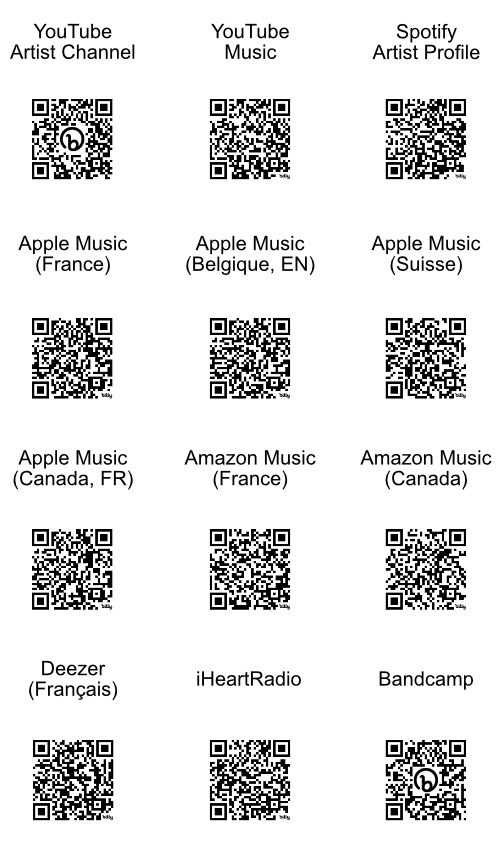
Jean-Michel Serres Apfel Café Apfelsaft Cinema Music QR Codes Centre Français 2024.

Music Review | Works of Pat Metheny Group

Profile

The Pat Metheny Group was a Jazz Fusion band founded in 1977 by guitarist Pat Metheny and keyboardist Lyle Mays. Other principal members were bassist Steve Rodny, drummer Paul Wertico and Argentine vocalist and multi-instrumentalist Pedro Aznar. The group became famous by early albums “American Garage” and “Offramp”, and it held many concerts energetically. During from the mid-80’s to the 90’s the group made greater success by “First Circle”, “Still Life” and reached the peak of the group, and held world tours many time. In 2010, the group held “Songbook Tour” featured the retrospective repertory, and the group stopped activity.

The characteristic of Pat Metheny Group, contrast to Pat Metheny solo works, was the taste of a typical American or Californian and 80’s or 90’s Fusion with New Age and Latin music elements. But the compositions, the plays, the arrangements and the moods of the works were more sophisticated, elegant and pure than other usual Fusion musicians. Another characteristics of the group was the combination of two great geniuses Pat Metheny and Lyle Mays. They are first-rate Jazz musicians can play improvisation. And Pat’s guitar is an orthodox succession to the Jazz guitar history also his plays is natural and wonderful has no smoky and blue tone of Jazz, the mood of his composition is the same. Mays’ iconic Roland JX-10 synthesizer lyrical lead like flute or pan flute tone and its mystical phrases was an important element of the group. And Mays’ piano backing and solo was not smoky and blue, also it was elegant, bright and gentle, curried entire sound of the group. And his sythesizer pad(s) plays in interludes on many works made impressive and grandiose musical developments. Also synchronicity of two geniuses and other members were a greatest legacy of the history of Fusion music.

Pat Metheny Group (ECM, 1978)

“Pat Metheny Group” is the debut album of Pat Metheny Group, is consist of Pat Metheny (guitar), Lyle Mays (piano, synthesizer), Mark Egan (fretless bass) and Danny Gottlieb (drums).

“San Lorenzo” is a refreshing and bright Fusion song associates a see breeze and a port town. Mays’ piano play is beautiful and elegant. Fretless bass of Mark Egan is impressive and rings a unique tone.

“Phase Dance” is minor key refreshing also sentimental Fusion. The combination of Pat’s solo and reactions drum’s is very good.

“Jaco” is the song for Pat’s ally, Jaco Pastorius. A wonderful and groovy song with skilful arrangement and plays.

“Aprilwind” is a short mystic song of guitars dubbing by Pat.

“April Joy” is a beautiful and sentimental song with excellent arrangement and performances. This song is composed of three parts. The first part is a dynamic part features Pat’s solo. The second part is a non-rhythm silent par features Mays’ synthesizer pad solo. The third part is calm with passionate also gentle plays and combination of the band.

“Lone Jack” is a high tempo refreshing Fusion song like a session. Pat’s solo play is fine, hard also cool. Mays’ piano is dynamic and elegant. The synchronisation of the band is excellent.

A good Fusion album.

American Garage (ECM, 1979)

“American Garage” is the second album of the Pat Metheny Group released in 1979. The members are same as the debut album.

The first track, “Heartland” is 80’s, American and Californian taste Fusion features the brilliant synthesizer lead theme and phrases by Mays.

“Airstream” is a Country taste sentimental also bright song.

“The Search” begins with Pat’s 12 strings guitar arpeggio and Mays’ iconic lyrical lead like flute phrases. Then Mays plays elegant piano improvisation, and Pat’s overdrive electric guitar solo follows. A wonderful and fine middle tempo Fusion song.

“American Garage” is energetic, funny and bright Rock and Country taste Fusion.

The last track, “The Epic” is a 13 minutes length, sophisticated and smooth Fusion song with complex and aggressive arrangement. The combination of the band is perfect. The piano solo by Mays is impressive and super!

On this album the Pat Metheny Group succeed to make and establish their sophisticated and original style and taste, and arrangement has dynamic developments.

Offramp (ECM, 1981)

“Offramp” is the third album and one of the masterpieces of the Pat Metheny Group. Bassist Mark Egan was replaced by Steve Rodby, and Brazilian percussionist Naná Vasconcelos took part in.

“Barcarole” is a refreshing and mystic song. It begins with bass drum, snare drum and hi-hat sequences by rhythm machine with percussions by Vasconcelos and silky pad chord play by Lyle Mays. Then guitar synthesizer solo by Pat follows. To the end, plays gradually dynamic.

“Eighteen” is 80’s and Californian taste refreshing and sweet Fusion features the iconic tone like flute and electric piano by Mays.

“Offramp” is and abstract and ethnic taste song like a session. Pat plays guitar synthesizer freely. And percussions tones and plays are unique.

“James” is the representative and the greatest song of the Pat Metheny Group, and it tributes to a Folk and Pop singer and composer, James Taylor. Very refreshing, smooth and sweet Fusion song with impressive theme. Plays of electric guitar by Pat and piano by Mays are perfect, The arrangement and its developments are sophisticated and excellent.

“The Bat Part II” is a calm song like Ambient or New Age music features pad chord and lead by Mays.

On this album, the Pat Metheny Group promoted their characteristics and technique of arrangement, also various composition writings. And Pat and Mays refined their icon tones and plays.

First Circle (ECM, 1984)

“First Circle” is the fourth album of the Pat Metheny Group released in 1984. The drummer replaced Paul Wertico, and multi-instrumentalist Pedro Aznar participated as vocal, percussions and guitar.

“Forward March” is an occur and amusing march song is played by a brass band.

“Yolanda, You Learn” is 80’s high-tempo Fusion song like a session.

The title track, “First Circle” is a gentle and sweet Fusion song has New Age and Ethnic taste. Pat plays acoustic guitar backing. Wertico plays fine and smooth play. The feature of this song is vocal by Pedro Aznar and Mays’ iconic Roland JX-10 lyrical synth lead and pad. And the developments of the song is smooth also dynamic. This is one of the best song and performance of the Pat Metheny Group.

“If I Could” is a slow and calm song features Pat’s acoustic guitar solo.

“Tell It All” is Latin taste Fusion features Pat’s fine and dynamic electric guitar solo and ethnic percussions.

“End of the Game” is mystic and funky taste Fusion associates an urban area and its streets and sceneries. The developments by key changes and Mays’ pad chord play is excellent.

“Más Allá (Beyond)” is a slow vocal ballad song features the vocal of Pedro Aznar.

“Praise” is a bright and positive Fusion song with American Rock rhythm and taste. It features Mays’ lyrical JX-10 lead and Aznar’s humming voice.

Especially “First Circle”, “End of the Game” and “Praise” has the characteristic composition, arrangement, sound and taste of the Pat Metheny Group. A very sophisticated and excellent Fusion album and one of greatest albums of the Pat Metheny Group, is equal to “Offramp”.

Still Life (Talking) (Geffen, 1987)

“Still Life (Talking)” is the fifth album of the Pat Metheny Group. The principal members Pat Metheny and the rhythm section is the same as “First Circle”. Vocalists Mark Ledford and David Blamires, and percussionist Armando Marçal participated.

“Minuano (Six Eight)” is Latin taste smooth and cool Fusion with a fine and complex arrangement.

“So May It Secretly Begin” is also a smooth and cool Fusion features Pat’s impressive solo and Latin percussions.

“Last Train Home” is a high tempo Country also mystic taste unique style song. It begins with fine drum sequences and Pat’s wonderful guitar solo. Then vocal and Mays’ pad solo initiates a whistle of locomotive follow. One of representative and impressive song of the Pat Metheny Group is very sweet, marvellous and sophisticated.

“(It’s Just) Talk” is Latin taste Fusion with a good ensemble and a chemistry of the band.

“Third Wind” is a very high tempo song features Latin percussions. The percussions play is very minute and hard. Pat’s fast-changing solo and Mays’ mystic solo, you can fully sufficiently them. The arrangement and developments of this song is complex and excellent.

“Distance” is a tender also sentimental New Age song like Ambient is consist of almost only Mays’ iconic tone pad(s).

“In Her Family” is a New Age taste calm and gentle song features Mays’ piano play.

The plays, compositions and arrangements on this album became more sophisticated and complex, and the style and characteristics of the Pat Metheny Group completed and was established finally.

Letter from Home (Geffen, 1989)

“Have You Heard” is a refreshing also sentimental fine Fusion,

“Every Summer Night” is a Latin taste sophisticated Fusion song features a bright tone synthesizer lead of Lyle Mays.

“Spring Ain’t Here” is a middle tempo fine, finished and neutral Fusion.

“45/8” is a short occur and amusing New Age taste song features ethnic instruments.

“5-6-7” is a Latin taste unique Fusion features whistle and is impressive theme and phrases. And the arrangement and its developments of this song is excellent and beautiful.

“Best 70” is amusing and bright Latin taste Fusion.

“Dream of the Return” is a slow 90’s and Latin taste Ballad song with humming vocal.

“Are We There Yet” is a typical and fine song of the Pat Metheny Group features Pat’s hard guitar synthesizer play and Mays’ beautiful pad lead and chord plays.

“Vidala” is a mystic and ethnic vocal song emphasises percussions and Mays’ pad chord accompaniment.

“Slip Away” is a great song and one of fruits of the Pat Metheny Group. This song has various elements of the Pat Metheny Group. The Californian and Latin tastes, Pat’s wonderful PM205 guitar play, Mays elegant piano backing, Latin mood humming voice, excellent development in the interlude and good combination synchronization of the band.

“Letter from Home” is a slow and sweet song is consist of acoustic guitar by Pat, elegant piano, pad(s) by Mays and vibraphone by Pedro Azur.

It’s very sophisticated, fine and perfect album and there’s the peak and the completed shape of the Pat Metheny Group. Nothing to say anymore.

We Live Here (Geffen, 1995)

The first, “Here to Stay” is the featured song of this album and the world tour. A middle tempo Fusion song with drum sequences and Latin taste chorus are impressive. Pat’s solo is the excellent one in his recording career.

“The Girl Next Door” is a rare soulful and groovy Fusion track of the Pat Metheny Group, has an Acid Jazz taste.

“To the End of the World” is sentimental and smooth Fusion. The combination of Pat’s guitar solo and Mays’ pad accompaniment is elegant and very good.

“We Live Here” is a high tempo refreshing New Age taste song features bold percussion and drum sequences. Pat plays guitar synthesizer emotionally. Mays plays beautiful pad accompaniment.

“Episode d’Azur” is vigorous also cool Fusion has a Funk taste, with impressive theme and developments and the arrangement which varies complexly.

“Red Sky” is a mid-tempo cool and smooth Fusion song. Pat’s guitar is fine and aggressive, Mays’ pad accompaniment is beautiful and impressive. The later part, Pat plays guitar synthesizer hardly.

“Stranger in Town” is a high tempo Fusion song features Pat’s impressive and aggressive theme and solos are technical and versatile like Wes Montgomery. And the interlude is very nice thing of this song. The key changes and Mays’ iconic JX-10 lead and pad is very beautiful. This song is good for a live performance, became one of principal repertory of the group and Pat Metheny solo concerts since the release.

The album “We Live Here” has no American and Californian tastes, and has elements of Jazz Funk and Acid Jazz. This album might be a reaction to Acid Jazz and M-Base scenes and the 90’s music scene. The master piece of the Pat Metheny Group in the 90’s.

Resources and Links

Wikipedia (EN)

Discogs

Rate Your Music (Pat Metheny)

AllMusic

All About Jazz

IMDb

Jazzwise

List of All Music Reviews
Post-classical, New Age, Ambient, Minimal Music, Electronica
(English, Deutsch, Français, Español, Italiano)

Music Review
Pat Metheny Solo and Collaboration Works

Music Review
Lyle Mays Solo Works

Jean-Michel Serres Apfel Café Music QR Codes Center English 2024.

Louis Köhler: Kinder-Album fur den Klavierunterricht, Op. 210, Apfel Café Music ACM055

Angaben & Bemerkungen – Deutsch

Louis Köhler (1820–1886) war ein deutscher Komponist, Pianist und Musikpädagoge, der sich insbesondere durch seine pädagogischen Werke einen Namen gemacht hat. Sein “Kinder-Album für den Klavierunterricht, Op. 210” ist eine Sammlung von Klavierstücken, die speziell für Kinder und Anfänger konzipiert wurde. Es gehört zu Köhlers bedeutenden Beiträgen zum Klavierunterricht und wird bis heute geschätzt.

Überblick über das Werk:

Titel: Das “Kinder-Album” richtet sich an junge Klavierschüler und enthält Stücke, die für den Einstieg in das Klavierspiel geeignet sind. Es zielt darauf ab, technisches Können und Musikalität gleichermaßen zu fördern.
Zielgruppe: Anfänger und fortgeschrittene Anfänger, in den ersten Jahren ihres Klavierunterrichts.
Umfang: Die Sammlung besteht aus einer Reihe von kurzen, abwechslungsreichen Stücken, die in ihrer Schwierigkeit progressiv aufgebaut sind.

Musikalische Merkmale:

Eingängige Melodien: Die Stücke sind melodisch und oft leicht zu merken, was sie für Kinder motivierend und angenehm zu spielen macht.
Klarheit der Struktur: Die Stücke folgen einfachen Formen wie ABA oder AB, um Schülern grundlegende musikalische Formen nahezubringen.

Technischer Fokus:

Entwicklung der Handunabhängigkeit.
Einführung in grundlegende Akkordspielweise, einfache Läufe und rhythmische Übungen.
Förderung eines musikalischen Anschlags und Artikulation.
Vielfalt der Stile: Die Sammlung umfasst verschiedene Charaktere und Stimmungen, von tänzerischen Rhythmen bis hin zu lyrischen, ruhigen Momenten.

Pädagogischer Wert:

Musikalisches Verständnis: Die Stücke vermitteln ein grundlegendes Verständnis für Dynamik, Phrasierung und Ausdruck.
Techniktraining: Sie fördern die Entwicklung solider technischer Grundlagen, ohne den Schüler zu überfordern.
Motivation: Durch die abwechslungsreichen Charakterstücke bleiben Schüler motiviert und können schnell Erfolgserlebnisse feiern.

Relevanz:

Köhlers “Kinder-Album, Op. 210” hat sich über die Jahre als ein wertvolles Werk im Klavierunterricht etabliert. Es kombiniert musikalische Schönheit mit einem durchdachten pädagogischen Ansatz, was es sowohl für Schüler als auch für Lehrer zu einer hervorragenden Ressource macht.

Beispiele aus der Sammlung:

Die Sammlung enthält vermutlich Stücke mit Titeln wie “Kleiner Marsch,” “Wiegenlied” oder “Tänzchen”, die unterschiedliche Techniken und Stimmungen behandeln und dabei eine spielerische Atmosphäre bewahren.

Data & Notes – English

Louis Köhler (1820-1886) was a German composer, pianist and music educator who is best known for his educational works. His ‘Children’s Album for Piano Instruction, Op. 210’ is a collection of piano pieces designed specifically for children and beginners. It is one of Köhler’s most significant contributions to piano instruction and is still appreciated today.

Overview of the work:

Title: The ‘Children’s Album’ is aimed at young piano students and contains pieces suitable for beginners. It aims to foster technical skill and musicality in equal measure.
Target audience: Beginners and advanced beginners in the early years of their piano lessons.
Scope: the collection consists of a series of short, varied pieces that build in difficulty.

Musical characteristics:

Catchy melodies: the pieces are melodic and often easy to remember, making them motivating and enjoyable for children to play.
Clarity of structure: the pieces follow simple forms such as ABA or AB to introduce students to basic musical forms.

Technical focus:

Developing hand independence.
Introducing basic chordal playing, simple runs and rhythmic exercises.
Promoting musical tone and articulation.
Variety of styles: The collection encompasses different characters and moods, from dance-like rhythms to lyrical, quiet moments.

Educational value:

Musical understanding: The pieces provide a basic understanding of dynamics, phrasing and expression.
Technical training: They promote the development of solid technical fundamentals without overwhelming the student.
Motivation: The varied character pieces keep students motivated and allow them to quickly experience success.

Relevance:

Köhler’s ‘Children’s Album, Op. 210’ has established itself over the years as a valuable work in piano teaching. It combines musical beauty with a well-thought-out pedagogical approach, making it an excellent resource for both students and teachers.

Examples from the collection:

The collection presumably contains pieces with titles such as ‘Little March,’ ‘Lullaby,’ or ‘Dance,’ which cover different techniques and moods while maintaining a playful atmosphere.

Informations & détails – Français

Louis Köhler (1820-1886) était un compositeur, pianiste et professeur de musique allemand qui s’est surtout fait connaître par ses ouvrages pédagogiques. Son «Kinder-Album für den Klavierunterricht, Op. 210» est un recueil de morceaux pour piano spécialement conçus pour les enfants et les débutants. Il fait partie des contributions importantes de Köhler à l’enseignement du piano et est toujours apprécié aujourd’hui.

Aperçu de l’œuvre :

Titre : L’« Album pour enfants » s’adresse aux jeunes élèves de piano et contient des morceaux adaptés à l’initiation au piano. Il vise à développer à la fois les compétences techniques et la musicalité.
Groupe cible : Débutants et faux débutants, dans les premières années de leur apprentissage du piano.
Contenu : la collection se compose d’une série de morceaux courts et variés, dont la difficulté augmente progressivement.

Caractéristiques musicales :

mélodies accrocheuses : les morceaux sont mélodiques et souvent faciles à retenir, ce qui les rend motivants et agréables à jouer pour les enfants.
clarté de la structure : les morceaux suivent des formes simples telles que ABA ou AB, afin de familiariser les élèves avec les formes musicales de base.

Accent mis sur la technique :

développement de l’indépendance des mains.
Introduction aux accords de base, aux gammes simples et aux exercices rythmiques.
Encouragement de la frappe et de l’articulation musicales.
Diversité des styles : la collection comprend différents caractères et ambiances, allant des rythmes dansants aux moments lyriques et calmes.

Valeur pédagogique :

Compréhension musicale : les morceaux permettent d’acquérir une compréhension de base de la dynamique, du phrasé et de l’expression.
Entraînement technique : ils favorisent le développement de bases techniques solides sans surcharger l’élève.
Motivation : grâce à la variété des morceaux de caractère, les élèves restent motivés et peuvent rapidement célébrer leurs succès.

Pertinence :

L’album pour enfants op. 210 de Köhler s’est imposé au fil des ans comme un ouvrage précieux dans l’enseignement du piano. Il combine la beauté musicale avec une approche pédagogique bien pensée, ce qui en fait une excellente ressource pour les élèves comme pour les enseignants.

Exemples tirés de la collection :

La collection contient probablement des morceaux aux titres tels que «Petite marche», «Berceuse» ou «Petite danse», qui traitent de différentes techniques et ambiances tout en conservant une atmosphère ludique.

Informazioni & osservazioni – Italiano

Louis Köhler (1820-1886) è stato un compositore, pianista e insegnante di musica tedesco, che si è fatto un nome soprattutto per le sue opere pedagogiche. Il suo “Kinder-Album für den Klavierunterricht, Op. 210” è una raccolta di brani per pianoforte concepiti appositamente per bambini e principianti. È uno dei contributi più significativi di Köhler all’insegnamento del pianoforte ed è ancora apprezzato oggi.

Panoramica dell’opera:

Titolo: L’“Album per bambini” è rivolto ai giovani studenti di pianoforte e contiene brani adatti per iniziare a suonare il pianoforte. Mira a promuovere sia le abilità tecniche che la musicalità.
Destinatari: principianti e studenti di livello intermedio, nei primi anni di lezioni di pianoforte.
Ambito: la raccolta è composta da una serie di brani brevi e vari, con difficoltà progressiva.

Caratteristiche musicali:

Melodie orecchiabili: i brani sono melodici e spesso facili da ricordare, il che li rende motivanti e piacevoli da suonare per i bambini.
Chiarezza della struttura: i brani seguono forme semplici come ABA o AB per introdurre gli studenti alle forme musicali di base.

Focus tecnico:

sviluppo dell’indipendenza della mano.
Introduzione al modo di suonare gli accordi di base, scale semplici ed esercizi ritmici.
Promozione di un tocco musicale e dell’articolazione.
Varietà di stili: la raccolta comprende diversi caratteri e stati d’animo, dai ritmi danzanti ai momenti lirici e tranquilli.

Valore pedagogico:

Comprensione musicale: i brani trasmettono una comprensione di base di dinamica, fraseggio ed espressione.
Allenamento tecnico: promuovono lo sviluppo di solide basi tecniche senza sovraccaricare lo studente.
Motivazione: i vari brani caratteristici mantengono gli studenti motivati e permettono loro di celebrare rapidamente i successi.

Rilevanza:

L’album per bambini di Köhler, op. 210, si è affermato nel corso degli anni come un’opera preziosa nell’insegnamento del pianoforte. Combina la bellezza musicale con un approccio pedagogico ben congegnato, il che lo rende una risorsa eccellente sia per gli studenti che per gli insegnanti.

Esempi dalla collezione:

La collezione contiene presumibilmente brani con titoli come “Kleiner Marsch”, “Wiegenlied” o “Tänzchen”, che trattano diverse tecniche e stati d’animo, mantenendo un’atmosfera giocosa.

Conocimientos & comentarios – Español

Louis Köhler (1820-1886) fue un compositor, pianista y pedagogo musical alemán que se hizo famoso sobre todo por sus obras pedagógicas. Su Kinder-Album für den Klavierunterricht, Op. 210 es una colección de piezas para piano concebida especialmente para niños y principiantes. Es una de las contribuciones más importantes de Köhler a la enseñanza del piano y sigue siendo muy apreciada hoy en día.

Resumen de la obra:

Título: El álbum infantil está dirigido a jóvenes estudiantes de piano y contiene piezas adecuadas para iniciarse en el piano. Su objetivo es fomentar tanto la habilidad técnica como la musicalidad.
Destinatarios: Principiantes y principiantes avanzados, en los primeros años de sus clases de piano.
Alcance: la colección consta de una serie de piezas cortas y variadas, de dificultad progresiva.

Características musicales:

Melodías pegadizas: las piezas son melódicas y a menudo fáciles de recordar, lo que las hace motivadoras y agradables de tocar para los niños.
Claridad de la estructura: las piezas siguen formas sencillas como ABA o AB para familiarizar a los alumnos con las formas musicales básicas.

Enfoque técnico:

Desarrollo de la independencia de la mano.
Introducción a la forma básica de tocar acordes, a las escalas simples y a los ejercicios rítmicos.
Fomento de la pulsación y la articulación musical.
Variedad de estilos: La colección incluye diferentes caracteres y estados de ánimo, desde ritmos bailables hasta momentos líricos y tranquilos.

Valor pedagógico:

Comprensión musical: las piezas transmiten una comprensión básica de la dinámica, el fraseo y la expresión.
Entrenamiento técnico: fomentan el desarrollo de una base técnica sólida sin exigir demasiado al alumno.
Motivación: gracias a la variedad de piezas de carácter, los alumnos se mantienen motivados y pueden celebrar rápidamente sus éxitos.

Relevancia:

El álbum infantil de Köhler, op. 210, se ha consolidado a lo largo de los años como una obra valiosa en la enseñanza del piano. Combina la belleza musical con un enfoque pedagógico bien pensado, lo que la convierte en un recurso excelente tanto para los alumnos como para los profesores.

Ejemplos de la colección:

La colección contiene probablemente piezas con títulos como «Kleiner Marsch», «Wiegenlied» o «Tänzchen», que tratan diferentes técnicas y estados de ánimo y mantienen una atmósfera lúdica.

Tracklist:
1 – Im Garten (In the Garden)
2 – Kinderwalzer (Children’s Waltz)
3 – Tänzchen in der Kinderstube (A little Dance in the Nursery)
4 – Am gemütlichen Plätzchen (By the Fireside)
5 – Auf dem Spielplatze (On the Playground)
6 – Wiegenliedchen (Cradle Song)
7 – Soldatenlied (Soldier’s Song)
8 – Geschwindmarsch (Quick March)
9 – Abendlied (Evening Song)
10 – Auf der Jahrmarkt (At the Fair)
11 – Kindes Morgengebet (Child’s Morning Prayer)
12 – Großmamas Walzer (Grandmama’s Waltz)
13 – Polka
14 – Menuett
15 – Galopp
16 – Schweizermelodie (Swiss Melody)
17 – Abendsegen (Evening Blessing)
18 – Steirisch (Styrian Melody)
19 – In der Kirche (In the Church)
20 – Aus der Schule (Coming from School)
21 – Polka-Mazurka
22 – Mazurka
23 – Etüde
24 – Lied (Song)
25 – Weihnachtslocken (Christmas Bells)
26 – Walzer
27 – Tirolerlied (Tyrolian Melody)
28 – Wanderlied (Wanderer’s Song)
29 – Melodie aus den Gebirge (Mountains Melody)
30 – Die Mühle am Bach (The Mill on the Brook)


Enjoy the silence…

from Apfel Café Music, ACM055

released April 12, 2024

Jean-Michel Serres (Piano, Engineering, Mixing, Mastering, Cover Art)

© 2024 Apfel Café Music
℗ 2024 Apfel Café Music

Best Classical Recordings
on YouTube

Best Classical Recordings
on Spotify