Notes on Arcangelo Corelli (1653–1713) and His Works

Overview

Arcangelo Corelli (1653–1713) was a highly influential Italian Baroque composer and violinist. He’s best known for his work in the development of instrumental music, particularly the concerto grosso and the sonata. Here’s a quick overview of his life and impact:

🎻 Life & Career Highlights

Born: February 17, 1653, in Fusignano, Italy

Died: January 8, 1713, in Rome

He spent most of his career in Rome, where he was under the patronage of several powerful noble families, including the Cardinal Pietro Ottoboni.

Corelli was known more as a performer and teacher during his lifetime than a prolific composer.

🎼 Musical Contributions

Concerto Grosso Form

Corelli helped standardize the concerto grosso, a form where a small group of solo instruments (concertino) contrasts with a larger group (ripieno).

His Opus 6, a set of 12 concerti grossi, became a benchmark for Baroque orchestral music.

Sonata Form

He developed two main types of sonatas:

Sonata da chiesa (church sonata) – serious, for use in religious settings

Sonata da camera (chamber sonata) – more dance-like, for secular use

Violin Technique

As a virtuoso violinist, Corelli advanced violin technique and influenced countless players.

His playing was noted for its clarity, precision, and expressive power.

🎶 Style & Legacy

Elegant, balanced, and harmonically rich, his music is a key example of High Baroque style.

He influenced many later composers including Handel, Bach, and Vivaldi.

Corelli’s works were among the first

History

Arcangelo Corelli’s story is one of quiet revolution. Born in 1653 in the small town of Fusignano in northern Italy, Corelli didn’t live a dramatic or scandalous life, but his music quietly reshaped the Baroque world. He emerged at a time when instrumental music was still finding its footing among the more dominant vocal traditions of opera and sacred music. What made Corelli different was his intense focus on the violin and its expressive possibilities.

As a young man, Corelli studied in Bologna, a city known for its rigorous musical training. By his twenties, he had become a virtuoso violinist, and he eventually settled in Rome—then the vibrant center of religious and cultural patronage. Unlike many of his contemporaries, Corelli wasn’t obsessed with speed or flamboyant showmanship; his playing was known for its elegance and clarity. His style rejected the chaotic excesses of earlier Baroque violin writing and instead embraced balance, symmetry, and a deep sense of form.

In Rome, he attracted the patronage of powerful figures like Queen Christina of Sweden and Cardinal Pietro Ottoboni, both of whom were deeply invested in the arts. Under their protection, Corelli led some of the city’s most important musical ensembles. His orchestras became legendary for their precision and unity—traits that were rare in a time before the modern conductor.

Corelli composed relatively little compared to some of his peers, but his six published collections of works—especially his trio sonatas and concerti grossi—became the foundation of instrumental composition in the 18th century. His Opus 6, a set of concerti grossi published posthumously in 1714, had a monumental impact. These pieces, with their interplay between a small group of soloists and a larger ensemble, directly influenced composers like Handel, Vivaldi, and even J.S. Bach.

He died in 1713, relatively wealthy and deeply respected. In fact, Corelli was one of the few composers of his time to enjoy widespread fame during his lifetime. Though he never strayed far from Italy, his works traveled widely, shaping the course of Western music far beyond Rome’s walls. In many ways, Corelli was a composer’s composer—less flashy than Vivaldi, less dramatic than Monteverdi—but his commitment to form, harmony, and instrumental clarity laid the groundwork for much of the music that would follow.

He didn’t change the world with grand gestures, but with elegant lines, thoughtful harmonies, and a kind of musical humility that gave rise to something enduring.

Chronology

Arcangelo Corelli was born on February 17, 1653, in the small town of Fusignano, in northern Italy. He was born into a family of landowners, but his father died just a few weeks before his birth, leaving him to be raised by his mother. From an early age, Corelli showed musical promise, and by his early teens, he was sent to Bologna, a city renowned for its musical institutions. There, he studied violin and composition, quickly earning recognition for his talent and becoming a member of the prestigious Accademia Filarmonica.

By the early 1670s, Corelli had made his way to Rome, the cultural and spiritual heart of Italy. Rome was booming with artistic activity, and Corelli positioned himself at the center of it. He built connections with powerful patrons, including Queen Christina of Sweden, who had abdicated her throne and moved to Rome, devoting her life to the arts and intellectual life. In her palace, Corelli played and composed, absorbing influences and refining his style.

Throughout the 1680s and 1690s, Corelli solidified his reputation as both a violinist and composer. He became the leader of instrumental ensembles at the most elite Roman courts. His performances were known for their grace and unity, and he became a symbol of refined taste. Around this time, he began publishing his music, which was widely circulated across Europe. His Trio Sonatas (Opus 1–4) established him as a master of counterpoint and form, helping to define the genre itself.

By 1689, he entered the service of Cardinal Pietro Ottoboni, a major figure in Roman arts and culture. Under Ottoboni’s patronage, Corelli had access to the best musicians, copyists, and performance opportunities. His influence grew not just in Rome but internationally. Musicians and composers from across Europe sought to emulate his style, and his music became a standard in churches and courts.

In 1708, he made his last known public performance, reportedly conducting from the violin during a massive concert at the Palazzo della Cancelleria in Rome, involving over 100 musicians. After this, his public life quieted down, and he focused more on teaching and composing.

Corelli died in Rome on January 8, 1713, at the age of 59. He was buried with honors in the Pantheon, near Raphael, a testament to the respect he commanded in Roman society. His final opus, the Concerti Grossi (Opus 6), was published posthumously in 1714, and went on to become one of the most influential works of the Baroque era.

In the end, Corelli’s legacy was one of quiet precision and deep influence. His clear, elegant style stood as a contrast to the more flamboyant tendencies of Baroque music, but it was precisely that restraint and clarity that made him so revolutionary.

Chronology

Here’s a chronological overview of the life and career of Arcangelo Corelli, one of the most influential Italian Baroque composers and violinists:

🎻 Chronology of Arcangelo Corelli

1653 – Birth

February 17: Arcangelo Corelli is born in Fusignano, a small town near Ravenna, Italy.

1666–1670s – Education and Early Development

Likely studies music in Bologna, a major musical center at the time.

Becomes associated with the Accademia Filarmonica di Bologna (admitted in 1670), a prestigious institution that helped shape his early musical style.

1675–1680 – Arrival in Rome and Professional Work

Moves to Rome, the hub of cultural and artistic life in Italy.

Gains patronage from influential aristocrats and clerics, including Queen Christina of Sweden and Cardinal Benedetto Pamphili.

1681 – First Published Work

Publishes Opus 1: 12 Trio Sonatas for Two Violins and Continuo – this marks the beginning of his published compositional output.

1685–1690s – Continued Success and Recognition

Publishes further collections of trio sonatas:

Opus 2 (1685) and Opus 3 (1689)

Opus 4 (1694) – all trio sonatas that became models for chamber music.

By now, he is considered one of the most respected violinists and composers in Europe.

1700 – Opus 5: Violin Sonatas

Publishes Opus 5, a groundbreaking set of 12 Violin Sonatas, including the famous “La Folia” Variations (No. 12).

These sonatas are admired for their elegance, clarity, and expressive quality.

1708 – Last Major Publication

Publishes Opus 6 posthumously (but composed earlier): a set of 12 Concerti Grossi, which would become his most influential works, inspiring composers like Handel and Vivaldi.

1713 – Death

January 8: Corelli dies in Rome. He leaves behind a modest fortune and his valuable art collection.

🏛️ Legacy

Corelli’s music marked a turning point in Baroque instrumental composition.

He helped standardize forms like the sonata da chiesa (church sonata) and the concerto grosso.

His elegant and lyrical style influenced generations of composers, including Vivaldi, Handel, Bach, and Tartini.

Characteristics of Music

Arcangelo Corelli’s music is a cornerstone of the Baroque period, and it played a crucial role in shaping the style of instrumental music in the late 17th and early 18th centuries. Here are the key characteristics of Corelli’s music:

🎼 1. Clear Formal Structure

Corelli’s music is known for its balance, symmetry, and clarity.

He helped standardize musical forms, especially the sonata da chiesa (church sonata) and the concerto grosso.

His movements often follow clear binary or ternary forms.

🎻 2. Violin-Centered Writing

As a virtuoso violinist, Corelli wrote music that explored the expressive and technical capabilities of the violin.

He emphasized elegant, singing lines over flashy virtuosity.

His bowing techniques and violin fingering influenced future violinists and composers.

👥 3. Trio Sonata and Concerto Grosso Forms

Corelli was a master of the trio sonata (two melody instruments + basso continuo).

In his Concerti Grossi (Op. 6), he contrasts a small group of soloists (concertino) with a larger ensemble (ripieno), a key characteristic of the concerto grosso form.

🔁 4. Imitation and Counterpoint

While his textures are clear, Corelli used imitative counterpoint and fugal elements, especially in slower or more serious movements.

His contrapuntal writing is disciplined but never overly complex—always elegant.

🎵 5. Harmony and Tonality

Corelli’s harmonic language is tonally grounded and functional, which helped establish tonal harmony as a foundation for Baroque and Classical music.

He often used circle-of-fifths progressions and clear cadences, giving his music a sense of forward motion and resolution.

🕊️ 6. Expressive, Yet Restrained Style

His music is emotional and refined, often described as noble, graceful, and lyrical.

Avoids the extremes of dramatic contrasts seen in later Baroque composers like Vivaldi or Bach.

📖 7. Influence on Performance Practice

Corelli’s work was widely studied and used as a model for teaching violin and composition.

His sonatas were often used in performance with ornamentation added by the performer—this became part of the evolving Baroque performance tradition.

Summary of Style:

Feature Description
Form Sonata da chiesa, sonata da camera, concerto grosso
Texture Mainly homophonic with imitative passages
Style Elegant, lyrical, clear, balanced
Influence Inspired Vivaldi, Handel, Bach, and the Classical period’s formal clarity

Relationships

🎼 Direct Relationships of Arcangelo Corelli

👥 With Other Composers & Musicians

Francesco Geminiani (1687–1762)

Student of Corelli.

Brought Corelli’s style to England and expanded it with more virtuosity.

Often considered a link between Corelli’s lyrical approach and the more dramatic style of the later Baroque.

Pietro Locatelli (1695–1764)

Another violinist influenced by Corelli, though not directly a student.

Corelli’s style laid the foundation that Locatelli later made more virtuosic.

Antonio Vivaldi (1678–1741)

While they never met, Vivaldi was strongly influenced by Corelli’s concerti grossi.

Corelli’s Op. 6 was a model for Vivaldi’s early concerti.

George Frideric Handel (1685–1759)

Met Corelli during his time in Rome (circa 1707).

They worked together briefly. Handel’s Dixit Dominus was likely performed under Corelli’s direction.

A famous story (probably exaggerated) claims Corelli clashed with Handel over a French-style passage Corelli didn’t want to play.

Johann Sebastian Bach (1685–1750)

No direct contact, but Bach studied Corelli’s works, especially his fugues and concerti grossi.

🎻 With Performers & Ensembles

Roman Orchestras & Ensembles

Corelli led some of the best orchestras in Rome, including those assembled by his patrons.

Known for his leadership of large string ensembles, which was quite innovative at the time (sometimes up to 40 players).

Chiesa di San Luigi dei Francesi

Corelli led performances here, especially of his sacred concerti and sonatas.

🏛️ With Patrons and Non-Musicians

Queen Christina of Sweden (1626–1689)

Former queen who lived in exile in Rome and supported the arts.

Early patron of Corelli, helping establish him in elite Roman society.

Cardinal Benedetto Pamphili

A major patron of music and the arts in Rome.

Employed Corelli as a composer and performer.

Pamphili’s palace was a center of Corelli’s creative life.

Cardinal Pietro Ottoboni (1667–1740)

Corelli’s most important long-term patron.

Corelli lived in Ottoboni’s palace and organized concerts there.

Ottoboni’s private theater hosted many of Corelli’s performances.

Accademia degli Arcadi

A literary and artistic society in Rome.

Corelli was a member, showing his integration into the broader cultural elite, not just the musical world.

As a Violinist

Arcangelo Corelli wasn’t just a brilliant composer—he was also one of the most influential violinists of the Baroque period. His playing, technique, and teaching shaped violin performance for generations. Here’s a breakdown of Corelli as a violinist:

🎻 Arcangelo Corelli as a Violinist

🌟 1. Renowned Performer of His Time

Corelli was famous across Europe for his elegant, expressive, and refined playing.

Contemporary accounts praised his perfect intonation, beautiful tone, and dignified style.

He wasn’t known for flamboyant virtuosity like Paganini or later Baroque violinists—his strength was grace, control, and musicality.

🏛️ 2. Leadership and Ensemble Playing

Corelli was often the leader (“primo violino”) of orchestras in Rome, especially in the service of patrons like Cardinal Ottoboni.

He helped develop the modern idea of the concertmaster—not just leading with the bow, but shaping the interpretation of the music.

Known for coordinating large ensembles with precision and unity, sometimes with over 30–40 players (huge for the time!).

✍️ 3. Violin Technique and Style

Corelli standardized and refined bowing techniques. His use of the French-style bow grip helped set a precedent.

Preferred clear articulation, lyrical phrasing, and careful ornamentation.

Avoided overly flashy techniques—no high positions or extravagant passages—which gave his music broad accessibility and teaching value.

📚 4. Influence on Violin Pedagogy

His Opus 5 (12 Violin Sonatas, 1700) became foundational study material for violinists.

Students were expected to learn the sonatas, often adding their own ornamentation to the relatively simple written lines.

His playing and compositions formed the core of violin training in Italy, France, and even Germany and England.

👨‍🏫 5. Teacher and Mentor

Corelli taught a number of important violinists and composers, including:

Francesco Geminiani, who later brought Corelli’s techniques to England.

Pietro Locatelli, possibly informally influenced by Corelli.

His teaching style emphasized clarity, tone, and discipline, avoiding excessive technical showing-off.

🎤 6. Famous Anecdotes

Corelli once reportedly refused to play a passage in French style (full of sudden shifts and rhythms) in a Handel piece, saying, “This is French to me!”

He supposedly never played above the D on the highest string, preferring the first three positions, which suited his restrained style.

🏅 Legacy as a Violinist

Corelli was called “Il Bolognese” in his time—a sign of respect for his training and skill.

His violin playing laid the groundwork for:

18th-century classical violin technique

The concerto grosso form

The expressive Italian violin school that would flourish in the hands of Tartini, Vivaldi, and others.

Notable Works for Violin

Arcangelo Corelli is one of the founding figures of violin repertoire, and his works are cornerstones for Baroque violinists. Though his output is relatively small, it’s exceptionally influential. Here’s a list of his most notable works for violin:

🎻 Notable Violin Works by Arcangelo Corelli

🎼 1. Violin Sonatas, Opus 5 (1700)

Title: Sonate a Violino e Violone o Cembalo (12 Sonatas)

Instrumentation: Solo violin + basso continuo

Significance: Corelli’s most important collection for solo violin.

These sonatas codified the violin sonata form and were widely used for teaching and performance.

Includes both sonata da chiesa (church sonata) and sonata da camera (chamber/dance suite) types.

🎵 Highlights from Op. 5:

Sonata No. 12 in D minor – “La Folia”

A famous set of variations on the traditional “Folia” theme.

Corelli’s most popular and virtuosic violin piece.

Sonata No. 1 in D major – graceful and lyrical; often used in recitals.

Sonata No. 3 in C major – elegant, well-structured, perfect example of Corelli’s church sonata style.

👥 2. Trio Sonatas, Op. 1–4 (1681–1694)

Written for 2 violins + basso continuo.

Though not solo works, the violin parts are distinct and expressive, often performed by strong soloists.

These works defined the trio sonata form and were widely imitated.

Notable examples:

Op. 1, No. 1 in F major – One of his earliest published pieces.

Op. 3, No. 2 in D major – Popular for its clarity and beauty.

🎻🎻 3. Concerti Grossi, Op. 6 (published posthumously in 1714)

Written for concertino (2 violins + cello) vs. ripieno (string orchestra + continuo).

Though ensemble works, the first violin of the concertino is often very soloistic and showcases virtuosic, lyrical playing.

Highlights:

Concerto Grosso No. 8 in G minor – “Christmas Concerto”

Famous for its beautiful Pastorale movement.

Concerto Grosso No. 4 in D major – Often played for its joyful and bright character.

Concerto Grosso No. 2 in F major – Excellent balance of energy and poise.

Notable Works

🎼 Notable Works of Arcangelo Corelli

Since Corelli didn’t compose for voice, keyboard solo, or non-string instruments, this list focuses on ensemble works that don’t spotlight solo violin—or at least don’t make it the main feature.

👥 1. Trio Sonatas, Op. 1–4 (1681–1694)

Instrumentation: Two violins + basso continuo

While violins are used, these are ensemble-based and don’t function as solo violin works.

The interplay between the two violins and the continuo is balanced and conversational.

Corelli helped establish the trio sonata as a leading genre in Baroque chamber music.

Highlights:

Op. 3, No. 2 in D major – Clear structure, beautiful harmonic flow.

Op. 4, No. 6 in F major – Lively dance movements with elegant counterpoint.

🎻🎻🎻 2. Concerti Grossi, Op. 6 (Published 1714, posthumously)

Instrumentation: Concertino (2 violins + cello) vs. ripieno (string orchestra + continuo)

Though violins are prominent, these are orchestral works with rich ensemble texture.

Corelli’s most influential orchestral works, inspiring Handel, Vivaldi, and others.

Highlights:

Concerto Grosso No. 8 in G minor – “Christmas Concerto”, with a beautiful Pastorale.

Concerto Grosso No. 2 in F major – Elegant and expressive.

Concerto Grosso No. 4 in D major – Bright, energetic, and festive.

🕊️ 3. Sacred Ensemble Works (Lost or Fragmentary)

Corelli is known to have composed music for liturgical services and church performances, particularly under patrons like Cardinal Ottoboni and Cardinal Pamphili.

Most of this sacred vocal or ensemble music is lost, but some instrumental sonatas (especially Op. 1 and 3) were intended for church use (sonata da chiesa).

🏛️ 4. Continuo Parts (Harpsichord or Organ)

While not standalone works, Corelli’s basso continuo parts (played by harpsichord, organ, or theorbo) are rich and integral to his music.

Many keyboardists today perform realizations or arrangements of Corelli’s works for solo harpsichord.

⚠️ Important Note:

Because Corelli was a violinist-composer, all of his surviving music includes the violin in some form. He did not compose for keyboard solo, woodwinds, or voice independently.

Activities Excluding Composition

Corelli is remembered not only as a composer but also as a central musical figure in Baroque Italy. He had a major impact on performance, teaching, leadership, and music culture. Here’s a breakdown of his notable activities beyond composing:

🎻 1. Violinist (Performer)

Corelli was internationally renowned as a violinist during his lifetime.

Known for his graceful tone, perfect intonation, and elegant phrasing.

Preferred expressive playing over flashy virtuosity.

Performed in major churches, aristocratic salons, and festivals, especially in Rome.

Famous for leading large string ensembles—sometimes with 30–40 musicians, which was remarkable for the time.

👨‍🏫 2. Teacher (Pedagogue)

Corelli was a highly influential violin teacher.

Trained some of the next generation of Baroque musicians.

Most notable pupil: Francesco Geminiani, who took Corelli’s style to England.

His teaching emphasized:

Beautiful tone

Controlled technique

Poised ornamentation

Many later violin methods (even into the Classical period) were based on his approach.

🎼 3. Orchestral Leader / Conductor

Though not a conductor in the modern sense, Corelli often served as “primo violino” (first violinist/leader) of orchestras.

Directed ensembles from the violin, setting tempos and shaping the ensemble sound.

Regularly led performances at:

The Palazzo of Cardinal Pietro Ottoboni

San Luigi dei Francesi church

His leadership style helped define early Baroque orchestral direction and ensemble unity.

🎭 4. Organizer of Musical Events

Organized chamber concerts and sacred music performances in aristocratic Roman palaces.

Especially active under patronage of Cardinal Ottoboni, who hosted a musical academy.

Helped coordinate church music festivals, including major religious celebrations like:

Feasts of patron saints

Christmas (e.g., performance of the “Christmas Concerto”)

🕊️ 5. Member of Cultural Institutions

Accademia Filarmonica di Bologna

Joined in 1670, one of the most respected musical societies in Italy.

Accademia degli Arcadi

A literary and artistic society in Rome.

Shows that Corelli was not only immersed in music but also in the broader intellectual culture of his time.

🧑‍🎓 6. Mentor and Stylistic Model

Though not officially publishing treatises, Corelli’s works served as models of form, harmony, and style for others.

His sonatas and concerti were studied across Europe.

He shaped the style of other major composers, such as:

Handel (brief collaboration in Rome)

Vivaldi (indirect influence)

Telemann and Bach (through stylistic imitation)

Episodes & Trivia

Arcangelo Corelli was a legendary figure not only for his music, but also for his personality, relationships, and influence. While he lived a relatively quiet and dignified life, there are a number of fun, fascinating, and even mysterious anecdotes surrounding him. Here’s a collection of episodes and trivia about Corelli:

🎭 1. “This is French to me!” – Clash with Handel

One of the most famous stories:

When George Frideric Handel came to Rome in the early 1700s, Corelli led an orchestra performing one of Handel’s pieces.

The piece had a French-style overture with dotted rhythms.

Corelli, confused by the style, stopped and reportedly said:

“This is French to me!”

A polite jab at the foreign rhythm and style he wasn’t comfortable with.

This shows Corelli’s preference for Italian elegance over flashy French ornamentation.

🎻 2. “He never played above D” – Simplicity in Technique

Corelli was known for not playing above the D note on the highest (E) string of the violin.

Even though higher positions were known at the time, he preferred simplicity, tone, and control.

This was seen as a mark of his restraint and refined taste, not a limitation.

🧑‍🎓 3. Beloved by His Students

His pupils adored him for his generosity and humility.

It’s said that Geminiani was so deeply respectful of Corelli that he never stopped calling him “Maestro Corelli” long after becoming famous himself.

One story tells of Geminiani conducting poorly, and when people asked why Corelli had trained someone so erratic, Corelli simply smiled and said:

“He’s too full of fire.”

💰 4. He Died Wealthy and Well-Respected

Unlike many composers of the time, Corelli died wealthy and honored.

He amassed considerable wealth through:

Aristocratic patronage (especially Cardinal Ottoboni)

Publications of his works

He left his fortune to Cardinal Ottoboni and his prized violin to a student.

🏛️ 5. He Was a Roman Celebrity

In Rome, Corelli was practically a musical superstar.

He was often called “Arcangelo degli Arcangeli” (“Archangel of Archangels”) as a pun on his name and divine music.

His performances often attracted nobles, artists, and foreign visitors.

🪦 6. Buried at the Pantheon

Corelli was buried in Rome’s Pantheon, a rare honor usually reserved for highly distinguished figures.

His tomb bears the Latin inscription praising his genius.

He lies near the graves of Raphael and later, Vittorio Emanuele II.

🧘 7. Gentle and Reserved Nature

Described as modest, soft-spoken, and disciplined.

Never married, lived a quiet life centered on music.

He avoided political drama and rivalries common among court composers.

🕊️ 8. Mysterious Lost Works?

Several sources from his time mention works that are no longer extant, such as:

Possible sacred vocal music

Additional sonatas or concertos

Some believe he deliberately destroyed incomplete or unsatisfactory pieces, showing his perfectionism.

(This article was generated by ChatGPT. And it’s just a reference document for discovering music you don’t know yet.)

Classic Music Content Page

Best Classical Recordings
on YouTube

Best Classical Recordings
on Spotify

Jean-Michel Serres Apfel Café Music QR Codes Center English 2024.

Notes on Pavane, Op.50 by Gabriel Fauré, information, analysis and performances

Overview

Gabriel Fauré’s Pavane, Op. 50, an elegant yet melancholy work that perfectly illustrates the refinement of late nineteenth-century French music.

Pavane, Op. 50 – Gabriel Fauré (1887)
Context:
Composed in 1887, the Pavane was originally a piece for orchestra (and sometimes with choir) written in the style of a Spanish Renaissance slow dance – the pavana. Fauré, however, adds his own personal touch: dreamy, light and subtle rather than ceremonial.

Instrumentation:

Originally for orchestra or solo piano

Famous version with mixed choir added to a text by Robert de Montesquiou

Orchestral version (without choir) is the most frequently performed today

Musical characteristics :

Slow, noble tempo (very expressive Andante)

In F sharp minor, which gives it a bittersweet quality

Fluid, elegant melody, almost suspended, supported by a gentle rhythmic pattern

Refined harmony, typical of the Fauré style: subtle, moving, evocative

Duration: Approximately 6 to 7 minutes

Atmosphere :

A mixture of nostalgia and grace

A pastoral and slightly melancholy atmosphere, reminiscent of old dances seen through an impressionist prism

The work does not seek drama, but rather poetic suggestion

Reception:

Highly acclaimed from the outset

Became one of Fauré’s most famous works, often performed in concert and recorded

✨ To sum up:

Fauré’s Pavane is elegance made music: a delicate stroll between the Renaissance and Romanticism, with an airy lightness typical of the composer’s world of sound. It is an ideal piece for immersing yourself in a soft, hushed atmosphere, full of charm.

History

In 1887, Gabriel Fauré composed a piece that he had not yet imagined would be one of his most popular works: the Pavane. At the time, Fauré was already a well-known musician in Parisian circles, but still far from the fame of his contemporaries such as Saint-Saëns. He wrote this Pavane almost as a distraction, a light work intended to be played outdoors in summer gardens. The idea was not to create a grand dramatic piece, but rather a moment of musical grace.

The title refers to an ancient Spanish Renaissance dance, slow and ceremonious, but Fauré does not recreate it historically. On the contrary, he transforms it into an elegant reverie, tinged with melancholy and gentle irony. He first composed it for piano, then orchestrated it in a refined, airy style.

But what gave the piece another dimension was a commission from his patron and friend, the Countess Élisabeth Greffulhe. She asked him to add a chorus, so that the Pavane could be included in a society concert in a refined setting. Fauré agreed, and asked his friend, the decadent poet Robert de Montesquiou (a flamboyant character who inspired Proust’s Baron de Charlus), to write a text.

The result is a sung, slightly mocking version about frivolous love affairs and salon sighs, very much in the spirit of fin-de-siècle aristocracy. Over time, however, it was the purely instrumental version that reached the widest audience. This seemingly simple music conceals great sophistication. The melody floats gently, the harmonies follow one another naturally, as if the music itself were tiptoeing along.

Over the decades, the Pavane has been played in salons, then in large concert halls, until it has become a staple of the orchestral repertoire. What was merely an entertainment became a symbol: that of French musical elegance, of that unique ability to make music speak with modesty, without ever raising its voice.

Even today, when we listen to La Pavane, it’s as if time slows down, as if a door opens on an ancient world, delicate and slightly hazy, where we dance slowly in the midst of memories.

Chronology

It all began in the summer of 1887, when Gabriel Fauré, on holiday in Étretat, composed a light piece, almost in passing. He imagined an elegant little dance, inspired by the Spanish pavana, but he did not make it a historical or folkloric work: it was a completely personal piece of music, imbued with the gentle melancholy and clarity that characterise his style. He first wrote a version for solo piano.

Shortly afterwards, he orchestrated the piece, probably with open-air concerts in mind, as they were performed in the public gardens of Paris. The music is fluid, delicate, almost vaporous. At this stage, there is no text or chorus. Just a beautiful instrumental page, halfway between an ancient dance and a modern reverie.

Then the Countess Greffulhe, a socialite from Parisian high society and one of Fauré’s patrons, stepped in. Enthralled by the piece, she wanted it to be part of a more elaborate social event, and suggested adding a mixed choir. Fauré accepted the suggestion, although he himself remained unconvinced of the need for the text. He entrusted the lyrics to Robert de Montesquiou, a dandy poet and cousin of the Countess, known for his refined style and ironic plays on love and society.

In 1888, the Pavane was presented in this choral version at a concert in the Countess’s park. It was an elegant production, with costumed dancers in a romantic, open-air setting. But this version, though charming, did not last long.

Over time, it was the orchestral version without choir that was to enjoy the greatest success. It was performed in symphony concerts, taken up by many conductors, recorded and arranged. Its melancholy sweetness, languid rhythm and subtle harmonies made it universal.

Fauré, for his part, never considered this Pavane to be a major work – for him, it was almost a salon piece. And yet it is this work that has survived the centuries with the greatest ease.

And so, from 1887 to the present day, the Pavane has followed a discreet but profound path, evolving from a modest summer entertainment to an icon of French music, a symbol of a refinement that still touches the heart.

Successful piece?

Gabriel Fauré’s Pavane, Op. 50, was not an immediate commercial success at the time of its premiere, but it was nevertheless well received and well-known in its early years – especially in cultivated and aristocratic circles.

Regarding the sale of scores:

The piano scores, published shortly after 1887, sold reasonably well, but not spectacularly.

It was not a popular ‘bestseller’ on the same level as some of the salon works that were very fashionable at the time (such as those by Offenbach or Chaminade, for example), but it did find a loyal following in bourgeois and artistic circles.

The piece was appreciated for its understated elegance and relative ease of execution, making it a good choice for intermediate to advanced piano players.

What helped it spread:

The support of the Countess Greffulhe and her social circle gave the work a high social profile.

The addition of a chorus and its performance at prestigious soirées enhanced its reputation in elitist circles.

But the real boost to its reputation came gradually, particularly through public concerts and symphony orchestras that adopted the orchestral version without a chorus.

To sum up:

La Pavane did not provoke a massive craze on its release, but it did meet with critical acclaim, spread well thanks to its particular charm, and became an enduring classic. So its fame came more from consistent appreciation than from an initial sales boom.

Episodes and anecdotes

With pleasure! Gabriel Fauré’s Pavane, Op. 50, although seemingly discreet, comes with a few charming episodes and anecdotes that shed light on both the work and its period. Here are a few little stories surrounding this elegant piece:

🎩 1. A piece ‘to pass the time

Gabriel Fauré had no intention of composing a masterpiece with the Pavane. He himself considered it a light work, almost a fantasy. In fact, he is said to have composed it ‘to relax’ during the summer of 1887 in Étretat. This relaxed mood is reflected in the music, which is fluid and free of dramatic tension. But the irony is that this minor piece (from Fauré’s point of view) became one of his most famous.

👒 2. The Countess Greffulhe and her taste for spectacle

One of the reasons why the Pavane gained notoriety was a commission from the Countess Élisabeth Greffulhe, one of the great socialites of the Belle Époque. She wanted a work to be staged in the gardens of her estate, with choreography and open-air performance. Fauré agreed to add a choir to his Pavane for the occasion. This chorus sang a text by Robert de Montesquiou, the Countess’s cousin, a decadent poet and notorious aesthete.

🖋️ 3. An ironic and light-hearted text

The poem added to the choral version is full of irony and lightness: it evokes gallant conversations, lovers’ sighs and games of love in a style that verges on the parody of pastoral idylls. This contrast between the melancholy music and the slightly mocking text creates a delightful contrast. Fauré himself did not much like this text, but he accepted it out of friendship (or diplomacy) towards the Countess and Montesquiou.

🎼 4. The ironic fate of an ‘entertainment’

Fauré was often surprised that the Pavane – which he considered a charming but secondary piece – had become one of his most famous works. He was almost amused by its success. He found it paradoxical that this music, born unpretentious, should appeal so much when other of his more ambitious works sometimes went unnoticed.

🎧 5. La Pavane in the twentieth century… and beyond

Over the decades, the Pavane has been used in numerous films, advertisements, and even remixed in modern arrangements. It has been heard in films such as The Mirror Crack’d and in sung and electronic versions. This timelessness underlines just how much this piece – born of a simple burst of summer inspiration – continues to touch people.

Features of the music

Gabriel Fauré’s Pavane, Op. 50, is a work of great finesse, whose apparent simplicity conceals a very subtle writing style. Here’s how to describe its musical characteristics, focusing on what makes this piece so uniquely charming.

From the very first bars, the Pavane sets a suspended, gentle and slightly nostalgic mood. The tempo is moderate – Andante molto moderato – as if the music were moving at a leisurely pace, in an elegant, almost evanescent setting. There is no flash, no emphasis: everything is in the refinement, the caress of the sound.

The piece is written in F sharp minor, a key that lends a melancholy but not sombre hue. Fauré uses this hue to evoke a light sadness, like a sigh, rather than real drama. This emotional nuance is typical of his restrained, almost modest style.

The main melody, of great simplicity, is first carried by the flutes and oboes, then taken up again and subtly transformed as the piece progresses. The theme is almost sung, very lyrical, but without pathos. It glides gently over a discreet accompaniment from the strings, which advance in arpeggios or regular dotted rhythms, rather like the slow, measured steps of a noble dance.

Harmony is one of the great charms of the piece. Fauré did not use grand modulations, but played with supple, unexpected and often modal harmonic sequences. He liked soft dissonances, shifts in inner voices and avoided cadences. This gives the music an impression of fluid, unpredictable movement, as if it were being carried along by the wind.

The structure is quite free: it is an extended ternary form, but without rigidity. There is a gentle emotional progression: the theme returns, slightly transformed, and the piece ends as it began – calmly, with the impression of having stopped on a sigh.

When a chorus is added, as in the version created for Countess Greffulhe, it does not intervene as a dramatic protagonist, but as an instrumental extension, almost an additional colour. The voices are treated with the same gentleness, in a quasi-instrumental style.

In short, the Pavane is a little gem of character music: elegant, modest, finely constructed, it is the exact opposite of a demonstrative piece. Everything is suggested, insinuated, with an art of the semitone, of the poetic blur, that is the magic of Fauré. We can recognise in it what Debussy called ‘music that sounds as if heard through a curtain’.

Analysis, Tutorial, interpretation and important playing points

With pleasure. Here’s a dive into Gabriel Fauré’s Pavane, Op. 50, as seen from the keyboard: between analysis, piano tutorial, interpretation, and playing tips. Whether you’re an amateur musician or a fine performer, this piece demands particular attention to nuance, balance and hushed expression.

🎼 Musical analysis (piano version)

Although the orchestral version is the best known today, Fauré wrote a version for solo piano that is utterly charming and true to its original spirit.

The piece is in F♯ minor, with an overall A-B-A’ form, supple and flowing, with no dramatic contrasts. It lasts about 5 to 6 minutes.

The main theme, from the outset, is based on a gentle descending melody played in the right hand, accompanied by light arpeggiated chords in the left.

The accompaniment is often based on a regular swaying in eighth notes or triplets, giving the impression of permanent undulation.

Fauré uses modal harmonic sequences, sometimes borrowed from the Dorian mode, sometimes with more ambiguous colours – which gives this sensation of poetic irresolution.

There is no need to look for narrative or dramatic tension here. It’s all in the flow, the breathing, and the subtlety of the inflections.

🎹 Tutorial and performance tips for the piano

1. The touch

Use a light, supple, almost floating touch.

The fingers should stay close to the keys, without pressing down: this is music that breathes.

Inner voices are important: be careful not to put everything on a single sound plane.

2. Pedal

The pedal must be subtly measured out: Fauré loves harmonies that blend together, but without burrs.

Change the pedal often, sometimes with each chord, but overlapping it slightly to maintain fluidity.

Avoid a thick ‘haze’ effect: everything should remain ethereal.

3. Articulation

Don’t tie everything together: light detachments in the accompaniments can help to keep things light.

The melody, for its part, should sing with a very supple line, like a voice.

4. Tempo

The tempo should be Andante molto moderato. It’s slow, but not stiff.

Avoid a tempo that is too solemn: think of an elegant march, not a funeral march.

You also need natural rubati, breathing at the end of certain phrases, leaving time for silences.

🎶 Famous interpretations (piano version)

Although more often performed with orchestra, the piano version has been interpreted by pianists such as:

Jean-Philippe Collard, in a very fluid and clear style, with a pearl touch.

Kathryn Stott, with a highly nuanced, almost impressionistic expressiveness.

Pascal Rogé, in a delicately rubato, highly poetic style.

What these performers have in common is a respect for the intimacy of the piece, without ever overdoing it. Each breathes natural life into it, a subtle balance between restraint and expressiveness.

✨ Important points to remember when performing this piece:

Express melancholy without heaviness.

Take time without losing the flow.

Make the melody sing, without the accompaniment taking up too much space.

Use the pedal as a light veil, never as a blanket of sound.

Do not seek effect, but poetic evocation: this is music that ‘thinks softly’, not a demonstration.

Great performances and recordings

Gabriel Fauré’s Pavane, Op. 50 is most famous in its orchestral version, but there are several great interpretations for solo piano, often more intimate, but just as moving. Here is a selection of notable recordings by pianists who know how to capture the subtlety, fluidity and hushed elegance of this work:

🎹 Notable performances (solo piano):

⭐ Jean-Philippe Collard

🔸 Album: ‘Fauré: Œuvres pour piano’ (EMI / Warner Classics)

🔸 Style: Very clear, refined, all control. A French benchmark in Fauré interpretation.

🔸 This luminous playing lets the melodic line breathe perfectly.

⭐ Pascal Rogé

🔸 Album: ‘Fauré: Piano Works’ (Decca)

🔸 An interpretation imbued with great tenderness, with a delicate touch and subtle harmonic colours.

🔸 A very lyrical version, a little more dreamy than Collard.

⭐ Kathryn Stott

🔸 Album: ‘Fauré: Complete Piano Works’ (Chandos)

🔸 Poetic touch, very natural, full of suppleness and controlled rubato.

🔸 Very lively, fine and sensitive reading – much appreciated by connoisseurs.

⭐ Paul Crossley

🔸 Album: ‘Gabriel Fauré: Piano Music’ (Sony/Erato)

🔸 Version slightly more analytical and English in approach, but expressive and well structured.

⭐ Jean Doyen

🔸 Pianist of the 20th-century French school of Romantic interpretation.

🔸 Less widely played today, but he offers a velvety touch and remarkable purity of line.

🎧 Where can you listen to them?

You can find most of these versions on:

Spotify, Apple Music, YouTube, or Qobuz.

Just search for: Fauré Pavane piano solo followed by the name of the performer.

✨ To sum up:

If you want a classic, crystal-clear version: go to Collard.
For something poetic and nuanced: try Stott or Rogé.
And for an old-fashioned version that’s very French in style: Jean Doyen.

Other interpretations

Here are a few interpretations by other musicians of Gabriel Fauré’s Pavane, Op. 50, in orchestral or choral versions, which show just how much this work has been appreciated and performed by renowned conductors and ensembles. These versions broaden the horizon of the piece beyond the solo piano.

🎻 Famous orchestral interpretations of Pavane, Op. 50 :

⭐ Herbert von Karajan – Berlin Philharmonic Orchestra (1964)

🔸 One of the best-known orchestral interpretations, this Karajan version brings exceptional sonic richness and depth.

🔸 The orchestra plays with luminous timbre and a delicate balance between melody and accompaniment. This is a very elegant version, but also one of great fluidity.

⭐ Pierre Monteux – Boston Symphony Orchestra (1949)

🔸 An older, but very expressive version, where Monteux manages to preserve the melancholic sweetness while giving the whole a certain lightness.

🔸 This mythical conductor captures the dreamy, floating aspect of the piece, while bringing great clarity to it.

⭐ Charles Dutoit – Orchestre symphonique de Montréal (1990s)

🔸 Dutoit offers a very polished version, with a softer tempo, allowing the instruments to breathe fully.

🔸 The orchestra’s sound is of great subtlety, with an emphasis on dynamic nuances and the colours of the accompaniment.

⭐ Sir Simon Rattle – London Symphony Orchestra (2007)

🔸 This version is distinguished by a more fluid, almost airy interpretation, with a subtle interplay between the string instruments and the woodwind. Rattle takes care not to weigh down the atmosphere too much, retaining a lightness despite the full orchestra.

⭐ Georges Prêtre – Vienna Philharmonic Orchestra (1975)

🔸 A rich and emotionally profound interpretation, but always faithful to the grace and gentleness of the piece.

🔸 Prêtre maintains a fairly measured tempo, allowing each section of the orchestra to unfold without haste.

🎤 Performances with choir (full version)

⭐ John Eliot Gardiner – Monteverdi Choir Orchestra and Choir (2011)

🔸 Gardiner’s highly controlled version favours an elegant, refined approach. The chorus, made up of soft, warm voices, complements the orchestra magnificently.

🔸 The chorus singing to Montesquiou’s verses brings an intimate and poetic side, without excess.

⭐ Michel Plasson – Orchestre du Capitole de Toulouse, with chorus (1991)

🔸 Michel Plasson, as a French conductor, pays particular attention to the clarity and fluidity of the ensemble, emphasising the more lyrical and melancholic aspects of the piece.

🔸 The chorus, though understated, is beautifully integrated with the orchestra.

⭐ Sir Colin Davis – London Symphony Orchestra with the BBC Chorus (1990s)

🔸 Colin Davis gives a polished and emotive performance of the Pavane.

🔸 The orchestral accompaniment is particularly well balanced, and the choral voices are treated with delicate care, respecting the intimacy of the piece while adding depth.

📀 Where can you listen to these versions?

These recordings can be found on platforms such as Spotify, Apple Music, YouTube or Deezer. They are also available on CDs from collections or labels such as Decca, EMI, Harmonia Mundi, and Warner Classics.

✨ To sum up:

If you prefer a brighter, more fluid version, try Herbert von Karajan or Charles Dutoit. For a more emotional and rich interpretation, you might enjoy Sir Simon Rattle’s or Georges Prêtre’s. Versions with choir add a different touch and complete the mood of Montesquiou’s text, but they always retain that unique elegance of the Pavane.

In the soundtrack

Gabriel Fauré’s ‘Pavane, Op. 50’ has been used in a number of films as a soundtrack. Here are a few notable examples.

Il Divo (2008) by Paolo Sorrentino: This film, which traces the life of Giulio Andreotti, uses the ‘Pavane’ as its main leitmotif.

La Maîtresse du président (The President’s Mistress) by Jean-Pierre Sinapi: The ‘Pavane’ also features in this film.

La Femme de mon frère (2019) by Monia Chokri: The sung version of the ‘Pavane’ accompanies the end of the film, illustrating the peaceful relationship between brother and sister during a boat trip.

These examples testify to the lasting impact of Fauré’s ‘Pavane’ in the film industry.

(This article was generated by ChatGPT. And it’s just a reference document for discovering music you don’t know yet.)

Classic Music Content Page

Best Classical Recordings
on YouTube

Best Classical Recordings
on Spotify
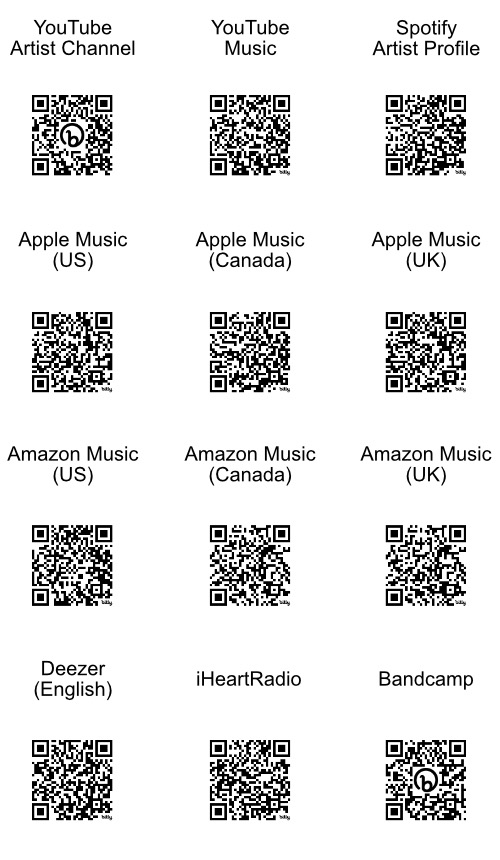
Jean-Michel Serres Apfel Café Music QR Codes Center English 2024.

Notes on 7 Gnossiennes by Erik Satie, information, analysis and performances

Overview

Erik Satie’s 7 Gnossiennes are a series of pieces for solo piano, composed between 1889 and 1897. They are known for their enigmatic atmosphere, lack of classical structure and meditative character. Here is an overview of these fascinating works:

🔮 General context:

The term ‘Gnossienne’ was coined by Satie himself – it’s not clear what it means. Some see a link with ‘Gnossus’, an ancient Cretan city linked to the myth of the Minotaur and the labyrinth; others think of the word ‘gnosis’, evoking a spiritual quest for knowledge. Whatever the case, these pieces seem to be bathed in a mystical, introspective aura.

🎵 Musical characteristics :

No bars: the early Gnossiennes have no bar lines, giving great rhythmic freedom.

Modal mode: Satie often uses ancient modes (such as Dorian or Phrygian), which reinforces the feeling of strangeness.

Poetic indications: Phrases such as ‘du bout de la pensée’, ‘conseiller’ or ‘retrouvez’ punctuate the scores, replacing traditional musical instructions. They lend a mysterious, almost surreal tone.

Minimalism before its time: the motifs are simple, repetitive, but rich in atmosphere.

🎹 Overview of the pieces:

Gnossienne No. 1 – The best known. Hypnotic, slow, almost incantatory. It has a gravity that evokes a forgotten sacred dance.

Gnossienne No. 2 – Darker, with a kind of restrained inner turmoil. Still in a dreamy mood.

Gnossienne No. 3 – Softer and more buoyant, it seems to vacillate between several moods. There is a certain melancholy about it.

Gnossienne No. 4 – More structured, but still free. Slightly more rhythmic, it retains a latent mystery.

Gnossienne No. 5 – Very short and subtly humorous. Light, almost like a whisper.

Gnossienne No. 6 – Rarely played. More rhythmic, more energetic than the previous ones, it breaks a little from the ethereal atmosphere.

Gnossienne No. 7 – Attributed later to Satie. It is denser, more constructed, but retains the spirit of the earlier ones.

🌀 To sum up:

The Gnossiennes are like fragments of dreams: with no clearly defined beginning or end, they invite meditative listening. Their strangeness, simplicity and discreet charm make them unique works in the piano repertoire.

History

At the end of the 19th century, in a Paris vibrant with artistic avant-gardes and aesthetic revolutions, Erik Satie, an eccentric and solitary composer, voluntarily strayed from the beaten track of academic music. He lived on the fringes, frequented the cabarets of Montmartre, surrounded himself with strange artists, and sought his own kind of music – pure, simple, stripped of all Romantic pretensions. It was in this context that he gave birth to the Gnossiennes, a suite of piano pieces unlike anything else of their time.

The very word, Gnossienne, emerges like a mystery. Satie invented it, without ever explaining its meaning. Perhaps a reference to the ritual dances of ancient Crete, perhaps a nod to gnosis, the mystical movement that sought intimate knowledge of the divine. But as so often with him, the word is also a game, a veil drawn over something elusive. And this ambiguity, this poetic vagueness, permeates each of the pieces.

The first Gnossienne appeared around 1890. Satie had just left the Schola Cantorum, where he had sought – briefly – a little musical rigour. He composed without bar lines or conventional tempo indications. The performer found himself alone in front of a score that appealed more to intuition than to technique. On the staves, instead of the traditional piano, legato or forte, he wrote strange phrases: ‘on the tongue’, ‘without pride’, ‘open your head’. These indications do not direct the playing as much as they suggest a state of mind, a path to follow in an invisible labyrinth.

The first Gnossiennes float in time. They seem to unfold outside any classical harmonic logic. They move slowly, as if hesitating to anchor themselves in a form. One senses a secret sway, a gentle gravity, like an ancient procession or a forgotten dance. Each note seems to carry the weight of silence.

For several years, Satie composed others, without publishing them. It was only much later, after his death, that the sixth and seventh were discovered, often forgotten and sometimes even questioned as to their authenticity. They are more structured, less vaporous, but still bear the signature of their creator: a free form, a discreet humour, a familiar strangeness.

Over time, the Gnossiennes became a cult item, played in films, shows and modern salons. They appeal to an audience far beyond classical music fans, because they speak a simple, yet profound, almost whispered language. They do not tell a story in the narrative sense of the term. They evoke, they whisper, they awaken something we cannot name.

And that’s perhaps their greatest secret: they don’t try to convince, or to shine. They exist, like ancient stones in a deserted garden, mysterious and tranquil. Like Satie himself.

Chronology

The story of Erik Satie’s 7 Gnossiennes spans almost a decade, between 1889 and 1897, a period of great artistic transformation for him. Their chronology is a little hazy – Satie never published these pieces as a complete suite – but here’s how they fit in time:

🎹 1889-1890: The first three Gnossiennes

The first three Gnossiennes are the most famous and emblematic of Satie’s style. They were composed in the late 1880s, just after he had left the Chat Noir cabaret, and while living in Montmartre, immersed in mysticism, symbolist poetry, and the influence of esoteric sects such as Joséphin Péladan.

Gnossienne No. 1: Composed in 1890, this is Satie’s best-known work. Satie wrote it without bar lines, which was highly unusual at the time. He added poetic playing indications instead of technical instructions.

Gnossienne No. 2 and No. 3: Probably composed around the same time or shortly after. They are similar in style and spirit: free, modal, meditative. Together with the first, they form a coherent triptych.

These three pieces were published together in 1893 by the publisher Demets, simply under the title Trois Gnossiennes.

🕰️ 1891-1897: The next four, more discreet

The following Gnossiennes were not published during Satie’s lifetime. Some were not even discovered until after his death. They bear witness to his musical evolution, his move towards an even more refined style, but also sometimes more constructed.

Gnossienne No. 4: Composed in 1891. It is more rhythmic, with a clearer organisation, but retains a harmonic strangeness characteristic of Satie.

Gnossienne No. 5: Very short, written around 1896-97. It seems almost ironic, like a deliberately absurd or disjointed miniature.

Gnossienne No. 6: Dated 1897, it begins to move away from the very free style of the earlier pieces. More rhythmic and regular, it perhaps reflects the influence of his time at the Schola Cantorum, where he studied counterpoint.

Gnossienne No. 7: Its attribution to Satie is controversial. It does not appear in any manuscript during his lifetime, but was discovered much later in his papers. It is thought to have been written in the same decade, but is more classical in style.

📜 After Satie’s Death (1925)

When Satie died, a mass of manuscripts was discovered in his small flat in Arcueil, often undated, unclassified, sometimes barely legible. It was here that the Gnossiennes 4 to 7 resurfaced. They were gradually published in the twentieth century, often cautiously, as musicologists were not always certain of their definitive status.

🧩 To sum up

1889-1890: Gnossiennes 1 to 3 – free, modal, without measures.

1891-1897: Gnossiennes 4 to 6 – more structured, but still atypical.

Posthumous: Gnossienne 7 – discovered after his death, attribution uncertain.

Episodes and anecdotes

Erik Satie’s Gnossiennes are shrouded in mystery, and a few episodes and anecdotes about their creation or their author add to their strange aura. Here are just a few of them, slipped in like bursts of life around these silent, hypnotic works:

🎩 A composer in a grey suit

Erik Satie sometimes composed in strict clothes, going so far as to wear a grey suit even in his chilly little room in Arcueil. He called himself a ‘gymnopédiste’, ‘phonometrographe’ or ‘musical doctor’. When he was composing the Gnossiennes, he often walked alone in the streets, sometimes up to ten kilometres home, lost in thought. It’s easy to imagine these solitary walks as the meditative matrix of his Gnossiennes: slow, repetitive, interior.

🕯️ Satie the occultist

During the years in which he composed his first Gnossiennes, Satie was briefly a member of the Order of the Rosicrucian Temple and Grail, a mystical society led by Joséphin Péladan. He even composed music ‘for initiation salons’. This plunge into esotericism left its mark: the Gnossiennes, with their atmosphere of forgotten ritual, sometimes seem to be the remains of a secret ceremony. It is said that he played them almost in a trance, as if trying to evoke something ancestral.

✒️ Absurd and poetic indications

Satie amused himself by inserting indications into his scores that were as poetic as they were absurd:

‘Très luisant’

‘On the tongue

‘Advise yourself carefully

‘With astonishment’.

They are not really intended to guide the technical interpretation, but rather to suggest a mood, a state of mind, an inner smile. They are also a foil to the seriousness of academic composers. Debussy, his friend at the time, was amused by these liberties.

📦 The mystery of the closed piano

After Satie’s death in 1925, his relatives discovered his tiny flat, which no friend had ever seen during his lifetime. There they found dozens of unpublished scores, worn umbrellas hanging on the wall, two pianos stacked on top of each other (one unusable because the other had been placed on top), and carefully preserved objects, such as love letters that had never been sent. Among these papers are the manuscripts of some as yet unknown Gnossiennes. This is where we discover No. 4, 5, 6, and what will perhaps become No. 7.

🎬 Music out of time… right up to the cinema

For a long time, the Gnossiennes remained confidential. Then the cinema got hold of them: you can hear them in films like The Painted Veil, Chocolat, Umbrellas of Cherbourg, or in documentaries and adverts. Their elusive atmosphere, neither happy nor sad, neither romantic nor dramatic, gives them a discreet but profound narrative power. It’s as if they were telling a story without words, a nostalgia without an object.

🗝️ In a nutshell…

The Gnossiennes are as much a reflection of Satie’s inner world as they are an enigma posed to the world. Halfway between an ancient rite, a lucid dream and a Dadaist game, they never cease to elude any fixed interpretation – and this is perhaps what makes them eternal.

If you like, I can also tell you how modern musicians interpret these pieces, each in their own way.

Characteristics of the music

Erik Satie’s 7 Gnossiennes are a musical UFO – a departure from the conventions of their time, and even today they retain a unique aura. They are not about virtuosity, romantic drama or symphonic grandeur. They are interior pieces, almost whispered, and their composition reflects this intention. Here are the fundamental characteristics of their writing:

🎼 1. Absence of barlines (for the first ones).

One of the most striking aspects of Gnossiennes 1 to 3 is the absence of bar lines. This gives a feeling of freedom, as if the music were floating, with no rhythmic constraints. Time is suspended. The performer has to rely on his intuition, his inner breath. It’s a form of writing that’s ‘out of time’, which was very rare at the time.

🎵 2. Modal writing

Here Satie uses ancient modes – Dorian, Phrygian, Mixolydian – rather than the usual major or minor scales. The result is an archaic, almost oriental or medieval sound. The harmonies are static, circular, sometimes hypnotic.

👉 Example: in the Gnossienne No. 1, there is a constant oscillation between the same few chords, creating a ritual loop effect.

💬 3. poetic indications instead of classical ones

Instead of ‘andante’, ‘legato’ or ‘fortissimo’, Satie writes instructions like:

‘Avec étonnement’

‘Sur la langue

‘These suggestions are more moods than instructions. They blur the boundary between text and music, and invite the performer to an almost theatrical or interior interpretation.

🎹 4. Minimalism before its time

Long before the term existed, Satie practised an art of repetition and simplicity:

Few notes per bar.

Elementary rhythms.

Recurring motifs.

No thematic development in the classical sense.

Each musical phrase seems to say little, but that little is very carefully weighed, almost sacred. It’s a stripped-down language, but never cold.

🌀 5. A free and fragmentary form

The Gnossiennes have no sonata form, no fixed refrain as in a waltz or nocturne. They advance in blocks, in cells, sometimes unexpected. They can be interrupted without transition, take up a forgotten motif, or end without a clear conclusion.

📏 6. An evolution through the pieces

Gnossiennes 1 to 3 (1889-1890) are the freest and most experimental.

Gnossiennes 4 to 6 (1891-1897) show a return to a more measured structure, with barlines and a more legible organisation.

Gnossienne 7 (discovered after Satie’s death) is even more framed, almost classical in its construction, though it retains a harmonic strangeness.

🧘‍♂️ 7. Interiority and slowness

Everything in the composition of the Gnossiennes encourages slowness: the rhythm, the silences, the repetitions, the harmonic atmosphere. The point is not to shine, but to enter into oneself. These pieces are more meditative than concert pieces. They can evoke solitude, reverie, gentle irony or oblivion.

✍️ To sum up:

The Gnossiennes are music that seems written to be felt more than understood, played more than demonstrated.

They are the fruit of a composer who wanted to ‘unlearn’ the rules in order to rediscover a more personal, more naked, almost secret language. A kind of return to the essential, in a musical world then saturated with excess.

If you like, I can also show you how these characteristics influence their interpretation today.

Analysis, Tutorial, interpretation and important playing points

Playing Erik Satie’s 7 Gnossiennes on the piano isn’t just about stringing notes together – it’s about entering an inner world, a little misty, a little detached, almost suspended. It’s not spectacular music, but it is demanding in its own way: it demands silence, sensitivity and, above all, a certain invisible presence. Here is a complete journey around the interpretation and analysis of these works.

🎼 1. General analysis: a stripped-down but expressive universe

The Gnossiennes are built on:

Simple motifs, often based on a rhythmic cell or a small group of notes.

Modal harmonies: Dorian, Phrygian, sometimes ambiguous, giving this floating, ancient colour.

Obstinate or pedal basses, creating a kind of hypnotic drone.

Free phrasing, often without metre (in the first three), as if the music let itself be carried along by breathing rather than a metronome.

💡 Key to interpretation: you have to think of these pieces not as speeches, but as murmurs, almost meditations.

🎹 2. Technical and interpretative tutorial

✋ Left hand: stability and regularity

It often plays spaced-out chords or held notes, acting like a sound carpet.

Care must be taken to ensure regularity, but without harshness. It’s a breath, not a beat.

Keep the sound round, soft, never percussive.

🤲 Right hand: the inner voice

It carries the theme, often almost spoken.

You must seek suppleness, subtle rubato, but never excessive.

It is essential to breathe well between phrases, so as not to equalise everything.

🎶 Pedal: essential, but fine

Too much pedal, and everything becomes blurred.

Too little, and the magic disappears.

You need to change subtly according to the harmonies, anticipating colour changes.

📚 3. Examples by piece (brief interpretations)

🎵 Gnossienne No. 1:
The best known. Hypnotic atmosphere. The theme is simple, but unfolds like an inner song.
🧘‍♂️ Play calmly, deeply, without straining. Let the harmony breathe.

🎵 Gnossienne No. 2 :
Darker, more ambiguous. There is a restrained tension.
🎭 Here, we can add a slight dramatic expressiveness, but always restrained.

🎵 Gnossienne No. 3:
More lilting, softer. It’s almost a strange lullaby.
🕊️ Work on legato and transparency of phrasing.

🎵 Gnossienne No. 4-7 :
More structured, sometimes more ‘classical’.
Here the tempo can be tightened a little, but without losing the meditative character.

💡 4 Interpretation: what are we trying to convey?

The silence between the notes is as important as the notes themselves.

Any emotional heaviness should be avoided: the Gnossiennes do not cry, they suggest.

Don’t try to ‘interpret’ in the romantic sense. Satie hated demonstrations:

‘Play softly and without pride’, he is said to have said.

✅ 5. Important advice for pianists:

Read the poetic indications: they give a tone, a mental colour.

Avoid playing too slowly: the slowness should be fluid, not bogged down.

Work on transitions: in the absence of a classical structure, it is the transitions between ideas that build coherence.

Work on the sound: a soft, deep touch, never dry or shiny.

🧘‍♀️ To sum up: music for inner listening

The Gnossiennes do not require digital virtuosity, but a virtuosity of listening, a finesse in the management of time, silence and gentle tension. Playing Satie is a bit like walking into a dream: you mustn’t wake up what’s asleep.

Great performances and recordings

Here is a selection of the greatest interpretations and solo piano recordings of Erik Satie’s 7 Gnossiennes – those that have left their mark through their finesse, originality or fidelity to the Satie universe. These versions don’t just play the notes: they let you hear the silence, the mystery, and the gentle irony that inhabit these works.

🎧 1. Aldo Ciccolini
🇫🇷 🇮🇹
🔹 Label: EMI / Warner Classics
🔹 Cult interpretation. He was Satie’s great ambassador in the 20th century.
🔹 His playing is clear, poetic, but also a little ‘noble’.
🗝️ One senses a certain gravity, a deep respect for Satie’s mystery.

🎧 2. Reinbert de Leeuw
🇳🇱
🔹 Label: Philips Classics / Deutsche Grammophon
🔹 Very slow, very contemplative.
🔹 He takes a radical tack: making the silence last, as if he were remembering a dream.
🗝️ For some, it’s sublime. For others, too frozen. But always fascinating.

🎧 3. Jean-Yves Thibaudet
🇫🇷
🔹 Label: Decca
🔹 His playing is fluid, supple, elegant, with a very nuanced sound palette.
🔹 He renders Satie’s floating, ironic aspect very well.
🗝️ This is a very ‘modern’ version, very well recorded, accessible and subtle.

🎧 4. Pascal Rogé
🇫🇷
🔹 Label: Decca / London
🔹 Gentle, intimate tone, melancholy without being leaden.
🔹 Very fine sound, lots of musicality in the phrasing.
🗝️ A sensitive version, ideal for discovering the Gnossiennes without excess.

🎧 5. Daniel Varsano
🇫🇷
🔹 Label: Sony Classical (with Jean Cocteau reciting in other works)
🔹 Less well known but very poetic, very right.
🔹 A very natural approach, like a friend playing this to you softly in the evening.
🗝️ Very human, without posing, very beautiful.

🎧 6. Alexandre Tharaud
🇫🇷
🔹 Label: Harmonia Mundi
🔹 Clarity, silky touch, transparent sonority.
🔹 He plays with great expressive restraint, very Satie.
🗝️ A contemporary, refined version, without showboating.

🎧 7. France Clidat
🇫🇷
🔹 Label: Decca
🔹 Less well known than Ciccolini, but very fine in her sensitivity.
She maintains a good balance between mystery, gentleness and clarity.
🗝️ A fine alternative to the big names.

🧾 Worth knowing:

Many of these performers record the Gnossiennes with Satie’s Gymnopédies and other short pieces (Pièces froides, Embryons desséchés, etc.).

Gnossiennes 4 to 7 are not always included: some albums play only the first three.

Some performers choose a very slow tempo (like de Leeuw), others a more natural one. It’s up to you to decide what moves you most.

Other interpretations

Of course, in addition to the interpretations previously mentioned, here are other pianists who have offered remarkable versions of Erik Satie’s 7 Gnossiennes:

🎹 1. Vladimir Ashkenazy
🇷🇺

Label: Decca

Known for his impeccable technique and musical sensitivity, Ashkenazy offers a balanced interpretation, combining clarity and emotion. His approach respects the simplicity of the compositions while adding expressive depth.

🎹 2. Alessio Nanni
🇮🇹

Available on YouTube

Nanni offers a personal interpretation of the Gnossienne No. 3, highlighting Satie’s rhythmic flexibility and colourful indications. His performance is both charming and hypnotic, reflecting the very essence of the piece. See the performance

🎹 3. Francis Poulenc
🇫🇷

Historic recording from 1955

Composer and pianist, Poulenc recorded some of Satie’s works, bringing a unique perspective as a contemporary of the time. His performance is invaluable in understanding the initial reception of the Gnossiennes.

🎹 4. Daniel Varsano
🇫🇷

Label: CBS Masterworks

Varsano has recorded the Gnossiennes with particular sensitivity, capturing the gentle irony and mystery of the pieces. His approach is natural, almost conversational, offering an intimate experience of Satie’s music.

🎹 5. Igor Levit
🇩🇪

Notable performance: Satie’s ‘Vexations

Although best known for performing ‘Vexations’, another Satie work, Levit demonstrates stamina and total immersion in the composer’s world, reflecting a deep understanding of his aesthetic. Read the article

🎹 6. Alessio Nanni
🇮🇹

Available on YouTube

Nanni offers a personal interpretation of Gnossienne No. 3, highlighting Satie’s rhythmic flexibility and colourful indications. His performance is both charming and hypnotic, reflecting the very essence of the piece. See the performance

🎹 7. Francis Poulenc
🇫🇷

Historic 1955 recording

Composer and pianist, Poulenc recorded some of Satie’s works, bringing a unique perspective as a contemporary of the time. His interpretation is invaluable in understanding the initial reception of the Gnossiennes.

🎹 8. Daniel Varsano
🇫🇷

Label: CBS Masterworks

Varsano has recorded the Gnossiennes with particular sensitivity, capturing the gentle irony and mystery of the pieces. His approach is natural, almost conversational, offering an intimate experience of Satie’s music.

🎹 9 Igor Levit
🇩🇪

Notable performance: Satie’s ‘Vexations

Although best known for performing ‘Vexations’, another Satie work, Levit demonstrates stamina and total immersion in the composer’s world, reflecting a deep understanding of his aesthetic. Read the article

Please note: Each interpretation brings a different colour and perspective to the Gnossiennes. It is rewarding to listen to several versions to grasp the diversity of approaches and find the one that resonates most with your sensibility.

If you would like to listen to one of these interpretations, I can provide links to specific recordings available online.

In comics

Erik Satie’s Gnossiennes, with their haunting, introspective atmosphere, have been used in a number of films to enrich their soundtracks. Here are a few notable examples.

Le Feu Follet (1963)

Directed by Louis Malle, this film uses Gnossienne n°1 to underline the melancholy of the protagonist.
YouTube

Chocolat (2000)

In this film by Lasse Hallström, the Gnossienne n°1 accompanies key scenes, adding a touch of mystery to the plot.
Wikipedia, the enciclopedia libera

The Painted Veil (2006)

The Gnossienne n°1 is integrated into the soundtrack of this romantic drama, reinforcing the emotion of the scenes.

Mr. Nobody (2009)

Directed by Jaco Van Dormael, this film features Gnossienne No. 3, contributing to its dreamlike atmosphere.
Wikipedia, the free encyclopedia

Hugo (2011)

In this film by Martin Scorsese, Gnossienne No. 1 is used to evoke a nostalgic atmosphere.

The Queen’s Gambit (2020)

The mini-series includes Gnossienne No. 1 in its soundtrack, reflecting the emotional complexity of the main character.

Inside Man (2023)

The TV series uses Gnossian No. 1 in its opening credits, setting an intriguing mood right from the start.
Wikipedia, an enciclopedia book

These examples illustrate how Satie’s Gnossiennes continue to influence and enrich the cinematic landscape with their unique and evocative character.

(This article was generated by ChatGPT. And it’s just a reference document for discovering music you don’t know yet.)

Classic Music Content Page

Best Classical Recordings
on YouTube

Best Classical Recordings
on Spotify

Jean-Michel Serres Apfel Café Music QR Codes Center English 2024.