Apuntes sobre Sicilienne, Op. 78 de Gabriel Fauré, información, análisis y interpretaciones

Resumen

🎼 Resumen general:

La Siciliana, Op. 78 es una obra compuesta en 1893 originalmente para una música de escena (inacabada) titulada Pelléas et Mélisande. Más tarde, Fauré la adaptó para varias formaciones, en particular para flauta (o violonchelo) y piano, y se convirtió en una de sus piezas más populares.

🎶 Características musicales:

Estilo: francés romántico, con toques impresionistas.

Forma: siciliana, un baile barroco de ritmo ternario (6/8 o 12/8), a menudo lento y melancólico.

Tonalidad: Generalmente en sol menor, lo que refuerza la atmósfera suave y melancólica.

Melodía: Muy cantarina, fluida, casi vocal, una línea lírica típica de Fauré.

Acompañamiento: Delicado, a menudo en arpegios o en balanceos regulares, que recuerdan el movimiento de una barca sobre el agua.

🎻 Colores y atmósfera:

La pieza evoca una suave nostalgia, una melancolía tranquila, pero nunca pesada. Da la impresión de un elegante ensueño, entre la sombra y la luz. Puede interpretarse como una meditación poética, llena de delicadeza.

📚 Pequeño detalle interesante:

Aunque se hizo famosa de forma independiente, la Siciliana se reincorporó posteriormente a la adaptación orquestal de la música escénica de Pelléas et Mélisande, y a menudo se interpreta también en este contexto.

Historia

En 1893, Gabriel Fauré, entonces en la cima de su arte, recibió el encargo de escribir la música de una obra de teatro: Le Bourgeois gentilhomme de Molière, en una versión modernizada por el poeta Paul Armand Silvestre. En este contexto, Fauré compuso una pequeña pieza instrumental, elegante y teñida de melancolía: la Siciliana. Está concebida en un principio para flauta, cuerdas y arpa, una instrumentación ligera y transparente, a imagen del baile barroco del que toma el nombre.

Pero la producción teatral se abandona finalmente antes incluso de ver la luz. La Siciliana, en cambio, se salva del olvido. Fauré la guarda celosamente en sus cuadernos, consciente de su sencilla belleza y de su potencial. Unos años más tarde, en 1898, recibió un nuevo encargo: esta vez, poner música a Pelléas et Mélisande, la famosa obra simbolista de Maeterlinck. Entonces recordó esa Siciliana abandonada y decidió integrarla en su nueva partitura orquestal.

Lo que al principio era solo un fragmento escrito para una comedia ligera se convierte en un momento suspendido en una obra profundamente poética y misteriosa. La Siciliana cobra una nueva vida, más profunda, más interior. Es más que un simple baile: es un aliento suave, un suspiro elegante, una ensoñación musical.

Fauré adaptó posteriormente la pieza para diferentes formaciones, en particular para flauta (o violonchelo) y piano. Y es en esta versión donde se convertirá en una de sus obras más conocidas y más interpretadas, apreciada por su discreto encanto, su claridad y ese velo de tierna tristeza que la atraviesa sin llegar a ser pesada.

Así, La Siciliana de Fauré nació dos veces: primero como un entretenimiento teatral, y luego como un momento de gracia en un universo simbolista. Y si sigue tocando los corazones hoy en día, es sin duda porque parece hablar suavemente, como un susurro de otra época.

Cronología

Con mucho gusto. Esta es la cronología de la Siciliana, Op. 78 de Gabriel Fauré, narrada de forma fluida, como una pequeña historia a través del tiempo.

Todo comienza en 1893. Gabriel Fauré, compositor respetado pero aún discreto, es solicitado para escribir música escénica para una versión modernizada de El burgués gentilhombre de Molière, reescrita por su amigo Paul Armand Silvestre. Entusiasmado, Fauré compone una serie de piezas, entre ellas un delicado baile de ritmo equilibrado: la Siciliana. La obra está escrita para un pequeño conjunto instrumental (flauta, cuerdas y arpa) y destaca inmediatamente por su gracia y su refinada melancolía.

Pero entonces el proyecto teatral se va al traste: la producción se cancela antes de ver la luz. La Siciliana, en cambio, no desaparece. Fauré, que intuye su potencial poético, la deja de lado.

Pasan algunos años. En 1898, se le encarga una nueva música escénica, esta vez para la obra simbolista Pelléas et Mélisande de Maurice Maeterlinck, destinada a ser representada en Londres. Es en ese momento cuando Fauré recupera su Siciliana. La reorquesta ligeramente para integrarla mejor en la atmósfera misteriosa y brumosa de la obra. Así, encuentra su lugar en la versión orquestal de la Suite Pelléas y Mélisande, donde se convierte en uno de los momentos más apreciados.

Poco después, Fauré decidió hacer una versión para violonchelo y piano (o flauta y piano), que se convirtió en el Opus 78 oficial, publicado también en 1898. Esta versión intimista, ideal para salones y recitales, contribuyó a dar a conocer la pieza mucho más allá del círculo de iniciados.

A lo largo del siglo XX, La siciliana se convirtió en una obra imprescindible del repertorio romántico francés. Se ha transcrito para numerosos instrumentos, ha sido interpretada por los mejores solistas y se utiliza a menudo en películas, programas e incluso anuncios para evocar la elegancia, la nostalgia o cierta dulzura del pasado.

Desde 1893 hasta hoy, la Siciliana ha tenido una vida discreta pero brillante, pasando de ser un proyecto abandonado a una miniatura atemporal, prueba de que a veces las obras más delicadas son las que atraviesan el tiempo con más gracia.

¿Una pieza de éxito de la época?

¡Excelente pregunta! Y la respuesta es matizada, porque el éxito de La Sicilienne, Op. 78 no fue inmediato, sino progresivo, casi como la pieza en sí: discreta, elegante y llena de sutileza.

🌟 Un éxito modesto al principio

Cuando La sicilienne se publicó en 1898, no se convirtió inmediatamente en un gran éxito de salón como algunas obras populares de la época. Fauré, aunque apreciado en los círculos artísticos e intelectuales, aún no era una figura dominante para el público en general. Su estilo refinado, intimista, a veces un poco «introspectivo», no tiene el mismo atractivo inmediato que el de compositores más extravagantes como Saint-Saëns o Massenet.

La obra se dio a conocer inicialmente a través de la música escénica para Pelléas et Mélisande, interpretada en Londres en 1898. Allí fue bien recibida, pero sobre todo por los círculos cultos. No fue hasta que se publicó la versión para instrumento solista y piano (violonchelo o flauta) el mismo año que la Siciliana comenzó a ganar un público más amplio.

📖 Las ventas de partituras

Las partituras para piano (especialmente la reducción para instrumento solista + piano) se vendieron razonablemente bien, sobre todo en los círculos de músicos aficionados y en los salones de la burguesía culta. Es bastante accesible técnicamente, lo que la ha convertido en una pieza muy apreciada para el estudio o los conciertos privados.

No tuvo un éxito comercial masivo inmediato, pero con el tiempo se ha convertido en una pequeña joya del repertorio romántico francés. Su elegancia melancólica y su aparente sencillez le han asegurado una larga vida, mucho más allá de la efervescencia de las modas de la época.

🎼 En resumen

No, La Siciliana no fue un gran éxito popular cuando se estrenó, pero fue apreciada en los círculos refinados. Y sí, las partituras para piano se vendieron bien, sobre todo a medida que crecía la fama de Fauré. Hoy en día, es una de sus obras más interpretadas, lo que demuestra que la gracia silenciosa a veces puede prevalecer sobre el éxito estruendoso.

Episodios y anécdotas

La Siciliana, Op. 78 de Gabriel Fauré, a pesar de su dulzura y aparente sencillez, esconde entre bastidores algunos episodios interesantes e incluso un poco inesperados. He aquí algunas anécdotas y momentos destacados relacionados con esta obra discreta pero duradera.

🎭 1. Una música para una obra que nunca vio la luz

La Sicilienne fue compuesta en 1893 para una adaptación de El burgués gentilhombre de Molière, revisada por el poeta Paul Armand Silvestre. Fauré escribió varias piezas para esta producción, entre ellas esta encantadora Sicilienne. Pero el proyecto de teatro se fue al traste antes incluso de ser montado.
¿El resultado? La Siciliana se deja de lado durante cinco años. Una obra fantasma, olvidada, hasta que Fauré la recupera para otro proyecto…

🎟️ 2. Una «reciclaje» genial en Pelléas et Mélisande

En 1898, cuando recibió el encargo de la música escénica para Pelléas et Mélisande, Fauré volvió a pensar en esta Siciliana abandonada. La reorquestó y la integró en esta nueva obra. Un poco como un artesano que encuentra un tejido precioso para hacer una prenda a medida.

Esta reutilización musical es una de las más elegantes de la música francesa: una pieza ligera destinada a una comedia se convierte en un momento poético en el corazón de un drama simbolista. Y, sin embargo, se adapta perfectamente, lo que demuestra la universalidad de su color musical.

📖 3. La anécdota del conservatorio: los alumnos la adoran

Fauré, que fue director del Conservatorio de París de 1905 a 1920, solía ver a sus alumnos tocar su Siciliana. Era muy apreciada como pieza de estudio: permitía trabajar la fraseo, la respiración (para los flautistas), el arco (para los violonchelistas) y la expresión, sin dejar de ser técnicamente accesible.
Parece que Fauré sonreía al escuchar a sus alumnos tocarla, un poco sorprendido de que esta pequeña pieza, originalmente casi accidental, se convirtiera en un estándar pedagógico.

🎬 4. Una estrella de cine… sin querer

Con el tiempo, la siciliana se ha convertido en un verdadero cliché sonoro de la sofisticación francesa. Se escucha en películas, documentales, anuncios… siempre para evocar algo nostálgico, elegante o tierno. Su estilo es tan reconocible que algunos directores lo han utilizado como atajo emocional.
Incluso ha aparecido en varias películas como fondo de escenas íntimas o melancólicas, casi como una voz interior.

🧡 5. Fauré no le daba mucha importancia…

Curiosamente, el propio Fauré no consideraba La Siciliana como una de sus grandes obras. Hablaba de ella con ligereza, como de una «cosa bonita», pero sin darle el peso emocional que se le atribuye hoy en día. Probablemente pensaba en sus obras más ambiciosas, como sus sonatas, sus cuartetos o su Réquiem.

Y, sin embargo, fue esta pequeña y elegante pieza la que conquistó al mundo.

Características de la música

¡Con mucho gusto! Hablemos de las características musicales de La Siciliana, Op. 78 de Gabriel Fauré, esta pieza aparentemente simple y sutil en profundidad. Su estilo delicado y su atmósfera cautivadora se basan en varias elecciones de composición muy típicas de Fauré, y muy eficaces.

🎼 El ritmo: el baile en filigrana

La Siciliana toma su nombre de un baile barroco, la siciliana, generalmente en 6/8 o 12/8, con un movimiento balanceado, casi mecedor. Fauré retoma este modelo a su manera: un ritmo flexible y ondulante, a menudo basado en un motivo de corchea punteada – semicorchea, que da la impresión de un movimiento grácil pero ligeramente velado, como una barca en aguas tranquilas.

Este ritmo regular contribuye al aspecto hipnótico de la pieza, con esa sensación de flotar suavemente en el tiempo.

🎵 La melodía: canto interior

Fauré es un maestro de la línea melódica cantada, y aquí despliega una melodía suave, sinuosa, casi vocal, que parece contar una historia sin palabras. Se eleva y luego cae, con inflexiones naturales, como una frase hablada.
La aparente simplicidad de la melodía esconde una verdadera delicadeza: los intervalos se eligen con cuidado, las tensiones son suaves pero sensibles, y cada nota parece colocada allí con una precisión poética.

🎹 El acompañamiento: delicado y envolvente

En la versión para piano, el acompañamiento se basa en arpegios suaves y continuos, que sostienen la melodía sin aplastarla nunca. El piano no brilla por su virtuosismo, sino por su aliento regular y transparente, que actúa casi como un velo de niebla bajo la línea solista.

A veces se encuentran alternancias de acordes entre las manos, creando un efecto de balanceo muy característico de la siciliana.

🎭 La tonalidad: entre la luz y la sombra

La pieza está en sol menor, una tonalidad que en Fauré suele tener un color nostálgico, suave pero nunca desesperado.
Fauré juega con modulaciones sutiles, especialmente hacia el mayor (si bemol mayor, relativo) para crear claros fugaces, como pasajes de luz entre las nubes. Evita los contrastes bruscos: todo está fundido, matizado, fluido.

🎨 La armonía: típicamente fauréenne

Fauré tiene un estilo armónico muy personal: aquí encontramos encadenamientos de acordes inesperados pero naturales, modulaciones discretas y acordes enriquecidos (con séptimas, novenas) que dan una sensación de profundidad sin nunca sobrecargar el discurso.

También utiliza notas cromáticas de paso, que crean una sensación de flotación emocional, una tensión suave pero conmovedora.

🎻 La instrumentación: refinada e íntima

En la versión orquestal (para Pelléas y Mélisande), la Siciliana está orquestada con delicadeza, sobre todo gracias a la flauta, que aporta un toque pastoral, y a las cuerdas ligeras, que envuelven todo con una suavidad algodonosa.

En las versiones de cámara (flauta/piano o violonchelo/piano), la pieza conserva esta cualidad de confianza, como un susurro musical entre dos intérpretes.

💫 En resumen:

La Siciliana es una pieza equilibrada, fluida, interior, donde todo está en la sutileza: ritmo danzante sin exuberancia, melodía cantarina sin énfasis, armonía refinada sin sobrecarga. Encarna a la perfección esa elegancia discreta que asociamos con Fauré y con la música francesa de la Belle Époque.

Análisis, tutorial, interpretación y puntos importantes de la ejecución

Sicilienne, Op. 78 de Fauré, no solo como oyente, sino como pianista. Tanto si eres alumno como intérprete experimentado, esta pieza es una lección de musicalidad, respiración y delicadeza. Aquí tienes un análisis en vivo, un pequeño tutorial, consejos de interpretación y los puntos esenciales a recordar para tocarla al piano.

🎼 1. Análisis global (forma, estructura, tonalidad)

La Siciliana está estructurada en forma binaria con una repetición modificada, algo así como un ABA’ flexible, con transiciones integradas:

Sección A (Sol menor): exposición de la famosa melodía, suave y nostálgica.

Sección B (modulaciones): exploración de tonalidades cercanas (especialmente Si bemol mayor, relativo mayor), variaciones melódicas y climáticas.

Retorno A’: reexposición transformada, a menudo más íntima, con un efecto de retirada, como un recuerdo que regresa suavemente.

La tonalidad de Sol menor es central, pero Fauré modula finamente, siempre con fluidez y discreción, lo que hace que la armonía sea un poco flotante, como suspendida.

🎹 2. Tutorial – Cómo abordar la pieza al piano

a. Trabajar primero el acompañamiento

El piano en esta obra no está ahí para brillar, sino para apoyar, respirar, colorear. Empieza por descifrar el acompañamiento solo (sobre todo la mano izquierda), en arpegios lentos, para sentir el balanceo rítmico. El objetivo es conseguir una ondulación suave y regular, como un mar en calma.
Piense en el ritmo de corchea con puntillo, una doble corchea típica de la siciliana (en 6/8), pero tocada con ligereza.
b. Trabajar la línea melódica como un canto

A continuación, concéntrese en la melodía de la mano derecha (o en la parte solista si toca la acompañamiento solo). Tóquela cantando, con aliento, como si la tocara un violonchelo o la cantara una voz suave. Trabaje los apoyos suaves, las notas largas y los finales de frase: deben disolverse de forma natural, como un suspiro.

c. Juntar con atención la frase

Una vez que tenga seguridad en ambas manos, toque lentamente evitando cualquier sequedad. Fauré es un compositor de la unión, del suave legato, del tiempo suspendido. Busque una transparencia sonora: el piano debe evocar la harpa o un lienzo ligero.

🎭 3. Interpretación: cómo contar una historia

Fauré no escribe nada violento aquí. Nada de grandes olas, nada de excesos. Lo que cuentas es un recuerdo, un dolor suave o una luz filtrada por los velos del pasado.

Matiza sutilmente: esta pieza no necesita fortissimo. Trabaja más bien los pianos, los crescendos suaves, los diminuendos naturales.

Rubato discreto: algunas inflexiones rítmicas son bienvenidas, pero siempre con gusto, sin sobrecargar. Deje que los finales de las frases respiren.

Transiciones: trabaje las modulaciones y los cambios de sección como cambios de atmósfera, no como rupturas.

✅ 4. Puntos importantes a recordar para tocar la pieza

Respiración: nunca toques «en compás estricto», piensa en una respiración natural, como un poema susurrado.

Equilibrio: la melodía siempre debe flotar por encima del acompañamiento, incluso en las partes más densas.

Tonalidad y colores: sigue las modulaciones como un paseo por un paisaje cambiante, toca el color de las armonías.

Simplicidad asumida: no intentes hacer «más», intenta hacer «lo justo».

Silencio expresivo: los pequeños silencios entre frases son esenciales. Dicen tanto como las notas.

🎧 5. Un consejo de escucha antes de tocar

Escucha la Siciliana interpretada por violonchelistas o flautistas (por ejemplo: Jean-Pierre Rampal, Jacqueline du Pré, Emmanuel Pahud…). Esto te dará otra respiración, una forma de imaginar la melodía sin piano. Luego, lleva esta musicalidad a tu teclado.

Grandes interpretaciones y grabaciones

La Siciliana, Op. 78 de Gabriel Fauré es conocida principalmente en sus versiones para violonchelo y piano o para orquesta. Sin embargo, también existen notables interpretaciones de esta obra para piano solo. Estas son algunas grabaciones destacadas:
Jean-Philippe Collard: Pianista francés conocido por su interpretación de las obras de Fauré, ha grabado La Siciliana en su versión para piano solo. Su grabación figura en el álbum Fauré: Piano Works, Chamber Music, Orchestral Works & Requiem. ​

Simon Crawford-Phillips: Pianista británico, interpretó la Siciliana en una versión para piano solo. ​

Gabriele Tomasello: Pianista italiano, ofreció una interpretación de la Siciliana en piano solo.​

Cabe señalar que el propio Fauré realizó una grabación de su Siciliana al piano, capturada en un rollo de piano mecánico, ofreciendo así una visión directa de su interpretación personal. ​

Estas grabaciones ofrecen diversas perspectivas sobre la interpretación de la Siciliana en versión para piano solo, aportando cada una su sensibilidad y su enfoque único a esta obra emblemática de Fauré.

Otras interpretaciones y grabaciones

La Siciliana, Op. 78 de Gabriel Fauré, aunque es más conocida en sus versiones para violonchelo y piano o para orquesta, también ha sido transcrita e interpretada en piano solo por varios artistas. Estas son algunas grabaciones destacadas:​

Kathleen Long

La pianista británica Kathleen Long ha realizado grabaciones de varias obras de Fauré, incluida La Siciliana. Su interpretación es reconocida por su elegancia y delicadeza, capturando la esencia de la música de Fauré.

Germaine Thyssens-Valentin

La pianista francesa Germaine Thyssens-Valentin fue una de las primeras en grabar la integral de las obras para piano de Fauré en la década de 1950. Su versión de La Sicilienne es aclamada por su enfoque auténtico y su profundidad emocional.​

Jean Hubeau

El pianista y pedagogo francés Jean Hubeau también grabó La Siciliana como parte de su exploración de las obras de Fauré. Su interpretación es apreciada por su precisión y expresividad.​

Simon Crawford-Phillips

El pianista británico Simon Crawford-Phillips ofreció una interpretación contemporánea de La Siciliana.​

Estas grabaciones ofrecen una variedad de interpretaciones de La Siciliana en versión para piano solo, cada una de las cuales aporta una perspectiva única de esta obra emblemática de Fauré.

Interpretaciones y grabaciones de otras formaciones

La Siciliana, Op. 78 de Gabriel Fauré es una pieza muy popular, a menudo interpretada en diferentes formaciones más allá de la versión original para flauta y piano. Ha sido transcrita y grabada muchas veces para diversos instrumentos y conjuntos. Estas son algunas interpretaciones notables en diferentes formaciones:

🎻 Versión para violonchelo y piano

Jacqueline du Pré (violonchelo) y Gerald Moore (piano)

Mischa Maisky (violonchelo) y Daria Hovora (piano)

🎻 Versión para violín y piano

Joshua Bell (violín) y Paul Coker (piano)

Itzhak Perlman (violín) y Samuel Sanders (piano)

🎼 Versión orquestal

Jean-Pierre Rampal (flauta) con la Orquesta de Cámara Jean-François Paillard

James Galway (flauta) con la Orquesta Sinfónica de Londres, dirigida por Andrew Davis

Emmanuel Pahud (flauta) con la Orquesta de París, dirigida por Marc Minkowski

🎹 Versión para piano solo (transcripción)

Interpretada por Jean-Philippe Collard

Transcripción también interpretada por Pascal Rogé

🪗 Versión para diversos instrumentos / arreglos originales

Guitarra y flauta: Jean-Pierre Rampal y Alexandre Lagoya

Arpa y flauta: Lily Laskine y Jean-Pierre Rampal

Clarinete y piano: Sharon Kam (clarinete), Itamar Golan (piano)

En la banda sonora

La Siciliana, Op. 78 de Gabriel Fauré se ha utilizado varias veces en el cine debido a su lirismo, delicadeza y sutil melancolía. Estos son algunos de los títulos más destacados en los que la pieza aparece como banda sonora:

🎬 Películas en las que se utiliza La Siciliana:

1. «Delitos y faltas» (Crimes and Misdemeanors) – 1989, de Woody Allen

La Siciliana se utiliza en una escena introspectiva y emotiva.

Interpretación: versión para flauta y orquesta.

2. «El castillo de mi madre» (Le Château de ma mère) – 1990, de Yves Robert

Película basada en la obra de Marcel Pagnol.

La Siciliana aparece en una atmósfera nostálgica y pastoral.

Refuerza la tonalidad poética del relato de la infancia.

3. «The Good Wife» (serie de televisión)

Se utiliza puntualmente en una escena dramática.

Acompaña un momento de tensión emocional, subrayando la interioridad de los personajes.

🎞 Otros usos (menos directamente referenciados):

A veces se oye en documentales, películas de época o dramas románticos, especialmente en contextos franceses o anglosajones en los que se desea un toque clásico y elegante.

(Este artículo ha sido generado por ChatGPT. Es sólo un documento de referencia para descubrir música que aún no conoce.)

Contenidos de música clásica

Best Classical Recordings
on YouTube

Best Classical Recordings
on Spotify
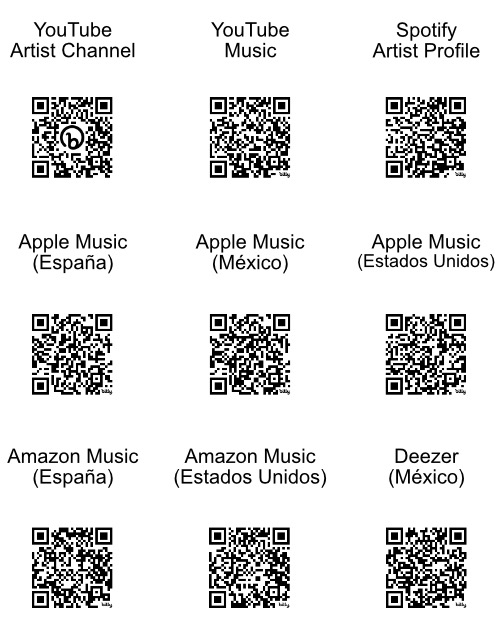
Jean-Michel Serres Apfel Café Apfelsaft Cinema Music Códigos QR Centro Español 2024.

Notizen über Sicilienne, Op. 78 von Gabriel Fauré, Informationen, Analyse, Eigenschaften und Leistungen

Überblick

🎼 Allgemeiner Überblick:

Sicilienne, Op. 78 ist ein Werk, das 1893 ursprünglich für eine (unvollendete) Bühnenmusik mit dem Titel Pelléas et Mélisande komponiert wurde. Später adaptierte Fauré es für mehrere Besetzungen, insbesondere für Flöte (oder Cello) und Klavier, und es wurde zu einem seiner beliebtesten Stücke.

🎶 Musikalische Merkmale:

Stil: Französische Romantik mit impressionistischen Einflüssen.

Form: Sizilianisch – ein Barocktanz im Dreiertakt (6/8 oder 12/8), oft langsam und melancholisch.

Tonart: Meist in g-Moll, was die sanfte und melancholische Stimmung verstärkt.

Melodie: Sehr singend, fließend, fast vokal – eine typische lyrische Linie von Fauré.

Begleitung: Zart, oft in Arpeggien oder gleichmäßigen Schwingungen, die an die Bewegung eines Bootes auf dem Wasser erinnern.

🎻 Farben und Atmosphäre:

Das Stück ruft eine sanfte Nostalgie hervor, eine ruhige Melancholie, aber niemals schwer. Es vermittelt den Eindruck einer eleganten Träumerei zwischen Licht und Schatten. Es kann als poetische Meditation voller Finesse interpretiert werden.

📚 Interessantes Detail:

Obwohl sie unabhängig berühmt wurde, wurde die Sicilienne später in die Orchesterfassung der Bühnenmusik für Pelléas et Mélisande wieder aufgenommen und wird in diesem Zusammenhang auch oft gespielt.

Geschichte

Im Jahr 1893 erhielt Gabriel Fauré, der damals auf dem Höhepunkt seines Schaffens stand, den Auftrag, die Musik für ein Theaterstück zu schreiben: Le Bourgeois gentilhomme von Molière, in einer vom Dichter Paul Armand Silvestre modernisierten Fassung. In diesem Zusammenhang komponierte Fauré ein kleines, anmutiges und melancholisches Instrumentalstück: La Sicilienne. Sie ist zunächst für Flöte, Streicher und Harfe konzipiert – eine leichte und transparente Instrumentierung, die dem Barocktanz, nach dem sie benannt ist, ähnelt.

Aber die Theaterproduktion wird schließlich aufgegeben, bevor sie überhaupt entsteht. Die Sicilienne hingegen entgeht dem Vergessen. Fauré bewahrt sie sorgfältig in seinen Notizbüchern auf, da er sich ihrer schlichten Schönheit und ihres Potenzials bewusst ist. Einige Jahre später, im Jahr 1898, erhielt er einen neuen Auftrag: diesmal, um Pelléas et Mélisande, das berühmte symbolistische Stück von Maeterlinck, zu vertonen. Er erinnerte sich dann an diese aufgegebene Sicilienne und beschloss, sie in seine neue Orchesterpartitur aufzunehmen.

Was zunächst nur ein Fragment war, das für eine leichte Komödie geschrieben wurde, wird zu einem Moment der Stille in einem zutiefst poetischen und geheimnisvollen Werk. Die Sicilienne erhält ein neues, tieferes und innerlicheres Leben. Sie ist mehr als nur ein Tanz: Sie ist ein sanfter Hauch, ein eleganter Seufzer, eine musikalische Träumerei.

Fauré adaptierte das Stück später für verschiedene Besetzungen, insbesondere für Flöte (oder Cello) und Klavier. Und in dieser Version wurde es zu einem seiner bekanntesten und meistgespielten Werke, das wegen seines diskreten Charmes, seiner Klarheit und dieses Schleiers zärtlicher Traurigkeit, der es durchzieht, ohne es jemals zu beschweren, geliebt wird.

So wurde die Sicilienne von Fauré zweimal geboren: zuerst als Theaterunterhaltung, dann als Moment der Gnade in einem symbolistischen Universum. Und wenn sie auch heute noch die Herzen berührt, dann wohl deshalb, weil sie leise zu sprechen scheint, wie ein Flüstern aus einer anderen Zeit.

Chronologie

Gerne. Hier ist die Chronologie der Sicilienne, Op. 78 von Gabriel Fauré, flüssig erzählt, wie eine kleine Geschichte durch die Zeit.

Alles beginnt im Jahr 1893. Gabriel Fauré, ein angesehener, aber noch unauffälliger Komponist, wird gebeten, eine Bühnenmusik für eine modernisierte Version von Molières Bourgeois gentilhomme zu schreiben, die von seinem Freund Paul Armand Silvestre umgeschrieben wurde. Begeistert komponiert Fauré eine Reihe von Stücken, darunter einen zarten Tanz im Gleichschritt: die Sicilienne. Das Werk ist für ein kleines Instrumentalensemble – Flöte, Streicher und Harfe – geschrieben und zeichnet sich sofort durch seine Anmut und raffinierte Melancholie aus.

Doch dann wird das Theaterprojekt abgeblasen: Die Produktion wird abgesagt, bevor sie überhaupt begonnen hat. La Sicilienne hingegen verschwindet nicht. Fauré, der ihr poetisches Potenzial spürt, legt sie beiseite.

Einige Jahre vergehen. 1898 wird er mit einer neuen Bühnenmusik beauftragt, diesmal für das symbolistische Stück Pelléas et Mélisande von Maurice Maeterlinck, das in London aufgeführt werden soll. Zu diesem Zeitpunkt holt Fauré seine Sicilienne wieder hervor. Er orchestriert sie leicht um, um sie besser in die geheimnisvolle und neblige Atmosphäre des Stücks einzufügen. So findet sie ihren Platz in der orchestralen Version der Suite Pelléas et Mélisande, wo sie zu einem der beliebtesten Momente wird.

Kurz darauf beschloss Fauré, eine Version für Cello und Klavier (oder Flöte und Klavier) zu schreiben, die zum offiziellen Opus 78 wurde, das ebenfalls 1898 veröffentlicht wurde. Diese intime Version, die sich ideal für Salons und Konzerte eignet, trug dazu bei, das Stück weit über den Kreis der Eingeweihten hinaus bekannt zu machen.

Im Laufe des 20. Jahrhunderts wurde die Sicilienne zu einem unverzichtbaren Werk des französischen romantischen Repertoires. Sie wurde für viele Instrumente transkribiert, von den größten Solisten gespielt und oft in Filmen, Sendungen und sogar Werbespots verwendet, um Eleganz, Nostalgie oder eine gewisse Sanftheit der Vergangenheit zu evozieren.

Von 1893 bis heute hat die Sicilienne also ein diskretes, aber glanzvolles Leben geführt, von einem aufgegebenen Projekt zu einer zeitlosen Miniatur, was beweist, dass manchmal die zartesten Werke diejenigen sind, die die Zeit mit der größten Anmut überdauern.

Ein Erfolgsstück der damaligen Zeit?

Eine ausgezeichnete Frage! Und die Antwort ist nuanciert, denn der Erfolg der Sicilienne, Op. 78 war nicht unmittelbar, sondern allmählich – fast wie das Stück selbst: diskret, elegant und voller Subtilität.

🌟 Ein bescheidener Erfolg am Anfang

Als die Sicilienne 1898 erschien, war sie nicht sofort ein großer Salon-Hit wie einige populäre Werke dieser Zeit. Fauré, obwohl in künstlerischen und intellektuellen Kreisen geschätzt, war noch keine dominierende Figur in der Öffentlichkeit. Sein raffinierter, intimer, manchmal etwas „introspektiver“ Stil hat nicht die gleiche unmittelbare Anziehungskraft wie der von extravaganteren Komponisten wie Saint-Saëns oder Massenet.

Das Stück wurde zunächst durch die Bühnenmusik zu Pelléas et Mélisande bekannt, die 1898 in London aufgeführt wurde. Dort wurde es gut aufgenommen, vor allem aber von gebildeten Kreisen. Erst als im selben Jahr die Version für Soloinstrument und Klavier (Cello oder Flöte) veröffentlicht wurde, begann die Sicilienne ein breiteres Publikum zu gewinnen.

📖 Der Verkauf von Noten

Die Noten für Klavier (insbesondere die Reduktion für Soloinstrument + Klavier) verkauften sich recht gut, vor allem in Kreisen von Amateurmusikern und in den Salons der gebildeten Bourgeoisie. Sie ist technisch recht zugänglich, was sie zu einem beliebten Stück für das Studium oder private Konzerte gemacht hat.

Sie war nicht sofort ein kommerzieller Erfolg, aber sie hat sich im Laufe der Zeit als ein kleines Juwel des romantischen französischen Repertoires etabliert. Ihre melancholische Eleganz und ihre scheinbare Einfachheit haben ihr ein langes Leben gesichert, weit über die Hektik der damaligen Moden hinaus.

🎼 Zusammenfassung

Nein, die Sicilienne war bei ihrer Veröffentlichung kein großer Publikumserfolg, aber sie wurde in gehobenen Kreisen geschätzt. Und ja, die Klavierpartituren verkauften sich gut, vor allem als Faurés Bekanntheit wuchs. Heute ist sie eines seiner meistgespielten Werke, was beweist, dass stille Anmut manchmal lauten Erfolg übertrumpfen kann.

Anekdoten und Episoden

La Sicilienne, Op. 78 von Gabriel Fauré, verbirgt trotz seiner Sanftheit und scheinbaren Einfachheit einige interessante und sogar etwas unerwartete Episoden hinter den Kulissen. Hier sind einige Anekdoten und markante Momente im Zusammenhang mit diesem diskreten, aber nachhaltigen Stück.

🎭 1. Eine Musik für ein Stück, das nie aufgeführt wurde

La Sicilienne wurde 1893 für eine Adaption von Molieres Bourgeois gentilhomme komponiert, die vom Dichter Paul Armand Silvestre überarbeitet wurde. Fauré schrieb mehrere Stücke für diese Produktion, darunter diese charmante Sicilienne. Aber siehe da: Das Theaterprojekt wurde noch vor der Aufführung aufgegeben.
Das Ergebnis? Die Sicilienne wird für fünf Jahre auf Eis gelegt. Ein vergessenes Geisterstück, bis Fauré es für ein anderes Projekt wieder hervorholt …

🎟️ 2. Ein geniales „Recycling“ in Pelléas et Mélisande

Als er 1898 den Auftrag für die Bühnenmusik zu Pelléas et Mélisande erhielt, dachte Fauré an diese verlassene Sicilienne zurück. Er orchestrierte sie neu und integrierte sie in dieses neue Werk. Ein bisschen wie ein Handwerker, der ein wertvolles Stück Stoff findet und daraus ein maßgeschneidertes Kleidungsstück macht.

Dieses musikalische Recycling ist eines der elegantesten in der französischen Musik: Ein leichtes Stück für eine Komödie wird zu einem poetischen Moment im Herzen eines symbolistischen Dramas. Und doch fügt es sich perfekt ein, was die Universalität seiner musikalischen Farbe beweist.

📖 3. Die Anekdote vom Konservatorium: Die Schüler lieben es

Fauré, der von 1905 bis 1920 Direktor des Pariser Konservatoriums war, sah oft, wie seine Sicilienne von den Studenten gespielt wurde. Sie war als Übungsstück sehr beliebt – sie ermöglichte es, Phrasierung, Atem (für Flötisten), Bogen (für Cellisten) und Ausdruck zu üben und blieb dabei technisch zugänglich.
Es scheint, dass Fauré lächelte, als er seine Schüler es spielen hörte – ein wenig erstaunt, dass dieses kleine Stück, das ursprünglich fast zufällig entstand, zu einem pädagogischen Standard wurde.

🎬 4. Ein Filmstar … ohne es zu wollen

Im Laufe der Zeit ist die sizilianische Stimme zu einem echten Klischee der französischen Raffinesse geworden. Man hört sie in Filmen, Dokumentationen, Werbespots … immer, wenn es um etwas Nostalgisches, Elegantes oder Zärtliches geht. Ihr Stil ist so unverkennbar, dass einige Regisseure sie als emotionale Abkürzung verwendet haben.
Sie tauchte sogar in mehreren Filmen im Hintergrund von intimen oder melancholischen Szenen auf – fast wie eine innere Stimme.

🧡 5. Fauré schätzte sie nicht besonders…

Interessanter Fakt: Fauré selbst betrachtete La Sicilienne nicht als eines seiner großen Werke. Er sprach leichtfertig davon, als wäre es eine „nette Sache“, aber ohne ihm das emotionale Gewicht zu verleihen, das ihm heute beigemessen wird. Er dachte wahrscheinlich an seine ehrgeizigeren Werke, wie seine Sonaten, seine Quartette oder sein Requiem.

Und doch war es dieses kleine, anmutige Stück, das die Welt eroberte.

Musikmerkmale

Mit Vergnügen! Lassen Sie uns über die musikalischen Merkmale von Gabriel Faurés Sicilienne, Op. 78 sprechen, einem Stück, das auf den ersten Blick einfach, aber in der Tiefe subtil ist. Sein delikater Stil und seine bezaubernde Atmosphäre beruhen auf mehreren Kompositionsentscheidungen, die sehr typisch für Fauré sind – und sehr effektiv.

🎼 Der Rhythmus: der filigrane Tanz

Die Sicilienne hat ihren Namen von einem barocken Tanz, der Sicilienne, der normalerweise im 6/8- oder 12/8-Takt gespielt wird und eine schwingende, fast wiegende Bewegung hat. Fauré greift dieses Muster auf seine eigene Art und Weise auf: ein geschmeidiger, wellenförmiger Rhythmus, der oft auf einem punktierten Achtel-Motiv basiert – eine Sechzehntel, die den Eindruck einer anmutigen, aber leicht verschleierten Bewegung vermittelt, wie ein Boot auf ruhigem Wasser.

Dieser regelmäßige Rhythmus trägt zum hypnotischen Aspekt des Stücks bei, mit dem Gefühl, sanft durch die Zeit zu schweben.

🎵 Die Melodie: innerer Gesang

Fauré ist ein Meister der singenden Melodielinie, und hier entfaltet er eine sanfte, geschwungene, fast vokale Melodie, die eine Geschichte ohne Worte zu erzählen scheint. Sie steigt auf und fällt dann mit natürlichen Beugungen wie eine gesprochene Phrase wieder ab.
Die scheinbare Einfachheit der Melodie verbirgt eine wahre Finesse: Die Intervalle sind sorgfältig ausgewählt, die Spannungen sind sanft, aber spürbar, und jede Note scheint mit poetischer Präzision dort platziert zu sein, wo sie hingehört.

🎹 Die Begleitung: zart und einhüllend

In der Klavierversion beruht die Begleitung auf weichen und kontinuierlichen Arpeggien, die die Melodie unterstützen, ohne sie zu erdrücken. Das Klavier glänzt nicht durch Virtuosität, sondern durch seinen regelmäßigen und transparenten Atem, der fast wie ein Nebelschleier unter der Solostimme wirkt.

Manchmal wechseln sich Akkorde in den Händen ab und erzeugen einen für die Sizilianische Melodie sehr charakteristischen Schwingungseffekt.

🎭 Die Tonart: zwischen Licht und Schatten

Das Stück ist in g-Moll, einer Tonart, die bei Fauré oft eine nostalgische, weiche, aber niemals verzweifelte Farbe hat.
Fauré spielt mit subtilen Modulationen, insbesondere in Richtung Dur (B-Dur, relativ), um flüchtige Aufhellungen zu erzeugen, wie Lichtdurchbrüche zwischen Wolken. Er vermeidet abrupte Kontraste: Alles ist vermischt, nuanciert, fließend.

🎨 Die Harmonie: typisch für Fauré

Fauré hat einen sehr persönlichen harmonischen Stil: Hier finden sich unerwartete, aber natürliche Akkordfolgen, diskrete Modulationen und angereicherte Akkorde (mit Septimen, Nonen), die ein Gefühl von Tiefe vermitteln, ohne den Satz jemals zu beschweren.

Er verwendet auch chromatische Durchgangstonarten, die ein Gefühl emotionaler Unbeständigkeit erzeugen – eine sanfte, aber ergreifende Spannung.

🎻 Die Instrumentierung: raffiniert und intim

In der Orchesterfassung (für Pelléas et Mélisande) ist die Sicilienne mit Raffinesse instrumentiert, insbesondere dank der Flöte, die einen pastoralen Touch verleiht, und der leichten Streicher, die das Ganze in eine baumwollige Weichheit hüllen.

In den Kammermusikversionen (Flöte/Klavier oder Cello/Klavier) behält das Stück diese vertrauliche Qualität bei, wie ein musikalisches Flüstern zwischen zwei Interpreten.

💫 Zusammenfassung:

Die Sicilienne ist ein ausgewogenes, fließendes, inneres Stück, in dem alles in der Subtilität liegt: tanzender Rhythmus ohne Überschwang, singende Melodie ohne Emphase, raffinierte Harmonie ohne Überladung. Sie verkörpert auf wunderbare Weise diese diskrete Eleganz, die man mit Fauré assoziiert – und mit der französischen Musik der Belle Époque.

Analyse, Tutorial, Interpretation und wichtige Spielpunkte

Sicilienne, Op. 78 von Fauré, nicht nur als Zuhörer, sondern auch als Pianist. Ob Schüler oder erfahrener Interpret, dieses Stück ist eine Lektion in Musikalität, Atmung und Finesse. Hier ist also eine lebendige Analyse, ein kleines Tutorial, Interpretationshinweise und die wichtigsten Punkte, die man sich merken sollte, um es auf dem Klavier zu spielen.

🎼 1. Globale Analyse (Form, Struktur, Tonalität)

Die Sicilienne ist in einer binären Form mit modifizierter Wiederholung strukturiert, ähnlich wie ein flexibles ABA’, mit integrierten Übergängen:

Abschnitt A (g-Moll): die Darstellung der berühmten Melodie – sanft, nostalgisch.

Abschnitt B (Modulationen): Erforschung benachbarter Tonarten (insbesondere B-Dur, relativ Dur), melodische und klimatische Variationen.

Rückkehr zu A’: veränderte Wiederholung, oft intimer, mit einem Rückzugseffekt, wie eine Erinnerung, die langsam zurückkehrt.

Die Tonart G-Moll ist zentral, aber Fauré moduliert fein, immer fließend und diskret, was die Harmonie ein wenig schwebend macht, wie in der Schwebe.

🎹 2. Tutorial – Wie man das Stück am Klavier angeht

a. Zuerst die Begleitung üben

Das Klavier soll in diesem Werk nicht glänzen, sondern unterstützen, atmen und Farbe verleihen. Beginnen Sie damit, die Begleitung allein (vor allem linke Hand) in langsamen Arpeggien zu lesen, um den rhythmischen Schwung zu spüren. Das Ziel ist es, eine geschmeidige und gleichmäßige Wellenbewegung zu erreichen, wie ein ruhiges Meer.
Denken Sie an den Rhythmus der punktierten Achtel – typisch für die Sizilianische (in 6/8), aber leicht gespielt.

b. Die melodische Linie wie einen Gesang bearbeiten

Konzentrieren Sie sich dann auf die Melodie der rechten Hand (oder den Solopart, wenn Sie die Begleitung alleine spielen). Spielen Sie sie gesungen, mit Atem, als würde sie von einem Cello gespielt oder von einer sanften Stimme gesungen. Arbeiten Sie an weichen Anschlägen, langen Noten und Satzenden: Sie müssen sich natürlich auflösen, wie ein Seufzer.

c. Die Phrasierung sorgfältig zusammenstellen

Sobald Sie beide Hände sicher beherrschen, spielen Sie langsam und vermeiden Sie jegliche Trockenheit. Fauré ist ein Komponist der Verbindung, des sanften Legatos, der schwebenden Zeit. Streben Sie nach klanglicher Transparenz: Das Klavier sollte an eine Harfe oder ein leichtes Tuch erinnern.

🎭 3. Interpretation – Wie man eine Geschichte erzählt

Fauré schreibt hier nichts Gewalttätiges. Keine großen Wellen, keine Exzesse. Was Sie erzählen, ist eine Erinnerung, ein sanfter Schmerz oder ein Licht, das durch die Schleier der Vergangenheit gefiltert wird.

Nuancieren Sie subtil: Dieses Stück braucht kein Fortissimo. Arbeiten Sie stattdessen mit den Pianos, den sanften Crescendos, den natürlichen Diminuendos.

Dezentes Rubato: Einige rhythmische Wendungen sind willkommen, aber immer mit Geschmack, ohne zu beschweren. Lassen Sie die Satzenden atmen.

Übergänge: Arbeiten Sie Modulationen und Sektionswechsel wie Stimmungswechsel ein, nicht wie Brüche.

✅ 4. Wichtige Punkte, die Sie beim Spielen des Stücks beachten sollten

Atmung: Spielen Sie niemals „im strengen Takt“ – denken Sie an eine natürliche Atmung, wie bei einem geflüsterten Gedicht.

Gleichgewicht: Die Melodie muss immer über der Begleitung schweben, auch in dichteren Passagen.

Tonart und Farben: Folgen Sie den Modulationen wie einem Spaziergang durch eine sich verändernde Landschaft – spielen Sie die Farbe der Harmonien.

Einfachheit als Selbstverständnis: Versuchen Sie nicht, „mehr“ zu machen, sondern „genau richtig“.

Ausdrucksstarke Stille: Die kleinen Pausen zwischen den Sätzen sind wichtig. Sie sagen genauso viel wie die Noten.

🎧 5. Ein Hörtipp vor dem Spielen

Hören Sie sich die Sicilienne von Cellisten oder Flötisten an (z. B. Jean-Pierre Rampal, Jacqueline du Pré, Emmanuel Pahud …). Das gibt Ihnen eine andere Atmung, eine Möglichkeit, sich die Melodie ohne Klavier vorzustellen. Bringen Sie diese Musikalität dann auf Ihr Keyboard.

Große Interpretationen und Aufnahmen

Die Sicilienne, Op. 78 von Gabriel Fauré ist vor allem in den Fassungen für Cello und Klavier oder für Orchester bekannt. Es gibt jedoch auch bemerkenswerte Interpretationen dieses Werks für Soloklavier. Hier sind einige bemerkenswerte Aufnahmen:
Jean-Philippe Collard: Der französische Pianist, der für seine Interpretation von Faurés Werken bekannt ist, hat die Sicilienne in der Fassung für Soloklavier aufgenommen. Seine Aufnahme ist auf dem Album Fauré: Piano Works, Chamber Music, Orchestral Works & Requiem zu finden. ​

Simon Crawford-Phillips: Der britische Pianist hat die Sicilienne in einer Version für Soloklavier interpretiert. ​

Gabriele Tomasello: Der italienische Pianist hat eine Interpretation der Sicilienne als Soloklavier aufgeführt.​

Es ist erwähnenswert, dass Fauré selbst eine Aufnahme seiner Sicilienne für Klavier auf einer mechanischen Pianorolle gemacht hat, die einen direkten Einblick in seine persönliche Interpretation bietet. ​

Diese Aufnahmen bieten unterschiedliche Perspektiven auf die Interpretation der Sicilienne in der Version für Soloklavier, wobei jede ihre eigene Sensibilität und Herangehensweise an dieses ikonische Werk von Fauré einbringt.

Weitere Interpretationen und Aufnahmen

​Die Sicilienne, Op. 78 von Gabriel Fauré, ist zwar hauptsächlich in den Fassungen für Cello und Klavier oder für Orchester bekannt, wurde aber auch von mehreren Künstlern transkribiert und als Soloklavier aufgeführt. Hier sind einige bemerkenswerte Aufnahmen:​

Kathleen Long

Die britische Pianistin Kathleen Long hat mehrere Werke von Fauré aufgenommen, darunter auch die Sicilienne. Ihre Interpretation ist bekannt für ihre Eleganz und Finesse und fängt die Essenz von Faurés Musik ein.

Germaine Thyssens-Valentin

Die französische Pianistin Germaine Thyssens-Valentin war eine der ersten, die in den 1950er Jahren sämtliche Klavierwerke von Fauré aufnahm. Ihre Version der Sicilienne wird für ihren authentischen Ansatz und ihre emotionale Tiefe gelobt.​

Jean Hubeau

Der französische Pianist und Pädagoge Jean Hubeau hat die Sicilienne im Rahmen seiner Erforschung der Werke von Fauré ebenfalls aufgenommen. Seine Interpretation wird für ihre Präzision und Ausdruckskraft geschätzt.​

Simon Crawford-Phillips

Der britische Pianist Simon Crawford-Phillips hat eine zeitgenössische Interpretation der Sicilienne vorgelegt.​

Diese Aufnahmen bieten eine Vielzahl von Interpretationen der Sicilienne in einer Version für Soloklavier, die jeweils eine einzigartige Perspektive auf dieses ikonische Werk von Fauré bieten.

Interpretationen und Aufnahmen der anderen Besetzungen

La Sicilienne, Op. 78 von Gabriel Fauré ist ein sehr beliebtes Stück, das oft in verschiedenen Besetzungen jenseits der Originalversion für Flöte und Klavier aufgeführt wird. Es wurde mehrfach für verschiedene Instrumente und Ensembles transkribiert und aufgenommen. Hier sind einige bemerkenswerte Interpretationen in verschiedenen Besetzungen:

🎻 Version für Cello und Klavier

Jacqueline du Pré (Violoncello) und Gerald Moore (Klavier)

Mischa Maisky (Violoncello) und Daria Hovora (Klavier)

🎻 Version für Violine und Klavier

Joshua Bell (Violine) und Paul Coker (Klavier)

Itzhak Perlman (Violine) und Samuel Sanders (Klavier)

🎼 Orchesterversion

Jean-Pierre Rampal (Flöte) mit dem Kammerorchester Jean-François Paillard

James Galway (Flöte) mit dem London Symphony Orchestra, Leitung Andrew Davis

Emmanuel Pahud (Flöte) mit dem Orchestre de Paris, Leitung Marc Minkowski

🎹 Version für Soloklavier (Transkription)

Interpretiert von Jean-Philippe Collard

Transkription auch gespielt von Pascal Rogé

🪗 Version für verschiedene Instrumente / Originalarrangements

Gitarre und Flöte: Jean-Pierre Rampal und Alexandre Lagoya

Harfe und Flöte: Lily Laskine und Jean-Pierre Rampal

Klarinette und Klavier: Sharon Kam (Klarinette), Itamar Golan (Klavier)

Im Soundtrack

La Sicilienne, Op. 78 von Gabriel Fauré wurde aufgrund seiner Lyrik, Zartheit und subtilen Melancholie mehrfach im Film verwendet. Hier sind einige bemerkenswerte Filme, in denen das Stück als Soundtrack verwendet wurde:

🎬 Filme, in denen La Sicilienne verwendet wird:

1. „Verbrechen und Vergehen“ (Crimes and Misdemeanors) – 1989, von Woody Allen

Die Sicilienne wird in einer introspektiven und emotionalen Szene verwendet.

Interpretation: Version für Flöte und Orchester.

2. „Das Schloss meiner Mutter“ (Le Château de ma mère) – 1990, von Yves Robert

Film nach dem Werk von Marcel Pagnol.

La Sicilienne erscheint hier in einer nostalgischen und pastoralen Atmosphäre.

Sie verstärkt die poetische Tonalität der Kindheitserzählung.

3. „The Good Wife“ (Fernsehserie)

Punktuell in einer dramatischen Szene verwendet.

Sie begleitet einen Moment emotionaler Spannung und unterstreicht die Innerlichkeit der Figuren.

🎞 Andere Verwendungen (weniger direkt referenziert):

Sie ist manchmal in Dokumentarfilmen, historischen Filmen oder romantischen Dramen zu hören, insbesondere in französischen oder angelsächsischen Kontexten, in denen ein klassischer und eleganter Touch erwünscht ist.

(Dieser Artikel wurde von ChatGPT generiert. Und er ist nur ein Referenzdokument, um Musik zu entdecken, die Sie noch nicht kennen.)

Inhalt der klassischen Musik

Best Classical Recordings
on YouTube

Best Classical Recordings
on Spotify
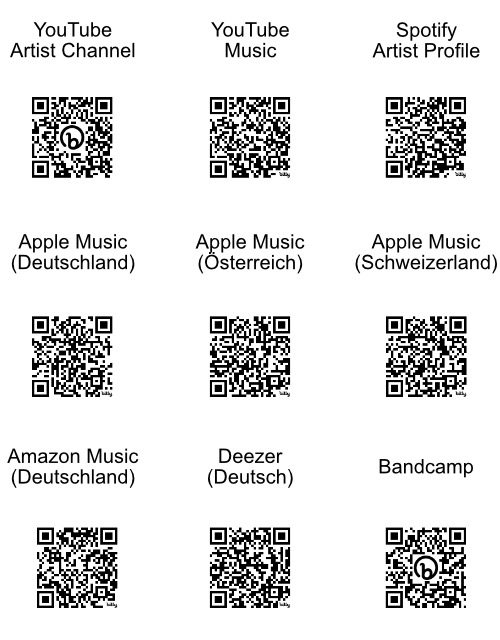
Jean-Michel Serres Apfel Cafe Apfelsaft Cinema Music QR-Kodes Mitte Deutsch 2024.

Notes on Sicilienne, Op. 78 by Gabriel Fauré, information, analysis and performances

Overview

🎼 Overview:

Sicilienne, Op. 78 is a work originally composed in 1893 for (unfinished) incidental music entitled Pelléas et Mélisande. Fauré later adapted it for several formations, including flute (or cello) and piano, and it became one of his most popular pieces.

🎶 Musical characteristics:

Style: French Romantic, with impressionistic touches.

Form : Sicilienne – a baroque dance in ternary rhythm (6/8 or 12/8), often slow and melancholy.

Key: Generally in G minor, which reinforces the gentle, melancholy atmosphere.

Melody: Very lilting, flowing, almost vocal – a lyrical line typical of Fauré.

Accompaniment: Delicate, often in arpeggios or regular swaying, reminiscent of the movement of a boat on water.

🎻 Colours and atmosphere:

The piece evokes a gentle nostalgia, a quiet melancholy, but never heavy. It gives the impression of an elegant reverie, between light and shadow. It can be interpreted as a poetic meditation, full of finesse.

📚 Interesting little detail:

Although it became famous independently, the Sicilienne was later reintegrated into the orchestral adaptation of the incidental music for Pelléas et Mélisande, and is often performed in this context as well.

History

In 1893, Gabriel Fauré, then at the height of his powers, was commissioned to write the music for a play: Molière’s Le Bourgeois gentilhomme, in a version modernised by the poet Paul Armand Silvestre. In this context, Fauré composed a small, graceful instrumental piece tinged with melancholy: La Sicilienne. It was initially conceived for flute, strings and harp – a light and transparent instrumentation, in the image of the baroque dance whose name it bears.

But the theatrical production was eventually abandoned before it even saw the light of day. La Sicilienne, on the other hand, escaped oblivion. Fauré kept it preciously in his notebooks, aware of its simple beauty and its potential. A few years later, in 1898, he received another commission: this time to set Pelléas et Mélisande, Maeterlinck’s famous symbolist work. He then remembered this abandoned Sicilienne and decided to incorporate it into his new orchestral score.

What began as a fragment written for a light comedy became a suspended moment in a profoundly poetic and mysterious work. La Sicilienne takes on a new, deeper, more interior life. It is more than a simple dance: it is a gentle breath, an elegant sigh, a musical reverie.

Fauré later adapted the piece for different formations, notably for flute (or cello) and piano. And it was in this version that it became one of his best-known and most frequently performed works, loved for its discreet charm, its clarity, and the veil of tender sadness that runs through it without ever weighing it down.

Fauré’s Sicilienne was born twice: first as a theatrical entertainment, then as a moment of grace in a Symbolist world. And if it continues to touch hearts today, it’s no doubt because it seems to speak softly, like a whisper from another time.

Chronology

With pleasure. Here is the chronology of Gabriel Fauré’s Sicilienne, Op. 78, told in a fluid way, like a little story through time.

It all began in 1893. Gabriel Fauré, a respected but still discreet composer, was asked to write incidental music for a modernised version of Molière’s Bourgeois gentilhomme, rewritten by his friend Paul Armand Silvestre. Enthusiastic, Fauré composed a series of pieces, including a delicate dance in a swinging rhythm: the Sicilienne. The work was written for a small instrumental ensemble – flute, strings and harp – and immediately stood out for its grace and refined melancholy.

But the theatrical project fell through: the production was cancelled before it could see the light of day. La Sicilienne, however, did not disappear. Fauré, sensing its poetic potential, set it aside.

A few years passed. In 1898, he was commissioned to write new incidental music, this time for Maurice Maeterlinck’s symbolist play Pelléas et Mélisande, to be performed in London. It was at this time that Fauré brought out his Sicilienne. He rearranged it slightly to fit in better with the mysterious, misty atmosphere of the play. It thus found its place in the orchestral version of the Suite Pelléas et Mélisande, where it became one of the most popular moments.

Shortly afterwards, Fauré decided to make a version for cello and piano (or flute and piano), which became the official Opus 78, also published in 1898. This intimate version, ideal for salons and recitals, helped to make the piece known far beyond the circle of initiates.

Over the course of the twentieth century, the Sicilienne became a key work in the French Romantic repertoire. It was transcribed for many instruments, played by the greatest soloists, and often used in films, broadcasts and even advertisements to evoke elegance, nostalgia or a certain sweetness of the past.

From 1893 to the present day, the Sicilienne has enjoyed a discreet but brilliant life, going from abandoned project to timeless miniature, proof that sometimes the most delicate works are those that stand the test of time most gracefully.

Successful piece of its time?

An excellent question! And the answer is nuanced, for the success of Sicilienne, Op. 78 was not immediate, but gradual – almost like the piece itself: discreet, elegant, and full of subtlety.

🌟 A modest success at first

When Sicilienne was published in 1898, it was not immediately a huge salon ‘hit’ like some popular works of the time. Fauré, though esteemed in artistic and intellectual circles, was not yet a dominant figure among the general public. His refined, intimate style, sometimes a little ‘introspective’, did not have the same immediate appeal as that of more flamboyant composers such as Saint-Saëns or Massenet.

The piece was first known through the incidental music for Pelléas et Mélisande, performed in London in 1898. It was well received there, but mainly in cultivated circles. It was not until the version for solo instrument and piano (cello or flute) was published the same year that Sicilienne began to win a wider audience.

📖 Sheet music sales

The piano scores (particularly the reduction for solo instrument + piano) sold reasonably well, especially in the circles of amateur musicians and the salons of the cultivated bourgeoisie. It is technically quite accessible, which made it a popular piece for study or private concerts.

It was not an immediate commercial success, but it has gone down in history as a jewel of the French Romantic repertoire. Its melancholic elegance and apparent simplicity ensured it a long life, well beyond the effervescent fashions of the time.

🎼 To sum up

No, Sicilienne was not a great popular success on its release, but it was appreciated in refined circles. And yes, the piano scores sold well, especially as Fauré’s fame grew. Today, it is one of his most-played works, proof that silent grace can sometimes win out over flashy success.

Episodes and anecdotes

Gabriel Fauré’s Sicilienne, Op. 78, for all its gentle simplicity, conceals some interesting and even somewhat unexpected episodes behind the scenes. Here are a few anecdotes and memorable moments linked to this discreet but enduring piece.

🎭 1. Music for a play that never saw the light of day

La Sicilienne was composed in 1893 for an adaptation of Molière’s Bourgeois gentilhomme, revised by the poet Paul Armand Silvestre. Fauré wrote several pieces for this production, including this charming Sicilienne. But the theatre project fell through before it could even be staged.
The result? La Sicilienne was shelved for five years. A ghost play, forgotten, until Fauré resurrected it for another project…

🎟️ 2. A ‘recycling’ of genius in Pelléas et Mélisande

In 1898, when he was commissioned to write the incidental music for Pelléas et Mélisande, Fauré thought again about this abandoned Sicilienne. He re-orchestrated it and integrated it into this new work. A bit like a craftsman who finds a precious fabric to make a made-to-measure garment.

This musical recycling is one of the most elegant in French music: a light piece intended for a comedy becomes a poetic moment at the heart of a symbolist drama. And yet it fits in perfectly, proof of the universality of its musical colour.

📖 3. Conservatoire anecdote: the students love it

Fauré, who was director of the Paris Conservatoire from 1905 to 1920, often saw his Sicilienne played by the students. It was highly prized as a study piece, providing an opportunity to work on phrasing, breathing (for flautists), bowing (for cellists) and expression, while remaining technically accessible.
Fauré is said to have smiled when he heard his pupils play it – a little astonished that this little piece, originally almost accidental, should become a pedagogical standard.

🎬 4. An unwitting film star

Over time, the Sicilienne has become a veritable sonic cliché of French refinement. We hear her in films, documentaries, adverts… always to evoke something nostalgic, elegant or tender. Its style is so recognisable that some directors have used it as an emotional shorthand.
It has even appeared in several films in the background of intimate or melancholy scenes – almost like an inner voice.

🧡 5. Fauré didn’t think much of it…

Fun fact: Fauré himself did not consider the Sicilienne to be one of his great works. He spoke of it lightly, as a ‘pretty thing’, but without giving it the emotional weight it is given today. He was probably thinking of his more ambitious works, such as his sonatas, quartets and Requiem.

And yet it was this graceful little piece that conquered the world.

Music features

With pleasure! Let’s talk about the musical characteristics of Gabriel Fauré’s Sicilienne, Op. 78, a piece that is both simple in appearance and subtle in depth. Its delicate style and haunting atmosphere are based on several compositional choices that are very typical of Fauré – and very effective.

🎼 Rhythm: the dance in the background

La Sicilienne takes its name from a Baroque dance, the sicilienne, generally in 6/8 or 12/8 time, with a swaying, almost lulling movement. Fauré takes up this model in his own way: a supple, undulating rhythm, often based on a dotted eighth note – sixteenth note motif, giving the impression of graceful but slightly veiled movement, like a boat on calm water.

This steady rhythm contributes to the hypnotic aspect of the piece, with the sensation of gently floating through time.

🎵 The melody: an inner song

Fauré is a master of the lilting melodic line, and here he deploys a gentle, sinuous, almost vocal melody that seems to tell a story without words. It rises and falls, with natural inflections, like a spoken phrase.
The apparent simplicity of the melody conceals a real finesse: the intervals are carefully chosen, the tensions are gentle but sensitive, and each note seems to be placed there with poetic precision.

🎹 The accompaniment: delicate and enveloping

In the piano version, the accompaniment is based on supple, continuous arpeggios that support the melody without ever overwhelming it. The piano does not shine for virtuosity, but for its regular, transparent breath, which acts almost like a veil of mist beneath the solo line.

There are occasional alternations of chords between the hands, creating a swaying effect that is very characteristic of the Sicilian.

🎭 The key: between light and shade

The piece is in G minor, a key that in Fauré often has a nostalgic colour, gentle but never despairing.
Fauré plays with subtle modulations, particularly towards the major (B flat major, relative) to create fleeting brightenings, like passages of light between clouds. It avoids sudden contrasts: everything is melted, nuanced, fluid.

🎨 Harmony: typically Faurean

Fauré has a very personal harmonic style: here we find unexpected but natural chord progressions, discreet modulations, and enriched chords (with sevenths, ninths) that give a sense of depth without ever weighing down the discourse.

He also uses chromatic passing notes, which create a sense of emotional floating – a gentle but poignant tension.

🎻 Instrumentation: refined and intimate

In the orchestral version (for Pelléas et Mélisande), the Sicilienne is orchestrated with finesse, thanks in particular to the flute, which adds a pastoral touch, and the light strings, which envelop the whole in a cottony softness.

In the chamber versions (flute/piano or cello/piano), the piece retains this quality of confidence, like a musical whisper between two performers.

💫 To sum up:

La Sicilienne is a balanced, fluid, interior piece, where everything is about subtlety: dancing rhythm without exuberance, lilting melody without emphasis, refined harmony without overload. It is the perfect embodiment of that understated elegance we associate with Fauré – and with French music of the Belle Époque.

Analysis, Tutorial, interpretation and important playing points

Sicilienne, Op. 78 by Fauré, not just as a listener, but as a pianist. Whether you’re a student or an experienced performer, this piece is a lesson in musicality, breathing and finesse. Here, then, is a lively analysis, a short tutorial, interpretative advice, and the essential points to remember when playing it on the piano.

🎼 1. Overall analysis (form, structure, tonality)

The Sicilienne is structured in binary form with a modified reprise, rather like a flexible ABA’, with integrated transitions:

Section A (G minor): the exposition of the famous melody – gentle, nostalgic.

Section B (modulations): exploration of neighbouring keys (notably B flat major, relative major), melodic and climatic variations.

Return A’: a transformed recapitulation, often more intimate, with an effect of withdrawal, like a slowly recurring memory.

The key of G minor is central, but Fauré modulates finely, always with fluidity and discretion, making the harmony a little buoyant, as if suspended.

🎹 2. Tutorial – How to approach the piece on the piano

a. Work on the accompaniment first

The piano in this work is not there to shine, but to support, breathe, colour. Start by reading the accompaniment alone (especially the left hand), in slow arpeggios, to get a feel for the rhythmic sway. The aim is to achieve a smooth, regular ripple, like a calm sea.
Think of the dotted eighth note rhythm – a typical Sicilian sixteenth note (in 6/8 time), but played lightly.

b. Working the melody line like a song

Next, concentrate on the right-hand melody (or the solo part if you are playing the accompaniment alone). Play it sung, with breath, as if it were played by a cello or sung by a soft voice. Work on supple rests, long notes and the end of phrases: they should dissolve naturally, like a sigh.

c. Putting together with attention to phrasing

Once both hands are secure, play slowly, avoiding any dryness. Fauré is a composer of connection, of gentle legato, of suspended time. Look for a transparency of sound: the piano should evoke the harp, or a light canvas.

🎭 3 Interpretation – How to tell a story

Fauré doesn’t write anything violent here. No big waves, no excess. What you tell is a memory, a gentle pain, or a light filtered through the veils of the past.

Subtly nuanced: this piece doesn’t need fortissimo. Instead, work with pianos, gentle crescendos and natural diminuendos.

Discreet rubato: a few rhythmic inflections are welcome, but always tastefully, without weighing the piece down. Allow the ends of phrases to breathe.

Transitions: work on modulations and section changes as changes of mood, not as ruptures.

✅ 4. Important points to remember when playing the piece

Breathing: never play ‘in strict measure’ – think in natural breathing, like a whispered poem.

Balance: the melody should always float above the accompaniment, even in the denser parts.

Tonality and colour: follow the modulations like a walk through a changing landscape – play with the colour of the harmonies.

Assumed simplicity: don’t try to do ‘more’, try to do ‘just right’.

Expressive silence: the little silences between phrases are essential. They say as much as the notes.

🎧 5. A listening tip before playing

Listen to the Sicilienne performed by cellists or flutists (e.g. Jean-Pierre Rampal, Jacqueline du Pré, Emmanuel Pahud, etc.). This will give you another breath, a way of imagining the melody that is not pianistic. Then bring this musicality back to your keyboard.

Great performances and recordings

Gabriel Fauré’s La Sicilienne, Op. 78 is best known for its versions for cello and piano or for orchestra. However, there are also notable interpretations of this work for solo piano. Here are a few remarkable recordings.

Jean-Philippe Collard: A French pianist renowned for his interpretation of Fauré’s works, he has recorded the Sicilienne in its solo piano version. His recording appears on the album Fauré: Piano Works, Chamber Music, Orchestral Works & Requiem.

Simon Crawford-Phillips: British pianist, he performed the Sicilienne in a version for solo piano.

Gabriele Tomasello: Italian pianist, he performed the Sicilienne in a solo piano version.

It should be noted that Fauré himself made a recording of his Sicilienne at the piano, captured on a mechanical piano roll, thus offering a direct insight into his personal interpretation.

These recordings offer a variety of perspectives on the performance of the Sicilienne for solo piano, each bringing its own unique sensibility and approach to Fauré’s iconic work.

Other performances and recordings

Gabriel Fauré’s Sicilienne, Op. 78, although best known in its versions for cello and piano or for orchestra, has also been transcribed and performed as solo piano by a number of artists. Here are a few notable recordings.

Kathleen Long

British pianist Kathleen Long has made recordings of several works by Fauré, including the Sicilienne. Her interpretation is renowned for its elegance and finesse, capturing the essence of Fauré’s music.

Germaine Thyssens-Valentin

French pianist Germaine Thyssens-Valentin was one of the first to record the complete piano works of Fauré in the 1950s. Her version of the Sicilienne has been hailed for its authentic approach and emotional depth.

Jean Hubeau

French pianist and teacher Jean Hubeau has also recorded the Sicilienne as part of his exploration of Fauré’s works. His interpretation is appreciated for its precision and expressiveness.

Simon Crawford-Phillips

British pianist Simon Crawford-Phillips has offered a contemporary interpretation of the Sicilienne.

These recordings offer a variety of interpretations of the Sicilienne for solo piano, each providing a unique perspective on this emblematic work by Fauré.

Interpretations and recordings by other ensembles

Gabriel Fauré’s Sicilienne, Op. 78 is a very popular piece, often performed in a variety of formations beyond the original version for flute and piano. It has been transcribed and recorded many times for various instruments and ensembles. Here are some notable performances in different ensembles:

🎻 Version for cello and piano

Jacqueline du Pré (cello) and Gerald Moore (piano)

Mischa Maisky (cello) and Daria Hovora (piano)

🎻 Version for violin and piano

Joshua Bell (violin) and Paul Coker (piano)

Itzhak Perlman (violin) and Samuel Sanders (piano)

🎼 Orchestral version

Jean-Pierre Rampal (flute) with the Orchestre de chambre Jean-François Paillard

James Galway (flute) with London Symphony Orchestra, conducted by Andrew Davis

Emmanuel Pahud (flute) with Orchestre de Paris, conducted by Marc Minkowski

🎹 Version for solo piano (transcription)

Performed by Jean-Philippe Collard

Transcription also played by Pascal Rogé

🪗 Version for various instruments / original arrangements

Guitar and flute : Jean-Pierre Rampal and Alexandre Lagoya

Harp and flute: Lily Laskine and Jean-Pierre Rampal

Clarinet and piano: Sharon Kam (clarinet), Itamar Golan (piano)

In the soundtrack

Gabriel Fauré’s La Sicilienne, Op. 78 has been used many times in film because of its lyricism, delicacy and subtle melancholy. Here are some notable films where the piece appears as a soundtrack:

🎬 Films where Sicilienne is used:

1. ‘Crimes and Misdemeanors’ – 1989, by Woody Allen

The Sicilienne is used in an introspective and emotional scene.

Performance: version for flute and orchestra.

2. ‘Le Château de ma mère’ – 1990, by Yves Robert

Film based on the work by Marcel Pagnol.

The Sicilian woman appears in a nostalgic, pastoral atmosphere.

She reinforces the poetic tone of the childhood story.

3. ‘The Good Wife (TV series)

Used occasionally in a dramatic scene.

It accompanies a moment of emotional tension, emphasising the interiority of the characters.

🎞 Other uses (less directly referenced):

It is sometimes heard in documentaries, period films or romantic dramas, particularly in French or Anglo-Saxon contexts where a classical, elegant touch is desired.

(This article was generated by ChatGPT. And it’s just a reference document for discovering music you don’t know yet.)

Classic Music Content Page

Best Classical Recordings
on YouTube

Best Classical Recordings
on Spotify
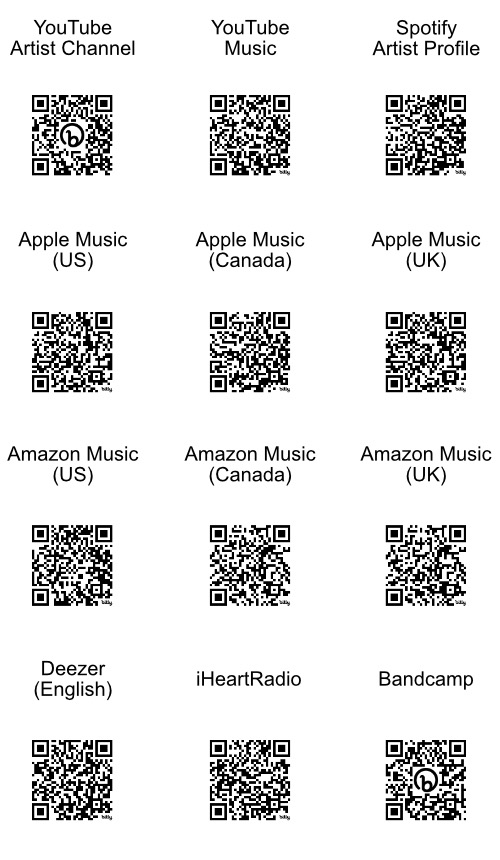
Jean-Michel Serres Apfel Café Music QR Codes Center English 2024.