Notes on Joachim Raff (1822–1882) and His Works

Overview

Joachim Raff (1822–1882) was a Swiss-German composer, best known for his symphonic and chamber works. Though largely overlooked today, he was highly respected in the 19th century and played a significant role in the transition between Romanticism and later symphonic developments.

Overview of His Life and Work

Early Life & Influence of Mendelssohn and Liszt
Raff was largely self-taught in music but gained recognition through the support of Felix Mendelssohn. Later, he worked closely with Franz Liszt in Weimar, assisting in orchestrating some of Liszt’s symphonic poems.

Compositional Style

His music balances classical form with Romantic expressiveness, often displaying intricate counterpoint and rich orchestration. While influenced by Liszt, his style is more conservative, aligning with composers like Mendelssohn and Schumann.

Notable Works

Symphonies – His Symphony No. 3 “Im Walde” (1869) was one of his most popular and frequently performed works in the 19th century.
Chamber Music – String quartets, piano trios, and violin sonatas that showcase his refined craftsmanship.
Piano Works – Highly regarded during his time, some pieces resemble the virtuosic writing of Chopin and Liszt.
Opera and Choral Music – Though less performed today, Raff also composed operas and choral works.

Legacy

Despite his success in the 19th century, his music faded from mainstream concert programs after his death. However, there has been a resurgence of interest in his symphonies and chamber works, particularly among historical music enthusiasts.

Would you like recommendations for Raff’s works that might interest you, based on your preferences for French Impressionism and modernist piano composers?

History

Joachim Raff’s life was one of struggle, perseverance, and eventual recognition, though his fame would prove fleeting. Born in 1822 in the Swiss town of Lachen, he did not come from a musical family, nor did he receive formal training in composition. Instead, he was largely self-taught, developing his craft through intense study and experimentation. His early years were spent working as a schoolteacher, but his passion for music soon took precedence over any conventional career path.

In his twenties, Raff sent some of his compositions to Felix Mendelssohn, who was deeply impressed and arranged for their publication. This endorsement encouraged Raff to leave Switzerland for Germany, where he hoped to establish himself as a composer. However, this period was marked by hardship—he lived in near poverty, struggling to gain a foothold in the competitive world of German music.

A major turning point came in 1849, when he met Franz Liszt in Weimar. Liszt, at the time one of Europe’s most celebrated musicians, recognized Raff’s talents and took him under his wing. Raff worked closely with Liszt, assisting in orchestrating several of Liszt’s symphonic poems. Yet, despite the prestige of working alongside such a giant, this arrangement was not entirely satisfying for Raff. Liszt was a towering figure in music, and his influence was overwhelming; Raff longed to establish his own voice rather than merely support another’s artistic vision.

By the 1860s, he had moved to Wiesbaden, where he finally found stability and the freedom to compose as he wished. Over the next two decades, he became one of the most prolific and respected composers in Germany. His symphonies, in particular, gained considerable popularity, with works such as Symphony No. 3, “Im Walde” (In the Forest) capturing the public’s imagination. His music, while rooted in the Romantic tradition, displayed an independent spirit—he blended the lyrical qualities of Mendelssohn with the dramatic power of Beethoven, while incorporating the orchestral color and programmatic elements championed by Liszt.

His success led to his appointment in 1877 as the first director of the Hoch Conservatory in Frankfurt, a prestigious position that allowed him to shape the next generation of musicians. During these years, he continued to compose, expanding his output to include operas, choral works, and a significant amount of chamber music.

But while Raff had achieved fame in his lifetime, his reputation did not endure. After his death in 1882, musical tastes shifted. The late 19th and early 20th centuries saw the rise of composers with stronger, more revolutionary voices—Brahms, Wagner, and later, Mahler and Debussy—whose music overshadowed Raff’s. His works, once widely performed, faded from concert programs, and his name gradually slipped into obscurity.

Yet, history has a way of rediscovering lost voices. In recent decades, a growing interest in neglected Romantic composers has led to a reassessment of Raff’s music. His symphonies and chamber works, in particular, have been revived, revealing a composer of remarkable craftsmanship, capable of great beauty and originality. Though he may never regain the stature he held in his own time, Raff’s music continues to find new audiences, ensuring that his legacy, while once nearly forgotten, is not entirely lost.

Chronology

Early Life and Education (1822–1844)
1822 – Born on May 27 in Lachen, Switzerland.
1830s – Receives an education in classical languages and sciences; shows an early talent for music but remains largely self-taught.
1840s – Works as a schoolteacher while composing music on his own.
Early Struggles and Recognition (1844–1849)
1844 – Sends his early piano compositions to Felix Mendelssohn, who praises them and helps get them published.
1845 – Leaves teaching to pursue music in Germany, facing financial hardships.
1849 – Meets Franz Liszt in Weimar and becomes his assistant, orchestrating some of Liszt’s symphonic poems.
Finding His Own Voice (1850–1863)
1850s – Works closely with Liszt but grows frustrated with being in his shadow. Begins to develop his own compositional style.
1856 – Marries Doris Genast, an actress from Weimar.
1863 – Moves to Wiesbaden, finally achieving some financial stability.
Rise to Fame (1864–1876)
1869 – Composes Symphony No. 3, “Im Walde” (In the Forest), which becomes his most popular orchestral work.
1870s – Gains widespread recognition as a leading symphonic composer in Germany.
Director of the Hoch Conservatory (1877–1882)
1877 – Becomes the first director of the Hoch Conservatory in Frankfurt, a prestigious teaching position.
1878–1882 – Continues composing, focusing on operas, symphonies, and chamber music.
Death and Legacy (1882–Present)
1882 – Dies on June 24 in Frankfurt, Germany.
Late 19th–20th century – His music falls into obscurity as composers like Brahms and Wagner dominate concert programs.
Late 20th century–Present – A revival of interest in his symphonies and chamber works leads to new recordings and performances.

Characteristics of Music

Musical Characteristics of Joachim Raff

Joachim Raff’s music blends elements of Classical structure with Romantic expressiveness, standing between the traditions of Mendelssohn and Schumann and the more progressive ideas of Liszt and Wagner. His works are characterized by lyrical melodies, rich orchestration, and formal clarity, yet they also contain programmatic elements and bold harmonies that show the influence of the New German School (led by Liszt and Wagner).

1. Classical Formal Balance with Romantic Expression

Raff maintained a strong connection to classical forms, particularly in his symphonies and chamber music. Unlike Liszt, who often abandoned strict structures in favor of freer forms, Raff balanced thematic development within established classical forms such as sonata form and rondo. His music follows clear structures but is infused with Romantic warmth and lyricism.

2. Melodic and Lyrical Writing

His melodies are elegant and songlike, often recalling the lyricism of Mendelssohn. He had a natural gift for writing memorable themes, particularly in slow movements and scherzos. His works frequently feature long, flowing lines and richly harmonized melodies.

3. Rich Orchestration and Colorful Tone Painting

Raff was a master orchestrator, developing a highly colorful and detailed orchestral texture. His works, especially his symphonies, use a wide palette of timbres to create atmospheric effects.

His Symphony No. 3, “Im Walde” (In the Forest) is an excellent example of his nature-inspired tone painting, similar to Berlioz and early Strauss.
He used the woodwinds and strings expressively, often layering them to create shimmering textures.

4. Programmatic Elements

Though he did not completely abandon absolute music, many of his works contain programmatic or descriptive elements, similar to Liszt and Berlioz. His symphonies and orchestral works often depict landscapes, emotions, or poetic imagery, though they remain structured and do not dissolve into free-form tone poems.

5. Chromaticism and Harmonic Innovation

While Raff’s harmonic language was generally conservative, he incorporated chromaticism and bold modulations influenced by Liszt and Wagner. His harmonies often feature unexpected key changes and adventurous progressions, giving his music a sense of emotional depth. However, he never went as far as Wagner in abandoning traditional harmonic resolutions.

6. Virtuosic but Refined Piano Writing

Raff was also a skilled pianist, and his piano music reflects both virtuosity and poetic expression. His works resemble those of Chopin and Liszt, balancing technical brilliance with delicate lyricism. His Études and character pieces show a strong command of keyboard textures and imaginative harmonic shifts.

7. Influence on Later Composers

Though overshadowed by contemporaries like Brahms and Wagner, Raff influenced later composers in orchestration and thematic development. His symphonic style, particularly its combination of classical form and colorful orchestration, foreshadows the works of Richard Strauss and even Mahler.

Conclusion

Raff’s music occupies a unique position—bridging the gap between Classical formalism and Romantic expressivity, between the absolute music of Brahms and the programmatic tendencies of Liszt and Berlioz. His symphonies and chamber works, once highly regarded, are being rediscovered for their melodic beauty, inventive orchestration, and expressive depth.

History

Joachim Raff’s life was one of struggle, perseverance, and eventual recognition, though his fame would prove fleeting. Born in 1822 in the Swiss town of Lachen, he did not come from a musical family, nor did he receive formal training in composition. Instead, he was largely self-taught, developing his craft through intense study and experimentation. His early years were spent working as a schoolteacher, but his passion for music soon took precedence over any conventional career path.

In his twenties, Raff sent some of his compositions to Felix Mendelssohn, who was deeply impressed and arranged for their publication. This endorsement encouraged Raff to leave Switzerland for Germany, where he hoped to establish himself as a composer. However, this period was marked by hardship—he lived in near poverty, struggling to gain a foothold in the competitive world of German music.

A major turning point came in 1849, when he met Franz Liszt in Weimar. Liszt, at the time one of Europe’s most celebrated musicians, recognized Raff’s talents and took him under his wing. Raff worked closely with Liszt, assisting in orchestrating several of Liszt’s symphonic poems. Yet, despite the prestige of working alongside such a giant, this arrangement was not entirely satisfying for Raff. Liszt was a towering figure in music, and his influence was overwhelming; Raff longed to establish his own voice rather than merely support another’s artistic vision.

By the 1860s, he had moved to Wiesbaden, where he finally found stability and the freedom to compose as he wished. Over the next two decades, he became one of the most prolific and respected composers in Germany. His symphonies, in particular, gained considerable popularity, with works such as Symphony No. 3, “Im Walde” (In the Forest) capturing the public’s imagination. His music, while rooted in the Romantic tradition, displayed an independent spirit—he blended the lyrical qualities of Mendelssohn with the dramatic power of Beethoven, while incorporating the orchestral color and programmatic elements championed by Liszt.

His success led to his appointment in 1877 as the first director of the Hoch Conservatory in Frankfurt, a prestigious position that allowed him to shape the next generation of musicians. During these years, he continued to compose, expanding his output to include operas, choral works, and a significant amount of chamber music.

But while Raff had achieved fame in his lifetime, his reputation did not endure. After his death in 1882, musical tastes shifted. The late 19th and early 20th centuries saw the rise of composers with stronger, more revolutionary voices—Brahms, Wagner, and later, Mahler and Debussy—whose music overshadowed Raff’s. His works, once widely performed, faded from concert programs, and his name gradually slipped into obscurity.

Yet, history has a way of rediscovering lost voices. In recent decades, a growing interest in neglected Romantic composers has led to a reassessment of Raff’s music. His symphonies and chamber works, in particular, have been revived, revealing a composer of remarkable craftsmanship, capable of great beauty and originality. Though he may never regain the stature he held in his own time, Raff’s music continues to find new audiences, ensuring that his legacy, while once nearly forgotten, is not entirely lost.

Chronology

Early Life and Education (1822–1844)
1822 – Born on May 27 in Lachen, Switzerland.
1830s – Receives an education in classical languages and sciences; shows an early talent for music but remains largely self-taught.
1840s – Works as a schoolteacher while composing music on his own.
Early Struggles and Recognition (1844–1849)
1844 – Sends his early piano compositions to Felix Mendelssohn, who praises them and helps get them published.
1845 – Leaves teaching to pursue music in Germany, facing financial hardships.
1849 – Meets Franz Liszt in Weimar and becomes his assistant, orchestrating some of Liszt’s symphonic poems.
Finding His Own Voice (1850–1863)
1850s – Works closely with Liszt but grows frustrated with being in his shadow. Begins to develop his own compositional style.
1856 – Marries Doris Genast, an actress from Weimar.
1863 – Moves to Wiesbaden, finally achieving some financial stability.
Rise to Fame (1864–1876)
1869 – Composes Symphony No. 3, “Im Walde” (In the Forest), which becomes his most popular orchestral work.
1870s – Gains widespread recognition as a leading symphonic composer in Germany.
Director of the Hoch Conservatory (1877–1882)
1877 – Becomes the first director of the Hoch Conservatory in Frankfurt, a prestigious teaching position.
1878–1882 – Continues composing, focusing on operas, symphonies, and chamber music.
Death and Legacy (1882–Present)
1882 – Dies on June 24 in Frankfurt, Germany.
Late 19th–20th century – His music falls into obscurity as composers like Brahms and Wagner dominate concert programs.
Late 20th century–Present – A revival of interest in his symphonies and chamber works leads to new recordings and performances.

Characteristics of Music

Joachim Raff’s music blends elements of Classical structure with Romantic expressiveness, standing between the traditions of Mendelssohn and Schumann and the more progressive ideas of Liszt and Wagner. His works are characterized by lyrical melodies, rich orchestration, and formal clarity, yet they also contain programmatic elements and bold harmonies that show the influence of the New German School (led by Liszt and Wagner).

1. Classical Formal Balance with Romantic Expression
Raff maintained a strong connection to classical forms, particularly in his symphonies and chamber music. Unlike Liszt, who often abandoned strict structures in favor of freer forms, Raff balanced thematic development within established classical forms such as sonata form and rondo. His music follows clear structures but is infused with Romantic warmth and lyricism.

2. Melodic and Lyrical Writing
His melodies are elegant and songlike, often recalling the lyricism of Mendelssohn. He had a natural gift for writing memorable themes, particularly in slow movements and scherzos. His works frequently feature long, flowing lines and richly harmonized melodies.

3. Rich Orchestration and Colorful Tone Painting
Raff was a master orchestrator, developing a highly colorful and detailed orchestral texture. His works, especially his symphonies, use a wide palette of timbres to create atmospheric effects.

His Symphony No. 3, “Im Walde” (In the Forest) is an excellent example of his nature-inspired tone painting, similar to Berlioz and early Strauss.
He used the woodwinds and strings expressively, often layering them to create shimmering textures.
4. Programmatic Elements
Though he did not completely abandon absolute music, many of his works contain programmatic or descriptive elements, similar to Liszt and Berlioz. His symphonies and orchestral works often depict landscapes, emotions, or poetic imagery, though they remain structured and do not dissolve into free-form tone poems.

5. Chromaticism and Harmonic Innovation
While Raff’s harmonic language was generally conservative, he incorporated chromaticism and bold modulations influenced by Liszt and Wagner. His harmonies often feature unexpected key changes and adventurous progressions, giving his music a sense of emotional depth. However, he never went as far as Wagner in abandoning traditional harmonic resolutions.

6. Virtuosic but Refined Piano Writing
Raff was also a skilled pianist, and his piano music reflects both virtuosity and poetic expression. His works resemble those of Chopin and Liszt, balancing technical brilliance with delicate lyricism. His Études and character pieces show a strong command of keyboard textures and imaginative harmonic shifts.

7. Influence on Later Composers
Though overshadowed by contemporaries like Brahms and Wagner, Raff influenced later composers in orchestration and thematic development. His symphonic style, particularly its combination of classical form and colorful orchestration, foreshadows the works of Richard Strauss and even Mahler.

Conclusion

Raff’s music occupies a unique position—bridging the gap between Classical formalism and Romantic expressivity, between the absolute music of Brahms and the programmatic tendencies of Liszt and Berlioz. His symphonies and chamber works, once highly regarded, are being rediscovered for their melodic beauty, inventive orchestration, and expressive depth.

Relationships

1. Composers

Franz Liszt (1811–1886) – Mentor, Employer, and Rival

Raff worked for Liszt in Weimar (1849–1856), assisting in orchestrating Liszt’s symphonic poems.
He grew resentful of not receiving enough credit for his work and eventually distanced himself.
Though influenced by Liszt’s ideas, he rejected Liszt’s extreme innovations, favoring more classical structures.

Felix Mendelssohn (1809–1847) – Early Supporter

Mendelssohn helped get Raff’s early piano works published in 1844, giving him credibility.
Raff admired Mendelssohn’s balance of form and melody, which influenced his own compositional style.

Richard Wagner (1813–1883) – Indirect Influence and Critic

Raff was never directly connected to Wagner but was aware of his influence.
Though initially aligned with the New German School (Liszt/Wagner), he later opposed Wagnerian excesses.
He wrote critically about Wagner’s approach in his book “Die Wagnerfrage” (The Wagner Question).

Hans von Bülow (1830–1894) – Conductor and Advocate

As a conductor, von Bülow promoted and conducted Raff’s works, helping to spread his reputation.
He admired Raff’s symphonic writing and performed his works in major concert halls.

Clara Schumann (1819–1896) – Contemporary Pianist and Possible Influence

While no direct correspondence exists, Clara was active when Raff was composing piano music, and their circles overlapped.
Some of Raff’s works reflect the lyrical and virtuosic qualities of Schumann’s music.

Joseph Joachim (1831–1907) – Violinist and Potential Performer of Raff’s Works

Joachim, a close associate of Brahms, was one of the most important violinists of the time.
Raff composed significant violin music, including sonatas and concert works, which Joachim may have encountered.

Engelbert Humperdinck (1854–1921) – Student and Later Opera Composer

Humperdinck studied at the Hoch Conservatory in Frankfurt while Raff was its director.
Raff influenced his early musical development before Humperdinck moved toward Wagnerian styles.

2. Performers and Conductors

Hans Richter (1843–1916) – Conductor of Raff’s Works

Richter was an important conductor of the late 19th century, leading orchestras that performed Raff’s symphonies.
He was a key figure in Vienna’s musical scene and championed Romantic composers.

Theodore Thomas (1835–1905) – American Conductor and Promoter of Raff’s Works

Thomas, an early advocate of European orchestral music in America, introduced Raff’s works to U.S. audiences.
His performances helped establish Raff’s international reputation.

3. Orchestras and Institutions

Leipzig Gewandhaus Orchestra

One of Germany’s premier orchestras, which likely performed Raff’s works, especially in the 1860s and 1870s.
Leipzig was a major center of Romantic symphonic music.

Berlin Philharmonic Orchestra

During Raff’s lifetime, Berlin was an important hub for orchestral music, and his works were performed there.

Hoch Conservatory, Frankfurt (Founded 1878) – Raff as First Director

Raff became the first director and shaped the school’s curriculum.
He focused on a balance between traditional and progressive music education.
Notable students included Engelbert Humperdinck and Bernhard Stavenhagen.

4. Non-Musicians

Doris Genast – Wife and Actress

Raff married Doris Genast, a well-known actress from Weimar, in 1856.
Her family was connected to the German theater scene, which may have influenced Raff’s interest in dramatic music.

Johann Carl Eschenburg – Publisher and Supporter

Eschenburg published many of Raff’s early works, helping him gain financial stability.

Ludwig Stark (1831–1884) – Music Theorist and Co-Founder of the Hoch Conservatory

Raff worked alongside Stark at the Hoch Conservatory, where they influenced music education in Germany.

5. Later Influence and Rediscovery

Bernhard Stavenhagen (1862–1914) – Liszt’s Student and Later Conductor of Raff’s Music

Though more closely associated with Liszt, Stavenhagen also promoted Raff’s works in the late 19th century.

20th–21st Century – Revival of Interest

In recent decades, conductors and musicians have revived interest in Raff’s symphonies, chamber music, and piano works.
Recordings by orchestras such as the Bamberg Symphony Orchestra and Radio-Sinfonieorchester Stuttgart have contributed to his rediscovery.

Conclusion

Raff was deeply embedded in the musical world of his time, working closely with Liszt, Mendelssohn, and von Bülow, influencing later composers such as Humperdinck, and having his works performed by leading orchestras and conductors in Germany and beyond. His role as director of the Hoch Conservatory helped shape music education in Frankfurt, and his influence extended into both performance and composition.

Similar Composers

Joachim Raff’s music blends Classical structure with Romantic expressiveness, balancing the influences of Mendelssohn and Schumann with the orchestral color of Liszt and Berlioz. His symphonies, chamber works, and piano music share characteristics with several other composers of the 19th century. Below are some composers with similar styles and influences.

1. Felix Draeseke (1835–1913)

A contemporary of Raff, Draeseke also worked in Weimar and had ties to Liszt and Wagner.
His symphonies and chamber music display a blend of Classical form and Romantic orchestration, much like Raff’s works.
Slightly more chromatic and harmonically adventurous than Raff.

2. Carl Reinecke (1824–1910)

Like Raff, Reinecke maintained Classical structures while embracing Romantic expressiveness.
He was an important composer of chamber music, symphonies, and piano works, with a lyrical and refined style.
Both composers shared an admiration for Mendelssohn and Schumann.

3. Robert Volkmann (1815–1883)

Volkmann’s symphonies, particularly his Symphony in B-flat minor, have a similar melodic warmth and orchestral balance to Raff’s works.
His chamber music also has clear structures and songlike themes, much like Raff’s violin sonatas.

4. Niels Gade (1817–1890)

A Danish composer influenced by Mendelssohn and Schumann, Gade’s symphonies and chamber music share lyrical themes and classical clarity with Raff’s works.
Like Raff, he avoided the extremes of Wagnerian chromaticism.

5. Woldemar Bargiel (1828–1897)

A lesser-known German composer whose works resemble Schumann and Raff in their lyrical intensity and Romantic elegance.
His symphonies and chamber music show a refined sense of form and orchestration.

Composers with Overlapping Styles but Different Approaches

Franz Liszt (1811–1886) – Raff worked for Liszt and absorbed some of his harmonic innovations and orchestral colors, but he rejected Liszt’s free-form approach, preferring traditional structures.
Hector Berlioz (1803–1869) – Berlioz’s use of orchestral color and programmatic elements influenced Raff’s symphonies, though Raff remained more classical in form.
Anton Rubinstein (1829–1894) – A Russian composer with a similar blend of virtuosic piano writing, grand symphonic works, and lyrical chamber music.

Conclusion

Joachim Raff occupies a middle ground between Mendelssohn’s lyricism, Schumann’s structure, and Liszt’s orchestral innovation. Composers like Draeseke, Reinecke, Volkmann, Gade, and Bargiel share his stylistic traits, particularly in symphonic and chamber music.

Notable Works

Joachim Raff was a prolific composer in orchestral, chamber, choral, and operatic genres. His works blend Romantic expressiveness with Classical structural clarity, influenced by Mendelssohn, Schumann, and Liszt while maintaining a distinctive personal style.

1. Symphonies (His Most Famous Works)

Raff composed 11 symphonies, often programmatic and filled with melodic richness.

Symphony No. 3 in F major, Op. 153 “Im Walde” (1869) – His Most Famous Symphony

A programmatic symphony depicting the moods of a forest.
Contains pastoral beauty, stormy intensity, and lyrical themes.
One of the most frequently performed Romantic symphonies of the 19th century.

Symphony No. 5 in E major, Op. 177 “Lenore” (1872)

Inspired by Gottfried Bürger’s ballad “Lenore”, depicting a supernatural love story.
A dramatic and highly expressive work, featuring rich orchestration and storytelling.
One of his most widely acclaimed symphonies.

Symphony No. 8 in A major, Op. 205 “Frühlingsklänge” (1876) (“Spring Sounds”)

A cheerful and uplifting symphony, celebrating the arrival of spring.
Full of light, elegant orchestration and dance-like movements.

Symphony No. 9 in D minor, Op. 208 “Im Sommer” (1878) (“In Summer”)

A bright and atmospheric symphony depicting summertime landscapes.
Features folk-like melodies and warm orchestration.

Symphony No. 10 in F minor, Op. 213 “Zur Herbstzeit” (1879) (“In Autumn”)

A darker, more introspective work, reflecting the mood of autumn.
Displays deep emotional contrasts, from nostalgia to stormy intensity.

2. Concertos and Concertante Works

Violin Concerto No. 1 in B minor, Op. 161 (1870) – One of His Best-Known Concertos

A lyrical and dramatic violin concerto in the spirit of Mendelssohn and Bruch.
Features beautiful melodies and a virtuosic solo part.

Violin Concerto No. 2 in A minor, Op. 206 (1877)

More technically demanding and expressive than the first concerto.
Written for the great violin virtuosos of his time.

Cello Concerto No. 1 in D minor, Op. 193 (1874)

One of the earliest significant cello concertos of the Romantic period.
Features lyrical, expressive, and dramatic writing for the cello.

Cello Concerto No. 2 in G major, WoO 45 (Unfinished, 1882)

Left incomplete at his death but later reconstructed.
Piano Concerto in C minor, Op. 185 (1873)

A large-scale Romantic concerto, combining brilliance, drama, and lyricism.

Influenced by Liszt’s virtuosity and Schumann’s poetic depth.

3. Chamber Music (Some of His Finest Works)

String Quartets

String Quartet No. 1 in D minor, Op. 77 (1855) – A dramatic and refined quartet with a lyrical slow movement.
String Quartet No. 2 in A major, Op. 90 (1857) – More classical in style, influenced by Beethoven and Mendelssohn.

Piano Trios

Piano Trio No. 1 in C minor, Op. 102 (1861) – A passionate and beautifully written trio, full of melodic richness.
Piano Trio No. 2 in G major, Op. 112 (1863) – More expansive and lyrical, featuring expressive dialogue between instruments.

Other Notable Chamber Works

Octet in F major, Op. 176 (1872) – A vibrant and elegant work for strings and winds, inspired by Mendelssohn’s Octet.
String Sextet in G minor, Op. 178 (1872) – A richly textured and dramatic piece for strings.

4. Choral and Vocal Works

Cantatas and Oratorios

Dornröschen (Sleeping Beauty), Op. 66 (1855) – A beautiful choral work with orchestral accompaniment, inspired by fairy tales.
Welt-Ende, Gericht, Neue Welt, Op. 212 (1879) (“The Last Judgment”) – A grand and dramatic oratorio.

Lieder (Art Songs)

Raff composed over 100 songs, often compared to Schumann’s and Brahms’s Lieder.
Example: “Maria Stuart” (Op. 172) – A cycle based on the tragic life of Mary, Queen of Scots.

5. Operas (Less Known but Significant)

Samson, Op. 46 (1852)

A Biblical opera with dramatic choral and orchestral writing.

Dame Kobold, Op. 154 (1870) – His Most Successful Opera
A comic opera that was well-received for its lighthearted and tuneful character.

Conclusion

Joachim Raff was one of the most important symphonic and chamber music composers of the mid-Romantic era. His Symphonies Nos. 3 and 5, Violin Concerto No. 1, Cello Concerto No. 1, and String Quartets remain his most celebrated works.

(This article was generated by ChatGPT. And it’s just a reference document for discovering music you don’t know yet.)

Classic Music Content Page

Best Classical Recordings
on YouTube

Best Classical Recordings
on Spotify

Jean-Michel Serres Apfel Café Music QR Codes Center English 2024.

Mémoires sur Adolf von Henselt et ses ouvrages

Aperçu

Adolf von Henselt (1814-1889) était un pianiste, compositeur et professeur allemand connu pour ses œuvres pour piano très virtuoses et son influence sur la pédagogie du piano russe.

Aperçu de la vie et de l’œuvre de Henselt

Jeunesse et formation : Né en Bavière, Henselt a étudié avec Johann Hummel à Weimar, puis a reçu une formation complémentaire de Simon Sechter à Vienne. Sa technique aurait été influencée par le style legato de Chopin et la virtuosité de Liszt.

Carrière de pianiste : C’était un pianiste brillant, doté d’un legato exceptionnellement fluide et d’une grande amplitude de main, ce qui lui permettait d’exécuter sans effort de longues phrases et des textures épaisses. Cependant, en raison d’un grave trac, il abandonna la scène au début de sa carrière.

S’installer en Russie : En 1838, Henselt fut invité à Saint-Pétersbourg, où il devint une figure centrale de l’éducation musicale russe. Il travailla comme pianiste de cour pour le tsar Nicolas Ier et façonna de manière significative l’école russe de piano,
influençant plus tard de grands noms tels que Sergueï Rachmaninov et Alexandre Scriabine.

Style de composition : La musique pour piano de Henselt est connue pour son langage harmonique riche, sa qualité lyrique et sa difficulté technique. Ses œuvres, telles que les Études op. 2 et le Concerto pour piano en fa mineur, op. 16, présentent des éléments de l’expressivité de

l’expressivité de Chopin combinée à la grandeur de Liszt.

Fin de vie et héritage : Il s’est progressivement retiré de la composition et a passé une grande partie de sa vie en Russie en tant qu’administrateur. Bien que sa musique ait été éclipsée par celle de compositeurs ultérieurs, son influence a persisté à travers ses élèves et la tradition pianistique russe.

Histoire

La vie d’Adolf von Henselt est une histoire de talent immense, de promesses précoces et d’une carrière qui, bien qu’interrompue en tant qu’interprète, a laissé une empreinte durable sur le monde de la musique et de l’enseignement du piano. Né en 1814 à Schwabach, en Bavière, Henselt a montré dès son plus jeune âge une aptitude extraordinaire pour le piano. Son parcours musical l’a conduit à Weimar, où il a étudié avec Johann Nepomuk Hummel, un compositeur connu pour son jeu de piano élégant et raffiné. Plus tard, à Vienne, il a travaillé sous la stricte discipline de Simon Sechter, un théoricien et compositeur dont les enseignements ont contribué à façonner la voix de compositeur de Henselt.

Le jeu de Henselt se caractérisait par une remarquable capacité à créer un legato fluide et chantant, combiné à une amplitude de main étonnamment large qui lui permettait d’interpréter des passages complexes avec aisance. Son style portait l’influence à la fois de l’expressivité de Chopin et de la brillance technique de Liszt, tout en étant distinctif. Dès le début de la vingtaine, il avait déjà composé une série d’études réputées pour leur difficulté et leur beauté, établissant ainsi sa réputation de pianiste virtuose.

Cependant, malgré ses capacités extraordinaires, Henselt souffrait d’un trac débilitant, qui faisait des représentations publiques un immense fardeau. Il abandonna tôt sa carrière de concertiste, se concentrant plutôt sur la composition et l’enseignement. En 1838, il s’installa en Russie, où il passa le reste de sa vie. Le tsar l’accueillit à la cour impériale et Henselt devint une figure centrale de la vie musicale russe. En tant que professeur et administrateur influent, il contribua à façonner l’école russe de piano, formant des générations de musiciens et jetant les bases de l’émergence de grands pianistes russes tels que Rachmaninov et Scriabine.

Malgré son succès en Russie, Henselt se retira progressivement de la composition, ne produisant qu’une poignée d’œuvres après ses premières années. On ne sait pas si cela était dû à ses fonctions administratives, à un manque de confiance en lui ou simplement à un changement d’orientation artistique. À sa mort en 1889, sa musique avait largement disparu du répertoire des concerts, éclipsée par la vague suivante de compositeurs romantiques. Pourtant, son héritage a perduré à travers ses élèves et les exigences techniques de ses compositions, qui restent un défi et une source d’inspiration pour les pianistes d’aujourd’hui.

Chronologie

1814 – Naissance le 9 mai à Schwabach, en Bavière.
Années 1820 – Développe un talent précoce pour la musique ; commence des études de piano à Munich.
1828 – S’installe à Weimar pour étudier avec Johann Nepomuk Hummel, un pianiste et compositeur de renom de l’époque.
1832 – Étudie la théorie et la composition à Vienne avec Simon Sechter (qui enseignera plus tard à Bruckner).
1836 – Il effectue des tournées en Allemagne en tant que pianiste de concert, se forgeant une réputation de virtuose. Il compose ses célèbres Études op. 2, qui mettent en valeur son style technique et lyrique unique.
1838 – Il s’installe à Saint-Pétersbourg, en Russie, à l’invitation du tsar Nicolas Ier. Il devient rapidement une figure clé de l’éducation musicale russe.
1839 – Il épouse Rosalie Vogel et s’installe définitivement en Russie. Il est nommé pianiste de la cour.
Années 1840 – Il publie plusieurs œuvres pour piano, dont son Concerto pour piano en fa mineur, op. 16, qui deviendra l’une de ses compositions les plus célèbres.
Années 1850 – Il se consacre davantage à l’enseignement et à des tâches administratives qu’à la composition. Il joue un rôle majeur dans le développement de l’école russe de piano.
Années 1860-1870 – Il est inspecteur de l’enseignement musical en Russie, supervisant les conservatoires et formant les nouvelles générations de musiciens. Son influence s’étend à des personnalités telles que Rachmaninov et Scriabine.
1889 – Il meurt le 10 octobre à Warmbrunn (aujourd’hui Cieplice, Pologne), alors qu’il est en vacances.

Caractéristiques de la musique

Caractéristiques de la musique d’Adolf von Henselt
La musique de Henselt est connue pour son expressivité lyrique, sa difficulté technique et un mélange distinctif d’influences romantiques. Bien qu’il ait composé un nombre relativement restreint d’œuvres, son style a eu un impact durable, notamment dans le développement de la technique pianistique russe.

1. Legato chantant et écriture à main large

L’écriture pianistique de Henselt est célèbre pour son legato fluide et chantant, souvent obtenu grâce à un jeu complexe de pédales et à des techniques de doigté superposées.
Il utilisait fréquemment des accords et des arpèges de grande envergure, nécessitant de grands étirements de la main, ce qui contribuait à la richesse harmonique et à la qualité sonore de sa musique.
Ces aspects ont influencé les compositeurs russes ultérieurs comme Rachmaninov, dont la musique exige également un legato fluide et de grands étirements de la main.

2. Combinaison de virtuosité et de lyrisme

Bien que sa musique exige une grande habileté technique, elle n’est jamais purement démonstrative : ses œuvres mettent l’accent sur l’expression poétique et la profondeur des émotions.
Cet équilibre entre virtuosité et lyrisme le rapproche de Chopin, bien que les textures de Henselt aient tendance à être plus denses et plus orchestrales.

3. Chromatisme et richesse du langage harmonique

Les harmonies de Henselt sont luxuriantes et expansives, préfigurant parfois les progressions harmoniques romantiques tardives de Liszt et Wagner.
Il utilisait fréquemment des voix intérieures chromatiques et des suspensions, créant un sentiment de nostalgie et de tension.

4. Influence du romantisme allemand et français

Son style est une fusion de la discipline allemande (Hummel, Beethoven, Schumann) et de l’élégance française (Chopin, Field).
Sa musique est moins dramatique que celle de Liszt, mais souvent plus complexe que celle de Chopin, mêlant une ornementation délicate à des sonorités puissantes.

5. Utilisation de la figuration ornementale et des textures arpégées

Ses œuvres pour piano comprennent souvent des passages délicats en filigrane, avec des arpèges fluides et des tournures ornementales rappelant Mendelssohn.
Ces caractéristiques sont particulièrement présentes dans ses Études, op. 2, qui combinent des défis techniques avec un phrasé expressif.

6. Influence sur la tradition pianistique russe

Son approche pédagogique et son style de composition ont influencé la musique russe pour piano, notamment par l’importance qu’ils accordent au phrasé legato, aux sonorités puissantes et à la profondeur expressive.
On retrouve cette influence chez des compositeurs tels qu’Anton Rubinstein, Rachmaninov et Scriabine, qui ont développé l’approche de Henselt dans leurs propres compositions.

Œuvres clés illustrant ces caractéristiques

Études, op. 2 – Très exigeantes, elles allient beauté lyrique et brillance technique.
Concerto pour piano en fa mineur, op. 16 – Un concerto romantique dramatique et expressif aux accents chopiniens.
« Si oiseau j’étais », op. 2 n° 6 – Une étude chatoyante et délicate d’arpèges et de phrasés legato.

Relations

Henselt entretenait des liens étroits avec divers compositeurs, pianistes, orchestres et personnalités influentes, notamment en Russie, où il a passé la majeure partie de sa carrière. Voici un aperçu de ses relations directes :

1. Compositeurs

Johann Nepomuk Hummel (1778-1837) – Professeur

Henselt a étudié avec Hummel à Weimar pendant ses premières années.
La clarté classique et le toucher raffiné de Hummel ont influencé l’approche de Henselt du piano.

Simon Sechter (1788-1867) – Professeur

À Vienne, Henselt a étudié le contrepoint et la théorie avec Sechter, qui était un pédagogue strict et plus tard le professeur d’Anton Bruckner.
L’influence de Sechter se retrouve dans l’approche harmonique et structurelle de Henselt.

Frédéric Chopin (1810-1849) – Contemporain et influence stylistique

Bien qu’il n’existe aucune trace d’une rencontre directe, Henselt a été profondément influencé par l’écriture pianistique lyrique et axée sur le legato de Chopin.
Certaines œuvres de Henselt, en particulier ses Études, reflètent l’influence de Chopin, mais avec des textures plus denses.

Franz Liszt (1811-1886) – Rival admiré

Liszt admirait la technique de Henselt, en particulier son legato et sa capacité à soutenir des textures d’accords denses.
Bien qu’ils n’aient pas été proches, ils évoluaient dans des cercles similaires et Liszt interprétait parfois les œuvres de Henselt.

Anton Rubinstein (1829-1894) – Successeur dans la vie musicale russe

Figure clé de la musique russe pour piano, Rubinstein a suivi l’exemple de Henselt en établissant une solide tradition pianistique russe.
L’enseignement et le travail administratif de Henselt ont contribué à jeter les bases du Conservatoire de Saint-Pétersbourg, que Rubinstein a développé par la suite.

Sergueï Rachmaninov (1873-1943) – Influence indirecte

Rachmaninov n’a jamais rencontré Henselt, mais il a reconnu son influence, en particulier dans son approche des grandes textures d’accords et du phrasé legato.
Certaines des techniques d’étirement des mains de Henselt peuvent être observées dans les œuvres de Rachmaninov.

2. Pianistes et étudiants

Nikolaï Zverev (1832-1893) – Héritage pédagogique

Zverev, un professeur russe de premier plan (plus tard connu pour avoir enseigné à Rachmaninov et Scriabine), a été influencé par les méthodes d’enseignement de Henselt.
Grâce à Zverev, l’approche de Henselt en matière de phrasé et de technique a atteint les générations suivantes.

Theodor Leschetizky (1830-1915) – Influence indirecte

Bien qu’il n’ait pas été un élève direct, Leschetizky, un autre pédagogue de piano influent, a assimilé des éléments du style de Henselt, en particulier dans la production du son et le phrasé.

3. Orchestres et chefs d’orchestre

Cour impériale de Russie et orchestres

En tant que pianiste de la cour du tsar Nicolas Ier, Henselt était étroitement associé à la scène musicale impériale russe.
Son Concerto pour piano en fa mineur, op. 16, a été joué dans les salles de concert russes et admiré pour sa profondeur expressive.

Mili Balakirev (1837-1910) – Cercle musical russe

Balakirev, chef des Cinq, connaissait Henselt et respectait son rôle dans la musique russe pour piano, bien que leurs styles fussent différents.
L’influence de Henselt a indirectement façonné l’école nationaliste russe.

4. Personnages non musiciens

Le tsar Nicolas Ier de Russie (1796-1855) – Mécène

Henselt devint pianiste de la cour de Nicolas Ier, ce qui lui assura une position de haut rang dans la société russe.
Le mécénat du tsar permit à Henselt de façonner le système d’éducation musicale russe.

Rosalie Vogel (Épouse) – Compagne de toute une vie

Henselt épousa Rosalie Vogel en 1839, et elle l’accompagna pendant ses années en Russie.
Elle joua un rôle stabilisateur dans sa vie alors qu’il passait du statut d’interprète à celui d’éducateur.

Conclusion

Les relations directes d’Henselt s’étendent de grands compositeurs comme Hummel et Chopin à des personnalités culturelles russes comme le tsar Nicolas Ier. Son influence sur des pianistes tels que Rubinstein et plus tard Rachmaninov a contribué à façonner la tradition pianistique russe. Bien qu’il se soit retiré tôt de la scène des concerts, son héritage a perduré à travers ses élèves et ses admirateurs.

Compositeurs similaires

La musique d’Adolf von Henselt se situe à la croisée de la virtuosité du début du romantisme et du style lyrique et expressif émergent qui influencera plus tard le pianisme russe. Voici quelques compositeurs présentant des similitudes avec Henselt dans différents aspects de sa musique :

1. Compositeurs similaires sur le plan stylistique et technique

Johann Nepomuk Hummel (1778-1837)

Henselt a étudié avec Hummel, dont la musique pour piano met l’accent sur la clarté, l’élégance et la virtuosité.
Les deux compositeurs ont écrit des études, des sonates et des concertos techniquement exigeants, avec des passages raffinés.

Frédéric Chopin (1810-1849)

Le phrasé lyrique, le chromatisme et la technique du legato de Henselt rappellent le style de Chopin.
Tous deux privilégiaient les mélodies expressives et ornementales ainsi que les accompagnements complexes de la main gauche.
Les Études, op. 2 de Henselt sont souvent comparées aux Études, op. 10 et op. 25 de Chopin.

Robert Schumann (1810-1856)

Schumann admirait la musique de Henselt et les deux compositeurs avaient une préférence pour l’écriture poétique et harmoniquement riche au piano.
Leurs études et leurs pièces de caractère allient défi technique et expression romantique.

Sigismond Thalberg (1812-1871)

Thalberg et Henselt partageaient une préférence pour les textures « à trois mains », où les mélodies sont intégrées à des arpèges complexes.
Tous deux ont écrit des œuvres pour piano ornées, très virtuoses, avec une forte touche legato.

Franz Liszt (1811-1886)

Liszt et Henselt étaient tous deux des innovateurs pianistiques, mais la musique de Liszt est plus dramatique et extravertie, tandis que celle de Henselt est intime et lyrique.
Les deux compositeurs ont exploré de larges portées, des harmonies chromatiques et des textures riches.

2. Compositeurs ultérieurs influencés par Henselt

Anton Rubinstein (1829-1894)

Rubinstein a été directement influencé par le jeu de Henselt et a développé sa technique de legato et ses innovations harmoniques.
Tous deux ont écrit des concertos pour piano richement orchestrés avec une profondeur romantique.

Sergueï Rachmaninov (1873-1943)

Rachmaninov a hérité des textures d’accords étendues, du phrasé legato et des harmonies mélancoliques de Henselt.
Les deux compositeurs ont créé des œuvres pour piano lyriques mais techniquement exigeantes.

Alexander Scriabine (1872-1915)

Les premières œuvres de Scriabine ressemblent au style de Henselt par leur délicatesse filigrane, leur chromatisme et leur phrasé poétique.

3. Virtuoses romantiques moins connus similaires à Henselt

Charles-Valentin Alkan (1813-1888)

Comme Henselt, Alkan était un pianiste virtuose et compositeur qui a écrit des études techniquement exigeantes.
La musique d’Alkan est cependant souvent plus sombre et plus expérimentale dans son harmonie.

Moriz Moszkowski (1854-1925)

L’écriture pianistique brillante mais lyrique de Moszkowski reflète en partie le style de Henselt.
Ses études et ses pièces de salon présentent un mélange similaire de virtuosité et de grâce mélodique.

Felix Blumenfeld (1863-1931)

Blumenfeld était un pianiste et compositeur russe dont la richesse harmonique et l’écriture pianistique suivent les traces de Henselt.

Résumé

Henselt mélange des éléments de Chopin (lyrisme), Liszt (brillance technique), Schumann (richesse harmonique) et Thalberg (technique à trois mains). Son influence se perpétue à travers Rubinstein, Rachmaninov et Scriabine, qui ont poussé plus loin ses innovations pianistiques.

En tant que pianiste

Adolf von Henselt était considéré comme l’un des meilleurs pianistes de son époque, admiré pour son extraordinaire legato, sa technique à main large et son expressivité lyrique. Bien que sa carrière d’interprète ait été courte en raison d’un trac extrême, son jeu a laissé une profonde impression à ceux qui l’ont entendu. Sa technique et ses innovations pianistiques ont également eu une influence durable sur le jeu pianistique russe.

1. Caractéristiques techniques et stylistiques de son jeu

Legato exceptionnel (« comme un collier de perles »)
Le legato de Henselt était légendaire, souvent comparé à celui de Chopin, mais avec des textures plus épaisses et un phrasé plus long et plus soutenu.
Sa capacité à faire se connecter les notes de manière fluide était souvent attribuée à sa technique très développée de substitution des doigts et de pédale.
Un contemporain a décrit son jeu comme « un flot de perles qui coule sans fin ».

Une grande amplitude de main et une écriture harmonique

Henselt avait une amplitude de main remarquable, ce qui lui permettait d’exécuter facilement des accords larges et complexes.
Cela lui permettait de jouer des harmonies riches et pleines et des textures épaisses, qui sont devenues une signature de son écriture pianistique.
Son approche a influencé les compositeurs russes ultérieurs, dont Rachmaninov, qui a également utilisé de grandes structures harmoniques.

Une virtuosité sans effort et sans ostentation

Contrairement à Liszt, qui mettait en avant une virtuosité spectaculaire et ostentatoire, la technique de Henselt était plus raffinée et discrète, privilégiant la fluidité à la démonstration.
Son jeu exigeait un contrôle extrême, équilibrant des passages complexes avec une expression lyrique.
Ses Études, op. 2, reflètent cet équilibre : techniquement exigeantes, mais toujours expressives et poétiques.

Une concentration extrême et des défis psychologiques

Henselt souffrait d’un trac intense, ce qui a limité sa carrière d’interprète.
Il a donné très peu de concerts publics, malgré son immense talent.
Cette anxiété l’a amené à se tourner vers l’enseignement et l’administration, notamment en Russie.

2. Réputation auprès des contemporains

Admiré par Liszt et Schumann

Franz Liszt a fait l’éloge du toucher et de la technique de Henselt, en particulier de son legato fluide et de son jeu riche en accords.
Robert Schumann admirait ses œuvres pour piano, allant même jusqu’à écrire que Henselt avait « le toucher d’un ange ».

Influence sur le pianisme russe

En Russie, Henselt est devenu une figure clé de l’enseignement du piano, façonnant l’école russe de jeu, qui a ensuite donné naissance aux grands pianistes des XIXe et XXe siècles.
Ses méthodes d’enseignement et son approche du phrasé ont influencé Anton Rubinstein, Sergueï Rachmaninov et Alexandre Scriabine.

3. Déclin de sa carrière d’interprète
Alors que le trac de Henselt s’aggravait, il a progressivement cessé de se produire sur scène.
Il s’est consacré à l’enseignement et à l’administration, devenant pianiste de cour du tsar Nicolas Ier et une figure importante des conservatoires russes.
Malgré son retrait précoce de la scène, son influence est restée forte à travers ses élèves et ses compositions.

Conclusion

Henselt était un pianiste d’un raffinement rare, combinant le lyrisme à la Chopin avec les exigences techniques à la Liszt. Son extraordinaire legato, sa grande envergure et sa subtile virtuosité le distinguaient, et son héritage perdura dans la tradition pianistique russe. Cependant, son trac paralysant fit que son influence se manifesta davantage à travers son enseignement et ses compositions que par ses propres performances.

Œuvres notables pour piano solo

Henselt a composé un nombre relativement restreint d’œuvres, mais ses pièces pour piano sont réputées pour leur expressivité lyrique, leur difficulté technique et la richesse de leurs textures harmoniques. Sa musique mêle des éléments du lyrisme de Chopin, de la virtuosité de Liszt et de la profondeur harmonique de Schumann. Voici quelques-unes de ses œuvres les plus importantes pour piano solo :

1. Études, op. 2 (12 Études pour piano, 1837) – Son œuvre la plus célèbre

Cet ensemble est considéré comme la plus grande contribution de Henselt à la littérature pour piano, alliant brillance technique et beauté poétique. Il a été admiré par Liszt et Schumann et a influencé les pianistes russes ultérieurs.

N° 1, Presto – Une étude rapide et virtuose avec des passages brillants.
N° 2, Allegro agitato – Caractérisé par des rythmes croisés et de larges arpèges.
N° 3, Allegro con fuoco (« Eroica ») – Caractère fort et héroïque avec des octaves puissantes.
N° 4, Allegro molto (« Le vol de l’hirondelle ») – Léger et délicat, ressemblant aux Études de Chopin.
N° 5, Poco adagio (« Si j’étais oiseau ») – L’une de ses pièces les plus célèbres, remplie d’arpèges délicats et de mélodies flottantes.
N° 6, Allegro patetico (« Si j’étais oiseau ») – Une autre œuvre célèbre, remplie de figurations ornementales et de textures chatoyantes.
N° 7, Allegro maestoso – Une étude de la technique des doubles notes et de l’harmonisation des accords.
N° 8, Vivace e leggiero – Un jeu de doigts rapide et brillant qui rappelle Chopin.
N° 9, Allegro assai – Des passages rapides et fluides et des techniques de croisement des mains.
N° 10, Allegro molto agitato – Expressif et passionné, avec des mélodies entraînantes.
N° 11, Allegro appassionato – Des octaves tonitruantes et une ambiance dramatique.
N° 12, Allegro molto (« La Gondola ») – Une pièce de style chanson vénitienne sur un bateau, avec un doux mouvement de balancement.
📌 Études les plus célèbres : Les n° 5 (« Si j’étais oiseau ») et n° 6 (« Si oiseau j’étais ») sont fréquemment jouées aujourd’hui.

2. Variations de Concert sur un thème de Méhul, op. 4

Un brillant ensemble de variations sur un thème d’Étienne Méhul, combinant des traits virtuoses, des mélodies lyriques et une richesse harmonique.
Cette œuvre est l’une des pièces les plus difficiles techniquement de Henselt, ressemblant aux techniques de variation de Liszt et de Thalberg.

3. Poëme d’amour, op. 3

Une pièce romantique et expressive, dont l’atmosphère rappelle les nocturnes de Chopin.
Elle se caractérise par de belles lignes mélodiques et de riches textures harmoniques.

4. Ballade, op. 31

La contribution de Henselt au genre de la ballade, popularisé par Chopin.
Elle présente un drame narratif, des arpèges entraînants et des contrastes expressifs.

5. Nocturnes (divers numéros d’opus)

Henselt a composé plusieurs nocturnes, inspirés par Chopin et Field. Ces pièces sont marquées par de longues mélodies chantantes, des harmonies rêveuses et des textures délicates.

Nocturne en si bémol majeur, op. 6 – Une œuvre magnifiquement expressive et lyrique, semblable aux nocturnes de Chopin.
Nocturne en sol bémol majeur, op. 8 – Plein d’harmonies luxuriantes et de fioritures ornementales.

6. Romance, op. 9

Une miniature douce et poétique, avec un phrasé lyrique et des harmonies chaleureuses.

7. Morceaux de caractère et transcriptions

Henselt a également composé des pièces de salon et des transcriptions de plus petite envergure, qui mettent en valeur son style expressif et lyrique ainsi que son raffinement technique.

« La Gondola » (Chanson vénitienne sur un bateau) – Une pièce douce et ondulante de style barcarolle.
« Wiegenlied » (Berceuse), op. 45 – Une pièce délicate et rêveuse qui rappelle une berceuse de Brahms.

Conclusion

La musique pour piano de Henselt est une fusion de virtuosité et de beauté poétique, influencée par Chopin, Liszt et Schumann. Ses Études, op. 2, en particulier « If I Were a Bird » et « Si oiseau j’étais », restent ses œuvres les plus célèbres. Ses Nocturnes, Ballade et Variations de concert mettent en valeur sa profondeur expressive et ses riches harmonies.

Œuvres notables

Adolf von Henselt est principalement connu pour ses œuvres pour piano solo, mais il a également composé quelques œuvres orchestrales, de musique de chambre et vocales remarquables. Bien que sa production en dehors de la musique pour piano soit limitée, ces œuvres mettent en valeur son lyrisme romantique, ses riches harmonies et ses textures pianistiques.

1. Concerto pour piano en fa mineur, op. 16 (1846) – Son œuvre non solo la plus célèbre

L’un des plus grands concertos pour piano romantiques, souvent comparé au Concerto n° 1 de Chopin et au Concerto en la mineur de Schumann.
Il comporte de longues mélodies lyriques, des textures d’accords étendues et des cadences virtuoses.
L’orchestration est luxuriante mais permet toujours au piano de dominer.
La cadence du premier mouvement est particulièrement célèbre pour sa difficulté.
📌 Pourquoi c’est important : Ce concerto a influencé Rachmaninov, notamment par son lyrisme mélodique et la richesse de ses accords.

2. Œuvres de musique de chambre

La musique de chambre de Henselt est rare, mais quelques œuvres ont survécu :

Duo pour piano et violon en fa mineur, op. 14

Une pièce lyrique et expressive qui montre le don de Henselt pour la mélodie.
La partie de piano est riche et virtuose, tandis que le violon offre un contrepoint chantant et lyrique.
📌 Pourquoi est-ce remarquable ? C’est l’une des seules œuvres de musique de chambre publiées de Henselt et elle a un caractère résolument romantique.

3. Œuvres vocales

Henselt a composé quelques chansons pour voix et piano, qui ressemblent aux Lieder de Schumann et Mendelssohn. Elles sont délicates, mélodiques et riches en harmonies.

Lieder (Chansons), op. 18

Un ensemble de chansons artistiques allemandes avec un accompagnement expressif au piano.
Les mélodies sont lyriques et intimes, dans le style de Schumann et Brahms.
📌 Pourquoi elles sont importantes : bien que moins connues, ces chansons montrent la capacité de Henselt à écrire des lignes vocales avec des textures de piano similaires à ses œuvres pour piano solo.

4. Œuvres pédagogiques et contributions orchestrales

En tant que pédagogue de piano influent en Russie, Henselt a également travaillé sur la musique éducative et les arrangements :

Il a travaillé sur des hymnes nationaux russes et des arrangements d’hymnes, en particulier pour des cérémonies d’État.
Il a influencé la musique orchestrale et pour piano russe, bien qu’il se soit lui-même davantage concentré sur l’enseignement et la composition pour piano.

Conclusion

Si Henselt est surtout connu pour sa musique pour piano, son Concerto pour piano en fa mineur, op. 16, reste son plus grand œuvre orchestral. Son duo violon-piano et ses Lieder sont rares, mais mettent en valeur son lyrisme romantique et sa profondeur harmonique.

(Cet article est généré par ChatGPT. Et ce n’est qu’un document de référence pour découvrir des musiques que vous ne connaissez pas encore.)

Page de contenu de la music

Best Classical Recordings
on YouTube

Best Classical Recordings
on Spotify
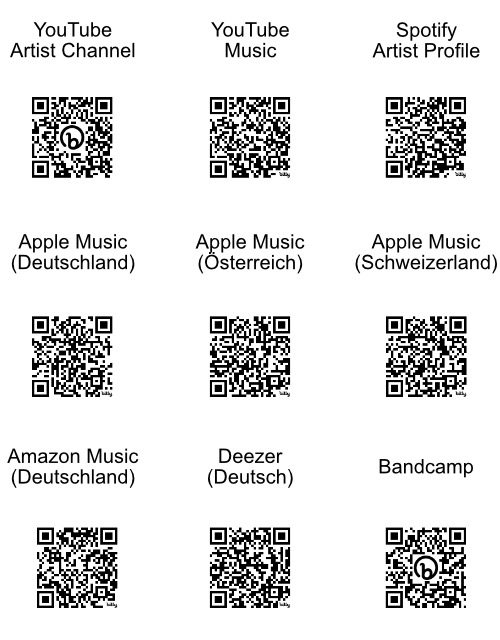
Jean-Michel Serres Apfel Café Apfelsaft Cinema Music QR Codes Centre Français 2024.

Notizen über Adolf von Henselt und seinen Werken

Überblick

Adolf von Henselt (1814–1889) war ein deutscher Pianist, Komponist und Lehrer, der für seine hochvirtuosen Klavierwerke und seinen Einfluss auf die russische Klavierpädagogik bekannt war.

Überblick über Henselts Leben und Werk

Frühes Leben und Ausbildung: Der in Bayern geborene Henselt studierte bei Johann Hummel in Weimar und erhielt später eine zusätzliche Ausbildung bei Simon Sechter in Wien. Seine Technik wurde Berichten zufolge vom Legato-Stil Chopins und der Virtuosität Liszts beeinflusst.

Karriere als Pianist: Er war ein brillanter Pianist mit einem außergewöhnlich geschmeidigen Legato und einer großen Handspanne, die es ihm ermöglichte, große Strecken und dichte Texturen mühelos auszuführen. Aufgrund seines starken Lampenfiebers gab er jedoch schon früh in seiner Karriere das Konzertieren auf.

Umzug nach Russland: 1838 wurde Henselt nach St. Petersburg eingeladen, wo er zu einer zentralen Figur in der russischen Musikausbildung wurde. Er arbeitete als Hofpianist für Zar Nikolaus I. und prägte die russische Klavierschule maßgeblich,
wovon spätere Größen wie Sergei Rachmaninow und Alexander Skrjabin profitierten.

Kompositionsstil: Henselts Klaviermusik ist für ihre reiche harmonische Sprache, ihre lyrische Qualität und ihre technischen Schwierigkeiten bekannt. Seine Werke, wie die Études Op. 2 und das Klavierkonzert in f-Moll, Op. 16, weisen Elemente von

Chopins Ausdruckskraft mit der Erhabenheit von Liszt.

Späteres Leben und Vermächtnis: Er zog sich allmählich vom Komponieren zurück und verbrachte einen Großteil seines späteren Lebens als Verwaltungsbeamter in Russland. Obwohl seine Musik von späteren Komponisten in den Schatten gestellt wurde, blieb sein Einfluss durch seine Schüler und die russische Klaviertradition bestehen.

Geschichte

Adolf von Henselts Leben war eine Geschichte von immensem Talent, frühem Versprechen und einer Karriere, die, obwohl sie als Interpret vorzeitig abgebrochen wurde, einen bleibenden Eindruck in der Welt der Klaviermusik und -ausbildung hinterließ. Henselt wurde 1814 in Schwabach, Bayern, geboren und zeigte schon in jungen Jahren eine außergewöhnliche Begabung für das Klavierspiel. Seine musikalische Reise führte ihn nach Weimar, wo er bei Johann Nepomuk Hummel studierte, einem Komponisten, der für sein elegantes und raffiniertes Klavierspiel bekannt war. Später arbeitete er in Wien unter der strengen Disziplin von Simon Sechter, einem Theoretiker und Komponisten, dessen Lehren Henselts kompositorische Stimme prägten.

Henselts Spiel zeichnete sich durch die bemerkenswerte Fähigkeit aus, ein weiches, singendes Legato zu erzeugen, kombiniert mit einer erstaunlich großen Handspanne, die es ihm ermöglichte, komplizierte Passagen mit Leichtigkeit auszuführen. Sein Stil war sowohl von Chopins Ausdruckskraft als auch von Liszts technischer Brillanz beeinflusst, hatte aber dennoch einen ganz eigenen Charakter. Mit Anfang zwanzig hatte er bereits eine Reihe von Etüden komponiert, die für ihre Schwierigkeit und Schönheit gefeiert wurden und seinen Ruf als virtuoser Pianist begründeten.

Trotz seiner außergewöhnlichen Fähigkeiten litt Henselt jedoch unter lähmendem Lampenfieber, was öffentliche Auftritte zu einer enormen Belastung machte. Er gab seine Konzertkarriere früh auf und konzentrierte sich stattdessen auf das Komponieren und Unterrichten. 1838 zog er nach Russland, wo er den Rest seines Lebens verbrachte. Der Zar hieß ihn am kaiserlichen Hof willkommen und Henselt wurde zu einer zentralen Figur im russischen Musikleben. Als einflussreicher Lehrer und Administrator prägte er die russische Klavierschule, bildete Generationen von Musikern aus und legte den Grundstein für die Entstehung großer russischer Pianisten wie Rachmaninow und Skrjabin.

Trotz seines Erfolgs in Russland zog sich Henselt allmählich vom Komponieren zurück und schuf nach seinen Anfangsjahren nur noch eine Handvoll Werke. Ob dies auf seine Verwaltungsaufgaben, mangelndes Selbstvertrauen oder einfach auf eine Veränderung des künstlerischen Schwerpunkts zurückzuführen ist, bleibt unklar. Zum Zeitpunkt seines Todes im Jahr 1889 war seine Musik weitgehend aus dem Konzertrepertoire verschwunden und wurde von der nächsten Welle romantischer Komponisten überschattet. Sein Vermächtnis blieb jedoch durch seine Schüler und die technischen Anforderungen seiner Kompositionen erhalten, die für Pianisten bis heute eine Herausforderung und Inspiration darstellen.

Chronologie

1814 – Am 9. Mai in Schwabach, Bayern, geboren.
1820er Jahre – Zeigt frühes musikalisches Talent; beginnt ein Klavierstudium in München.
1828 – Zieht nach Weimar, um bei Johann Nepomuk Hummel, einem führenden Pianisten und Komponisten der damaligen Zeit, zu studieren.
1832 – Studiert Theorie und Komposition in Wien bei Simon Sechter (der später Bruckner unterrichtete).
1836 – Konzertreisen durch Deutschland als Konzertpianist, wo er sich einen Ruf für seine Virtuosität erwirbt. Komponiert seine berühmten Etüden op. 2, die seinen einzigartigen technischen und lyrischen Stil zeigen.
1838 – Übersiedlung nach St. Petersburg, Russland, auf Einladung von Zar Nikolaus I. Wird schnell zu einer Schlüsselfigur in der russischen Musikausbildung.
1839 – Heiratet Rosalie Vogel und lässt sich dauerhaft in Russland nieder. Wird zum Hofpianisten ernannt.
1840er Jahre – Veröffentlicht mehrere Klavierwerke, darunter sein Klavierkonzert in f-Moll, Op. 16, das zu einer seiner bekanntesten Kompositionen wird.
1850er Jahre – Konzentriert sich auf Lehr- und Verwaltungsarbeit statt auf das Komponieren. Spielt eine wichtige Rolle bei der Entwicklung der russischen Klavierschule.
1860er–1870er Jahre – Er ist als Inspektor für Musikausbildung in Russland tätig, beaufsichtigt Konservatorien und bildet neue Generationen von Musikern aus. Sein Einfluss erstreckt sich auf Persönlichkeiten wie Rachmaninow und Skrjabin.
1889 – Er stirbt am 10. Oktober in Warmbrunn (heute Cieplice, Polen), während er sich im Urlaub befindet.

Merkmale der Musik

Merkmale der Musik von Adolf von Henselt
Henselts Musik ist bekannt für ihre lyrische Ausdruckskraft, ihre technischen Schwierigkeiten und eine unverwechselbare Mischung romantischer Einflüsse. Obwohl er nur eine relativ geringe Anzahl von Werken komponierte, hatte sein Stil einen nachhaltigen Einfluss, insbesondere auf die Entwicklung der russischen Klaviertechnik.

1. Singendes Legato und weiträumige Schreibweise

Henselts Klaviersatz ist berühmt für sein geschmeidiges, gesangliches Legato, das oft durch den Einsatz von komplizierten Pedaltechniken und überlappenden Fingertechniken erreicht wird.
Er verwendete häufig weit gespannte Akkorde und Arpeggien, die große Handbewegungen erforderten, was zur reichen harmonischen Tiefe und sonoren Qualität seiner Musik beitrug.
Diese Aspekte beeinflussten spätere russische Komponisten wie Rachmaninow, dessen Musik ebenfalls fließendes Legato und große Handbewegungen erfordert.

2. Kombination von Virtuosität und Lyrik

Obwohl seine Musik ein beachtliches technisches Können erfordert, geht es nie nur um Zurschaustellung – seine Werke betonen den poetischen Ausdruck und die Tiefe der Emotionen.
Diese Balance zwischen Virtuosität und Lyrik verbindet ihn mit Chopin, obwohl Henselts Texturen tendenziell dichter und orchestraler sind.

3. Chromatik und reiche harmonische Sprache

Henselts Harmonien sind üppig und ausladend und lassen manchmal die spätromantischen harmonischen Progressionen von Liszt und Wagner erahnen.
Er verwendete häufig chromatische Innenstimmen und Vorhalte, wodurch ein Gefühl von Sehnsucht und Spannung erzeugt wurde.

4. Einfluss der deutschen und französischen Romantik

Sein Stil ist eine Verschmelzung von deutscher Disziplin (Hummel, Beethoven, Schumann) und französischer Eleganz (Chopin, Field).
Seine Musik ist weniger dramatisch als die von Liszt, aber oft komplexer als die von Chopin, wobei er zarte Verzierungen mit kraftvollen Klängen verbindet.

5. Verwendung von ornamentalen Figurationen und Arpeggio-Strukturen

Seine Klavierwerke enthalten häufig zarte, filigrane Passagen mit fließenden Arpeggien und ornamentalen Wendungen, die an Mendelssohn erinnern.
Diese Merkmale treten besonders in seinen Études op. 2 hervor, die technische Herausforderungen mit ausdrucksstarker Phrasierung verbinden.

6. Einfluss auf die russische Klaviertradition

Sein pädagogischer Ansatz und sein Kompositionsstil beeinflussten die russische Klaviermusik, insbesondere durch die Betonung von Legato-Phrasierung, kraftvollem Klang und ausdrucksstarker Tiefe.
Dies lässt sich anhand von Persönlichkeiten wie Anton Rubinstein, Rachmaninow und Skrjabin nachvollziehen, die Henselts Ansatz in ihren eigenen Kompositionen weiterentwickelten.

Schlüsselwerke, die diese Merkmale veranschaulichen

Études, Op. 2 – Sehr anspruchsvoll, verbindet lyrische Schönheit mit technischer Brillanz.
Klavierkonzert in f-Moll, Op. 16 – Ein dramatisches und ausdrucksstarkes romantisches Konzert mit einer Qualität im Stil von Chopin.
„Si oiseau j’étais“, Op. 2 Nr. 6 – Eine schimmernde, zarte Studie in Arpeggien und Legato-Phrasierung.

Beziehungen

Henselt hatte bedeutende Verbindungen zu verschiedenen Komponisten, Pianisten, Orchestern und einflussreichen Persönlichkeiten, insbesondere in Russland, wo er den größten Teil seiner Karriere verbrachte. Nachfolgend finden Sie eine Übersicht über seine direkten Beziehungen:

1. Komponisten

Johann Nepomuk Hummel (1778–1837) – Lehrer

Henselt studierte in seinen frühen Jahren bei Hummel in Weimar.
Hummels klassische Klarheit und sein feiner Anschlag beeinflussten Henselts Herangehensweise an das Klavierspiel.

Simon Sechter (1788–1867) – Lehrer

In Wien studierte Henselt Kontrapunkt und Musiktheorie bei Sechter, einem strengen Pädagogen und späteren Lehrer von Anton Bruckner.
Sechters Einfluss zeigt sich in Henselts harmonischem und strukturellem Ansatz.

Frédéric Chopin (1810–1849) – Zeitgenosse und stilistischer Einfluss

Obwohl es keine Aufzeichnungen über ein direktes Treffen gibt, wurde Henselt stark von Chopins lyrischem und legato-orientiertem Klavierspiel beeinflusst.
Einige von Henselts Werken, insbesondere seine Etüden, spiegeln Chopins Einfluss wider, jedoch mit dichteren Texturen.

Franz Liszt (1811–1886) – Bewunderter Rivale

Liszt bewunderte Henselts Technik, insbesondere sein Legato und seine Fähigkeit, dichte Akkordstrukturen zu halten.
Obwohl sie sich nicht nahe standen, bewegten sie sich in ähnlichen Kreisen, und Liszt führte gelegentlich Henselts Werke auf.

Anton Rubinstein (1829–1894) – Nachfolger im russischen Musikleben

Als eine der Schlüsselfiguren der russischen Klaviermusik folgte Rubinstein Henselts Vorbild bei der Etablierung einer starken russischen Klaviertradition.
Henselts Lehr- und Verwaltungsarbeit legte den Grundstein für das St. Petersburger Konservatorium, das später von Rubinstein weiterentwickelt wurde.

Sergei Rachmaninoff (1873–1943) – Indirekter Einfluss

Rachmaninoff hat Henselt nie kennengelernt, aber er erkannte seinen Einfluss an, insbesondere in Bezug auf seinen Ansatz bei großen, akkordischen Texturen und Legato-Phrasierungen.
Einige von Henselts Handstrecktechniken sind in Rachmaninoffs Werken zu sehen.

2. Pianisten und Schüler

Nikolai Zverev (1832–1893) – Pädagogisches Vermächtnis

Zverev, ein bedeutender russischer Lehrer (später bekannt für seinen Unterricht bei Rachmaninoff und Scriabin), wurde von Henselts Lehrmethoden beeinflusst.
Durch Zverev erreichte Henselts Herangehensweise an Phrasierung und Technik spätere Generationen.

Theodor Leschetizky (1830–1915) – Indirekter Einfluss

Obwohl er kein direkter Schüler war, nahm Leschetizky, ein weiterer einflussreicher Klavierpädagoge, Elemente von Henselts Stil auf, insbesondere in Bezug auf Tonerzeugung und Phrasierung.

3. Orchester und Dirigenten

Kaiserlich-russischer Hof und Orchester

Als Hofpianist von Zar Nikolaus I. war Henselt eng mit der russischen kaiserlichen Musikszene verbunden.
Sein Klavierkonzert in f-Moll, Op. 16, wurde in russischen Konzertsälen aufgeführt und für seine ausdrucksstarke Tiefe bewundert.

Mili Balakirew (1837–1910) – Russischer Musikkreis

Balakirew, der Anführer der Fünf, kannte Henselt und respektierte seine Rolle in der russischen Klaviermusik, obwohl ihre Stile unterschiedlich waren.
Henselts Einfluss prägte indirekt die russische nationalistische Schule.

4. Nichtmusiker

Zar Nikolaus I. von Russland (1796–1855) – Mäzen

Henselt wurde Hofpianist von Nikolaus I. und sicherte sich damit eine hochrangige Position in der russischen Gesellschaft.
Die Förderung durch den Zaren ermöglichte es Henselt, das russische Musikausbildungssystem zu gestalten.

Rosalie Vogel (Ehefrau) – lebenslange Gefährtin

Henselt heiratete Rosalie Vogel im Jahr 1839 und sie begleitete ihn während seiner Jahre in Russland.
Sie spielte eine stabilisierende Rolle in seinem Leben, als er vom Künstler zum Lehrer wurde.

Schlussfolgerung

Henselts direkte Beziehungen reichen von großen Komponisten wie Hummel und Chopin bis hin zu russischen Kulturschaffenden wie Zar Nikolaus I. Sein Einfluss auf Pianisten wie Rubinstein und später Rachmaninow prägte die russische Klaviertradition. Obwohl er sich früh von der Konzertbühne zurückzog, lebte sein Vermächtnis durch seine Schüler und Bewunderer weiter.

Ähnliche Komponisten

Die Musik von Adolf von Henselt steht an der Schnittstelle zwischen der Virtuosität der Frühromantik und dem aufkommenden lyrischen, ausdrucksstarken Stil, der später den russischen Klavierspielstil beeinflusste. Hier sind einige Komponisten, die in verschiedenen Aspekten seiner Musik Ähnlichkeiten mit Henselt aufweisen:

1. Stilistisch und technisch ähnliche Komponisten

Johann Nepomuk Hummel (1778–1837)

Henselt studierte bei Hummel, dessen Klaviermusik sich durch Klarheit, Eleganz und Virtuosität auszeichnet.
Beide Komponisten schrieben technisch anspruchsvolle Etüden, Sonaten und Konzerte mit raffinierten Passagen.

Frédéric Chopin (1810–1849)

Henselts lyrische Phrasierung, Chromatik und Legato-Technik ähneln Chopins Stil.
Beide bevorzugten ausdrucksstarke, verzierte Melodien und eine komplexe Begleitung der linken Hand.
Henselts Etüden op. 2 werden oft mit Chopins Etüden op. 10 und op. 25 verglichen.

Robert Schumann (1810–1856)

Schumann bewunderte Henselts Musik, und beide Komponisten hatten eine Vorliebe für poetische, harmonisch reiche Klavierstücke.
Ihre Etüden und Charakterstücke verbinden technische Herausforderung mit romantischem Ausdruck.

Sigismond Thalberg (1812–1871)

Thalberg und Henselt teilten eine Vorliebe für „dreihändige“ Texturen, bei denen Melodien in komplexe Arpeggios eingebettet sind.
Beide schrieben kunstvolle, hochvirtuose Klavierwerke mit einem starken Legato-Touch.

Franz Liszt (1811–1886)

Liszt und Henselt waren beide pianistische Innovatoren, aber Liszts Musik ist dramatischer und extrovertierter, während Henselts Musik intim und lyrisch ist.
Beide Komponisten erforschten große Handspannen, chromatische Harmonien und reiche Texturen.

2. Spätere Komponisten, die von Henselt beeinflusst wurden

Anton Rubinstein (1829–1894)

Rubinstein wurde direkt von Henselts Spiel beeinflusst und erweiterte dessen Legato-Technik und harmonische Innovationen.
Beide schrieben üppig orchestrierte Klavierkonzerte mit romantischer Tiefe.

Sergei Rachmaninoff (1873–1943)

Rachmaninoff erbte Henselts weitreichende Akkordstrukturen, Legato-Phrasierung und melancholische Harmonien.
Beide Komponisten schufen lyrische, aber technisch anspruchsvolle Klavierwerke.

Alexander Skrjabin (1872–1915)

Skrjabins frühe Werke ähneln in ihrer filigranen, chromatischen und poetischen Phrasierung dem Stil Henselts.

3. Weniger bekannte Virtuosen der Romantik Ähnlich wie Henselt

Charles-Valentin Alkan (1813–1888)

Wie Henselt war Alkan ein Klaviervirtuose und Komponist, der technisch anspruchsvolle Etüden schrieb.
Alkans Musik ist jedoch oft düsterer und in der Harmonie experimenteller.

Moriz Moszkowski (1854–1925)

Moszkowskis brillantes, aber lyrisches Klavierspiel spiegelt etwas von Henselts Stil wider.
Seine Etüden und Salonstücke weisen eine ähnliche Mischung aus Virtuosität und melodischer Anmut auf.

Felix Blumenfeld (1863–1931)

Blumenfeld war ein russischer Pianist und Komponist, dessen harmonischer Reichtum und pianistische Kompositionsweise in Henselts Fußstapfen treten.

Zusammenfassung

Henselt verbindet Elemente von Chopin (Lyrismus), Liszt (technische Brillanz), Schumann (harmonischer Reichtum) und Thalberg (Drei-Hand-Technik). Sein Einfluss lebt durch Rubinstein, Rachmaninoff und Scriabin weiter, die seine pianistischen Innovationen weiterentwickelten.

Als Pianist

galt Adolf von Henselt als einer der besten Pianisten seiner Zeit und wurde für sein außergewöhnliches Legato, seine breite Handtechnik und seine lyrische Ausdruckskraft bewundert. Obwohl seine Karriere als Pianist aufgrund seines extremen Lampenfiebers nur von kurzer Dauer war, hinterließ sein Spiel bei den Zuhörern einen tiefen Eindruck. Seine Technik und seine pianistischen Innovationen hatten auch einen nachhaltigen Einfluss auf das russische Klavierspiel.

1. Technische und stilistische Merkmale seines Spiels

Außergewöhnliches Legato („Wie eine Perlenkette“)
Henselts Legato war legendär und wurde oft mit dem von Chopin verglichen, jedoch mit dichteren Texturen und längeren, ausdauernderen Phrasierungen.
Seine Fähigkeit, Noten nahtlos miteinander zu verbinden, wurde oft auf seine hochentwickelte Fingersatz- und Pedaltechnik zurückgeführt.
Ein Zeitgenosse beschrieb sein Spiel als „einen endlosen Perlenfluss“.

Große Handspanne und Akkordschrift

Henselt hatte eine bemerkenswerte Handspanne, die es ihm ermöglichte, weite, komplexe Akkord-Voicings mit Leichtigkeit auszuführen.
Dies ermöglichte es ihm, reiche, vollmundige Harmonien und dichte Texturen zu spielen, die zu einem Markenzeichen seiner Klavierkompositionen wurden.
Sein Ansatz beeinflusste spätere russische Komponisten, darunter Rachmaninoff, der ebenfalls große Akkordstrukturen verwendete.

Mühelose Virtuosität ohne Effekthascherei

Im Gegensatz zu Liszt, der dramatische und auffällige Virtuosität zur Schau stellte, war Henselts Technik verfeinert und zurückhaltend, wobei er sich auf Geschmeidigkeit statt auf Spektakel konzentrierte.
Sein Spiel erforderte extreme Kontrolle, indem er komplizierte Passagen mit lyrischem Ausdruck in Einklang brachte.
Seine Études, Op. 2, spiegeln diese Ausgewogenheit wider – technisch anspruchsvoll, aber immer ausdrucksstark und poetisch.

Extreme Konzentration und psychologische Herausforderungen

Henselt litt unter starkem Lampenfieber, was seine Karriere als Interpret einschränkte.
Trotz seines immensen Könnens gab er nur sehr wenige öffentliche Konzerte.
Diese Angst veranlasste ihn, seinen Schwerpunkt auf Lehre und Verwaltung zu verlagern, insbesondere in Russland.

2. Ruf unter Zeitgenossen

Bewundert von Liszt und Schumann

Franz Liszt lobte Henselts Anschlag und Technik, insbesondere sein geschmeidiges Legato und sein reiches Akkordspiel.
Robert Schumann bewunderte seine Klavierwerke und schrieb sogar, dass Henselt „den Anschlag eines Engels“ habe.

Einfluss auf den russischen Pianismus

In Russland wurde Henselt zu einer Schlüsselfigur in der Klavierausbildung und prägte die russische Schule des Klavierspiels, aus der später die großen Pianisten des 19. und 20. Jahrhunderts hervorgingen.
Seine Lehrmethoden und sein Ansatz zur Phrasierung beeinflussten Anton Rubinstein, Sergei Rachmaninoff und Alexander Scriabin.

3. Niedergang seiner Konzertkarriere

Da sich Henselts Lampenfieber verschlimmerte, hörte er allmählich ganz auf aufzutreten.
Er widmete sich dem Unterrichten und der Verwaltung und wurde Hofpianist von Zar Nikolaus I. und eine wichtige Persönlichkeit an russischen Konservatorien.
Trotz seines frühen Rückzugs von der Konzertbühne blieb sein Einfluss durch seine Schüler und Kompositionen stark.

Schlussfolgerung

Henselt war ein Pianist von seltener Raffinesse, der Chopin-ähnliche Lyrik mit Liszt’schen technischen Ansprüchen verband. Sein außergewöhnliches Legato, seine große Handspanne und seine subtile Virtuosität zeichneten ihn aus, und sein Vermächtnis lebte in der russischen Klaviertradition weiter. Sein lähmendes Lampenfieber führte jedoch dazu, dass sein Einfluss eher durch seine Lehrtätigkeit und seine Kompositionen als durch seine eigenen Darbietungen zum Tragen kam.

Bemerkenswerte Klaviersolowerke

Henselt komponierte nur eine relativ geringe Anzahl an Werken, aber seine Klavierstücke sind für ihre lyrische Ausdruckskraft, ihre technischen Schwierigkeiten und ihre reichen harmonischen Texturen bekannt. Seine Musik vereint Elemente von Chopins Lyrik, Liszts Virtuosität und Schumanns harmonischer Tiefe. Nachfolgend finden Sie einige seiner wichtigsten Soloklavierwerke:

1. Études, Op. 2 (12 Études for Piano, 1837) – Sein berühmtestes Werk

Diese Sammlung gilt als Henselts größter Beitrag zur Klavierliteratur und verbindet technische Brillanz mit poetischer Schönheit. Sie wurde von Liszt und Schumann bewundert und beeinflusste spätere russische Pianisten.

Nr. 1, Presto – Eine schnelle, virtuose Etüde mit brillantem Passagenwerk.
Nr. 2, Allegro agitato – Mit gegenläufigen Rhythmen und weiten Arpeggios.
Nr. 3, Allegro con fuoco („Eroica“) – Starker, heroischer Charakter mit kraftvollen Oktaven.
Nr. 4, Allegro molto („Der Schwalbenflug“) – Leicht und zart, erinnert an Chopins Etüden.
Nr. 5, Poco adagio („Wenn ich ein Vogel wäre“) – Eines seiner berühmtesten Stücke, voller zarter Arpeggios und schwebender Melodien.
Nr. 6, Allegro patetico („Wenn ich ein Vogel wäre“) – Ein weiteres berühmtes Werk, voller ornamentaler Figurationen und schimmernder Texturen.
Nr. 7, Allegro maestoso – Eine Studie in Doppeltontechnik und Akkordstimmführung.
Nr. 8, Vivace e leggiero – Schnelle, brillante Fingerfertigkeit, die an Chopin erinnert.
Nr. 9, Allegro assai – Mit schnellen, fließenden Passagen und Handkreuztechniken.
Nr. 10, Allegro molto agitato – Ausdrucksstark und leidenschaftlich, mit mitreißenden Melodien.
Nr. 11, Allegro appassionato – Donnernde Oktaven und eine dramatische Stimmung.
Nr. 12, Allegro molto („La Gondola“) – Ein Stück im Stil eines venezianischen Bootslieds mit einer sanften Schaukelbewegung.
📌 Die berühmtesten Etüden: Nr. 5 („Wenn ich ein Vogel wäre“) und Nr. 6 („Si oiseau j’étais“) werden heute häufig aufgeführt.

2. Variations de Concert sur un thème de Méhul, Op. 4 (Konzertvariationen über ein Thema von Méhul)

Eine brillante Reihe von Variationen über ein Thema von Étienne Méhul, die virtuose Läufe, lyrische Melodien und harmonischen Reichtum miteinander verbindet.
Dieses Werk ist eines der technisch anspruchsvollsten Stücke von Henselt und ähnelt den Variationstechniken von Liszt und Thalberg.

3. Poëme d’amour, Op. 3 (Liebesgedicht)

Ein romantisches, ausdrucksstarkes Charakterstück, das in seiner Stimmung Chopins Nocturnes ähnelt.
Mit wunderschönen melodischen Linien und reichen harmonischen Texturen.

4. Ballade, Op. 31

Henselts Beitrag zum Balladen-Genre, das durch Chopin populär wurde.
Mit erzählerischem Drama, ausladenden Arpeggien und ausdrucksstarken Kontrasten.

5. Nocturnes (verschiedene Opusnummern)

Henselt komponierte mehrere Nocturnes, inspiriert von Chopin und Field. Diese Stücke zeichnen sich durch lange, singende Melodien, verträumte Harmonien und zarte Texturen aus.

Nocturne in B-Dur, Op. 6 – Ein wunderschön ausdrucksstarkes und lyrisches Werk, das Chopins Nocturnes ähnelt.
Nocturne in G-Dur, Op. 8 – Voller üppiger Harmonien und ornamentaler Schnörkel.

6. Romanze, Op. 9

Eine sanfte und poetische Miniatur mit lyrischer Phrasierung und warmen Harmonien.

7. Charakterstücke und Transkriptionen

Henselt komponierte auch kleinere Salonstücke und Transkriptionen, die seinen ausdrucksstarken, lyrischen Stil und seine technische Raffinesse unterstreichen.

„La Gondola„ (Venetianisches Bootslied) – Ein sanftes, plätscherndes Stück im Barcarolle-Stil.
„Wiegenlied“ (Lullaby), Op. 45 – Ein zartes, verträumtes Stück, das an ein Wiegenlied von Brahms erinnert.

Fazit

Henselts Klaviermusik ist eine Verschmelzung von Virtuosität und poetischer Schönheit, beeinflusst von Chopin, Liszt und Schumann. Seine Études, Op. 2, insbesondere „Wenn ich ein Vogel wäre“ und „Si oiseau j’étais“, sind bis heute seine berühmtesten Werke. Seine Nocturnes, Balladen und Konzertvariationen zeigen seine ausdrucksstarke Tiefe und seine reichen Harmonien.

Bemerkenswerte Werke

Adolf von Henselt ist vor allem für seine Solo-Klavierwerke bekannt, aber er komponierte auch einige bemerkenswerte Orchester-, Kammer- und Vokalwerke. Obwohl sein Schaffen außerhalb der Klaviermusik begrenzt ist, zeigen diese Werke seinen romantischen Lyrismus, seine reichen Harmonien und seine pianistischen Strukturen.

1. Klavierkonzert in f-Moll, Op. 16 (1846) – Sein berühmtestes Nicht-Solowerk

Eines der großartigsten romantischen Klavierkonzerte, das oft mit Chopins Klavierkonzert Nr. 1 und Schumanns Klavierkonzert in a-Moll verglichen wird.
Es zeichnet sich durch lange, lyrische Melodien, weitreichende Akkordstrukturen und virtuose Kadenzen aus.
Die Orchestrierung ist üppig, lässt aber dennoch dem Klavier den Vortritt.
Die Kadenz im ersten Satz ist besonders für ihre Schwierigkeit bekannt.
📌 Warum es wichtig ist: Dieses Konzert beeinflusste Rachmaninoff, insbesondere durch seine melodische Lyrik und seinen Akkordreichtum.

2. Kammermusik

Henselts Kammermusik ist selten, aber einige Werke sind erhalten:

Duo für Klavier und Violine in f-Moll, Op. 14

Ein lyrisches, ausdrucksstarkes Stück, das Henselts Talent für Melodien zeigt.
Der Klavierpart ist reichhaltig und virtuos, während die Violine einen singenden, lyrischen Kontrapunkt bildet.
📌 Warum es bemerkenswert ist: Dies ist eines der wenigen veröffentlichten Kammermusikwerke von Henselt und hat einen ausgesprochen romantischen Charakter.

3. Vokalwerke

Henselt komponierte einige Lieder für Gesang und Klavier, die an die Lieder von Schumann und Mendelssohn erinnern. Sie sind zart, melodisch und harmonisch reichhaltig.

Lieder (Songs), Op. 18

Eine Reihe deutscher Kunstlieder mit ausdrucksstarker Klavierbegleitung.
Die Melodien sind lyrisch und intim, im Stil von Schumann und Brahms.
📌 Warum sie wichtig sind: Obwohl weniger bekannt, zeigen diese Lieder Henselts Fähigkeit, Gesangslinien mit Klavierstrukturen zu schreiben, die seinen Solowerken ähneln.

4. Pädagogische Werke und Beiträge zum Orchester

Als einflussreicher Klavierpädagoge in Russland arbeitete Henselt auch an pädagogischer Musik und Arrangements:

Er arbeitete an russischen Nationalhymnen und Hymnenarrangements, insbesondere für staatliche Zeremonien.
Er beeinflusste die russische Orchester- und Klaviermusik, konzentrierte sich jedoch selbst mehr auf das Unterrichten und Komponieren für Klavier.

Schlussfolgerung

Obwohl Henselt vor allem für seine Klaviermusik bekannt ist, gilt sein Klavierkonzert in f-Moll, Op. 16, als sein größtes Orchesterwerk. Sein Violin-Klavier-Duo und seine Lieder sind selten, zeigen aber seine romantische Lyrik und harmonische Tiefe.

(Dieser Artikel wurde von ChatGPT generiert. Und er ist nur ein Referenzdokument, um Musik zu entdecken, die Sie noch nicht kennen.)

Inhalt der klassischen Musik

Best Classical Recordings
on YouTube

Best Classical Recordings
on Spotify

Jean-Michel Serres Apfel Cafe Apfelsaft Cinema Music QR-Kodes Mitte Deutsch 2024.