Notes on Francis Poulenc and His Works

Overview

A Composer of Two Faces

Francis Poulenc is one of the most influential French composers of the 20th century, known for his style that is both light and profound, combining fantasy, lyricism and spirituality. A member of the Group of Six, he first made a name for himself with witty and cheeky music, before exploring a more introspective and religious vein after the 1930s.

A Two-Faceted Style: Spirit and Emotion

Poulenc has often been described as a composer with a ‘dual personality’:

The mischievous and elegant Poulenc

Influenced by Satie, Stravinsky and French popular music, he composed light works, full of humour and freshness.
Examples: Les Biches (ballet, 1924), Mouvements perpétuels (piano, 1918), Concerto pour deux pianos (1932).

The profound and spiritual Poulenc

After the death of his friend Pierre-Octave Ferroud in 1936, he experienced a return to the Catholic faith that left its mark on his work.
Examples: Litanies à la Vierge noire (1936), Stabat Mater (1950), Dialogues des Carmélites (opera, 1957).

His Essential Works

Piano music

Trois mouvements perpétuels (1918) – Light and elegant miniatures.
Napoli (1925) – A colourful and witty suite.
Huit Nocturnes (1929-1938) – A tribute to Chopin’s Nocturnes, but with a Poulenc touch.

Chamber music

Sonata for clarinet and piano (1962) – One of his last works, poignant and lyrical.
Sonata for flute and piano (1957) – Elegant and melodious, very popular with flutists.
Trio for oboe, bassoon and piano (1926) – A mixture of mischief and refinement.

Vocal music

Banalités (1940) – A song cycle based on poems by Apollinaire, a blend of humour and melancholy.
Tel jour, telle nuit (1937) – More introspective songs based on poems by Paul Éluard.

Sacred music

Gloria (1959) – A grandiose choral work, yet full of lightness.
Stabat Mater (1950) – Profound and deeply moving, imbued with spirituality.

Opera and orchestral music

Dialogues des Carmélites (1957) – His lyrical masterpiece, an intense religious drama.
Piano Concerto (1949) – Between classicism and modernity, with a touch of jazz.

What makes Poulenc unique?

A direct language: no excess, immediate melodic and harmonic clarity.
A touch of humour: he knew how to make music light without being superficial.
A deep sincerity: his religious writing and his late works show authentic emotion.

Poulenc thus embodies a French-style modernity, where grace, humour and introspection coexist with a unique elegance.

History

Francis Poulenc: A Composer with Two Souls (1899-1963)

Francis Poulenc is a living paradox: at once light and serious, mischievous and mystical, worldly and profoundly intimate. His career is that of a musician who was able to navigate the turmoil of the 20th century while maintaining a unique style characterised by elegance, sincere emotion and a touch of irreverence.

The Beginnings: An Undisciplined Parisian (1899-1918)

Born in 1899 in Paris into a bourgeois family, Poulenc grew up between the rigour of his father, a Catholic industrialist, and the artistic openness of his mother, who introduced him to the piano and the great French composers. From an early age, he developed a taste for music off the beaten track, admiring Satie, Chabrier and Debussy, but also jazz and popular songs.

Rather than entering the Conservatoire, he took private lessons with Ricardo Viñes, a Catalan pianist close to Ravel. It was thanks to him that Poulenc discovered musical Spain, the humour of Satie and the freedom of modernism. In 1917, he composed Rapsodie nègre, a daring work that attracted the attention of Stravinsky and Cocteau.

The Group of Six: Carefree and Provocative (1919-1925)

After the First World War, Poulenc joined the Group of Six, a collective of young French composers gathered around Jean Cocteau. With Milhaud, Honegger, Auric, Durey and Tailleferre, he advocated fresh, direct and joyfully irreverent music, opposed to Wagnerian romanticism and impressionist symbolism.

His music from this period is full of fantasy and lightness:

His ballet Les Biches (1924) is a success, with its cheerful rhythms and light atmosphere.
He composes piano works such as Trois Mouvements Perpétuels (1918), which reflect his taste for humour and melodic simplicity.
A socialite, he frequented Parisian salons, befriended writers and artists and enjoyed a carefree life where parties and music freely intermingled.

A Profound Change: The Return to Faith (1936-1940)

The carefree lifestyle came to an abrupt end in 1936, when one of his close friends, the composer Pierre-Octave Ferroud, died in an accident. Distraught, Poulenc made a pilgrimage to Rocamadour, a Mecca of Catholic spirituality. This experience marked a turning point: he rediscovered the faith of his childhood and began to compose more introspective and spiritual music.

His style evolved towards great expressive simplicity, characterised by more pared-down harmonies and sincere emotion. He then composed:

Litanies à la Vierge Noire (1936), the first religious work in a long series.
Concerto pour orgue (1938), a solemn and dramatic piece.
Tel jour, telle nuit (1937), a cycle of profound melodies based on poems by Paul Éluard.

This more serious Poulenc still coexisted with the light-hearted composer, who continued to write mischievous pieces such as his Huit Nocturnes for piano.

War and Musical Commitment (1940-1950)

During the Occupation, Poulenc lived in France and resisted in his own way, composing works inspired by hope and freedom. He set poems by Éluard to music in Figure humaine (1943), a cantata secretly dedicated to the Resistance.

After the war, he became a key figure in French music. He continued to explore his lyrical and religious vein, composing masterpieces such as:

Stabat Mater (1950), a poignant choral work.
Concerto for Two Pianos (1932), brilliant and neoclassical.
Dialogues des Carmélites: L’Œuvre de la Maturité (1957)
One of the highlights of his career was his opera Dialogues des Carmélites (1957), based on a real-life drama of the French Revolution. This intense and spiritual work tells the story of the martyrdom of Carmelite nuns sent to the guillotine. The music is sober, moving and deeply human.

Poulenc, long seen as a light-hearted composer, proves with this opera that he is capable of tragic depth and gripping theatrical writing.

The Last Years: Between Serenity and Melancholy (1960-1963)

In his final years, Poulenc still composed outstanding works such as:

Gloria (1959), which alternates between exuberance and fervour.
Sonata for Clarinet (1962), one of his last pieces, with a touching lyricism.

In 1963, he died of a heart attack in Paris, leaving behind a body of work that was at once joyful and profound, light and serious, popular and refined.

A Unique Legacy

Francis Poulenc remained a profoundly French composer, halfway between Parisian cabaret and sacred music, between humour and melancholy. He captured the essence of an era with music that was accessible, sincere and full of spirit.

Whether in his piano pieces, his melodies, his sacred works or his opera, Poulenc always sought direct emotion, without artifice. This is what makes him one of the most endearing composers of the 20th century.

Chronology

1899-1917: Childhood and Youth

7 January 1899: Born in Paris into a middle-class family. His father, an industrialist, was very strict, while his mother introduced him to music, particularly Chabrier and Mozart.
Around 1906: Begins piano lessons with his mother.
1914: Takes lessons with Ricardo Viñes, a Catalan pianist close to Ravel and Debussy. He discovers Satie, who will greatly influence his style.
1917: At the age of 18, he composes Rapsodie nègre, a work full of humour and audacity, noticed by Stravinsky and Cocteau.

📌 1918-1925: The Group of Six and the Période Mondaine

1918: Participates in the First World War as an infantry soldier.
1919: Becomes a member of the Group of Six, alongside Milhaud, Honegger, Auric, Durey and Tailleferre. The group seeks to distance itself from German and Impressionist influence by advocating simple and direct music.
1920: Cocteau publishes Le Coq et l’Arlequin, a manifesto of the Group of Six.
1922: Poulenc composes Cocardes, a cycle of melodies inspired by the cabaret.
1924: Great success of his ballet Les Biches, commissioned by Diaghilev’s Ballets Russes. The work, light and elegant, confirms his cheerful and neoclassical style.

📌 1926-1935: Maturity and First Evolution

1926: He begins to take composition lessons with Charles Koechlin, to deepen his musical writing.
1928: He composes his Concerto for Two Pianos, which shows his love for Mozart and jazz.
1934: Meets Pierre Bernac, a baritone with whom he will collaborate for 25 years. Poulenc will write many songs for him.

📌 1936-1945: Religious Conversion and Wartime

1936: Emotional shock after the brutal death of his friend Pierre-Octave Ferroud. On a pilgrimage to Rocamadour, Poulenc returns to the Catholic faith.
1936: Composes Litanies à la Vierge Noire, his first religious work, marking a turning point towards more interior music.
1938: Organ Concerto, a powerful work that reflects the duality of his style: solemn and melodious.
1940-1944: Under the Occupation, he remained in France and composed politically engaged works, such as the cantata Figure humaine (1943), a hidden hymn to the Resistance.
1945: After the war, he returned to an active musical life in France and abroad.

📌 1946-1959: Height of Success and Lyrical Triumph

1950: Stabat Mater, a poignant choral work that testifies to his spirituality.
1953-1956: Writing of his major opera, Dialogues des Carmélites, based on the martyrdom of Carmelite nuns during the French Revolution.
1957: Dialogues des Carmélites is premiered at La Scala in Milan. It is a triumph and his most profound work.
1959: Poulenc composes his Gloria, an exuberant and luminous religious work.

📌 1960-1963: Final Years and Legacy

1960: Composes his Concerto for Harpsichord and Orchestra, a return to classical forms with a modern twist.
1962: His Sonata for Clarinet and Piano, dedicated to Arthur Honegger, is one of his last works.
30 January 1963: Dies of a heart attack in Paris, leaving behind a body of work that is both light and profound.

💡 What makes Francis Poulenc unique?

A composer of contrasts: at once light and serious, worldly and mystical.
A master of French melody, influenced by popular song and poetry.
Accessible and sincere music, which is as moving for its humour as for its emotion.

Characteristics of the music

Francis Poulenc was part of the group Les Six, who advocated light, anti-romantic music influenced by popular music. Here are some characteristics of his musical language:

1. A balance between lightness and depth

Poulenc often alternates between a carefree, almost facetious style and a more serious and meditative writing.
His religious vocal works, such as the Gloria or the Stabat Mater, show sincere spirituality and great expressiveness.

2. A refined and accessible harmonic language

His harmony is influenced by jazz, Erik Satie and neoclassicism.
He uses enriched chords and surprising modulations, but without ever losing a certain sense of tonal clarity.

3. An influence of popular music and cabaret

Poulenc incorporates melodies and rhythms inspired by French chanson, cabaret music and café-concerts.
This aspect can be found in works such as Les Biches (ballet) or certain witty melodies.

4. A brilliant and idiomatic piano style

A pianist himself, he composed works for piano that combine virtuosity and apparent simplicity (Mouvements perpétuels, Napoli, Novelettes).
He exploits the piano’s registers expressively, often with marked contrasts between gentleness and vigour.

5. A great sense of melody and prosody

In his melodies and operas (Dialogues des Carmélites), he emphasises the clarity of the text and the expressiveness of the singing.
His melodies are natural and lilting, often with a melancholy touch.

Poulenc is therefore a composer with a rich musical personality, capable of moving from laughter to tears in a few bars. He combines measured modernism with a deep attachment to French tradition.

Old or new, traditional or progressive?

Francis Poulenc’s music is at the crossroads between old and new, tradition and modernity.

🌿 Music rooted in tradition…

He drew much of his inspiration from the French classics, particularly Chabrier, Fauré, Ravel and Mozart.
His melodic style remained clear, lilting and accessible, akin to traditional vocal music.
He composed many religious works in a sober and mystical vein, sometimes evoking Gregorian chant (e.g. Dialogues of the Carmelites, Stabat Mater).
He often respected classical forms (sonatas, concertos, suites) while modernising them.

⚡… but with a touch of modernity and audacity

A member of the Group of Six, he rejected Debussy’s impressionism and Wagner’s romanticism in favour of a more direct and uncluttered style.
He incorporated elements of jazz, cabaret and popular music, particularly in his piano pieces and melodies (Les Biches, Trois mouvements perpétuels).
He often played on humour and irony, making his music both elegant and mischievous.
His harmonic language is rich and surprising, with unexpected modulations and chords that are sometimes dissonant, but always melodic.

📜 Poulenc: Classical or progressive?

✅ Classical in its clarity, its love of melody and its elegant form.
✅ Modern in its eclecticism, its harmonic audacity and its theatricality.

Poulenc himself said: ‘I have put sugar in my music, but black sugar.’ He knew how to combine the heritage of the past with a personal and modern touch.

Relations

Francis Poulenc’s Direct Relations: A World of Influences and Friendships
Francis Poulenc, a lively and sociable spirit, forged deep bonds with composers, performers, writers and patrons throughout his life. His friendships shaped his music and his career, combining socialising, artistic commitment and spirituality.

🎼 Poulenc and the Composers: Between Friendship and Influence

🔹 The Group of Six (1919-1925): Musical camaraderie

Poulenc was part of the Group of Six, a collective of young French composers led by Jean Cocteau.
Among his colleagues, he was very close to Darius Milhaud, whose exuberance and jazz influence resonated with his own style.
Arthur Honegger, more serious and attached to the grand form, impressed him, but they remained friends despite their differences.
Germaine Tailleferre, the only woman in the group, shared with him a taste for melodic clarity.
He kept in touch with Georges Auric and Louis Durey, but they went in different directions.
In 1962, Poulenc wrote his Clarinet Sonata, dedicated to Arthur Honegger, who had died in 1955.

🔹 The Great Masters: Admiration and Dialogues

Erik Satie (whom he admired without really meeting) influenced his taste for simplicity, humour and anti-academicism.
Stravinsky, whom he met in 1917 thanks to Rhapsodie nègre, encouraged him. Poulenc would, however, move away from the Stravinsky style.
Maurice Ravel respected him, but criticised his lack of orchestral technique. Poulenc admired his refinement without seeking to imitate him.
Claude Debussy is an essential figure, even if Poulenc prefers to distance himself from him by avoiding impressionist vagueness.
Gabriel Fauré is a major influence on his vocal music and his harmonic sense. Poulenc considers his melodies to be a model.

🎤 Poulenc and the Performers: Collaboration and Lasting Friendships

🔹 Pierre Bernac: The Essential Accomplice (1934-1960)

Poulenc met the baritone Pierre Bernac in 1934. Their collaboration lasted 25 years.
He composed his most beautiful melodies for him (Tel jour, telle nuit, Banalités, Chansons gaillardes, etc.).
Bernac also created the role of the Marquis de la Force in Dialogues des Carmélites (1957).
Together, they gave recitals throughout Europe and the United States.

🔹 Denise Duval: His Feminine Muse

Poulenc discovered Denise Duval in 1947 and fell under the spell of her expressive voice.
He wrote his three greatest operatic roles for her:
Elle in La Voix Humaine (1959), a deeply moving monodrama.
Thérèse in Les Mamelles de Tirésias (1947).
Blanche de la Force in Dialogues des Carmélites (1957).

🔹 Wanda Landowska and her love of the harpsichord

Poulenc wrote his Concerto for Harpsichord and Orchestra (1928) for Wanda Landowska, a pioneer of the harpsichord revival.
Their friendship was characterised by their humour and their passion for early music.

🔹 Jeanne Demessieux and Maurice Duruflé: The organ at its peak

For his Organ Concerto (1938), Poulenc worked with Maurice Duruflé, a great organist and composer.
He also admired Jeanne Demessieux, a virtuoso organist who played several of his religious works.

📖 Poulenc and the Poets: An Intimate Link

🔹 Paul Éluard: Poetry and the Resistance

Poulenc was fascinated by Paul Éluard, whose poems inspired him from 1937 (Tel jour, telle nuit).
During the war, he set Figure humaine (1943) to music, a cycle against the Occupation.
After the war, he continued to draw on Éluard’s poetry, notably for La Fraîcheur et le Feu (1950).

🔹 Guillaume Apollinaire: Humour and Fantasy

Poulenc had fun with Apollinaire, setting his Banalités (1940) and Les Mamelles de Tirésias (1947) to music.
He appreciated his mixture of lightness and depth.

🔹 Jean Cocteau: The Ambivalent Mentor

Cocteau supported Poulenc within the Group of Six, but their relationship remained distant.
Poulenc never composed to his texts, preferring other poets.

🏛 Poulenc and the Institutions: Between Socialising and Commitment

🔹 Serge Diaghilev’s Ballets Russes

Poulenc composed Les Biches (1924) for the Ballets Russes, a collaboration that brought him fame.
He admired Diaghilev, but sometimes found him too demanding.

🔹 Free France and the Resistance

During the Occupation, he refused to emigrate and composed politically engaged works, such as Figure humaine.
He remained in contact with resistance artists and supported French culture under Vichy.

🔹 The Americans: Leonard Bernstein and New York

Poulenc travelled to the United States after the war and met Leonard Bernstein, who admired Dialogues des Carmélites.
He often performed his works in New York, where his refined style appealed to Americans.

💡 Poulenc and Non-Musicians: Friendships and Inspirations

🔹 Raymonde Linossier: The Best Friend

Poulenc was very close to Raymonde Linossier, a Parisian intellectual.
He even considered marrying her, despite his homosexuality. She died in 1930, which affected him deeply.

🔹 Paul Valéry: A Literary Admiration

Poulenc admired Paul Valéry, although he never set his poetry to music.
They exchanged views on French literature and music.

🔹 Abbé Mugnier: His Spiritual Guide

In the 1930s, he returned to the faith thanks to Abbé Mugnier, a worldly priest and spiritual advisor to artists.
This return to religion influenced all his sacred music.

✨ Conclusion: A Man at the Heart of an Artistic Network

Poulenc was profoundly influenced by his musician, writer, singer and intellectual friends. His style, between tradition and modernity, matured through contact with Bernac, Duval, Éluard, Stravinsky and Duruflé.

Similar composers

Francis Poulenc had a unique style, combining a neoclassical spirit, French lyricism, humour and spirituality. However, several composers share certain aspects of his writing. Here are some figures similar to Poulenc, according to different criteria:

🎭 Composers of the Group of Six: Similar aesthetics

Poulenc was influenced by and influenced his colleagues in the Group of Six, an anti-romantic and playful movement.

🔹 Darius Milhaud (1892-1974)

Style: Exuberant, jazz, Brazilian influences.
Similar works: Le Bœuf sur le toit, Saudades do Brasil, Scaramouche.
Difference: More experimental and polytonal than Poulenc.

🔹 Arthur Honegger (1892-1955)

Style: More serious, dramatic and powerful.
Similar works: Jeanne d’Arc au bûcher, Pacific 231.
Difference: More orchestral and less ironic than Poulenc.

🔹 Georges Auric (1899-1983)

Style: Elegant, light, influenced by film music.
Similar works: Music for films, Divertissement.
Difference: Less profound in the religious domain.

🔹 Germaine Tailleferre (1892-1983)

Style: melodic clarity and elegant simplicity.
Similar works: Piano Concerto, Pastorale.
Difference: less contrast between joy and gravity.

🔹 Louis Durey (1888-1979)

Style: more sober, more oriented towards vocal and engaged music.
Similar works: a cappella melodies and choruses.
Difference: Less exuberant and more influenced by popular music and Gregorian chant.

🎼 Neoclassical and modern composers: Similar musical language

🔹 Igor Stravinsky (1882-1971) [Neoclassical period]

Style: Clarity, marked rhythms, revisited classical forms.
Similar works: Pulcinella, Symphony of Psalms, Concerto for Piano and Winds.
Difference: More rigorous, more structured, less lyrical than Poulenc.

🔹 Maurice Ravel (1875-1937)

Style: Mix of classicism and modernity, refined humour.
Similar works: L’Enfant et les sortilèges, Concerto en sol, Pavane pour une infante défunte.
Difference: More perfectionist and less spontaneous than Poulenc.

🔹 Manuel de Falla (1876-1946)

Style: Melodic and rhythmic, inspired by Spanish folklore.
Similar works: El retablo de Maese Pedro, Harpsichord Concerto.
Difference: More influenced by popular and national music.

🎶 French lyrical and vocal composers: Similarity in emotion and spirituality

🔹 Gabriel Fauré (1845-1924)

Style: Refined, melodic, intimate.
Similar works: Requiem, Mélodies, Nocturnes for piano.
Difference: Less humorous and more delicate than Poulenc.

🔹 Claude Debussy (1862-1918)

Style: Impressionist, colourful harmonies, fluidity.
Similar works: Pelléas et Mélisande, Chansons de Bilitis.
Difference: More vaporous, less rhythmic and direct than Poulenc.

🔹 Olivier Messiaen (1908-1992)

Style: Mystical, bold harmonies, rhythms inspired by nature.
Similar works: Quatuor pour la fin du temps, Trois petites liturgies de la Présence divine.
Difference: More complex, more mystical and less accessible.

🎹 Composers with a similar spirit in piano music

🔹 Erik Satie (1866-1925)

Style: Ironic, simple in appearance, gentle harmonies.
Similar works: Gymnopédies, Gnossiennes, Embryons desséchés.
Difference: More minimalist and more absurd than Poulenc.

🔹 Henri Dutilleux (1916-2013)

Style: Refined, complex harmonies, free forms.
Similar works: Piano Sonata, The Wolf.
Difference: More introspective and more focused on sound colour.

🎭 Lyrical and theatrical composers: Similarity in opera and dramatic music

🔹 Benjamin Britten (1913-1976)

Style: Mix of traditional and modern, highly expressive vocals.
Similar works: Peter Grimes, The Turn of the Screw, War Requiem.
Difference: More dramatic, more oriented towards the English world.

🔹 Giacomo Puccini (1858-1924)

Style: Lyrical, expressive, direct.
Similar works: La Bohème, Tosca, Suor Angelica (which recalls Dialogues des Carmélites).
Difference: More romantic and passionate than Poulenc.

💡 Conclusion: Poulenc, a musical chameleon

Poulenc is somewhere between neoclassicism, modernity, lyricism and the French spirit. He shares:

✔️ The humour and lightness of Satie and Milhaud.
✔️ The refinement and sensuality of Ravel and Fauré.
✔️ The neoclassicism of Stravinsky and Britten.
✔️ The religious depth of Messiaen.

Deux novelettes, FP47

Francis Poulenc’s Deux Novelettes are piano pieces composed in 1927 (first) and 1928 (second). They perfectly illustrate the duality of Poulenc’s style, combining elegance, lightness and harmonic refinement.

1st Novelette in C major (1927)

This piece has a fluid and playful form, with a style that evokes the influence of Emmanuel Chabrier, a composer whom Poulenc deeply admired.
The main theme is lilting, light and of great clarity, typical of Poulenc’s neoclassical period.
The piece plays on contrasts between flexible rhythms and more marked passages, while remaining imbued with subtle humour and refined simplicity.

2nd Novelette in B flat minor (1928, revised in 1960)

More sombre and introspective, this second Novelette contrasts sharply with the first.
It is built on a more melancholy mood, with more daring harmony and expressive modulations.
Poulenc refers to Spain in it, with harmonic colours reminiscent of those of Albéniz or Falla, particularly in its rhythmic character and melodic turns of phrase.

A Third Novelette?

Poulenc also wrote a Third Novelette in E minor in 1959, sometimes forgotten, but which continues the style of the first two, adding a deeper lyricism and a certain gravity.

Why listen to them?

The Two Novelettes are short but charming pieces that clearly illustrate Poulenc’s lively and elegant spirit, while revealing a certain more introspective sensitivity. They are ideal for discovering his pianistic style, between French neoclassicism and nods to Spanish music.

Trois Mouvements Perpétuels, FP14

The Three Perpetual Movements are one of Francis Poulenc’s first works for piano, composed in 1918, when he was only 19 years old. These short, light pieces already bear witness to Poulenc’s characteristic style: elegance, clarity, humour and melodic freshness.

Overview of the three movements:

First movement – Moderato assai

A simple, carefree theme with falsely naïve accents, reminiscent of the spirit of Erik Satie.
The harmony is gentle, with impressionist colours but a classical structure.
The accompaniment in regular arpeggios creates the ‘perpetual’ effect that gives the work its title.

Second movement – Very moderate

More melancholic and dreamy, with an introspective character.
A gentle, almost nostalgic melody that floats over a steady accompaniment.
This passage already shows Poulenc’s more lyrical and intimate side.

Third movement – Alerte

A finale full of vitality, marked by syncopation and a dancing rhythm.
It reflects the mischievous, sparkling, almost cabaret-like side of the young Poulenc.
The energy of this movement is reminiscent of certain ballets by Stravinsky and the French neoclassical style.

Why is this work important?

An initial public success: The Three Perpetual Movements were immediately very popular.
A synthesis of the Poulenc style: Between humour and emotion, simplicity and refinement.
A tribute to Satie: The influence of Satie’s minimalism is palpable, but with a more personal touch.

These pieces are often played by pianists seeking to explore the French neoclassical style, and they remain technically accessible while being full of charming expressiveness.

Napoli, FP40

Napoli is a piano suite composed by Francis Poulenc in 1925, at a time when he was exploring a variety of styles with a light and ironic touch. The work is a tribute to Italy, and more particularly to Naples, with a marked influence of Italian opera and Neapolitan popular music.

Structure and analysis of the movements

I. Barcarolle

A fluid and lilting piece, inspired by Venetian barcarolles, the traditional songs of the gondoliers.
Poulenc plays with undulating rhythms, refined harmonies and a charming melody.
The influence of Chabrier and Italian opera is perceptible in the lyricism of this movement.

II. Nocturne

More introspective and poetic, this movement evokes a Mediterranean nocturnal landscape.
It is characterised by a dreamy and nostalgic melody with delicate harmonies.
This piece shows the lyrical Poulenc, close to the style of his later Nocturnes.

III. Caprice Italien

A sparkling and brilliant finale, inspired by the Neapolitan tarantella, a fast and cheerful dance.
Poulenc uses lively syncopated rhythms, mischievous modulations and an almost burlesque character.
This movement is reminiscent of his taste for cabaret, pastiche and Latin exuberance.

Why listen to Napoli?

A musical journey to Italy: Poulenc has fun with Italian musical clichés, between opera, dance and popular song.
A balance between lightness and refinement: the work is accessible, but full of harmonic subtleties.
Brilliant virtuosity: especially in the Caprice Italien, where the liveliness of the playing is reminiscent of Liszt or Chabrier.

The work is not as famous as Poulenc’s other piano pieces, but it deserves to be discovered for its charm, humour and Mediterranean energy.

Eight Nocturnes

Poulenc’s Eight Nocturnes form a cycle of piano pieces composed between 1929 and 1938. Unlike Chopin’s nocturnes, which are imbued with romantic lyricism, Poulenc’s are more varied in atmosphere, oscillating between intimacy, irony and nostalgia. They perfectly reflect Poulenc’s duality: both mischievous and deeply lyrical.

Analysis of the eight nocturnes

Nocturne No. 1 in C major (1929) – In a dream

A gentle and peaceful piece, with an airy and delicate melody.
Its title suggests a dreamlike and suspended atmosphere, reminiscent of Satie and Fauré.

Nocturne No. 2 in A flat major (1933)

A more danceable and cheerful nocturne, evoking a light-hearted and carefree Parisian ball.
Typical of the elegant and falsely naïve Poulenc.

Nocturne No. 3 in B flat major (1934) – The Bells of Mechelen

Inspired by the carillon of the bells of Mechelen (Belgium), this nocturne evokes a soundscape.
The atmosphere is meditative and almost religious, with delicate harmonies.

Nocturne No. 4 in C minor (1934) – Phantom Ball

A mysterious and slightly sarcastic piece, like an imaginary dance of shadows.
The influence of cabaret and the valse musette is perceptible.

Nocturne No. 5 in D minor (1935)

The most melancholic and introspective of the cycle.
It already heralds Poulenc’s Improvisations and Mélancolie.

Nocturne No. 6 in G major (1935)

A simple and touching melody, almost childlike.
It is reminiscent of Poulenc’s opera Dialogues des Carmélites, with its refined side.

Nocturne No. 7 in E flat major (1936)

A play of rhythms and contrasts, with surprising harmonies.
It is one of the most fanciful of the cycle.

Nocturne No. 8 in G major (1938)

The last, more lyrical and intimate, concludes the cycle with a touch of tenderness.

Why listen to the Eight Nocturnes?

An intimate portrait of Poulenc, combining reverie, irony and melancholy.
A refined harmonic language, influenced by Fauré, Satie and Debussy, but with a personal touch.
A wide variety of styles, ranging from pastoral gentleness to popular influences and introspection.

These pieces are a perfect summary of Poulenc’s pianistic style.

Famous works for solo piano

🔹 Fifteen Improvisations (1919-1959)

A varied collection combining lyricism, humour and virtuosity.
Improvisation No. 15 ‘Hommage à Édith Piaf’ is particularly well known.

🔹 French Suite (1935)

Inspired by early music, with a light and elegant neo-baroque style.

🔹 Villageoises (1933)

Six miniature pieces full of wit and simplicity, inspired by popular music.

🔹 Thème varié (1951)

A series of refined and expressive variations on a simple theme.

🔹 L’Embarquement pour Cythère (1951)

A brilliant and poetic piece inspired by Watteau’s painting.

🔹 Toccata (1932)

A lively, rhythmic piece, influenced by Scarlatti’s virtuoso style.

🔹 Pastourelle (1935, from L’Eventail de Jeanne)

A light and charming piece, typically French.

These pieces show the diversity of Poulenc’s style, between lightness, depth and virtuosity.

Famous works

🎼 Orchestral music

🔹 Concerto for Two Pianos and Orchestra (1932) – A brilliant and energetic concerto, influenced by Mozart and jazz.
🔹 Concerto for Organ, Timpani and String Orchestra (1938) – A sombre and majestic masterpiece, with religious inspiration.
🔹 Concerto champêtre (1928) – A sparkling concerto for harpsichord and orchestra, dedicated to Wanda Landowska.

🎭 Operas and dramatic music

🔹 Dialogues des Carmélites (1957) – A moving opera about the martyrdom of the Carmelites during the French Revolution.
🔹 Les Mamelles de Tirésias (1947) – A surrealist and burlesque opera, based on a play by Apollinaire.
🔹 La Voix humaine (1959) – A poignant monodrama for soprano and orchestra, based on a text by Jean Cocteau.

🎤 Vocal and choral music

🔹 Gloria (1959) – A luminous and exuberant sacred work for soprano, choir and orchestra.
🔹 Stabat Mater (1950) – An intense and moving choral piece.
🔹 Figure humaine (1943) – An a cappella cycle composed in the middle of the war, based on poems by Paul Éluard.

🎻 Chamber music

🔹 Sonata for flute and piano (1957) – One of the most famous pieces in the flute repertoire.
🔹 Sonata for clarinet and piano (1962) – A melodic and expressive work, dedicated to Arthur Honegger.
🔹 Sonata for oboe and piano (1962) – His last composition, of great intensity.

(This article was generated by ChatGPT. And it’s just a reference document for discovering music you don’t know yet.)

Classic Music Content Page

Best Classical Recordings
on YouTube

Best Classical Recordings
on Spotify

Jean-Michel Serres Apfel Café Music QR Codes Center English 2024.

Appunti su Louis Durey e le sue opere

Panoramica

Louis Durey era un compositore francese, noto principalmente per essere stato membro del gruppo dei Sei, anche se si allontanò rapidamente da questo circolo. Il suo stile musicale è caratterizzato da un’attenzione alla chiarezza e alla semplicità, ma anche da una certa indipendenza artistica che lo ha portato ad allontanarsi dalle tendenze dominanti dell’inizio del XX secolo.

1. Formazione e influenze

Nato nel 1888 a Parigi, si interessò alla composizione relativamente tardi, dopo aver scoperto l’opera di Debussy, che lo segnò profondamente.
A differenza di altri membri dei Sei, non seguì una rigorosa formazione accademica in un prestigioso conservatorio.

2. Il gruppo dei Sei e la sua distanza

Nel 1920, sotto l’influenza di Jean Cocteau ed Erik Satie, si unì al gruppo dei Sei (con Poulenc, Milhaud, Tailleferre, Honegger e Auric).
A differenza dei suoi colleghi, non condivideva il loro gusto per l’ironia e la leggerezza, né per l’influenza del music-hall o del jazz.
A partire dagli anni ’20, prese le distanze dal gruppo e seguì la sua strada, orientata verso una musica più austera e impegnata.

3. Stile musicale ed evoluzione

Durey adottò un’estetica pulita e melodica, spesso vicina al canto popolare.
Prediligeva la musica vocale e corale, in particolare le melodie e i cori a cappella.
A partire dagli anni ’30, il suo impegno politico (vicino al comunismo) influenza la sua musica, che diventa più militante e orientata verso temi sociali.

4. Opere principali

“Nove preludi” per pianoforte (1919) – Una delle rare opere per pianoforte spesso citate.
“Le Bestiaire” (1919) – Ciclo di melodie su poesie di Apollinaire, composto contemporaneamente a quello di Poulenc sullo stesso testo.
“Deux Pièces pour flûte, harpe et quatuor à cordes” (1947) – Un bell’esempio della sua scrittura di musica da camera.
Opere corali – Durey ha scritto numerosi brani per coro, spesso impegnati politicamente.

5. Un riconoscimento limitato

Il suo ritiro dal gruppo dei Sei e il suo impegno politico hanno contribuito a renderlo meno conosciuto di Poulenc o Milhaud.
Tuttavia, ha mantenuto una produzione regolare fino alla sua morte nel 1979.

Louis Durey rimane una figura discreta ma interessante del modernismo francese, con una musica raffinata e sobria, in controtendenza rispetto allo spirito esuberante del gruppo dei Sei.

Storia

L’Indépendant del Gruppo dei Sei

Louis Durey è una figura singolare della musica francese del XX secolo. Nato nel 1888 a Parigi in una famiglia borghese, non si è dedicato immediatamente alla musica. A differenza di molti suoi contemporanei, non ha frequentato il Conservatorio di Parigi e non ha un percorso accademico tradizionale. Il suo risveglio musicale avviene tardi, quando scopre Claude Debussy, la cui musica lo affascina e lo ispira a comporre. Questa rivelazione lo spinge a imparare la composizione da autodidatta.

Negli anni ’10, Durey inizia a farsi un nome tra i giovani compositori parigini. Il suo stile, inizialmente influenzato dall’impressionismo di Debussy, evolve verso una scrittura più pura, influenzata da Erik Satie e dal ritorno alla chiarezza neoclassica. È in questo contesto che si avvicina a un gruppo di amici compositori, tra cui Francis Poulenc, Darius Milhaud, Arthur Honegger, Germaine Tailleferre e Georges Auric. Condividono una certa volontà di rottura con il romanticismo e l’eccessivo wagnerismo, e quando nel 1920 Jean Cocteau e il critico Henri Collet li raggruppano sotto il nome dei Sei, Durey ne fa parte.

Tuttavia, il suo passaggio in questo gruppo è breve. A differenza di Poulenc e Auric, che adottano volentieri lo spirito giocoso e ironico sostenuto da Cocteau, Durey si sente a disagio con questo estetismo leggero e provocatorio. Il suo stile è più sobrio, più rigoroso, e preferisce le melodie intimiste alle esuberanti pastiche musicali. Nel 1921, mentre i Sei collaborano al balletto Les Mariés de la tour Eiffel, si rifiuta di parteciparvi, segnando così la sua distanza dal gruppo.

Ha quindi intrapreso una carriera indipendente, concentrandosi sulla musica vocale e da camera. A partire dagli anni ’30, si è impegnato politicamente, adottando ideali comunisti che avrebbero influenzato la sua musica. Ha scritto numerosi pezzi corali impegnati, spesso ispirati da testi rivoluzionari e popolari. Durante la seconda guerra mondiale, si unì alla Resistenza e continuò a comporre nonostante le difficoltà.

Dopo la guerra, rimane fedele alle sue convinzioni e scrive per gruppi amatoriali e cori operai, il che limita la sua notorietà nei circuiti ufficiali. A differenza dei suoi ex compagni dei Six, che diventano figure imprescindibili della musica francese, Durey rimane un compositore marginale, rispettato ma poco eseguito.

Muore nel 1979, lasciando un’opera discreta ma sincera, segnata dalla sua ferrea indipendenza e dal suo impegno umano. Oggi rimane una figura meno conosciuta del XX secolo musicale francese, ma il suo percorso testimonia una scelta rara: quella della fedeltà ai propri ideali, a scapito della celebrità.

Cronologia

Gioventù e esordi (1888-1910)

27 maggio 1888: nasce a Parigi in una famiglia borghese.
Non riceve una formazione musicale accademica e scopre la musica da solo.
Verso il 1905-1910, è profondamente segnato dall’opera di Claude Debussy, che lo spinge a comporre.

Prime composizioni e incontro con i futuri “Six” (1910-1920)

Inizia a scrivere opere influenzate da Debussy e Satie.
1914-1918: durante la prima guerra mondiale viene mobilitato ma continua a comporre.
1919: Compone Le Bestiaire, un ciclo di melodie su poesie di Guillaume Apollinaire, contemporaneamente a Poulenc che mette in musica lo stesso testo.
Stringe amicizia con Francis Poulenc, Darius Milhaud, Arthur Honegger, Germaine Tailleferre e Georges Auric, formando un circolo di giovani compositori che condividono un’estetica comune.

Il Gruppo dei Sei e l’allontanamento (1920-1925)

1920: viene integrato nel Gruppo dei Sei, così chiamato dal critico Henri Collet. Jean Cocteau incoraggia questo gruppo ad adottare uno stile leggero e provocatorio, influenzato dal music-hall.
Durey, tuttavia, non condivide questo stato d’animo e preferisce un approccio più rigoroso ed essenziale.
1921: Rifiuta di partecipare al balletto collettivo Les Mariés de la Tour Eiffel, un atto che segna la sua definitiva allontanamento dal gruppo.

Carriera indipendente e impegno politico (1925-1940)

Negli anni Venti e Trenta sviluppa un linguaggio personale, influenzato dalla musica popolare e dalla semplicità melodica.
Compone principalmente opere vocali e corali, spesso per cori amatoriali.
Anni ’30: si avvicina al Partito Comunista e compone opere di carattere sociale e impegnato.

Seconda guerra mondiale e Resistenza (1940-1945)

Durante l’occupazione, si unisce alla Resistenza e continua a comporre nonostante le restrizioni.
Mette in musica testi resistenti e antifascisti.

Il dopoguerra e l’esclusione dal mondo musicale (1945-1970)

Dopo la guerra, si dedica quasi esclusivamente a opere corali, spesso militanti.
A differenza di Poulenc o Milhaud, che diventano figure di spicco della musica francese, Durey rimane ai margini, preferendo lavorare con gruppi amatoriali e operai.
Il suo impegno politico e il suo stile sobrio gli valgono un riconoscimento limitato.

Ultimi anni e morte (1970-1979)

Continua a comporre fino alla fine della sua vita, ma la sua opera rimane poco eseguita.
3 luglio 1979: muore a Saint-Tropez, in relativa discrezione.

Eredità

La sua opera, sebbene meno famosa di quella dei suoi compagni del Gruppo dei Sei, è oggi riscoperta per il suo approccio unico, che unisce semplicità, impegno e indipendenza artistica.

Caratteristiche della musica

Louis Durey è un compositore la cui musica si distingue per la sobrietà, l’indipendenza e l’attaccamento alla chiarezza melodica. A differenza di alcuni dei suoi contemporanei del Gruppo dei Sei, che privilegiavano l’umorismo e la sperimentazione, egli adotta uno stile più serio ed essenziale, influenzato da Debussy, Satie e dal canto popolare. Ecco le caratteristiche principali della sua opera:

1. Una scrittura sobria ed essenziale

Durey cerca un’economia di mezzi: evita l’eccessiva ornamentazione e privilegia una scrittura semplice e diretta.
La sua musica si distingue per la trasparenza armonica, senza sovraccarichi orchestrali o pianistici.
Rifiuta gli effetti spettacolari, preferendo un approccio intimo e raffinato.

2. Un forte influsso del canto popolare e della musica vocale

Scrive numerose melodie e opere corali, spesso ispirate a testi poetici o impegnati.
Le sue linee melodiche sono spesso naturali e cantabili, a volte evocative della tradizione popolare.
Predilige l’accessibilità e la chiarezza nei suoi pezzi per coro, spesso destinati a gruppi amatoriali.

3. Un neoclassicismo personale

Come i suoi contemporanei del Gruppo dei Sei, adotta un ritorno alle forme classiche, ma con un approccio più sobrio rispetto a Poulenc o Milhaud.
Utilizza strutture ben definite e una scrittura contrappuntistica chiara.
Il suo stile è meno esuberante e ironico di quello di alcuni membri dei Sei, avvicinandosi talvolta alla purezza melodica di un Fauré tardivo.

4. Una musica impegnata e umanista

A partire dagli anni ’30, il suo impegno politico si riflette nella sua musica, che diventa più militante.
Musicalizza testi di portata sociale, spesso legati a movimenti rivoluzionari o pacifisti.
Il suo linguaggio musicale rimane tuttavia moderato e accessibile, senza radicalità d’avanguardia.

5. Una distanza dalle grandi tendenze moderne

Non si avventura né nell’atonalità di Schönberg, né nel surrealismo di alcuni dei suoi colleghi dei Six.
Rimane al di fuori delle grandi correnti della musica contemporanea del dopoguerra, rifiutando il serialismo o la sperimentazione elettronica.
La sua opera si evolve poco nel tempo, mantenendo sempre una certa coerenza estetica ed etica.

Conclusione

La musica di Louis Durey è quella di un compositore indipendente, fedele ai suoi valori e al suo gusto per la semplicità. Si distingue per una scrittura chiara, vocale e melodica, spesso ispirata alla poesia e al canto popolare. Meno famosa di quella degli altri membri dei Six, oggi viene riscoperta per il suo umanesimo e la sua sincerità.

Relazioni

Louis Durey, sebbene spesso in disparte rispetto ai circoli artistici dominanti, ha intrattenuto rapporti con diversi compositori, interpreti e intellettuali. Il suo percorso indipendente lo ha allontanato dal mondo musicale ufficiale, ma ha comunque frequentato figure di spicco del XX secolo.

1. I suoi rapporti con i membri del Gruppo dei Sei

Darius Milhaud, Francis Poulenc, Arthur Honegger, Germaine Tailleferre, Georges Auric
Durey entra a far parte del Gruppo dei Sei nel 1920, ma si allontana rapidamente dalle loro preoccupazioni estetiche.
Mantiene rapporti cordiali con Milhaud e Tailleferre, ma condivide meno il gusto di Poulenc e Auric per l’umorismo e la leggerezza.
Nel 1921, il suo rifiuto di partecipare al balletto collettivo Les Mariés de la Tour Eiffel segna la sua definitiva allontanamento dal gruppo.
A differenza di Milhaud o Honegger, che collaborano con orchestre prestigiose, preferisce progetti più modesti e militanti.

2. Le sue influenze e le relazioni con altri compositori

Claude Debussy (influenza)

Durey scopre la musica di Debussy in età adulta e ne rimane profondamente influenzato.
Adotta uno stile raffinato e trasparente che a volte ricorda il linguaggio impressionista.

Erik Satie

Come Satie, Durey ricerca la semplicità e la chiarezza e diffida dell’eccessivo lirismo.
Tuttavia, non condivide completamente l’umorismo assurdo e provocatorio di Satie.

Jean Cocteau (relazione conflittuale)

Cocteau è un mentore del Gruppo dei Sei, ma Durey diffida del suo influsso.
Non condivide l’estetica del “ritorno allo spirito francese” promosso da Cocteau.
Si allontana dal gruppo in parte a causa di questa divergenza di approccio.

3. Impegno politico e collaborazioni militanti

Jean Wiener (compositore e pianista)

Wiener, vicino all’avanguardia e agli ambienti comunisti, apprezza l’impegno di Durey.
Condividono la sensibilità per una musica più accessibile e socialmente impegnata.

Paul Éluard (poeta)

Durey mette in musica i testi di Éluard, soprattutto dopo il suo impegno politico negli anni ’30.
Il suo attaccamento alla poesia impegnata si riflette in diverse opere corali.

Resistenza e movimenti operai

Durante la seconda guerra mondiale, Durey partecipa ad attività di resistenza e compone brani ispirati alla lotta antifascista.
Dopo la guerra, collabora con cori operai e gruppi militanti, in linea con le sue convinzioni comuniste.

4. Rapporti con interpreti e orchestre

Poche collaborazioni con i grandi orchestre

A differenza di Milhaud o Honegger, non cerca di lavorare con le grandi formazioni orchestrali.
Predilige gruppi più modesti e opere per cori amatoriali.

Interpreti e direttori di coro

È sostenuto da direttori di coro che apprezzano il suo impegno per la musica corale accessibile.
Il suo stile vocale semplice e diretto lo rende popolare tra i gruppi amatoriali.

Conclusione

Louis Durey ha intrattenuto rapporti con figure di spicco della musica e della poesia, ma la sua indipendenza lo ha spesso tenuto lontano dalle cerchie più influenti. Il suo passaggio al gruppo dei Sei è stato breve e si è rapidamente rivolto a collaborazioni più impegnate politicamente, preferendo il contatto con poeti e gruppi militanti piuttosto che con le grandi istituzioni musicali.

Compositori simili

Louis Durey (1888-1979) era un compositore francese associato al gruppo dei Sei, anche se se ne allontanò abbastanza rapidamente per seguire un percorso più personale. Il suo stile era influenzato dal contrappunto rigoroso, dalla scrittura vocale chiara e da una certa semplicità melodica ereditata dalla musica popolare e dallo spirito di Satie.

Se apprezzi Durey, ecco alcuni compositori che potrebbero interessarti:

1. Georges Auric (1899-1983)

Come Durey, Auric faceva parte dei Six e condivideva un’estetica anti-romantica, influenzata da Satie e dallo spirito del cabaret parigino.
Ha anche composto musica vocale e da camera, con chiarezza di scrittura e parsimonia di mezzi.

2. Arthur Honegger (1892-1955)

Sebbene più incline alla sinfonia e a una scrittura contrappuntistica robusta, Honegger condivideva con Durey un approccio diretto ed espressivo.
Il suo linguaggio è più drammatico e strutturato, ma alcuni suoi lavori vocali o da camera possono ricordare Durey.

3. Henri Sauguet (1901-1989)

Compositore influenzato da Satie e dal Gruppo dei Sei, Sauguet ha sviluppato un linguaggio essenziale, spesso caratterizzato da malinconia e semplicità lirica.
Il suo lavoro vocale e pianistico presenta affinità con Durey.

4. Jean Françaix (1912-1997)

Allievo di Nadia Boulanger, Françaix ha una scrittura fluida, trasparente e spesso umoristica, che per alcuni aspetti ricorda l’estetica neoclassica di Durey.
Potrebbero piacervi le sue opere per musica da camera e pianoforte.

5. Darius Milhaud (1892-1974)

Un altro membro dei Six, Milhaud ha uno stile più abbondante e politonale, ma alcune delle sue opere da camera e melodie ricordano la chiarezza di scrittura di Durey.
Le sue composizioni ispirate al folklore o al jazz potrebbero interessarti.

6. Albert Roussel (1869-1937)

Meno noto per la sua appartenenza a una specifica corrente, Roussel ha sviluppato uno stile personale, tra classicismo e modernismo, spesso basato su strutture solide e su un’espressività misurata.
La sua musica vocale e le sue opere per pianoforte potrebbero essere simili a quelle di Durey.

Durey è un compositore piuttosto discreto e indipendente, quindi è difficile trovare un suo perfetto equivalente, ma questi compositori condividono alcune delle sue preoccupazioni estetiche.

Opere famose per pianoforte solo

Louis Durey è un compositore relativamente poco conosciuto e il suo catalogo per pianoforte solo non è così diffuso come quello di altri membri del Gruppo dei Sei. Tuttavia, ecco alcuni lavori degni di nota per pianoforte solo:

1. Trois Préludes (1916)

Uno dei suoi primi lavori per pianoforte, influenzato dall’impressionismo di Debussy e Satie.

2. Nove preludi (1919)

Una serie di preludi che mostrano il suo stile essenziale e il suo interesse per la semplicità melodica.

3. Due pezzi per pianoforte (1920)

Un’opera breve ma caratteristica del suo linguaggio musicale diretto e raffinato.

4. Sei epigrafi antiche (trascrizione per pianoforte, 1919, da Debussy)

Un adattamento delle Six Épigraphes antiques di Debussy, che dimostra la sua ammirazione per la scrittura impressionista.

5. Chant de l’isolement (1941)

Un’opera composta durante la seconda guerra mondiale, che riflette un clima introspettivo e meditativo.

Durey ha composto principalmente per voce e musica da camera, e il suo lavoro pianistico rimane meno conosciuto di quello dei suoi contemporanei. Se vuoi esplorare il suo stile, può essere interessante ascoltare i suoi brani vocali e le sue trascrizioni, che mettono in risalto la sua estetica musicale.

Opere famose

Louis Durey è un compositore relativamente discreto, le cui opere sono meno conosciute di quelle di altri membri del Gruppo dei Sei. Tuttavia, ecco alcune delle sue composizioni più importanti al di fuori del repertorio per pianoforte solo:

Musica vocale e corale

“Le Bestiaire“ (1919) – Ciclo di melodie su poesie di Guillaume Apollinaire.

Questo lavoro è spesso paragonato al Bestiaire di Francis Poulenc, composto nello stesso periodo.

“Chants du silence” (1920) – Melodie su poesie di Paul Éluard.

Una raccolta che illustra il suo gusto per la poesia contemporanea e la sua scrittura essenziale.

“Deux Chants basques“ (1927) – Melodie ispirate alla tradizione popolare basca.

Durey aveva un interesse per la musica popolare, che traspare in questo brano.

“Les Soirées de Nazelles” (1939, coro e orchestra)

Opera corale influenzata dalla tradizione popolare e dall’armonia francese.

“Psaume CXXX” (1944) – Opera per coro e orchestra.

Composta durante la seconda guerra mondiale, esprime un’intensità drammatica e spirituale.

Musica da camera

Sonatina per flauto e pianoforte (1921)

Un’opera delicata e fluida, nello spirito neoclassico del Gruppo dei Sei.

Trio d’archi (1927)

Un pezzo sottile che ricorda l’influenza del classicismo e della scrittura contrappuntistica.

Quartetto d’archi (1947)

Un esempio del suo linguaggio armonico pulito e raffinato.

Sonata per violoncello e pianoforte (1954)

Un’opera espressiva e intimista, tipica del suo stile tardivo.

Musica orchestrale

“Ne variatur“ (1921) – Pezzo orchestrale.

Un lavoro orchestrale che gioca su variazioni tematiche.

“Ouverture pour un conte de Perrault” (1945)

Un brano ispirato alle fiabe, in uno stile leggero e narrativo al tempo stesso.

Durey è noto soprattutto per la sua musica vocale e da camera, che riflette il suo gusto per la chiarezza di scrittura e l’influenza della tradizione popolare. Sei interessato a un tipo specifico di opera?

(Questo articolo è stato generato da ChatGPT. È solo un documento di riferimento per scoprire la musica che non conoscete ancora.)

Contenuto della musica classica

Best Classical Recordings
on YouTube

Best Classical Recordings
on Spotify
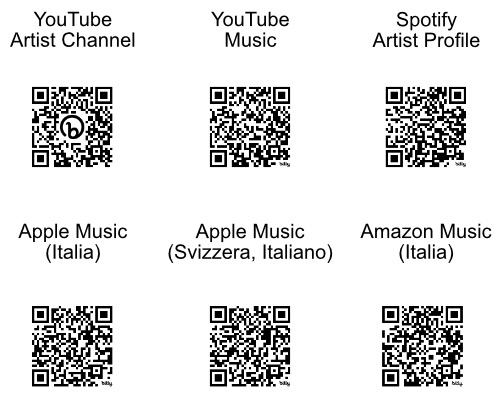
Jean-Michel Serres Apfel Café Apfelsaft Cinema Music Codici QR Centro Italiano Italia Svizzera 2024.

Apuntes sobre Louis Durey y sus obras

Resumen

Louis Durey fue un compositor francés, conocido principalmente por haber sido miembro del grupo de los Seis, aunque pronto se alejó de este círculo. Su estilo musical se caracteriza por su apego a la claridad y la sencillez, pero también por una cierta independencia artística que le llevó a alejarse de las tendencias dominantes de principios del siglo XX.

1. Formación e influencias

Nacido en 1888 en París, se interesó por la composición relativamente tarde, después de descubrir la obra de Debussy, que le marcó profundamente.
No siguió una formación académica rigurosa en un conservatorio prestigioso, a diferencia de otros miembros de los Seis.

2. El grupo de los Seis y su alejamiento

En 1920, se asoció al grupo de los Seis (con Poulenc, Milhaud, Tailleferre, Honegger y Auric), bajo la influencia de Jean Cocteau y Erik Satie.
A diferencia de sus colegas, no compartía su gusto por la ironía y la ligereza, ni por la influencia del music-hall o el jazz.
A partir de la década de 1920, se distanció del grupo y siguió su propio camino, orientado hacia una música más austera y comprometida.

3. Estilo musical y evolución

Durey adoptó una estética depurada y melódica, a menudo cercana al canto popular.
Durey dio prioridad a la música vocal y coral, en particular a las melodías y coros a capella.
A partir de la década de 1930, su compromiso político (cercano al comunismo) influye en su música, que se vuelve más militante y se orienta hacia temas sociales.

4. Obras principales

«Neuf préludes» para piano (1919) – Una de las pocas obras para piano que se citan a menudo.
«Le Bestiaire» (1919): ciclo de melodías sobre poemas de Apollinaire, compuesto al mismo tiempo que el de Poulenc sobre el mismo texto.
«Deux Pièces pour flûte, harpe et quatuor à cordes» (1947): un buen ejemplo de su escritura de música de cámara.
Obras corales: Durey escribió numerosas piezas para coros, a menudo comprometidas políticamente.

5. Un reconocimiento limitado

Su retirada del grupo de los Seis y su compromiso político contribuyeron a que fuera menos conocido que Poulenc o Milhaud.
Sin embargo, mantuvo una producción regular hasta su muerte en 1979.

Louis Durey sigue siendo una figura discreta pero interesante del modernismo francés, con una música refinada y sobria, a contracorriente del espíritu exuberante del grupo de los Seis.

Historia

El independiente del Grupo de los Seis

Louis Durey es una figura singular de la música francesa del siglo XX. Nacido en 1888 en París en el seno de una familia burguesa, no se dedicó inmediatamente a la música. A diferencia de muchos de sus contemporáneos, no ingresó en el Conservatorio de París y no siguió una trayectoria académica tradicional. Su despertar musical se produce tarde, cuando descubre a Claude Debussy, cuya música le fascina y le inspira a componer. Esta revelación le impulsa a aprender composición de forma autodidacta.

En la década de 1910, Durey comienza a hacerse un nombre entre los jóvenes compositores parisinos. Su estilo, inicialmente marcado por el impresionismo de Debussy, evolucionó hacia una escritura más depurada, influenciada por Erik Satie y la vuelta a la claridad neoclásica. En este contexto, se acercó a un grupo de amigos compositores, entre los que se encontraban Francis Poulenc, Darius Milhaud, Arthur Honegger, Germaine Tailleferre y Georges Auric. Comparten un cierto deseo de romper con el romanticismo y el excesivo wagnerismo, y cuando en 1920 Jean Cocteau y el crítico Henri Collet los agrupan bajo el nombre de los Seis, Durey es uno de ellos.

Sin embargo, su paso por este grupo fue breve. A diferencia de Poulenc y Auric, que adoptaron de buen grado el espíritu lúdico e irónico que defendía Cocteau, Durey se sentía incómodo con este esteticismo ligero y provocador. Su escritura es más sobria, más rigurosa, y prefiere las melodías intimistas a los exuberantes pastiches musicales. En 1921, mientras los Seis colaboraban en el ballet Les Mariés de la tour Eiffel, se negó a participar en él, marcando así su alejamiento del grupo.

Entonces prosiguió una carrera independiente, centrándose en la música vocal y de cámara. A partir de la década de 1930, se comprometió políticamente, adoptando ideales comunistas que influirían en su música. Escribió numerosas piezas corales comprometidas, a menudo inspiradas en textos revolucionarios y populares. Durante la Segunda Guerra Mundial, se unió a la Resistencia y continuó componiendo a pesar de las dificultades.

Después de la guerra, se mantuvo fiel a sus convicciones y escribió para conjuntos de aficionados y coros obreros, lo que limitó su notoriedad en los circuitos oficiales. A diferencia de sus antiguos compañeros de Les Six, que se convirtieron en figuras imprescindibles de la música francesa, Durey siguió siendo un compositor marginal, respetado pero poco interpretado.

Murió en 1979, dejando una obra discreta pero sincera, marcada por su feroz independencia y su compromiso humano. Hoy en día, sigue siendo una figura menos conocida del siglo XX musical francés, pero su trayectoria atestigua una elección poco común: la de la fidelidad a sus ideales, en detrimento de la fama.

Cronología

Juventud y comienzos (1888-1910)

27 de mayo de 1888: Nace en París en el seno de una familia burguesa.
No recibe formación musical académica y descubre la música por sí mismo.
Hacia 1905-1910, queda profundamente marcado por la obra de Claude Debussy, lo que le incita a componer.

Primeras composiciones y encuentro con los futuros «Seis» (1910-1920)

Empieza a escribir obras influenciadas por Debussy y Satie.
1914-1918: Durante la Primera Guerra Mundial, es movilizado, pero sigue componiendo.
1919: Compone Le Bestiaire, un ciclo de melodías sobre poemas de Guillaume Apollinaire, al mismo tiempo que Poulenc, que pone música al mismo texto.
Entabla amistad con Francis Poulenc, Darius Milhaud, Arthur Honegger, Germaine Tailleferre y Georges Auric, formando un círculo de jóvenes compositores que comparten una estética común.

El Grupo de los Seis y el distanciamiento (1920-1925)

1920: Se integra en el Grupo de los Seis, llamado así por el crítico Henri Collet. Jean Cocteau anima a este grupo a adoptar un estilo ligero y provocador, influenciado por el music-hall.
Durey, sin embargo, no comparte esta mentalidad y prefiere un enfoque más riguroso y depurado.
1921: Se niega a participar en el ballet colectivo Les Mariés de la Tour Eiffel, acto que marca su alejamiento definitivo del grupo.

Carrera independiente y compromiso político (1925-1940)

En los años 20 y 30, desarrolla un lenguaje personal, influenciado por la música popular y la simplicidad melódica.
Compuso principalmente obras vocales y corales, a menudo para coros de aficionados.
Años 30: Se acercó al Partido Comunista y compuso obras de carácter social y comprometido.

Segunda Guerra Mundial y Resistencia (1940-1945)

Durante la ocupación, se unió a la Resistencia y continuó componiendo a pesar de las restricciones.
Pone música a textos de la Resistencia y antifascistas.

La posguerra y el alejamiento de la música (1945-1970)

Después de la guerra, se dedica casi exclusivamente a obras corales, a menudo militantes.
A diferencia de Poulenc o Milhaud, que se convirtieron en figuras importantes de la música francesa, Durey se mantuvo al margen, prefiriendo trabajar con conjuntos de aficionados y obreros.
Su compromiso político y su estilo sobrio le valieron un reconocimiento limitado.

Últimos años y fallecimiento (1970-1979)

Siguió componiendo hasta el final de su vida, pero su obra sigue siendo poco interpretada.
3 de julio de 1979: Muere en Saint-Tropez, en relativa discreción.

Legado
Su obra, aunque menos famosa que la de sus compañeros del Grupo de los Seis, está siendo redescubierta hoy en día por su enfoque único, que combina sencillez, compromiso e independencia artística.

Características de la música

Louis Durey es un compositor cuya música se distingue por su sobriedad, independencia y apego a la claridad melódica. A diferencia de algunos de sus contemporáneos del Grupo de los Seis, que priorizaban el humor y la experimentación, él adoptó un estilo más serio y depurado, influenciado por Debussy, Satie y el canto popular. Estas son las principales características de su obra:

1. Una escritura sobria y depurada

Durey busca la economía de medios: evita la ornamentación excesiva y privilegia una escritura simple y directa.
Su música se distingue por una transparencia armónica, sin sobrecarga orquestal o pianística.
Rechaza los efectos espectaculares, prefiriendo un enfoque íntimo y refinado.

2. Un fuerte influjo del canto popular y la música vocal

Escribe numerosas melodías y obras corales, a menudo inspiradas en textos poéticos o comprometidos.
Sus líneas melódicas son a menudo naturales y cantables, evocando a veces la folclórica.
Da prioridad a la accesibilidad y la claridad en sus piezas para coros, a menudo destinadas a conjuntos de aficionados.

3. Un neoclasicismo personal

Al igual que sus contemporáneos del Grupo de los Seis, adopta una vuelta a las formas clásicas, pero con un enfoque más sobrio que Poulenc o Milhaud.
Utiliza estructuras bien definidas y una escritura contrapuntística clara.
Su estilo es menos exuberante e irónico que el de algunos miembros de los Seis, acercándose a veces a la pureza melódica de un Fauré tardío.

4. Una música comprometida y humanista

A partir de la década de 1930, su compromiso político se refleja en su música, que se vuelve más militante.
Pone música a textos de alcance social, a menudo relacionados con movimientos revolucionarios o pacifistas.
Sin embargo, su lenguaje musical sigue siendo moderado y accesible, sin radicalismo vanguardista.

5. Distancia con las grandes tendencias modernas

No se aventura ni en la atonalidad de Schönberg ni en el surrealismo de algunos de sus colegas de los Seis.
Se mantiene al margen de las grandes corrientes de la música contemporánea de posguerra, rechazando el serialismo o la experimentación electrónica.
Su obra evoluciona poco con el tiempo, manteniendo siempre una cierta coherencia estética y ética.

Conclusión

La música de Louis Durey es la de un compositor independiente, fiel a sus valores y a su gusto por la sencillez. Se distingue por una escritura clara, vocal y melódica, a menudo inspirada en la poesía y el canto popular. Menos famosa que la de los demás miembros de los Six, hoy en día se redescubre por su humanismo y sinceridad.

Relaciones

Louis Durey, aunque a menudo se mantuvo al margen de los círculos artísticos dominantes, mantuvo relaciones con varios compositores, intérpretes e intelectuales. Su trayectoria independiente lo alejó del mundo musical oficial, pero aun así se codeó con figuras destacadas del siglo XX.

1. Sus relaciones con los miembros del Grupo de los Seis

Darius Milhaud, Francis Poulenc, Arthur Honegger, Germaine Tailleferre, Georges Auric
Durey se unió al Grupo de los Seis en 1920, pero pronto se distanció de sus preocupaciones estéticas.
Mantuvo relaciones cordiales con Milhaud y Tailleferre, pero compartía menos el gusto de Poulenc y Auric por el humor y la ligereza.
En 1921, su negativa a participar en el ballet colectivo Les Mariés de la Tour Eiffel marca su alejamiento definitivo del grupo.
A diferencia de Milhaud o Honegger, que colaboran con prestigiosas orquestas, prefiere proyectos más modestos y militantes.

2. Sus influencias y relaciones con otros compositores

Claude Debussy (influencia)

Durey descubre la música de Debussy en la edad adulta y queda profundamente influenciado.
Adopta una escritura refinada y transparente que a veces recuerda al lenguaje impresionista.

Erik Satie

Al igual que Satie, Durey busca la simplicidad y la claridad, y desconfía del lirismo excesivo.
Sin embargo, no comparte totalmente el humor absurdo y provocador de Satie.

Jean Cocteau (relación conflictiva)

Cocteau es un mentor del Grupo de los Seis, pero Durey desconfía de su influencia.
No suscribe la estética de la «vuelta al espíritu francés» que promueve Cocteau.
Se aleja del grupo en parte debido a esta divergencia de enfoque.

3. Compromiso político y colaboraciones militantes

Jean Wiener (compositor y pianista)

Wiener, cercano a la vanguardia y a los círculos comunistas, aprecia el compromiso de Durey.
Comparten una sensibilidad por una música más accesible y socialmente comprometida.

Paul Éluard (poeta)

Durey pone música a textos de Éluard, sobre todo después de su compromiso político en los años treinta.
Su apego a la poesía comprometida se refleja en varias obras corales.

Resistencia y movimientos obreros

Durante la Segunda Guerra Mundial, Durey participó en actividades de resistencia y compuso piezas inspiradas en la lucha antifascista.
Después de la guerra, colaboró con coros obreros y conjuntos militantes, en consonancia con sus convicciones comunistas.

4. Relaciones con intérpretes y orquestas

Pocas colaboraciones con grandes orquestas

A diferencia de Milhaud o Honegger, no busca trabajar con grandes formaciones orquestales.
Prefiere conjuntos más modestos y obras para coros aficionados.

Intérpretes y directores de coro

Cuenta con el apoyo de directores de coro que aprecian su compromiso con la música coral accesible.
Su estilo vocal sencillo y directo lo hace popular entre los conjuntos aficionados.

Conclusión

Louis Durey mantuvo relaciones con figuras destacadas de la música y la poesía, pero su independencia a menudo lo alejó de los círculos más influyentes. Su paso por el grupo Les Six fue breve, y rápidamente se orientó hacia colaboraciones más comprometidas políticamente, prefiriendo el contacto con poetas y conjuntos militantes en lugar de con las grandes instituciones musicales.

Compositores similares

Louis Durey (1888-1979) fue un compositor francés asociado al grupo de los Seis, aunque se alejó de él bastante rápido para seguir un camino más personal. Su estilo estaba influenciado por el contrapunto riguroso, la escritura vocal clara y una cierta simplicidad melódica heredada de la música popular y del espíritu de Satie.

Si te gusta Durey, aquí tienes algunos compositores que podrían interesarte:

1. Georges Auric (1899-1983)

Al igual que Durey, Auric formaba parte de los Seis y compartía una estética antirromántica, influenciada por Satie y el espíritu del cabaret parisino.
También compuso música vocal y de cámara, con una escritura clara y un uso económico de los medios.

2. Arthur Honegger (1892-1955)

Aunque más inclinado hacia el sinfonismo y una escritura contrapuntística robusta, Honegger compartía con Durey un enfoque directo y expresivo.
Su lenguaje es más dramático y estructurado, pero algunas obras de cámara o vocales pueden recordar a Durey.

3. Henri Sauguet (1901-1989)

Compositor que sufrió la influencia de Satie y del Grupo de los Seis, Sauguet desarrolló un lenguaje depurado, a menudo teñido de melancolía y de simplicidad lírica.
Su obra vocal y pianística presenta afinidades con Durey.

4. Jean Françaix (1912-1997)

Alumno de Nadia Boulanger, Françaix tiene una escritura fluida, transparente y a menudo humorística, que recuerda en algunos aspectos a la estética neoclásica de Durey.
Sus obras para cámara y piano podrían gustarte.

5. Darius Milhaud (1892-1974)

Otro miembro de Les Six, Milhaud tiene un estilo más exuberante y politonal, pero algunas de sus obras de cámara y melodías recuerdan la claridad de escritura de Durey.
Sus composiciones inspiradas en el folclore o el jazz podrían interesarte.

6. Albert Roussel (1869-1937)

Menos conocido por su pertenencia a una corriente concreta, Roussel desarrolló un estilo personal, entre el clasicismo y el modernismo, a menudo basado en estructuras sólidas y una expresividad comedida.
Su música vocal y sus obras para piano podrían acercarse a las de Durey.

Durey es un compositor bastante discreto e independiente, por lo que es difícil encontrar un equivalente perfecto, pero estos compositores comparten algunas de sus preocupaciones estéticas.

Obras famosas para piano solo

Louis Durey es un compositor relativamente desconocido, y su catálogo para piano solo no está tan difundido como el de otros miembros del Grupo de los Seis. Sin embargo, estas son algunas obras notables para piano solo:

1. Trois Préludes (1916)

Una de sus primeras obras para piano, influenciada por el impresionismo de Debussy y Satie.

2. Nueve preludios (1919)

Una serie de preludios que muestran su estilo depurado y su atracción por la simplicidad melódica.

3. Dos piezas para piano (1920)

Una obra breve pero característica de su lenguaje musical directo y refinado.

4. Seis epígrafes antiguos (transcripción para piano, 1919, basada en Debussy)

Una adaptación de las Seis inscripciones antiguas de Debussy, que demuestra su admiración por la escritura impresionista.

5. Chant de l’isolement (1941)

Una obra compuesta durante la Segunda Guerra Mundial, que refleja un clima introspectivo y meditativo.

Durey compuso principalmente para voz y música de cámara, y su obra pianística sigue siendo menos conocida que la de sus contemporáneos. Si quieres explorar su estilo, puede ser interesante escuchar sus piezas vocales y transcripciones, que ponen de relieve su estética musical.

Obras famosas

Louis Durey es un compositor relativamente discreto, cuyas obras son menos conocidas que las de otros miembros del Grupo de los Seis. Sin embargo, estas son algunas de sus composiciones más notables, aparte del repertorio para piano solo:

Música vocal y coral

«Le Bestiaire» (1919): ciclo de melodías sobre poemas de Guillaume Apollinaire.

Esta obra se compara a menudo con «Bestiaire» de Francis Poulenc, compuesta en la misma época.

«Chants du silence» (1920): melodías sobre poemas de Paul Éluard.

Una colección que ilustra su gusto por la poesía contemporánea y su escritura depurada.

«Deux Chants basques» (1927) – Melodías inspiradas en la tradición folclórica vasca.

Durey tenía interés por la música popular, lo que se refleja aquí.

«Les Soirées de Nazelles» (1939, coro y orquesta)

Obra coral influenciada por la tradición popular y la armonía francesa.

«Psaume CXXX» (1944) – Obra para coro y orquesta.

Compuesta durante la Segunda Guerra Mundial, expresa una intensidad dramática y espiritual.

Música de cámara

Sonatina para flauta y piano (1921)

Una obra delicada y fluida, en el espíritu neoclásico del Grupo de los Seis.

Trío de cuerda (1927)

Una pieza sutil que recuerda la influencia del clasicismo y la escritura contrapuntística.

Cuarteto de cuerda (1947)

Un ejemplo de su lenguaje armónico depurado y refinado.

Sonata para violonchelo y piano (1954)

Una obra expresiva e intimista, típica de su estilo tardío.

Música orquestal

«Ne variatur» (1921) – Pieza orquestal.

Una obra orquestal que juega con variaciones temáticas.

«Ouverture pour un conte de Perrault» (1945)

Una pieza inspirada en los cuentos de hadas, en un estilo a la vez ligero y narrativo.

Durey es conocido sobre todo por su música vocal y de cámara, que refleja su gusto por la claridad de escritura y la influencia de la tradición popular. ¿Tienes interés en algún tipo de obra en concreto?

(Este artículo ha sido generado por ChatGPT. Es sólo un documento de referencia para descubrir música que aún no conoce.)

Contenidos de música clásica

Best Classical Recordings
on YouTube

Best Classical Recordings
on Spotify
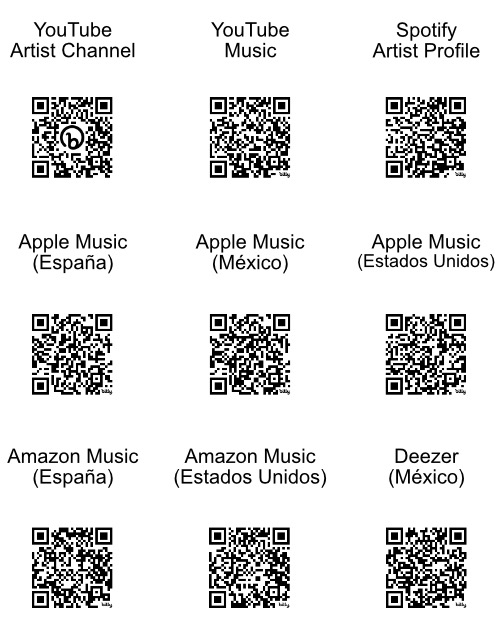
Jean-Michel Serres Apfel Café Apfelsaft Cinema Music Códigos QR Centro Español 2024.