Notizen über Germaine Tailleferre und Seinen Werken

Überblick

Germaine Tailleferre (1892-1983) war eine französische Komponistin und die einzige Frau in der berühmten Gruppe Les Six, zu der auch Poulenc, Milhaud, Honegger, Auric und Durey gehörten. Dieses Kollektiv lehnte den Einfluss der romantischen Musik Wagners und des Impressionismus Debussys ab und bevorzugte eine leichtere, klarere und zugänglichere Musik, die oft von Humor und populären Einflüssen geprägt war.

Tailleferre, die am Pariser Konservatorium ausgebildet wurde, entwickelte einen raffinierten Stil, der von Lyrik und neoklassizistischer Eleganz geprägt ist. Ihr Werk umfasst mehrere Genres: Klaviermusik, Kammermusik, symphonische Musik, Oper und Filmmusik. Zu ihren bemerkenswerten Stücken gehören das Klavierkonzert (1924), die Harfensonate und Le marchand d’oiseaux, eine leichte und charmante Orchestersuite.

Trotz ihres Talents wurde sie von einigen ihrer männlichen Kollegen nicht anerkannt und lebte oft in prekären Verhältnissen. Dennoch komponierte sie bis zu ihrem Lebensende weiter und hinterließ einen umfangreichen Katalog, der sich durch melodische Finesse und Klarheit des Schreibens auszeichnet und es verdient, wiederentdeckt zu werden.

Geschichte

Germaine Tailleferre wurde 1892 als Germaine Tailefesse in eine Familie geboren, in der Musik nicht gefördert wurde. Ihr Vater missbilligte ihr Interesse am Klavier, aber sie beharrte, unterstützt von ihrer Mutter, und schaffte es schließlich, am Pariser Konservatorium aufgenommen zu werden. Dort freundete sie sich mit Komponisten wie Darius Milhaud, Arthur Honegger und Francis Poulenc an, die später mit ihr Les Six gründeten, eine Gruppe, die sich vom Impressionismus Debussys und der Romantik Wagners lösen wollte. Zu dieser Zeit änderte sie ihren Namen in Tailleferre, um einen Bruch mit ihrem Vater zu markieren.

Im Paris der 1920er Jahre bewegt sie sich in einer Welt voller neuer Ideen, verkehrt mit Cocteau, Strawinsky und Satie und komponiert Werke, in denen sich Eleganz und Modernität vermischen. Ihr Klavierkonzert (1924) und ihr Harfenkonzert (1927) offenbaren eine sowohl virtuose als auch delikate Kompositionsweise, die ihr die Bewunderung ihrer Kollegen einbrachte. Sie heiratete einen amerikanischen Anwalt, Ralph Barton, aber die Ehe war von kurzer Dauer: Barton war instabil und ihre Beziehung wurde zu einer emotionalen Belastung. Geprägt von dieser Erfahrung kehrte sie nach Frankreich zurück.

Der Zweite Weltkrieg zwang sie ins Exil in die USA, wo sie Schwierigkeiten hatte, eine Stelle zu finden. Nach dem Krieg kehrte sie nach Frankreich zurück und komponierte weiter, obwohl ihre Karriere etwas ins Stocken geriet. Sie unterrichtete, schrieb Filmmusik und durchlebte finanzielle Schwierigkeiten. Doch bis zu ihrem Lebensende behielt sie einen scharfen Verstand und eine ungebrochene Liebe zur Musik.

Sie starb 1983, unauffällig, aber immer noch aktiv. Auch wenn sie nie die Anerkennung einiger ihrer Zeitgenossen erlangte, wird ihr Werk, das von Klarheit, Anmut und Erfindungsreichtum geprägt ist, weiterhin neu entdeckt und gefeiert.

Chronologie

1892 – Geburt

• Germaine Tailleferre wird am 19. April in Saint-Maur-des-Fossés, einem Vorort von Paris, geboren.
• Ihr Vater, der gegen ihren Wunsch, Musikerin zu werden, ist, missbilligt, dass sie Klavier lernt, aber ihre Mutter unterstützt sie.

1904-1915 – Musikstudium

• 1904 Eintritt in das Pariser Konservatorium, wo sie sich in Musiktheorie, Harmonielehre und Kontrapunkt auszeichnet.
• Dort lernt sie Darius Milhaud, Arthur Honegger und Francis Poulenc kennen, die ihre Freunde und zukünftigen Weggefährten in der Gruppe Les Six werden.
• Nimmt den Namen Tailleferre an, um sich von ihrem Vater abzugrenzen.

1917-1920 – Les Six und der Erfolg

• Lernt Jean Cocteau und Erik Satie kennen, die ihren Musikstil beeinflussen.
• 1920 tritt sie Les Six bei, einer Gruppe von Komponisten, die eine musikalische Ästhetik teilen, die mit Romantik und Impressionismus bricht.
• Beteiligt sich am Sammelalbum Les Mariés de la Tour Eiffel (1921).

1920-1930 – Glanzvolle Jahre

• Komposition ihres Klavierkonzerts (1924), das für seine Eleganz und Klarheit gelobt wird.
• Schaffung ihres Harfenkonzerts (1927), eines ihrer meistgespielten Werke.
• Heirat mit Ralph Barton, einem amerikanischen Karikaturisten, im Jahr 1926, aber die Ehe scheitert.

1930-1945 – Krisen und Exil

• Nach ihrer Scheidung kehrt sie nach Frankreich zurück. Sie komponiert weiter, hat aber finanzielle Schwierigkeiten.
• Während des Zweiten Weltkriegs flieht sie in die USA (1942), wo sie vor allem Filmmusik komponiert.

1946-1983 – Wiederentdeckung und letzte Jahre

• Nach dem Krieg kehrt sie nach Frankreich zurück, unterrichtet und komponiert weiter.
• Schafft vielfältige Werke, darunter Opern (Il était un petit navire, 1951) und Kammermusik.
• Bleibt am Rande der offiziellen Musikwelt und lebt bescheiden.
• Stirbt am 7. November 1983 in Paris und hinterlässt ein Werk voller Eleganz und Modernität.

Obwohl weniger berühmt als ihre männlichen Kollegen, wird Tailleferre heute als einzigartige Stimme des französischen Neoklassizismus wiederentdeckt.

Musikmerkmale

Die Musik von Germaine Tailleferre zeichnet sich durch ihre Eleganz, Klarheit und eine gewisse melodische Frische aus. Sie fügt sich in die neoklassische Ästhetik ein und bewahrt gleichzeitig eine persönliche Sensibilität.

1. Klarheit und neoklassische Einfachheit

Tailleferre lehnt die Exzesse der Romantik und die harmonische Undurchsichtigkeit des Impressionismus ab und bevorzugt eine klare und ausgewogene Schreibweise. Sein Stil ist von klassischer und barocker Musik inspiriert, aber mit einem Hauch von Modernität.

2. Raffinierte und ausdrucksstarke Melodien

Seine melodischen Linien sind singend, oft lyrisch, aber niemals bombastisch. Sie erinnern manchmal an den Stil von Poulenc, mit einer natürlichen Sanftheit und Eleganz.

3. Subtile und farbenfrohe Harmonie

Obwohl weniger gewagt als die von Debussy oder Ravel, ist ihre Harmonie raffiniert, manchmal mit impressionistischen Akzenten versehen, aber immer im Dienste der musikalischen Klarheit.

4. Lebhafte und fließende Rhythmen

Tailleferre bevorzugt schnelle und leichte Bewegungen mit einer flexiblen und dynamischen rhythmischen Schreibweise. Sie versteht es auch, tänzerische Rhythmen zu verwenden, die von der Popmusik und dem Jazz beeinflusst sind.

5. Einfluss der Popmusik

Sie integriert manchmal Elemente der französischen Popmusik, des Jazz oder auch spanische Einflüsse, insbesondere in bestimmten Orchesterstücken und ihren Klavierwerken.

6. Diskrete, aber anspruchsvolle Virtuosität

Ihre Werke für Klavier und Harfe erfordern oft eine große Technik, jedoch ohne Zurschaustellung. Der technische Anspruch steht immer im Dienste der Musikalität.

7. Humor und Leichtigkeit

Wie andere Mitglieder der „Sechs“ bringt sie manchmal einen Hauch von Humor oder Ironie in ihre Kompositionen ein, vermeidet Pathos und bevorzugt eine gewisse Unbeschwertheit.

Ihre Werke wie das Klavierkonzert (1924), die Harfen-Sonate (1953) oder auch ihre Oper Il était un petit navire veranschaulichen diese Eigenschaften. Ihr Stil bleibt immer elegant und fließend, ohne zu beeindrucken, was zur Einzigartigkeit ihrer Musik in der Landschaft des 20. Jahrhunderts beiträgt.

Beziehungen

Germaine Tailleferre (1892-1983) unterhielt zahlreiche direkte Beziehungen zu Komponisten, Interpreten, Dirigenten und Persönlichkeiten aus verschiedenen Bereichen. Hier ein Überblick über ihre wichtigsten Verbindungen:

1. Komponisten

Die Sechs (Poulenc, Milhaud, Honegger, Auric, Durey): Als Mitglied der berühmten Gruppe der Sechs stand sie in enger Beziehung zu Francis Poulenc, der ihr Talent schätzte, und zu Darius Milhaud, der sie bei ihren Kompositionen unterstützte. Arthur Honegger, der zwar seriöser war und sich dem Kontrapunkt verschrieben hatte, teilte auch ihre Bewunderung für Ravel.

Maurice Ravel: Sie bewunderte Ravel sehr und ermutigte sie, auch wenn er keine so direkte Rolle spielte wie bei anderen Komponisten.
Erik Satie: Er war eine einflussreiche Figur in der Gruppe der Sechs, obwohl er nicht offiziell dazugehörte. Satie unterstützte Tailleferre und schätzte ihn für seinen Geist und seine Musik.
Igor Strawinsky: Sie traf Strawinsky, aber ihre Stile unterschieden sich und sie schienen sich nicht besonders nahe zu stehen.
Jean Cocteau: Er war eine wichtige Figur in der Gruppe der Sechs und beeinflusste indirekt ihre Karriere, insbesondere durch seinen Einfluss auf die Ästhetik der Gruppe.

2. Interpreten und Dirigenten

Alfred Cortot: Der Pianist und Pädagoge war einer seiner Lehrer an der Schola Cantorum.
Nadia Boulanger: Obwohl sie an der Schola Cantorum studierte, kannte sie Nadia Boulanger gut, die viele Komponisten ihrer Generation beeinflusste.
Charles Munch: Er dirigierte einige seiner Orchesterwerke.
Pierre Monteux: Er trug ebenfalls dazu bei, einige ihrer Stücke bekannt zu machen.
Marcelle Meyer: Als Pianistin, die den Six nahe stand, interpretierte sie einige ihrer Werke.

3. Nicht-musikalische Persönlichkeiten

Jean Cocteau: Der Dichter, Dramatiker und Filmemacher war eine prägende Figur der Gruppe der Six und beeinflusste ihre künstlerische Ästhetik.
Paul Claudel: Sie arbeitete mit ihm an musikalischen und literarischen Projekten zusammen.
Le Corbusier: Sie bewegte sich in avantgardistischen Kreisen, in denen moderne Architektur und Musik aufeinandertrafen.

4. Zusammenarbeit mit Orchestern und Institutionen

Orchestre National de France: Mehrere ihrer Werke wurden dort aufgeführt.
Radio France: Sie schrieb zahlreiche Musikstücke für Radio und Fernsehen.
Opéra-Comique: Einige ihrer Werke wurden dort aufgeführt.

Germaine Tailleferre bewegte sich in einer künstlerischen Welt in voller Aufregung und knüpfte wichtige Verbindungen zu den bedeutenden Persönlichkeiten ihrer Zeit.

Ähnliche Komponisten

Germaine Tailleferre hatte einen musikalischen Stil, der sich durch neoklassische Klarheit, eine oft humorvolle Leichtigkeit und einen spürbaren Einfluss von Ravel und der Groupe des Six auszeichnete. Hier sind einige Komponisten, die ihr ähneln, sei es in ihrer Ästhetik, ihrer Epoche oder ihrem Werdegang:

1. Komponisten, die der Groupe des Six nahe stehen

Francis Poulenc (1899-1963): Wie Tailleferre verband Poulenc melodische Eleganz mit einer gewissen Verspieltheit, beeinflusst von Satie. Mit ihm teilte er eine Affinität zu neoklassizistischen Formen und eine ausgeprägte französische Sensibilität.

Darius Milhaud (1892-1974): Seine polytonale Schreibweise und seine Vorliebe für Jazz zeichneten ihn aus, aber er teilte mit Tailleferre eine Vorliebe für Erfindungsreichtum und orchestrale Fluidität.

Arthur Honegger (1892-1955): Honegger war seriöser und dramatischer als Tailleferre, bewegte sich jedoch in denselben Kreisen und teilte einige neoklassische Anliegen.

Louis Durey (1888-1979) und Georges Auric (1899-1983): Obwohl heute weniger bekannt, haben sie wie Tailleferre eine direkte Sprache erforscht, beeinflusst von Satie und Strawinsky.

2. Französische neoklassische und modernistische Komponisten

Jean Françaix (1912-1997): Als Erbe des Stils der „Six“ schrieb er elegante und leichte Musik im Stil von Tailleferre.

Henri Sauguet (1901-1989): Sein melodischer Ansatz und seine schlichte Komposition erinnern an Tailleferre, mit einer melancholischeren Note.

Jacques Ibert (1890-1962): Seine Vorliebe für Klarheit und Humor in der Orchester- und Kammermusik bringt ihn dem Stil von Tailleferre näher.

3. Komponisten, die von Ravel und dem Neoklassizismus beeinflusst wurden

Lili Boulanger (1893-1918): Obwohl ihr Stil lyrischer und manchmal düsterer war als der von Tailleferre, teilte sie seine Vorliebe für orchestrale Klangfarben und raffinierte Harmonien.

Maurice Delage (1879-1961): Er stand Ravel nahe und schrieb elegante und subtile Musik, die manchmal von exotischen Klängen beeinflusst war.

Albert Roussel (1869-1937): Sein energischer und strukturierter Neoklassizismus bringt ihn näher an Tailleferre.

4. Komponistinnen mit ähnlicher Ästhetik

Marcelle de Manziarly (1899-1989): Von Nadia Boulanger ausgebildet, schrieb sie zarte und raffinierte Werke in einem Geist, der dem von Tailleferre nahe steht.

Marguerite Canal (1890-1978): Komponistin und Dirigentin, ihre harmonische und melodische Sprache weist Ähnlichkeiten mit der von Tailleferre auf.

Elsa Barraine (1910-1999): Obwohl sie politisch engagierter war, blieb ihre Musik von derselben französischen Moderne beeinflusst.

Bekannte Werke für Soloklavier

Germaine Tailleferre komponierte mehrere Werke für Soloklavier, von denen einige zu Symbolen ihres eleganten, raffinierten und oft schelmischen Stils geworden sind. Hier sind einige ihrer bekanntesten Stücke:

Berühmte Werke für Soloklavier

„Pastorale“ (1919) – Ein kurzes und zartes Stück, beeinflusst vom Neoklassizismus und dem Erbe Ravels.

„Impromptu„ (1912, überarbeitet 1921) – Ein Werk mit raffinierten Harmonien und fließender Eleganz.

„Valse lente“ (1919) – Ein poetischer Walzer, der an die Ästhetik von Satie und Ravel erinnert.

„Jeux de plein air„ (1917-1928) – Eine Suite in mehreren Sätzen, die mit einem leichten und spielerischen Ton an Kinderspiele erinnert.

„Fleurs de France“ (1943) – Eine Serie ausdrucksstarker Miniaturen, die von der französischen Folklore inspiriert sind.

„Suite burlesque„ (1917-1920) – Ein Werk voller Lebendigkeit und Humor, das typisch für den Einfluss der Groupe des Six ist.

„Partita“ (1957) – Ein Werk in mehreren Sätzen, das seine Beherrschung des Kontrapunkts und der klassischen Formen veranschaulicht.

„Image“ (1918) – Ein impressionistisches Stück, das an Ravel erinnert, mit einer verträumten Atmosphäre.

„Deux Études„ (1925-1970) – Kurze virtuose Übungen, die moderne Klangfarben erkunden.

„Larghetto“ (1918) – Ein lyrisches und intimes Stück von großer harmonischer Feinheit.

Berühmte Klaviertrios

Germaine Tailleferre komponierte mehrere Kammermusikwerke, darunter einige Trios für Klavier, Violine und Cello. Hier sind ihre bekanntesten Trios:

1. Trio für Klavier, Violine und Cello (1917, überarbeitet 1978)

Es ist ihr berühmtestes Trio und eines ihrer Meisterwerke.
Es spiegelt den Einfluss von Ravel und des Neoklassizismus wider, mit einer eleganten und fließenden Schreibweise.
Es wurde 1917 komponiert und 1978 überarbeitet und wechselt lyrische Passagen mit lebhaften Abschnitten ab.

2. Trio für Klavier, Violine und Violoncello (1978)

Es handelt sich um ein zweites Trio, das weniger bekannt ist, aber immer noch von der für Tailleferre charakteristischen Klarheit und Leichtigkeit geprägt ist.
Der Einfluss seines späteren Schreibens ist spürbar, mit einem reineren, aber immer noch melodischen Stil.

Das Trio von 1917 wird am häufigsten aufgeführt und aufgenommen und ist ein schönes Beispiel für den neoklassizistischen französischen Stil des 20. Jahrhunderts!

Bekannte Werke

Orchestermusik

Konzert für Klavier und Orchester (1924, überarbeitet 1926) – Ein brillantes und farbenfrohes Werk, beeinflusst vom Neoklassizismus.

Concerto grosso für zwei Klaviere, acht Solostimmen, Altsaxophon und Orchester (1952) – Ein ambitioniertes Werk, das Klassik und Moderne vereint.

Konzert für Harfe und Orchester (1927-1928) – Sehr raffiniert und leicht, es steht in der französischen Tradition der Harfe.

Konzert für Violine und Orchester (1934-1936) – Weniger bekannt, aber von großer melodischer Eleganz.

Ouvertüre (1932) – Ein lebhaftes und verspieltes Orchesterstück.

Kammermusik

Sonate für Violine und Klavier (1951-1957) – Ein fließendes und leuchtendes Werk mit impressionistischen und neoklassizistischen Einflüssen.

Streichquartett (1917-1919, überarbeitet 1936) – Ein Werk von großer Finesse, das an das Erbe Ravels erinnert.

Harfen-Sonate (1953) – Ein delikates und ausdrucksstarkes Stück.

Sonate für Klarinette und Klavier (1957) – Ein kurzes Werk, aber voller Charme und Agilität.

Vokal- und Chormusik

„Chansons françaises“ (1929) – Ein Zyklus leichter und geistreicher Melodien.

„Cantate du Narcisse„ (1942) – Ein Werk für Gesang und Orchester, geschrieben nach einem Text von Paul Valéry.

„La petite sirène“ (1957-1959) – Eine Kammeroper, inspiriert von Andersens Märchen.

Musik für Theater und Film

„Zoulaïna„ (1923) – Humorvolles Ballett, das vom Geist der Gruppe der Sechs beeinflusst ist.

„Paris-Magie“ (1949) – Lebendige und spritzige Ballettmusik.

Filmmusik – Sie schrieb mehrere Partituren für das Kino, insbesondere für „Les Deux Timides“ (1947) und „Le Petit chose“ (1953).

Diese Werke veranschaulichen die Vielseitigkeit des Talents von Tailleferre, der sich in den Bereichen Orchester, Kammermusik, Gesang und Bühne auszeichnete.

(Dieser Artikel wurde von ChatGPT generiert. Und er ist nur ein Referenzdokument, um Musik zu entdecken, die Sie noch nicht kennen.)

Inhalt der klassischen Musik

Best Classical Recordings
on YouTube

Best Classical Recordings
on Spotify
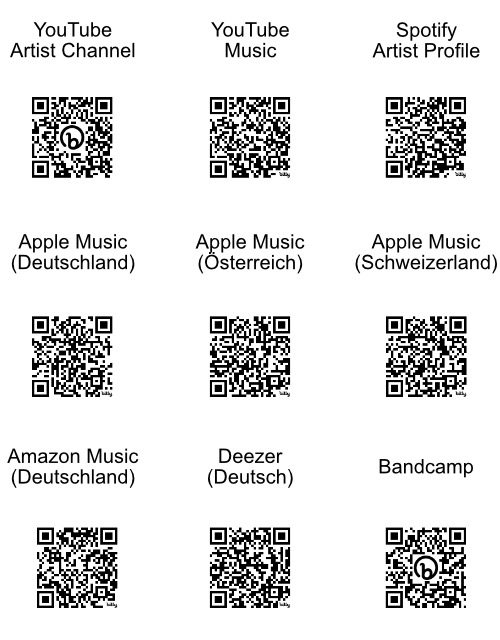
Jean-Michel Serres Apfel Cafe Apfelsaft Cinema Music QR-Kodes Mitte Deutsch 2024.

Notes on Germaine Tailleferre and Her Works

Overview

Germaine Tailleferre (1892-1983) was a French composer and the only woman in the famous group Les Six, alongside Poulenc, Milhaud, Honegger, Auric and Durey. This collective rejected the influence of Wagnerian romanticism and Debussy’s impressionism, favouring lighter, clearer and more accessible music, often tinged with humour and popular influences.

Tailleferre, trained at the Paris Conservatoire, developed a refined style, imbued with lyricism and neoclassical elegance. Her work spans several genres: piano music, chamber music, symphonic music, opera and film music. Her notable pieces include the Piano Concerto (1924), the Harp Sonata and Le marchand d’oiseaux, a light and charming orchestral suite.

Despite her talent, she did not receive the recognition of some of her male colleagues and often lived in precarious conditions. Nevertheless, she continued to compose until the end of her life, leaving a rich catalogue characterised by melodic finesse and clarity of writing that deserve to be rediscovered.

History

Germaine Tailleferre was born in 1892 as Germaine Tailefesse into a family where music was not encouraged. Her father disapproved of her interest in the piano, but she persisted, supported by her mother, and eventually entered the Paris Conservatoire. There, she became friends with composers such as Darius Milhaud, Arthur Honegger and Francis Poulenc, who, with her, would later form Les Six, a group seeking to break free from Debussy’s impressionism and Wagner’s romanticism. It was at this time that she changed her name to Tailleferre, to mark a break with her father.

In the Paris of the 1920s, she evolved in a world bubbling with new ideas, frequented Cocteau, Stravinsky and Satie, and composed works combining elegance and modernity. Her Piano Concerto (1924) and Harp Concerto (1927) reveal a style that is both virtuoso and delicate, earning her the admiration of her peers. She married an American lawyer, Ralph Barton, but the marriage was short-lived: Barton was unstable, and their relationship became an emotional burden. She returned to France, marked by this experience.

The Second World War forced her into exile in the United States, where she struggled to find a place for herself. After the war, she returned to France and continued to compose, although her career suffered a certain decline. She taught, wrote film music, and went through difficult financial periods. Yet, until the end of her life, she retained a lively mind and an undiminished love of music.

She died in 1983, discreet but still active. Although she never received the recognition of some of her contemporaries, her work, imbued with clarity, grace and inventiveness, continues to be rediscovered and celebrated.

Chronology

1892 – Birth

• Germaine Tailleferre was born on 19 April in Saint-Maur-des-Fossés, in the Paris suburbs.
• Her father, opposed to her desire to become a musician, disapproved of her learning the piano, but her mother supported her.

1904-1915 – Musical studies

• Enrolled at the Paris Conservatoire in 1904, where she excelled in music theory, harmony and counterpoint.
• Met Darius Milhaud, Arthur Honegger and Francis Poulenc, who became her friends and future companions in the group Les Six.
• Adopted the name Tailleferre in opposition to her father.

1917-1920 – Les Six and success

• Meets Jean Cocteau and Erik Satie, who influence his musical style.
• In 1920, she joins Les Six, a group of composers sharing a musical aesthetic that breaks with romanticism and impressionism.
• Participates in the collective album Les Mariés de la Tour Eiffel (1921).

1920-1930 – Prosperous years

• Composes her Piano Concerto (1924), acclaimed for its elegance and clarity.
• Creates her Harp Concerto (1927), one of her most frequently performed works.
• Marries Ralph Barton, an American cartoonist, in 1926, but the marriage is a failure.

1930-1945 – Crisis and exile

• She returned to France after her divorce. She continued to compose but experienced financial difficulties.
• During the Second World War, she took refuge in the United States (1942), where she composed film music, among other things.

1946-1983 – Rediscovery and final years

• Returning to France after the war, she taught and continued to compose.
• Created a variety of works, including operas (Il était un petit navire, 1951) and chamber music.
• Remained on the fringes of the official musical world and lived modestly.
• Died on 7 November 1983 in Paris, leaving behind a body of work characterised by elegance and modernity.

Although less famous than her male colleagues, Tailleferre is now being rediscovered as a unique voice of French neoclassicism.

Characteristics of the music

Germaine Tailleferre’s music is characterised by its elegance, clarity and a certain melodic freshness. It is part of the neoclassical aesthetic while retaining a personal sensitivity.

1. Neoclassical clarity and simplicity

Tailleferre rejected the excesses of Romanticism and the harmonic opacity of Impressionism, preferring a clear and balanced style. His style was inspired by classical and baroque music, but with a touch of modernity.

2. Refined and expressive melodies

His melodic lines were lilting, often lyrical, but never grandiloquent. They are sometimes reminiscent of the style of Poulenc, with a natural softness and elegance.

3. Subtle and colourful harmony

Although less daring than that of Debussy or Ravel, her harmony is refined, sometimes tinged with impressionist touches, but always in the service of musical clarity.

4. Lively and fluid rhythms

Tailleferre favoured fast and light movements, with a flexible and dynamic rhythmic style. She also knew how to use dance rhythms, influenced by popular music and jazz.

5. Influence of popular music

She sometimes incorporated elements of French popular music, jazz or even Hispanic inspirations, particularly in certain orchestral pieces and her works for piano.

6. Discreet but demanding virtuosity

His works for piano and harp often require great technique, but without ostentation. The technical demands are always placed at the service of musicality.

7. Humour and lightness

Like other members of the Six, he sometimes introduces a touch of humour or irony into his compositions, avoiding pathos and favouring a certain carefree attitude.

Her works such as the Piano Concerto (1924), the Harp Sonata (1953) and her opera Il était un petit navire are good examples of these characteristics. Her style always remains elegant and fluid, without seeking to impress, which contributes to the uniqueness of her music in the 20th century landscape.

Relations

Germaine Tailleferre (1892-1983) had many direct relationships with composers, performers, conductors and personalities from various backgrounds. Here is an overview of her most significant relationships:

1. Composers

The Six (Poulenc, Milhaud, Honegger, Auric, Durey): A member of the famous group of Six, she was close to Francis Poulenc, who appreciated her talent, and Darius Milhaud, who encouraged her in her compositions. Arthur Honegger, although more serious and attached to counterpoint, also shared her admiration for Ravel.

Maurice Ravel: She greatly admired Ravel, who encouraged her, although he did not play as direct a role as he did for other composers.
Erik Satie: He was an influential figure in the Group of Six, although he was not officially part of it. Satie supported Tailleferre and appreciated him for his wit and his music.
Igor Stravinsky: She crossed paths with Stravinsky, but their styles differed and they did not seem particularly close.
Jean Cocteau: He was an important figure in the Group of Six and indirectly influenced his career, particularly through his influence on the group’s aesthetic.

2. Performers and conductors

Alfred Cortot: The pianist and teacher was one of his teachers at the Schola Cantorum.
Nadia Boulanger: Although she studied at the Schola Cantorum, she knew Nadia Boulanger well, who influenced many composers of her generation.
Charles Munch: He conducted some of his orchestral works.
Pierre Monteux: He also helped to make some of her pieces known.
Marcelle Meyer: A pianist close to the Six, she performed some of her works.

3. Non-musical personalities

Jean Cocteau: Poet, playwright and filmmaker, he was a prominent figure of the Group of Six and influenced their artistic aesthetic.
Paul Claudel: She collaborated with him on musical and literary projects.
Le Corbusier: She moved in avant-garde circles where modern architecture and music met.

4. Collaborations with orchestras and institutions

Orchestre National de France: Several of her works have been performed there.
Radio France: She wrote a lot of music for radio and television.
Opéra-Comique: Some of her works have been performed there.

Germaine Tailleferre’s musical style was characterised by neoclassical clarity, a lightness often tinged with humour and a notable influence from Ravel and the Group of Six. Here are some composers who are similar to her, whether in terms of their aesthetic, their era or their career path:

1. Composers close to the Group of Six

Francis Poulenc (1899-1963): Like Tailleferre, Poulenc combined melodic elegance with a certain playfulness, influenced by Satie. He shared with her an affinity for neoclassical forms and a marked French sensibility.

Darius Milhaud (1892-1974): His polytonal writing and his taste for jazz set him apart, but he shared with Tailleferre a penchant for inventiveness and orchestral fluidity.

Arthur Honegger (1892-1955): More serious and dramatic than Tailleferre, Honegger nevertheless evolved in the same circles and shared certain neoclassical preoccupations.

Louis Durey (1888-1979) and Georges Auric (1899-1983): Although less well known today, they, like Tailleferre, explored a direct language, influenced by Satie and Stravinsky.

2. French neoclassical and modernist composers

Jean Françaix (1912-1997): Heir to the style of Les Six, he wrote elegant and light music in the vein of Tailleferre.

Henri Sauguet (1901-1989): His melodic approach and refined writing are reminiscent of Tailleferre, with a more melancholic touch.

Jacques Ibert (1890-1962): His taste for clarity and humour in orchestral and chamber music brings him closer to the style of Tailleferre.

3. Composers influenced by Ravel and neoclassicism

Lili Boulanger (1893-1918): Although her style was more lyrical and sometimes darker than Tailleferre’s, she shared a taste for orchestral colour and refined harmonies.

Maurice Delage (1879-1961): Close to Ravel, he wrote elegant and subtle music, sometimes influenced by exotic sounds.

Albert Roussel (1869-1937): His energetic and structured neoclassicism brings him closer to Tailleferre.

4. Women composers with a similar aesthetic

Marcelle de Manziarly (1899-1989): Trained by Nadia Boulanger, she wrote delicate and refined works in a spirit close to Tailleferre.

Marguerite Canal (1890-1978): Composer and conductor, her harmonic and melodic language has similarities with that of Tailleferre.

Elsa Barraine (1910-1999): More politically engaged, her music remains influenced by the same French modernism.

Famous works for solo piano

Germaine Tailleferre composed several works for solo piano, some of which have become emblematic of her elegant, refined and often mischievous style. Here are some of her best-known pieces:

Famous works for solo piano

‘Pastorale’ (1919) – A short and delicate piece, influenced by neoclassicism and Ravel’s legacy.

‘Impromptu‘ (1912, revised in 1921) – A work with refined harmonies and fluid elegance.

‘Valse lente’ (1919) – A poetic waltz reminiscent of the aesthetics of Satie and Ravel.

‘Jeux de plein air‘ (1917-1928) – A suite in several movements that evokes children’s games with a light and playful tone.

‘Fleurs de France’ (1943) – A series of expressive miniatures inspired by French folklore.

‘Suite burlesque‘ (1917-1920) – A work full of vivacity and humour, typical of the influence of the Group of Six.

‘Partita’ (1957) – A work in several movements illustrating his mastery of counterpoint and classical forms.

‘Image’ (1918) – An impressionistic piece reminiscent of Ravel, with a dreamy atmosphere.

‘Deux Études‘ (1925-1970) – Short virtuoso exercises that explore modern sounds.

‘Larghetto’ (1918) – A lyrical and intimate piece, with great harmonic delicacy.

Famous piano trios

Germaine Tailleferre composed several works of chamber music, including a number of trios for piano, violin and cello. These are her best-known trios:

1. Trio for piano, violin and cello (1917, revised in 1978)

This is her most famous trio and one of her masterpieces.
It reflects the influence of Ravel and neoclassicism, with elegant and fluid writing.
Composed in 1917, then revised in 1978, it alternates lyrical passages with sections full of vivacity.

2. Trio for piano, violin and cello (1978)

This is a second trio, less well known but still characterised by the clarity and lightness typical of Tailleferre.
The influence of his later work can be felt, with a more refined but still melodic style.

The 1917 Trio is still the most frequently played and recorded, and is a fine illustration of the French neoclassical style of the 20th century!

Famous works

Orchestral music

Concerto for piano and orchestra (1924, revised in 1926) – A brilliant and colourful work, influenced by neoclassicism.

Concerto grosso for two pianos, eight solo voices, alto saxophone and orchestra (1952) – An ambitious work combining classicism and modernity.

Concerto for harp and orchestra (1927-1928) – Very refined and light, it is part of the French harp tradition.

Concerto for violin and orchestra (1934-1936) – Less well known but with great melodic elegance.

Overture (1932) – A lively and cheerful orchestral piece.

Chamber music

Sonata for violin and piano (1951-1957) – A fluid and luminous work, with impressionist and neoclassical influences.

String quartet (1917-1919, revised in 1936) – A work of great finesse, reminiscent of the Ravelian heritage.

Sonata for harp (1953) – A delicate and expressive piece.

Sonata for clarinet and piano (1957) – A short work, but full of charm and agility.

Vocal and choral music

‘Chansons françaises’ (1929) – A cycle of light-hearted and witty melodies.

‘Cantate du Narcisse‘ (1942) – Work for voice and orchestra, written to a text by Paul Valéry.

‘The Little Mermaid’ (1957-1959) – A chamber opera inspired by Andersen’s fairy tale.

Music for theatre and cinema

‘Zoulaïna‘ (1923) – Humorous ballet influenced by the spirit of the Group of Six.

‘Paris-Magie’ (1949) – A lively and sparkling ballet music.

Film music – She wrote several scores for the cinema, notably for ‘Les Deux Timides’ (1947) and ‘Le Petit chose’ (1953).

These works clearly illustrate the diversity of Tailleferre’s talent, who excelled in orchestral, chamber, vocal and stage music.

(This article was generated by ChatGPT. And it’s just a reference document for discovering music you don’t know yet.)

Classic Music Content Page

Best Classical Recordings
on YouTube

Best Classical Recordings
on Spotify
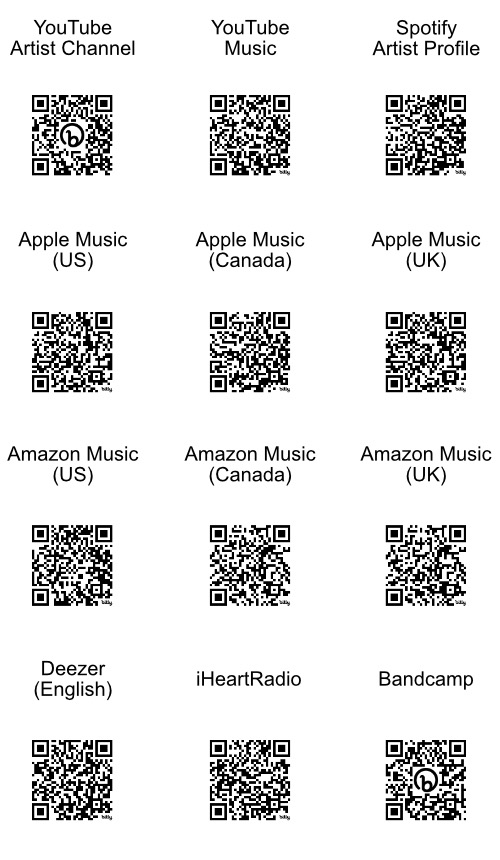
Jean-Michel Serres Apfel Café Music QR Codes Center English 2024.

Appunti su Georges Auric e le sue opere

Panoramica

Un libero pensatore della musica francese

Georges Auric (1899-1983) è stato un compositore francese dalle molteplici sfaccettature, membro del Gruppo dei Sei, prolifico compositore di musica per film e figura influente nel panorama musicale del XX secolo. Il suo percorso artistico è caratterizzato da un eclettismo dichiarato, una rara capacità di adattamento e la volontà di rompere le convenzioni accademiche pur rimanendo accessibile.

Gioventù e influenze (1899-1920)

Nato a Lodève, Auric è un prodigio che entra molto giovane al Conservatorio di Parigi. Fin dall’adolescenza frequenta figure di spicco dell’avanguardia artistica, in particolare Jean Cocteau, che diventerà un amico e un collaboratore essenziale. È anche influenzato da Satie, il cui spirito irriverente e la semplicità melodica segneranno il suo stile.

Nel 1920 diventa membro del Gruppo dei Sei, insieme a Poulenc, Milhaud, Honegger, Tailleferre e Durey. Questo gruppo rifiuta il romanticismo wagneriano e l’impressionismo debussyste, privilegiando una musica chiara, diretta e radicata nella vita quotidiana.

Una musica elegante e accessibile (1920-1940)

Durante gli anni ’20 e ’30, Auric compose opere leggere, a volte caratterizzate da umorismo e influenze jazz. Scrisse in particolare balletti come Les Fâcheux (1924) e Phèdre (1950), in cui esprime uno stile melodico semplice ma raffinato.

Ma è soprattutto il suo legame con Jean Cocteau che lo proietta verso la celebrità. Firma la musica del film Il sangue di un poeta (1930), un’opera sperimentale in cui il suo stile essenziale serve l’atmosfera onirica del film.

L’età d’oro della musica da film (1940-1960)

Georges Auric diventa uno dei compositori più richiesti per il cinema, firmando la musica di numerosi capolavori:

La bella e la bestia (1946) di Jean Cocteau → Una partitura magica e fiabesca, considerata uno dei suoi vertici.
Orfeo (1950) di Cocteau → Un’atmosfera misteriosa e ammaliante.
Moulin Rouge (1952) di John Huston → Musica che contribuisce alla vivace atmosfera del film.
Vacanze romane (1953) di William Wyler → Auric si esporta a Hollywood con eleganza.
Le sue musiche da film, espressive e accessibili al tempo stesso, influenzano in modo duraturo il genere e gli assicurano una popolarità mondiale.

Riconoscimento e fine della carriera (1960-1983)

Negli ultimi anni, Auric abbandona la composizione per assumere ruoli istituzionali, in particolare come direttore dell’Opéra de Paris e presidente della SACEM. Continua comunque a scrivere musica da camera e opere per orchestra, ma la sua eredità rimane soprattutto segnata dal suo lavoro per il cinema.

Morì nel 1983, lasciando un’opera che attraversa i generi con eleganza, sempre animata da uno spirito di libertà e chiarezza musicale.

Conclusione: un compositore camaleontico

Georges Auric non fu né un rivoluzionario né un teorico, ma un musicista pragmatico, capace di adattarsi a molti stili senza mai rinnegare il suo gusto per la semplicità melodica e l’efficacia espressiva. Tra il Gruppo dei Sei, la musica per balletto e il cinema, è riuscito a inserire il suo nome tra le figure di spicco della musica francese del XX secolo.

Storia

Georges Auric era un uomo dai molteplici volti. Nato nel 1899 a Lodève, nel sud della Francia, mostrò molto presto un talento eccezionale per la musica. Bambino prodigio, entrò rapidamente al Conservatorio di Parigi, dove fu immerso in un ambiente musicale in piena effervescenza. Molto giovane, attirò l’attenzione delle figure di spicco dell’avanguardia, in particolare Erik Satie, che gli infuse il suo spirito di indipendenza e il suo gusto per la semplicità, e Jean Cocteau, che divenne suo amico e suo collaboratore privilegiato.

Nel dopoguerra, mentre il mondo musicale era diviso tra l’eredità del romanticismo e le sperimentazioni moderniste, Auric trovò il suo posto all’interno del Groupe des Six, un collettivo di giovani compositori riuniti sotto l’egida di Cocteau e Satie. Con Francis Poulenc, Darius Milhaud, Arthur Honegger, Germaine Tailleferre e Louis Durey, prese parte a un movimento che rifiutava gli eccessi del passato e sosteneva una musica più leggera, radicata nella quotidianità e nell’umorismo. Tuttavia, Auric, come gli altri membri del gruppo, non rimase imprigionato in questa estetica e seguì la propria strada.

Il suo stile, inizialmente caratterizzato da una certa ironia e semplicità melodica, si è evoluto nel tempo. Ha trovato una nuova libertà nella musica per balletto e nelle collaborazioni con Jean Cocteau, in particolare per il film Il sangue di un poeta nel 1930. Ma è stato davvero dopo la seconda guerra mondiale che il suo nome è diventato imprescindibile, quando si è dedicato completamente alla musica per film. Auric era un camaleonte, capace di adattare la sua scrittura alle immagini senza mai perdere la sua identità. Ha firmato alcune delle colonne sonore più significative del cinema, in particolare per La bella e la bestia (1946), Orfeo (1950) e Moulin Rouge (1952).

A differenza di altri compositori della sua epoca, Auric non era un teorico o un rivoluzionario. Componeva soprattutto con un acuto senso dell’efficacia e dell’emozione, privilegiando sempre la chiarezza e l’eleganza. Con il tempo, si allontanò gradualmente dalla composizione per occupare importanti posizioni nelle istituzioni musicali francesi, in particolare come direttore dell’Opéra di Parigi. Tuttavia, anche in queste funzioni ufficiali, mantenne quello spirito indipendente che aveva caratterizzato tutta la sua vita.

Si spense nel 1983, lasciando dietro di sé un’opera immensa e variegata, a immagine del suo percorso. Pur non avendo cercato di rivoluzionare la musica, è riuscito a renderla viva, fluida e profondamente radicata nella sua epoca. La sua eredità è quella di un musicista libero, la cui musica continua ad accompagnare i sogni e le immagini ben oltre la sua epoca.

Cronologia

1899 – Nascita e primi passi nella musica

Georges Auric nasce il 15 febbraio 1899 a Lodève, una piccola città nel sud della Francia. Molto presto mostra un talento eccezionale per la musica e inizia a comporre all’età di 10 anni.

1913-1918 – Studi e incontri determinanti

Ancora adolescente, entra al Conservatorio di Parigi e segue anche corsi alla Schola Cantorum, dove studia con Vincent d’Indy. Si lega rapidamente a figure dell’avanguardia artistica, in particolare Erik Satie, che lo influenza con il suo spirito di indipendenza, e Jean Cocteau, che diventa suo amico e futuro collaboratore.

1920 – Il Gruppo dei Sei e l’avanguardia parigina

Auric si unisce al Groupe des Six, un collettivo di giovani compositori riuniti intorno a Jean Cocteau ed Erik Satie, che comprende Francis Poulenc, Darius Milhaud, Arthur Honegger, Germaine Tailleferre e Louis Durey. Questo gruppo rifiuta il romanticismo wagneriano e l’impressionismo debussiano a favore di una musica più semplice, diretta e talvolta intrisa di umorismo.

1920-1930 – Primi successi e collaborazione con Cocteau

Auric compone diverse opere orchestrali e di musica da camera, sviluppando al contempo un gusto per la musica da balletto e da scena. Scrive in particolare per i Balletti Svedesi e nel 1930 firma la musica del film sperimentale di Jean Cocteau, Il sangue di un poeta, segnando l’inizio di una lunga collaborazione con il regista.

1930-1940 – Una carriera tra musica colta e musica popolare

Durante questo decennio, Auric si cimenta in diversi stili, componendo sia opere orchestrali che musica leggera. Diventa uno dei compositori più eclettici del suo tempo, oscillando tra modernità e accessibilità.

1940-1950 – L’ascesa della musica da film e la consacrazione

Dopo la seconda guerra mondiale, Auric si dedica sempre più alla musica da film, diventando uno dei compositori più richiesti del genere. Scrive colonne sonore per capolavori del cinema, tra cui:

La bella e la bestia (1946) di Jean Cocteau
Orfeo (1950) di Cocteau
Moulin Rouge (1952) di John Huston
Vacanze romane (1953) di William Wyler

Il suo stile lirico e accessibile seduce Hollywood e gli studi europei.

1960-1970 – Impegno istituzionale

Auric riduce gradualmente la sua attività di compositore e ricopre diverse posizioni importanti nel mondo musicale francese:

Direttore dell’Opéra di Parigi (1962-1968)
Presidente della SACEM

Svolge un ruolo chiave nell’organizzazione della musica in Francia, pur continuando a comporre occasionalmente.

1983 – Fine della vita e eredità

Georges Auric muore il 23 luglio 1983 a Parigi. Lascia dietro di sé un’opera immensa, che spazia dalla musica sinfonica alla canzone popolare, passando per il balletto e il cinema. Il suo nome rimane particolarmente legato alla musica da film, dove ha segnato la sua epoca con il suo senso melodico e la sua espressività unica.

Caratteristiche della musica

Georges Auric (1899-1983) era un compositore francese associato al gruppo dei Sei, un collettivo di artisti che rifiutava l’influenza di Wagner e Debussy a favore di una musica più semplice e accessibile, ispirata al neoclassicismo e alla musica popolare. Ecco alcune caratteristiche essenziali del suo stile musicale:

1. Chiarezza e semplicità

Auric privilegiava una scrittura diretta e pulita, evitando gli eccessi armonici e orchestrali del tardo romanticismo.
Il suo linguaggio musicale si basa spesso su melodie cantabili e armonie semplici.

2. Influenza della musica popolare

Integra elementi di jazz, cabaret e canzone francese, in particolare nella sua musica per film e per il teatro.
Si ritrova un lato ritmico marcato e trascinante, a volte vicino alla musica da ballo.

3. Umorismo e leggerezza

Come altri membri del gruppo dei Sei (Poulenc, Milhaud…), amava una certa malizia nella sua scrittura, con contrasti inaspettati e colori vivaci.

4. Padronanza della musica da film

È noto soprattutto per i suoi numerosi brani originali, in particolare quelli dei film di Jean Cocteau (La Bella e la Bestia, Orfeo), in cui sviluppa un’atmosfera onirica ed espressiva.
Le sue musiche da film sanno essere al tempo stesso discrete ed evocative, servendo perfettamente l’immagine.

5. Eleganza neoclassica

Mantiene un’influenza classica nella sua struttura formale e nella sua economia di mezzi, pur rimanendo moderno e accessibile.
In breve, la musica di Georges Auric è caratterizzata da una sobria eleganza, grande chiarezza ed equilibrio tra tradizione e modernità. Si inserisce nella tradizione di un neoclassico Stravinsky pur avendo un tocco tipicamente francese, vicino a Poulenc o Milhaud.

Relazioni

Georges Auric ha intrattenuto numerose relazioni con compositori, interpreti, orchestre e personalità influenti della sua epoca. Ecco una panoramica delle sue relazioni più significative:

1. Relazioni con altri compositori

I Sei (Milhaud, Poulenc, Honegger, Tailleferre, Durey)

Auric faceva parte del Groupe des Six, un collettivo fondato intorno a Jean Cocteau ed Erik Satie, che sosteneva una musica leggera, anti-romantica e influenzata dalla musica popolare. I suoi rapporti con gli altri membri erano amichevoli, anche se ognuno di loro sviluppò uno stile personale dopo l’informale scioglimento del gruppo.

Erik Satie

Sebbene più anziano, Satie fu una sorta di mentore e ispiratore del Gruppo dei Sei. Il suo umorismo e il suo rifiuto del sentimentalismo romantico influenzarono Auric.

Igor Stravinsky

Stravinsky, in particolare nel suo periodo neoclassico, influenzò Auric, soprattutto nell’uso di forme chiare e ritmi marcati.

2. Collaborazioni con registi e scrittori

Jean Cocteau

Uno dei suoi più grandi collaboratori. Auric ha composto la musica di film emblematici come La bella e la bestia (1946) e Orfeo (1950). Condivideva con Cocteau una sensibilità artistica caratterizzata da onirismo e modernità.

Jean Anouilh

Auric ha composto per il teatro di Anouilh, contribuendo a molte delle sue messe in scena.

Max Jacob, Paul Éluard

Ha frequentato questi poeti, condividendo il gusto per l’avanguardia letteraria e artistica.

3. Rapporti con interpreti e orchestre

Francis Poulenc e Arthur Honegger (membri dei Six) hanno spesso diretto o interpretato le sue opere.

Orchestra Nazionale di Francia

Come compositore di musica per film e balletti, le sue opere sono state eseguite da grandi ensemble francesi.

Jean Wiener

Pianista e compositore, ha spesso interpretato le opere di Auric e condiviso il suo gusto per il jazz e la musica popolare.

4. Ruolo istituzionale e influenza politica

Direttore della SACEM (Società degli autori, compositori ed editori di musica)
Auric ha svolto un ruolo importante nella protezione dei diritti dei compositori e ha difeso attivamente la musica contemporanea.

Direttore dell’Opéra di Parigi (1962-1968)

Durante questo periodo, ha incoraggiato le produzioni moderne e sostenuto la creazione contemporanea.

5. Rapporti con personalità esterne al mondo musicale

Pablo Picasso

Amico di Cocteau e delle avanguardie parigine, Auric ha incontrato Picasso, che ha lavorato a scenografie e costumi per balletti e opere a cui Auric era associato.

Serge Diaghilev

Ha avuto legami con il fondatore dei Balletti Russi, anche se non ha composto direttamente per lui come Stravinsky o Poulenc.

Georges Auric è stato quindi una figura centrale nell’ambiente artistico del XX secolo, tra musica, cinema e arti visive, con relazioni influenti che hanno plasmato la sua carriera e il suo lavoro.

Compositori simili

Se ti piace la musica di Georges Auric, potrebbero piacerti le opere di diversi compositori con stili e influenze simili. Ecco alcuni nomi che condividono con lui tratti stilistici comuni:

1. Compositori del Gruppo dei Sei

I compositori del Gruppo dei Sei, di cui Auric faceva parte, hanno sviluppato ciascuno uno stile personale, ma condividevano un’estetica generale caratterizzata dalla chiarezza, dall’influenza della musica popolare e dal rifiuto dell’eccessivo romanticismo.

Francis Poulenc (1899-1963)

Uno dei più famosi del gruppo, Poulenc unisce leggerezza e profondità. Il suo stile oscilla tra ironia, lirismo e grande espressività (es. Concerto per due pianoforti, Gloria, Le mammelle di Tirésias).

Darius Milhaud (1892-1974)

Influenzato dal jazz e dalla musica popolare brasiliana e statunitense, usa spesso la politonalità (Le Bœuf sur le toit, Scaramouche).

Arthur Honegger (1892-1955)

Più drammatico e potente degli altri membri dei Six, compone opere orchestrali di grande impatto (Pacific 231, Jeanne d’Arc au bûcher).

Germaine Tailleferre (1892-1983)

Il suo stile è elegante e luminoso, con una scrittura spesso leggera e delicata (Concerto per pianoforte, Suite burlesque).

Louis Durey (1888-1979)

Meno conosciuto, era il più impegnato politicamente e spesso prese le distanze dal gruppo.

2. Compositori francesi neoclassici e modernisti

Oltre ai Sei, diversi compositori francesi del XX secolo condividono con Auric il gusto per il neoclassicismo e una certa estetica chiara ed elegante.

Jean Françaix (1912-1997)

Erede spirituale dei Six, compone musica piena di umorismo, vivacità e leggerezza (Concertino per pianoforte, L’Horloge de Flore).

Henri Sauguet (1901-1989)

Amico di Auric, compone balletti e colonne sonore in uno stile raffinato e accessibile (Les Forains).

Maurice Jaubert (1900-1940)

Compositore di colonne sonore, è vicino ad Auric per il suo stile sobrio ed espressivo (L’Atalante, Quai des brumes).

André Jolivet (1905-1974)

Più sperimentale, esplora nuove sonorità pur rimanendo accessibile (Concerto per tromba, Mana).

3. Compositori di musica per film e balletto

Georges Auric è noto soprattutto per le sue musiche per film e balletti. Diversi compositori hanno avuto un approccio simile in questo campo:

Nino Rota (1911-1979)

Famoso per le sue musiche per film (La Strada, Il Padrino), condivide con Auric il gusto per la melodia e l’evocazione poetica.

Michel Legrand (1932-2019)

Fortemente influenzato da Auric, mescola jazz, canzone e musica orchestrale (Les Parapluies de Cherbourg).

Bernard Herrmann (1911-1975)

Conosciuto soprattutto per le sue musiche da film (Psicosi, Vertigo), ha un senso dell’atmosfera e della narrazione simile a quello di Auric.

Arthur Bliss (1891-1975)

Compositore britannico che ha lavorato con registi come H.G. Wells (Things to Come), il suo stile ricorda a volte quello di Auric.

4. Compositori europei con un’estetica simile

Alcuni compositori al di fuori della Francia hanno sviluppato uno stile simile a quello di Auric, tra neoclassicismo, umorismo e accessibilità:

Manuel de Falla (1876-1946)

Il suo stile limpido, influenzato dalla musica spagnola, ricorda il gusto di Auric per la chiarezza (Le Tricorne, Nuits dans les jardins d’Espagne).

Bohuslav Martinů (1890-1959)

Compositore ceco influenzato dal neoclassicismo e dal jazz (Sinfonietta La Jolla, Julietta).

Kurt Weill (1900-1950)

Il suo mix di musica popolare e classica, in particolare nelle sue opere teatrali (L’opera da tre soldi), si unisce all’estetica di Auric.

Conclusione

Se ti piace Georges Auric, dovresti esplorare Poulenc e Françaix per il loro lato malizioso, Sauguet e Jaubert per la loro musica da film e Nino Rota per un lirismo comparabile. Per un approccio più internazionale, Martinů e Weill offrono anche una bella continuità.

Opere famose per pianoforte solo

Georges Auric è noto soprattutto per le sue musiche da film, i suoi balletti e alcuni lavori orchestrali e vocali. Ecco i suoi lavori più famosi, classificati per categoria:

1. Musiche da film (il suo campo più famoso)

Auric è stato uno dei compositori più influenti del cinema francese e internazionale. Ha collaborato con grandi registi, in particolare Jean Cocteau e René Clair.

La Bella e la Bestia (1946) – Musica incantevole per il capolavoro di Jean Cocteau.
Orphée (1950) – Musica onirica per questo film mitico di Cocteau.
Le Sang d’un poète (1930) – Un film sperimentale di Cocteau, in cui Auric crea un’atmosfera misteriosa.
Moulin Rouge (1952) – Film su Toulouse-Lautrec, con una musica elegante ed espressiva.
Vacanze romane (1953) – Uno dei suoi successi hollywoodiani, con Audrey Hepburn e Gregory Peck.
The Lavender Hill Mob (1951) – Una commedia britannica, musica frizzante e leggera.
Les Parents terribles (1948) – Adattamento dell’opera teatrale di Cocteau.

2. Balletti

Auric ha composto diversi balletti, spesso influenzati dal neoclassicismo e dalla musica popolare.

Les Matelots (1925) – Un balletto dallo stile vivace, influenzato dalla musica popolare.
Fedra (1950) – Un balletto drammatico ispirato alla tragedia classica.
La Concorrenza (1932) – Creato per i Balletti Svedesi.

3. Opere orchestrali e vocali

Auric ha composto anche per orchestra, spesso con influenze francesi e neoclassiche.

Ouverture pour un opéra comique (1938) – Un pezzo orchestrale vivace e colorato.
Huit bagatelles pour orchestre (1927) – Miniature orchestrali tipiche del suo stile chiaro e raffinato.
Chansons de Ronsard (1934) – Ciclo di melodie su poesie di Pierre de Ronsard.
Cantata sur le Narcisse (1938) – Opera vocale influenzata dalla mitologia.

4. Musica da camera

Sebbene meno noto per questo repertorio, Auric ha scritto alcuni pezzi interessanti:

Trio per oboe, clarinetto e fagotto (1938) – Un pezzo pieno di spirito, dai suoni leggeri.
Quintetto per fiati (1924) – Nello spirito del Gruppo dei Sei, un mix di umorismo ed eleganza.

Conclusione

Georges Auric rimane soprattutto un maestro della musica da film, ma il suo contributo al balletto e alla musica orchestrale è altrettanto notevole. Le sue opere sono caratterizzate da chiarezza di scrittura, un tocco di ironia ed eleganza neoclassica.

(Questo articolo è stato generato da ChatGPT. È solo un documento di riferimento per scoprire la musica che non conoscete ancora.)

Contenuto della musica classica

Best Classical Recordings
on YouTube

Best Classical Recordings
on Spotify
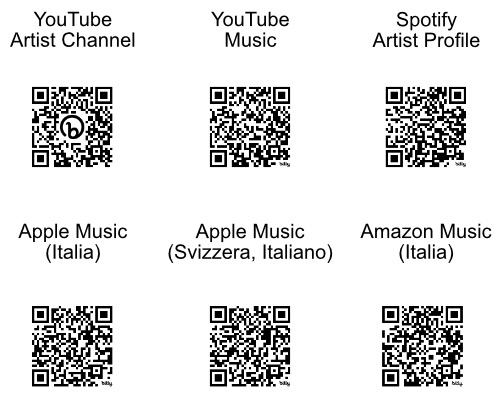
Jean-Michel Serres Apfel Café Apfelsaft Cinema Music Codici QR Centro Italiano Italia Svizzera 2024.