Notizen über Darius Milhaud und seinen Werken

Überblick

Darius Milhaud (1892-1974) war ein produktiver französischer Komponist, Mitglied der berühmten Gruppe Les Six, bekannt für seinen eklektischen Stil und seinen innovativen Einsatz von Polytonalität. Der aus der Provence stammende und von verschiedenen Einflüssen geprägte Komponist integrierte in seine Musik Elemente des Jazz, der brasilianischen Musik und der provenzalischen Folklore.

Musikalische Merkmale

Polytonalität: Milhaud überlagert mehrere Tonalitäten gleichzeitig und verleiht ihnen so eine kühne harmonische Farbe.
Jazz- und lateinamerikanische Einflüsse: Nach einem Aufenthalt in Brasilien als Kulturattaché (1917-1918) ließ er sich von brasilianischen Rhythmen inspirieren, insbesondere in „Le Bœuf sur le toit“. Er entdeckte auch den Jazz in den Vereinigten Staaten und integrierte ihn in seine Kompositionen.
Vielseitigkeit: Sein Werk umfasst alle Genres: Sinfonische Musik, Kammermusik, Oper, Chormusik und Musik für die Bühne.

Bekannte Werke

„Le Bœuf sur le toit“ (1919) – Fantasie für Orchester, beeinflusst von der brasilianischen Musik.
„La Création du monde„ (1923) – Vom Jazz inspiriertes Ballett mit einer Instrumentierung, die an Big Bands erinnert.
„Suite provençale“ (1936) – Orchesterwerk mit folkloristischen Farben Südfrankreichs.
„Saudades do Brasil“ (1920-1921) – Tanzsuite, inspiriert von seinem Aufenthalt in Brasilien.
„Scaramouche„ (1937) – Virtuoses und fröhliches Stück für Saxophon (oder Klarinette) und Klavier.
„Les Choéphores“ (1915-1916) – Musikdrama nach Aischylos, das seine Vorliebe für die Antike veranschaulicht.

Einfluss und Vermächtnis

Milhaud hat Generationen von Komponisten in den USA unterrichtet (insbesondere Dave Brubeck) und dazu beigetragen, die Polytonalität und den Jazz in der klassischen Musik bekannt zu machen. Sein umfangreiches Werk mit mehr als 400 Kompositionen macht ihn zu einem der produktivsten Komponisten des 20. Jahrhunderts.

Geschichte

Darius Milhaud wurde 1892 in Aix-en-Provence in eine jüdische Familie geboren, die tief mit ihrer Region verbunden war. Von klein auf war er von der provenzalischen Musik und Kultur umgeben, die seinen Stil sein ganzes Leben lang prägen sollten. Als ausgebildeter Geiger trat er bald in das Pariser Konservatorium ein, wo er bei Meistern wie Paul Dukas und André Gedalge studierte. Dort lernte er Arthur Honegger und Francis Poulenc kennen, mit denen er später die Gruppe Les Six gründete, ein Kollektiv junger Komponisten, die mit Romantik und Impressionismus brechen wollten.

Aber die wahre musikalische Offenbarung Milhauds kam, als er 1917 als Sekretär des Dichters Paul Claudel, damals französischer Botschafter, nach Brasilien ging. Dieser Aufenthalt prägte seine musikalische Vorstellungskraft zutiefst: Er entdeckte die brasilianischen Rhythmen, die überschwänglichen Perkussionsinstrumente und die Vitalität der lokalen Volksmusik. Er brachte ein emblematisches Werk mit, „Le Bœuf sur le toit“, eine Fantasie, in der sich brasilianische Melodien mit Pariser Geist vermischen.

Nach seiner Rückkehr nach Frankreich wurde er zu einer der zentralen Figuren des Paris der Goldenen Zwanziger Jahre. Er verkehrt mit Cocteau, Picasso und Strawinsky und begeistert sich für den Jazz, den er 1920 auf einer Reise in die USA entdeckt. Fasziniert von dieser Musik komponiert er 1923 das Ballett „Die Schöpfung der Welt“, ein avantgardistisches Werk, in dem sich synkopierte Jazzrhythmen mit klassischer Orchestrierung verbinden.

Trotz des Erfolgs stürzte der Aufstieg des Nationalsozialismus sein Leben ins Chaos. Aufgrund seiner jüdischen Herkunft war er gezwungen, 1940 aus Frankreich zu fliehen. Er ging ins Exil in die Vereinigten Staaten, wo er an der Universität Mills College in Kalifornien unterrichtete. Zu seinen Schülern gehörte ein gewisser Dave Brubeck, der zu einer Jazzlegende werden sollte und immer wieder den Einfluss von Milhaud auf seine Arbeit bezeugen sollte.

Nach dem Krieg kehrte er nach Frankreich zurück, aber eine Krankheit zwang ihn zu einem eher sitzenden Leben: Da er an rheumatoider Arthritis litt, musste er sich im Rollstuhl fortbewegen. Das hinderte ihn jedoch nicht daran, unermüdlich weiter zu komponieren. Sein Katalog umfasst über 400 Werke, die alle Genres von Ballett über Kammermusik bis hin zu Oper und Kirchenmusik umfassen.

Bis zu seinem Lebensende blieb Milhaud ein neugieriger Mann, immer auf der Suche nach neuen Klängen und tief verbunden mit seinen provenzalischen Wurzeln. Er starb 1974 und hinterließ ein reichhaltiges Werk, das von seiner Liebe zu Rhythmus, Farbe und musikalischer Vielfalt geprägt ist.

Chronologie

1892 – Geburt in Aix-en-Provence
Darius Milhaud wird am 4. September 1892 in eine provenzalische jüdische Familie geboren, die seit Jahrhunderten in der Region ansässig ist.

1902-1909 – Erste Schritte in der Musik
Schon in seiner Kindheit beginnt er mit dem Geigenspiel, doch schon bald begeistert er sich für das Komponieren.

1909-1914 – Studium am Pariser Konservatorium
Er wird am Pariser Konservatorium aufgenommen, wo er bei Paul Dukas, Charles-Marie Widor und Vincent d’Indy studiert. Dort lernt er Arthur Honegger und Germaine Tailleferre kennen, die später Mitglieder der „Six“ werden.

1917-1918 – Aufenthalt in Brasilien
Er wird als Attaché zu Paul Claudel, dem damaligen französischen Botschafter, nach Rio de Janeiro geschickt. Dort entdeckt er die brasilianische Musik, die seine späteren Werke, insbesondere „Le Bœuf sur le toit“, stark beeinflussen wird.

1919 – Rückkehr nach Frankreich und Beginn der Berühmtheit
Nach seiner Rückkehr komponiert er „Le Bœuf sur le toit“, ein überschwängliches, von Brasilien inspiriertes Werk, das zu einem Symbol der Pariser „Années folles“ wird.

1920 – Gründung der Gruppe Les Six
Zusammen mit Francis Poulenc, Arthur Honegger, Georges Auric, Germaine Tailleferre und Louis Durey gründet er Les Six, eine Gruppe von Komponisten, die sich für eine neue, leichte und antiromantische Musik einsetzen.

1923 – Einfluss des Jazz und „Die Schöpfung der Welt“
Nach einer Reise in die USA entdeckt er den Jazz, der ihn zu „La Création du monde“ inspiriert, einem Ballett mit innovativem Stil.

1930-1939 – Internationaler Erfolg und Anerkennung
Er komponiert Opern, Symphonien und Kammermusik und reist dabei durch Europa und die USA. Er unterrichtet am Pariser Konservatorium und erlangt internationale Anerkennung.

1940 – Exil in den USA
Aufgrund der Nazi-Besetzung und seiner jüdischen Herkunft flieht Milhaud aus Frankreich und lässt sich in Kalifornien nieder, wo er am Mills College unterrichtet. Zu seinen Schülern gehört Dave Brubeck, der von seiner Musik beeinflusst wird.

1947 – Rückkehr nach Frankreich
Nach dem Krieg kehrt er nach Frankreich zurück, während er in den USA weiterhin unterrichtet und komponiert.

1950-1960 – Letzte große Werke
Trotz seiner angeschlagenen Gesundheit und schwerer rheumatischer Schmerzen komponierte er weiterhin produktiv und schuf insgesamt mehr als 400 Werke.

1974 – Tod in Genf
Darius Milhaud starb am 22. Juni 1974 in Genf und hinterließ ein immenses Werk und ein bedeutendes musikalisches Erbe.

Musikmerkmale

Die Musik von Darius Milhaud ist geprägt von einem eklektischen, kühnen und farbenfrohen Stil, in dem sich vielfältige Einflüsse vermischen, von der provenzalischen Folklore über den Jazz bis hin zur brasilianischen Musik und der Antike. Hier sind die Hauptmerkmale seiner musikalischen Sprache:

1. Polytonalität und innovative Harmonik

Eine der Markenzeichen von Milhaud ist die Verwendung der Polytonalität, d. h. die gleichzeitige Überlagerung mehrerer Tonalitäten. Diese Technik verleiht seiner Musik eine einzigartige harmonische Vielfalt, die manchmal als dissonant empfunden wird, aber immer fließend und ausdrucksstark ist. Markante Beispiele dafür finden sich in „Saudades do Brasil“ oder „La Création du monde“.

2. Einfluss des Jazz

Milhaud ist einer der ersten klassischen Komponisten, der den Jazz in seine Musik integriert, nachdem er diese Ästhetik 1920 auf einer Reise in die USA entdeckt hatte. Er verwendet Synkopen, mitreißende Rhythmen, typische Big-Band-Klänge und eine große Freiheit in der melodischen Phrasierung. Das Ballett „Die Erschaffung der Welt“ (1923) ist ein perfektes Beispiel dafür, mit einer Orchestrierung, die die damaligen Jazzensembles imitiert.

3. Brasilianische Rhythmen und Volksmusik

Sein Aufenthalt in Brasilien (1917-1918) hat seine Musik stark beeinflusst. Er lässt sich von Volkstänzen und brasilianischen Perkussionsinstrumenten inspirieren, wie in „Le Bœuf sur le toit“ (1919), einer überschwänglichen Fantasie, die auf brasilianischen Melodien basiert, oder in „Saudades do Brasil“, einer Reihe von Stücken, die von Samba- und Maxixe-Rhythmen inspiriert sind.

4. Klarheit und melodische Einfachheit

Obwohl sein Schreiben manchmal harmonisch komplex ist, sucht Milhaud immer nach melodischer Klarheit. Seine Themen sind oft einfach, singend, sogar naiv, beeinflusst von der provenzalischen Folklore, seiner Heimatregion. Diese melodische Einfachheit findet sich in der Suite provençale (1936).

5. Überschwang und spielerischer Geist

Im Gegensatz zum Impressionismus Debussys oder zur Ernsthaftigkeit der Romantik nimmt Milhaud oft einen leichten und humorvollen Ton an. Viele seiner Werke, wie „Scaramouche“ (1937) oder „Divertissement“ (1929), spielen mit einem schelmischen und sorglosen Geist.

6. Geschmack für die Antike und das jüdische Erbe

Milhaud stammt aus einer jüdischen Familie aus der Provence und komponierte mehrere Werke, die von der jüdischen Tradition inspiriert sind, wie z. B. „Service sacré“ (1947) für Chor und Orchester. Er war auch fasziniert von der griechischen und lateinischen Antike, wie seine von Aischylos inspirierten Opern bezeugen, insbesondere „Les Choéphores“ (1916).

7. Eine reichhaltige und vielfältige Produktion

Milhaud komponierte mehr als 400 Werke, die alle Genres abdecken: symphonische Musik, Kammermusik, Oper, Ballett, Chormusik… Sein Stil bleibt trotz dieser Vielfalt kohärent, immer getragen von rhythmischer Energie und einer Vorliebe für Innovation.

Kurz gesagt, Milhaud ist ein moderner und zugleich zugänglicher Komponist, ein Klangforscher, der Kulturen und Stile mit völliger Freiheit vermischt. Sein Werk, reichhaltig und nicht klassifizierbar, spiegelt eine ansteckende Lebensfreude und eine tiefe Verbundenheit mit seinen Wurzeln wider.

Beziehungen

Darius Milhaud, eine zentrale Figur der Musik des 20. Jahrhunderts, unterhielt zahlreiche Beziehungen zu Komponisten, Interpreten, Schriftstellern, Künstlern und kulturellen Institutionen. Sein Austausch spiegelt seine Vielseitigkeit und Offenheit für die künstlerischen Strömungen seiner Zeit wider.

1. Beziehungen zu anderen Komponisten

Les Six (Gruppe französischer Komponisten)

Milhaud gehörte zur Groupe des Six, zusammen mit Francis Poulenc, Arthur Honegger, Georges Auric, Germaine Tailleferre und Louis Durey. Diese Gruppe, beeinflusst von Jean Cocteau und Erik Satie, befürwortete eine leichte, spontane Musik, die weit entfernt war von Romantik und Impressionismus. Milhaud war jedoch offener für äußere Einflüsse (Jazz, Weltmusik) als einige seiner Kollegen.

Igor Strawinsky

Milhaud bewunderte Strawinsky zutiefst und wurde von „L’Histoire du soldat“ (1918) beeinflusst, das den Einsatz von Jazz in der klassischen Musik vorwegnahm. Stravinsky wiederum respektierte Milhaud, auch wenn er manchmal dessen polytonalen Ansatz kritisierte.

Paul Hindemith

Milhaud teilte mit Hindemith eine Affinität für kontrapunktisches Schreiben und eine gewisse Vorliebe für neoklassische Musik. Beide waren wichtige Figuren der modernen europäischen Musik.

Olivier Messiaen

Obwohl ihre Stile sehr unterschiedlich waren, hatten Milhaud und Messiaen herzliche Beziehungen. Messiaen schätzte Milhauds Offenheit für außereuropäische Musik.

2. Beziehungen zu Interpreten und Orchestern

Die Dirigenten Serge Koussevitzky und Leopold Stokowski

Koussevitzky und Stokowski, zwei einflussreiche Dirigenten des 20. Jahrhunderts, haben in den USA häufig Werke von Milhaud aufgeführt. Koussevitzky dirigierte mehrere Uraufführungen seiner Werke und trug so zu seinem internationalen Ruhm bei.

Jascha Heifetz (Geiger)

Der berühmte Geiger Jascha Heifetz hat einige Werke von Milhaud in Auftrag gegeben und aufgeführt.

Marcel Mule (Saxophonist)

Milhaud widmete Marcel Mule, dem Pionier des klassischen Saxophons, sein „Scaramouche“ und sein „Concertino da camera“.

Marguerite Long (Pianistin)

Sie war eine der ersten Interpretinnen von Milhauds Klavierkonzert Nr. 1 und förderte seine Musik im französischen Klavierrepertoire.

3. Beziehungen zu Schriftstellern und Künstlern

Paul Claudel (Schriftsteller und Diplomat)

Die Begegnung mit Paul Claudel im Jahr 1913 war entscheidend. Milhaud wurde sein Sekretär, als dieser Botschafter in Brasilien war (1917-1918). Sie arbeiteten an mehreren Werken zusammen, insbesondere an der Oper „Christophe Colomb“ und der Bühnenmusik für „Protée“.

Jean Cocteau (Dichter und Künstler)

Als enger Vertrauter der Groupe des Six beeinflusste Cocteau Milhaud mit seiner Ästhetik und seinem Interesse an multidisziplinärer Kunst. Er spielte eine Schlüsselrolle bei der Entstehung von „Le Bœuf sur le toit“, das ursprünglich als burleske Filmmusik konzipiert war.

Fernand Léger (kubistischer Maler)

Milhaud arbeitete mit Fernand Léger für das Ballett „La Création du monde“ (1923) zusammen. Léger schuf die Bühnenbilder und Kostüme und verlieh dem vom Jazz beeinflussten Werk einen kubistischen Touch.

4. Beziehungen zu politischen und intellektuellen Persönlichkeiten

Paul Valéry (Schriftsteller und Dichter)

Valéry und Milhaud bewunderten sich gegenseitig. Der Komponist vertonte einige seiner Texte.

André Malraux (Minister und Schriftsteller)

Malraux unterstützte Milhaud bei seiner Rückkehr nach Frankreich nach dem Zweiten Weltkrieg und förderte die Anerkennung seines Werks.

5. Beziehungen zu Institutionen und Schülern

Mills College (Kalifornien, USA)

Als Milhaud 1940 wegen der Besetzung durch die Nazis aus Frankreich flieht, findet er am Mills College Zuflucht, wo er Komposition unterrichtet. Er beeinflusst eine Generation amerikanischer Komponisten.

Dave Brubeck (Jazzpianist, Schüler von Milhaud)

Einer seiner berühmtesten Schüler ist der Jazzmusiker Dave Brubeck, der später sagen sollte, Milhaud habe ihn ermutigt, klassische Elemente in den Jazz zu integrieren und die Polytonalität zu erforschen.

Pierre Boulez (Komponist, Schüler von Milhaud)

Milhaud unterrichtete auch Pierre Boulez, der sich jedoch später gegen seinen Stil aussprach, den er angesichts der Darmstädter Avantgarde als zu konservativ empfand.

Fazit

Darius Milhaud hat ein umfangreiches Netzwerk an Beziehungen in der Musik- und Kunstwelt des 20. Jahrhunderts aufgebaut. Seine Offenheit für verschiedene Einflüsse und sein kooperativer Geist brachten ihn in Kontakt mit renommierten Komponisten, Interpreten, Schriftstellern und Intellektuellen. Seine Fähigkeit, verschiedene Musikkulturen zu integrieren, macht ihn zu einer einzigartigen und kosmopolitischen Figur des letzten Jahrhunderts.

Ähnliche Komponisten

Als vielseitiger Komponist hat Darius Milhaud Gemeinsamkeiten mit mehreren Musikern unterschiedlicher Stilrichtungen. Hier sind einige Komponisten, deren Musik Ähnlichkeiten mit der von Milhaud aufweist, sei es durch den Einsatz von Polytonalität, das Interesse am Jazz, die Faszination für Weltmusik oder den spielerischen und überschwänglichen Charakter ihrer Kompositionen.

1. Francis Poulenc (1899-1963) – Esprit des Six und singende Melodien

Francis Poulenc, Mitglied der Groupe des Six, teilt mit Milhaud die Vorliebe für melodische Klarheit, eine gewisse Leichtigkeit und einen Hauch von Humor in seiner Musik. Wie Milhaud komponiert er sowohl für Konzerte als auch für die Bühne und erforscht verschiedene Genres. Poulenc ist jedoch oft lyrischer und zärtlicher, während Milhaud in der Harmonie kühner ist.

🔹 Zu hörende Werke:

Concert champêtre (1928) – für Cembalo und Orchester
Les Biches (1923) – spritziges und unbeschwertes Ballett
Concerto pour deux pianos (1932) – vom Jazz beeinflusst, wie einige Werke von Milhaud

2. Igor Strawinsky (1882-1971) – Rhythmus, Modernität und Jazz

Strawinsky und Milhaud teilen einen sehr ausgeprägten rhythmischen Ansatz und eine Neugier für populäre Musik. Strawinskys „Geschichte des Soldaten“ (1918) nimmt den Einsatz von Jazz in der Kunstmusik vorweg, ein Ansatz, den Milhaud in „Die Schöpfung der Welt“ noch weiter vorantreiben wird. Beide versuchen sich an lebhaften und perkussiven Orchestrierungen und nehmen manchmal einen ironischen Ton an.

🔹 Zu hörende Werke:

L’Histoire du soldat (1918) – Verschmelzung von Volks- und klassischer Musik
Ragtime (1918) – Strawinsky erforscht den Jazz wie Milhaud
Pulcinella (1920) – eine neoklassische Neuinterpretation der Barockmusik

3. Manuel de Falla (1876-1946) – mediterrane Farben und spanische Rhythmen

Wie Milhaud mit der Provence, so ist auch Manuel de Falla zutiefst mit der Musik seiner Heimatregion Spanien verbunden. Bei beiden findet sich der gleiche Wille, populäre Elemente in eine gelehrte Komposition zu integrieren, sowie eine strahlende Orchesterpalette.

🔹 Zu hörende Werke:

El sombrero de tres picos (1919) – Ballett mit leuchtenden Farben und tanzbaren Rhythmen
Concerto pour clavecin (1926) – originell und inspiriert von alter Musik
Nuits dans les jardins d’Espagne (1915) – impressionistische Farben und populäre Einflüsse

4. Paul Hindemith (1895-1963) – strenger Kontrapunkt und rhythmische Energie

Milhaud und Hindemith teilen einen polytonalen Ansatz und eine Vorliebe für energiegeladenen Kontrapunkt. Ihre Musik mag manchmal mechanisch oder absichtlich kantig erscheinen, ist aber immer von Vitalität geprägt.

🔹 Zu hörende Werke:

Mathis der Maler (1934) – großes orchestrales Fresko
Suite „1922“ – inspiriert von Volkstänzen, eine Parallele zu Milhaud und dem Jazz
Kammermusik – Reihe von Kammermusikwerken mit originellen Instrumentenkombinationen

5. Heitor Villa-Lobos (1887-1959) – Verschmelzung von Kulturen und orchestrale Überschwänglichkeit

So wie Milhaud Elemente der provenzalischen Folklore und des Jazz integriert, verschmilzt Villa-Lobos klassische Musik und brasilianische Rhythmen. Ihr Ansatz für das Orchester ist oft farbenfroh und überschwänglich.

🔹 Zu hörende Werke:

Bachianas Brasileiras (1930-1945) – eine Mischung aus Bach und brasilianischer Musik
Choros Nr. 10 – eine Erkundung der populären brasilianischen Rhythmen
Rudepoema – eine Klavierschrift, die der rhythmischen Leidenschaft von Milhaud nahe kommt

6. Kurt Weill (1900-1950) – Musiktheater und Jazz

Weill und Milhaud haben beide Elemente des Kabaretts, des Jazz und der populären Musik in ihr Werk integriert. Weill, bekannt für seine Zusammenarbeit mit Bertolt Brecht (Die Dreigroschenoper), teilt mit Milhaud eine oft ironische und energische Herangehensweise an die Musik.

🔹 Zu hörende Werke:

Die Dreigroschenoper (1928) – vom Jazz beeinflusstes Musiktheater
Mahagonny Songspiel (1927) – brillante und rhythmische Orchestrierung
Sinfonie Nr. 2 (1933) – an der Schnittstelle zwischen Jazz und europäischer Orchestermusik

7. Bohuslav Martinů (1890-1959) – Polytonalität und populäre Einflüsse

Dieser tschechische Komponist teilt mit Milhaud einen polytonalen Ansatz, eine energiegeladene rhythmische Komposition und eine Neugier für populäre Musik.

🔹 Zu hörende Werke:

Konzert für Cembalo – eine Dynamik, die den Werken von Milhaud nahekommt
Sinfonietta La Jolla (1950) – ein in den USA in Auftrag gegebenes Werk mit einer Leichtigkeit, die dem Stil von Milhaud nahekommt
Divertimento – nahe am leichten und geistreichen Stil der Groupe des Six

Fazit

Darius Milhaud steht an der Schnittstelle mehrerer musikalischer Welten: neoklassisch, polytonal, beeinflusst von Jazz und populärer Musik, aber auch zutiefst mediterran in seiner Inspiration. Die genannten Komponisten teilen diese Merkmale mit ihm, aber jeder auf seine eigene Art. Milhaud bleibt jedoch einzigartig durch die Vielfalt seiner Einflüsse und die Vielfalt seiner Produktion, die von Kammermusik bis hin zu großen orchestralen Fresken reicht.

Berühmte Werke für Soloklavier

Darius Milhaud hat zahlreiche Werke für Soloklavier komponiert, die seinen eklektischen und farbenfrohen Stil widerspiegeln. Hier sind einige seiner bekanntesten Stücke für dieses Instrument:

1. Saudades do Brasil (1920)

Suite aus 12 Tänzen, inspiriert von brasilianischen Rhythmen, geschrieben nach seinem Aufenthalt in Brasilien. Jedes Stück trägt den Namen eines Stadtteils von Rio de Janeiro und enthält Elemente der Polytonalität und Jazz-Synkopen.

2. Le Bœuf sur le toit (1919) – Transkription für Klavier

Ursprünglich eine von brasilianischen Melodien inspirierte Fantasie für Orchester, hat Milhaud eine Version für Soloklavier geschaffen, die ihren überschwänglichen und rhythmischen Charakter beibehält.

3. Printemps (1915)

Ein Jugendwerk, in dem man bereits eine frische und freie Schreibweise mit kühnen Harmonien und großer Lebendigkeit spürt.

4. Trois Rag-Caprices (1922)

Stücke, die vom Jazz und Ragtime beeinflusst sind und Milhauds Interesse an synkopierten Rhythmen und harmonischen Experimenten zeigen.

5. Scaramouche (1937) – Transkription für Soloklavier

Ursprünglich für zwei Klaviere geschrieben, wurde dieses Ensemble aus drei leichten und festlichen Stücken von Milhaud für Klavier solo transkribiert. Das berühmte letzte Stück, „Brazileira“, ist besonders virtuos und verspielt.

6. L’Album de Madame Bovary (1933)

Eine Folge kurzer Stücke, die als Begleitmusik zum Stummfilm Madame Bovary geschrieben wurden. Die Komposition ist ausdrucksstark und poetisch, mit einem Hauch von Impressionismus.

7. Suite provençale (1936) – Transkription für Klavier

Diese farbenfrohe und mitreißende Suite basiert auf provenzalischen Volksmelodien und ist eine Hommage an seine Heimatregion.

8. Sonatine für Klavier (1937)

Ein prägnantes und raffiniertes Werk, das den Einfluss des Neoklassizismus mit Klarheit und großer Ausdruckskraft veranschaulicht.

9. Suite française (1945) – Klavierversion

Diese ursprünglich für Orchester geschriebene Suite wurde für Soloklavier bearbeitet. Sie verwendet französische Volksmelodien in einem einfachen, aber wirkungsvollen Stil.

10. Cinéma-fantaisie sur „Le Bœuf sur le toit“ (1919)

Eine Weiterentwicklung des berühmten Balletts, die die festlichen und polytonalen Elemente des Originalstücks integriert.

Diese Werke decken eine breite stilistische Palette ab, die von kühner Polytonalität bis hin zu folkloristischen und jazzigen Einflüssen reicht. Sie veranschaulichen perfekt Milhauds Erfindungsreichtum und Vielfalt in der Klavierkomposition.

Bekannte Werke

Darius Milhaud hat eine große Anzahl von Werken in verschiedenen Genres komponiert. Hier ist eine Auswahl seiner berühmtesten Werke außer Klavier solo:

1. Orchestermusik

Le Bœuf sur le toit, op. 58 (1919) – Fantasie, inspiriert von brasilianischen Melodien, voller Energie und Farben.
Suite provençale, op. 152b (1936) – Basierend auf populären provenzalischen Themen, leicht und sonnig.
Die Schöpfung der Welt, op. 81a (1923) – Ein vom Jazz und der afrikanischen Musik beeinflusstes Ballett, geschrieben für kleines Orchester.
Konzert für Schlagzeug und kleines Orchester, op. 109 (1930) – Eines der ersten Konzerte, in dem Schlagzeug allein im Vordergrund steht.
Symphonien Nr. 1 bis Nr. 12 (1940-1961) – Serie von zwölf Symphonien, oft kurz und stilistisch sehr unterschiedlich.

2. Kammermusik

Scaramouche, op. 165b (1937) – Berühmte Suite für zwei Klaviere, auch für Saxophon und Orchester transkribiert.
Sonatine für Flöte und Klavier, op. 76 (1922) – Ein zartes und charmantes Werk.
Suite für Violine, Klarinette und Klavier, op. 157b (1936) – Ein kleines, verspieltes und humorvolles Stück.
Quintett für Klavier und Streicher, op. 81b (1922) – Ein Werk voller Farben und kühner Harmonien.
Streichquartette Nr. 1 bis Nr. 18 (1912-1950er Jahre) – Eine beeindruckende Reihe von Quartetten, die seine stilistische Entwicklung zeigen.

3. Ballette

Le Bœuf sur le toit, op. 58 (1919) – Auch als burleskes Ballett mit brasilianischer Musik konzipiert.
La Création du monde, op. 81 (1923) – Inspiriert von Jazz und afrikanischer Mythologie.
L’Homme et son désir, op. 48 (1917-1918) – Exotisches Ballett, beeinflusst durch seinen Aufenthalt in Brasilien.

4. Vokalmusik und Opern

Christophe Colomb, op. 102 (1928) – Oper nach einem Libretto von Paul Claudel, die die Begegnung zwischen Europa und der Neuen Welt in den Vordergrund stellt.
Les Choéphores, op. 24 (1915-1916) – Musikalische Tragödie nach Aischylos mit Chören und kraftvoller Orchestrierung.
Médée, op. 191 (1939) – Dramatische Oper über den Mythos der Medea.
Cantate de la paix, op. 417 (1973) – Engagiertes Chorwerk.

5. Konzertante Musik

Violinkonzert Nr. 1, op. 93 (1927) – Virtuoses und ausdrucksstarkes Werk.
Konzert für Klarinette, op. 230 (1941) – Dynamisches und melodisches Stück.
Konzert für Marimba, Vibraphon und Orchester, op. 278 (1947) – Eines der ersten Konzerte für diese Instrumente.

Diese Werke zeugen von der immensen Vielfalt Milhauds, die von der provenzalischen Folklore über brasilianische Einflüsse bis hin zum Jazz reicht und gleichzeitig die harmonische Moderne und die Polytonalität erforscht.

(Dieser Artikel wurde von ChatGPT generiert. Und er ist nur ein Referenzdokument, um Musik zu entdecken, die Sie noch nicht kennen.)

Inhalt der klassischen Musik

Best Classical Recordings
on YouTube

Best Classical Recordings
on Spotify
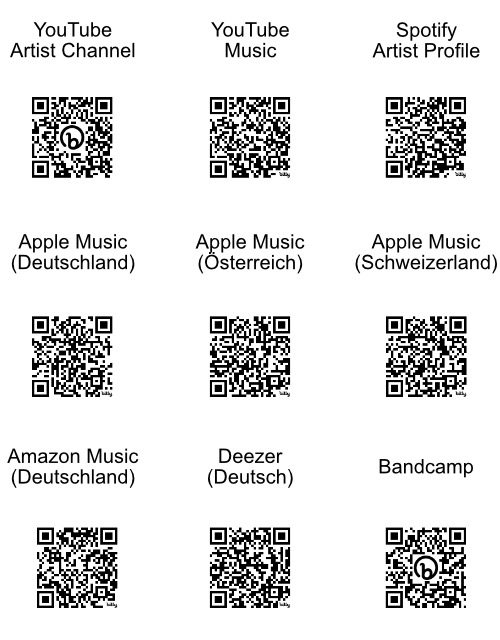
Jean-Michel Serres Apfel Cafe Apfelsaft Cinema Music QR-Kodes Mitte Deutsch 2024.

Notes on Darius Milhaud and His Works

Overview

Darius Milhaud (1892-1974) was a prolific French composer, a member of the famous group Les Six, known for his eclectic style and innovative use of polytonality. Originally from Provence and steeped in diverse influences, he incorporated elements of jazz, Brazilian music and Provençal folklore into his music.

Musical characteristics

Polytonality: Milhaud superimposes several keys simultaneously, giving a bold harmonic colour.
Jazz and Latin influences: After a stay in Brazil as a cultural attaché (1917-1918), he was inspired by Brazilian rhythms, particularly in ‘Le Bœuf sur le toit’. He also discovered jazz in the United States and incorporated it into his compositions.
Eclecticism: his work covers all genres: symphonic music, chamber music, opera, choral music and music for the stage.

Famous works

‘Le Bœuf sur le toit’ (1919) – Fantasia for orchestra, influenced by Brazilian music.
‘La Création du monde‘ (1923) – A ballet inspired by jazz, with an instrumentation reminiscent of big bands.
‘Suite provençale’ (1936) – An orchestral work with the folk colours of the south of France.
‘Saudades do Brasil’ (1920-1921) – A suite of dances inspired by his stay in Brazil.
‘Scaramouche‘ (1937) – A virtuoso and joyful piece for saxophone (or clarinet) and piano.
‘Les Choéphores’ (1915-1916) – A musical drama based on Aeschylus, illustrating his taste for antiquity.

Influence and legacy

Milhaud taught generations of composers in the United States (including Dave Brubeck) and helped introduce polytonality and jazz to classical music. His prolific oeuvre, comprising more than 400 compositions, makes him one of the most prolific composers of the 20th century.

History

Darius Milhaud was born in 1892 in Aix-en-Provence into a Jewish family with deep roots in the region. From a very young age, he was immersed in the music and culture of Provence, which would influence his style throughout his life. Trained as a violinist, he soon entered the Paris Conservatoire, where he studied with masters such as Paul Dukas and André Gedalge. It was there that he met Arthur Honegger and Francis Poulenc, with whom he would later form the group Les Six, a collective of young composers seeking to break with Romanticism and Impressionism.

But Milhaud’s true musical revelation came when he went to Brazil in 1917 as secretary to the poet Paul Claudel, then French ambassador. This stay had a profound impact on his musical imagination: he discovered Brazilian rhythms, exuberant percussion and the vitality of local popular music. He brought back an emblematic work, ‘Le Bœuf sur le toit’, a fantasy combining Brazilian melodies and Parisian spirit.

Back in France, he became one of the central figures of the Roaring Twenties in Paris. He associated with Cocteau, Picasso and Stravinsky, and developed a passion for jazz, which he discovered in 1920 during a trip to the United States. Fascinated by this music, he composed the ballet ‘La Création du monde’ in 1923, an avant-garde work in which the syncopated rhythms of jazz blend into a classical orchestration.

Despite the success, the rise of Nazism plunged his life into chaos. Because of his Jewish origins, he was forced to flee France in 1940. He went into exile in the United States, where he taught at Mills College in California. Among his students was a certain Dave Brubeck, who would become a jazz legend and always testify to Milhaud’s influence on his work.

After the war, he returned to France, but illness forced him to lead a more sedentary life: suffering from rheumatoid arthritis, he had to use a wheelchair. This did not prevent him from continuing to compose tirelessly. His catalogue exceeds 400 works, exploring all genres, from ballet to chamber music, including opera and sacred music.

Until the end of his life, Milhaud remained a curious man, always in search of new sounds and deeply attached to his Provençal roots. He died in 1974, leaving behind an abundant body of work, marked by a love of rhythm, colour and musical diversity.

Chronology

1892 – Born in Aix-en-Provence
Darius Milhaud was born on 4 September 1892 into a Provençal Jewish family that had been living in the region for centuries.

1902-1909 – First steps in music
He began playing the violin as a child, but quickly developed a passion for composition.

1909-1914 – Studies at the Paris Conservatoire
He enrolled at the Paris Conservatoire, where he studied with Paul Dukas, Charles-Marie Widor and Vincent d’Indy. There he met Arthur Honegger and Germaine Tailleferre, future members of Les Six.

1917-1918 – Stay in Brazil
He is sent to Rio de Janeiro as an attaché to Paul Claudel, then French ambassador. He discovers Brazilian music, which will profoundly influence his later works, notably ‘Le Bœuf sur le toit’.

1919 – Return to France and rise to fame
On his return, he composed ‘Le Bœuf sur le toit’, an exuberant work inspired by Brazil, which became a symbol of the Roaring Twenties in Paris.

1920 – Creation of the Group of Six
With Francis Poulenc, Arthur Honegger, Georges Auric, Germaine Tailleferre and Louis Durey, he formed Les Six, a group of composers advocating a new, light and anti-romantic music.

1923 – Influence of jazz and ‘La Création du monde’
After a trip to the United States, he discovered jazz, which inspired him to compose ‘La Création du monde’, a ballet in an innovative style.

1930-1939 – International success and recognition
He composed operas, symphonies and chamber music while travelling in Europe and the United States. He taught at the Paris Conservatoire and gained international recognition.

1940 – Exile in the United States
Due to the Nazi occupation and his Jewish origins, Milhaud fled France and settled in California, where he taught at Mills College. His students included Dave Brubeck, who was influenced by his music.

1947 – Return to France
After the war, he returned to France, while continuing to teach and compose in the United States.

1950-1960 – Last major works
Despite poor health and severe rheumatic pain, he continued to compose prolifically, reaching a total of over 400 works.

1974 – Death in Geneva
Darius Milhaud died on 22 June 1974 in Geneva, leaving behind an immense body of work and a major musical legacy.

Characteristics of the music

Darius Milhaud’s music is characterised by an eclectic, bold and colourful style, blending multiple influences, from Provençal folklore to jazz, via Brazilian music and Antiquity. The main characteristics of his musical language are as follows:

1. Polytonality and innovative harmony

One of Milhaud’s signatures is the use of polytonality, i.e. the superimposition of several tonalities simultaneously. This technique gives his music a unique harmonic richness, sometimes perceived as dissonant, but always fluid and expressive. Striking examples can be found in ‘Saudades do Brasil’ or ‘La Création du monde’.

2. Influence of Jazz

Milhaud was one of the first classical composers to integrate jazz into his music, having discovered this aesthetic during a trip to the United States in 1920. He adopted syncopation, lively rhythms, the typical timbres of big bands and a great freedom in melodic phrasing. The ballet ‘The Creation of the World’ (1923) is a perfect example, with an orchestration that imitates the jazz ensembles of the time.

3. Brazilian Rhythms and Popular Music

His stay in Brazil (1917-1918) profoundly influenced his music. He drew inspiration from Brazilian folk dances and percussion, as in ‘Le Bœuf sur le toit’ (1919), an exuberant fantasy based on Brazilian melodies, or in ‘Saudades do Brasil’, a series of pieces inspired by samba and maxixe rhythms.

4. Clarity and melodic simplicity

Although his writing is sometimes harmonically complex, Milhaud always seeks melodic clarity. His themes are often simple, lilting, even naïve, influenced by the folklore of Provence, his native region. This melodic simplicity can be found in ‘Suite provençale’ (1936).

5. Exuberance and Playfulness

In contrast to Debussy’s impressionism or the seriousness of romanticism, Milhaud often adopted a light-hearted and humorous tone. Many of his works, such as ‘Scaramouche’ (1937) or ‘Divertissement’ (1929), play on a mischievous and carefree spirit.

6. A taste for Antiquity and the Jewish Heritage

Born into a Jewish family from Provence, Milhaud composed several works inspired by the Hebrew tradition, such as ‘Service sacré’ (1947) for choir and orchestra. He was also fascinated by Greek and Latin Antiquity, as evidenced by his operas inspired by Aeschylus, notably ‘Les Choéphores’ (1916).

7. An Abundant and Varied Production

Milhaud composed more than 400 works covering all genres: symphonic music, chamber music, opera, ballet, choral music, etc. His style remained consistent despite this diversity, always driven by rhythmic energy and a taste for innovation.

In short, Milhaud is a composer who is both modern and accessible, a sound explorer who mixes cultures and styles with total freedom. His work, abundant and unclassifiable, reflects a communicative joie de vivre and a deep attachment to his roots.

Relations

Darius Milhaud, a central figure in 20th-century music, had many relationships with composers, performers, writers, artists and cultural institutions. His exchanges reflect his eclecticism and his openness to the artistic trends of his time.

1. Relationships with other composers

The Six (Group of French composers)

Milhaud was part of the Group of Six, alongside Francis Poulenc, Arthur Honegger, Georges Auric, Germaine Tailleferre and Louis Durey. This group, influenced by Jean Cocteau and Érik Satie, advocated light, spontaneous music far removed from Romanticism and Impressionism. Milhaud was, however, more open to outside influences (jazz, world music) than some of his colleagues.

Igor Stravinsky

Milhaud deeply admired Stravinsky and was influenced by ‘The Soldier’s Tale’ (1918), which foreshadowed the use of jazz in classical music. Stravinsky, in return, respected Milhaud, even if he sometimes criticised his polytonal approach.

Paul Hindemith

Milhaud shared with Hindemith an affinity for contrapuntal writing and a certain taste for neoclassical music. They were both important figures in modern European music.

Olivier Messiaen

Although their styles were very different, Milhaud and Messiaen had a cordial relationship. Messiaen appreciated Milhaud’s openness to non-European music.

2. Relations with performers and orchestras

Conductors Serge Koussevitzky and Leopold Stokowski

Koussevitzky and Stokowski, two influential 20th-century conductors, often programmed Milhaud’s works in the United States. Koussevitzky conducted several premieres of his works, contributing to his international reputation.

Jascha Heifetz (violinist)

The famous violinist Jascha Heifetz commissioned and performed some of Milhaud’s works.

Marcel Mule (saxophonist)

Milhaud dedicated his ‘Scaramouche’ and his ‘Concertino da camera’ to Marcel Mule, a pioneer of the classical saxophone.

Marguerite Long (pianist)

She was one of the first performers of Milhaud’s Piano Concerto No. 1 and promoted his music in the French piano repertoire.

3. Relationships with writers and artists

Paul Claudel (writer and diplomat)

The meeting with Paul Claudel in 1913 was decisive. Milhaud became his secretary when he was ambassador to Brazil (1917-1918). They collaborated on several works, notably the opera ‘Christopher Columbus’ and the incidental music for ‘Proteus’.

Jean Cocteau (poet and artist)

Close to the Group of Six, Cocteau influenced Milhaud through his aesthetic and his taste for multidisciplinary art. He played a key role in the creation of ‘Le Bœuf sur le toit’, originally conceived as a burlesque film score.

Fernand Léger (Cubist painter)

Milhaud collaborated with Fernand Léger on the ballet ‘La Création du monde’ (1923). Léger created the sets and costumes, bringing a cubist touch to this jazz-influenced work.

4. Relations with political and intellectual figures

Paul Valéry (writer and poet)

Valéry and Milhaud shared a mutual admiration. The composer set some of his texts to music.

André Malraux (minister and writer)

Malraux supported Milhaud when he returned to France after the Second World War and promoted the recognition of his work.

5. Relations with institutions and students

Mills College (California, USA)

When he fled France in 1940 because of the Nazi occupation, Milhaud found refuge at Mills College, where he taught composition. He influenced a generation of American composers.

Dave Brubeck (jazz pianist, Milhaud’s student)

One of his most famous students is the jazzman Dave Brubeck, who later said that Milhaud encouraged him to integrate classical elements into jazz and to explore polytonality.

Pierre Boulez (composer, Milhaud’s student)

Milhaud also taught Pierre Boulez, but the latter would later oppose his style, which he considered too conservative in the face of the Darmstadt avant-garde.

Conclusion

Darius Milhaud forged a vast network of relationships in the 20th-century musical and artistic world. His openness to diverse influences and his collaborative spirit led him to rub shoulders with renowned composers, performers, writers and intellectuals. His ability to integrate different musical cultures makes him a unique and cosmopolitan figure of the last century.

Similar composers

Darius Milhaud was an eclectic composer, sharing affinities with several musicians of different styles. Here are a few composers whose music has similarities with that of Milhaud, whether in the use of polytonality, an interest in jazz, an attraction to world music, or the playful and exuberant nature of their writing.

1. Francis Poulenc (1899-1963) – Spirit of the Six and melodious melodies

Francis Poulenc, a member of the Group of Six, shares with Milhaud a taste for melodic clarity, a certain lightness and a touch of humour in his music. Like Milhaud, he composed for both the concert hall and the stage and explored various genres. However, Poulenc was often more lyrical and tender, while Milhaud was more daring in his harmonies.

🔹 Works to listen to:

Concert champêtre (1928) – for harpsichord and orchestra
Les Biches (1923) – a sparkling and carefree ballet
Concerto for Two Pianos (1932) – influenced by jazz, like some of Milhaud’s works

2. Igor Stravinsky (1882-1971) – Rhythm, modernity and jazz

Stravinsky and Milhaud share a very distinctive rhythmic approach and a curiosity for popular music. Stravinsky’s ‘The Soldier’s Tale’ (1918) foreshadows the use of jazz in art music, an approach that Milhaud takes even further in ‘The Creation of the World’. Both experiment with lively, percussive orchestrations, and sometimes adopt an ironic tone.

🔹 Works to listen to:

The Soldier’s Tale (1918) – fusion of popular and classical music
Ragtime (1918) – Stravinsky explores jazz as Milhaud does
Pulcinella (1920) – a neoclassical reinterpretation of baroque music

3. Manuel de Falla (1876-1946) – Mediterranean colours and Hispanic rhythms

Like Milhaud with Provence, Manuel de Falla was deeply attached to the music of his native region, Spain. They share the same desire to integrate popular elements into scholarly writing and a dazzling orchestral palette.

🔹 Works to listen to:

El sombrero de tres picos (1919) – a ballet with dazzling colours and dance rhythms
Concerto for harpsichord (1926) – original and inspired by early music
Nights in the Gardens of Spain (1915) – impressionist colours and popular influences

4. Paul Hindemith (1895-1963) – Rigorous counterpoint and rhythmic energy

Milhaud and Hindemith share a polytonal approach and a taste for energetic counterpoint. Their music can sometimes appear mechanical or deliberately angular, but it is always full of vitality.

🔹 Works to listen to:

Mathis der Maler (1934) – a great orchestral fresco
Suite ‘1922’ – inspired by folk dances, a parallel with Milhaud and jazz
Kammermusik – a series of chamber music works with original instrumental combinations

5. Heitor Villa-Lobos (1887-1959) – Fusion of cultures and orchestral exuberance

Just as Milhaud integrated elements of Provençal folklore and jazz, Villa-Lobos fused classical music and Brazilian rhythms. Their approach to the orchestra is often colourful and exuberant.

🔹 Works to listen to:

Bachianas Brasileiras (1930-1945) – a blend of Bach and Brazilian music
Choros No. 10 – an exploration of Brazilian folk rhythms
Rudepoema – a piano style close to the rhythmic verve of Milhaud

6. Kurt Weill (1900-1950) – Musical theatre and jazz

Both Weill and Milhaud incorporated elements of cabaret, jazz and popular music into their work. Weill, known for his collaborations with Bertolt Brecht (The Threepenny Opera), shared Milhaud’s often ironic and energetic approach to music.

🔹 Works to listen to:

The Threepenny Opera (1928) – musical theatre influenced by jazz
Mahagonny Songspiel (1927) – a brilliant and rhythmic orchestration
Symphony No. 2 (1933) – at the crossroads of jazz and European orchestral music

7. Bohuslav Martinů (1890-1959) – Polytonality and popular influences

This Czech composer shares with Milhaud a polytonal approach, an energetic rhythmic style and a curiosity for popular music.

🔹 Works to listen to:

Concerto for harpsichord – a dynamic similar to Milhaud’s works
Sinfonietta La Jolla (1950) – a work commissioned in the United States, with a lightness similar to Milhaud’s style
Divertimento – close to the light and witty style of the Group of Six

Conclusion

Darius Milhaud stands at the crossroads of several musical worlds: neoclassical, polytonal, influenced by jazz and popular music, but also profoundly Mediterranean in his inspiration. The composers mentioned share these distinctive features with him, but each in his own way. Milhaud remains unique, however, due to the variety of his influences and the diversity of his output, which ranges from chamber music to large orchestral frescoes.

1. Saudades do Brasil (1920)

A suite of 12 dances inspired by Brazilian rhythms, written after his stay in Brazil. Each piece is named after a district of Rio de Janeiro and incorporates elements of polytonality and jazz syncopation.

2. Le Bœuf sur le toit (1919) – Transcription for piano

Originally a fantasy for orchestra inspired by Brazilian melodies, Milhaud produced a version for solo piano, retaining its exuberant and rhythmic character.

3. Printemps (Spring) (1915)

An early work in which one can already feel a fresh and free style of writing, with bold harmonies and great liveliness.

4. Trois Rag-Caprices (1922)

Pieces influenced by jazz and ragtime, demonstrating Milhaud’s interest in syncopated rhythms and harmonic experimentation.

5. Scaramouche (1937) – Transcription for solo piano

Originally written for two pianos, this set of three light and festive pieces was transcribed by Milhaud for solo piano. The famous last piece, ‘Brazileira’, is particularly virtuosic and cheerful.

6. Madame Bovary’s Album (1933)

A suite of short pieces written to accompany the silent film Madame Bovary. The writing is evocative and poetic, with an impressionist touch.

7. Suite provençale (1936) – Transcription for piano

Based on popular Provençal melodies, this colourful and lively suite is a tribute to his native region.

8. Sonatina for piano (1937)

A concise and refined work, illustrating the influence of neoclassicism with clarity of writing and great expressiveness.

9. Suite française (1945) – Piano version

Originally written for orchestra, this suite has been adapted for solo piano. It uses popular French melodies in a simple but effective style.

10. Cinéma-fantaisie sur ‘Le Bœuf sur le toit’ (1919)

Expanded version of the famous ballet, integrating the festive and polytonal elements of the original piece.

These works cover a wide stylistic range, from bold polytonality to folk and jazz influences. They perfectly illustrate Milhaud’s inventive genius and diversity in piano writing.

Famous works

Darius Milhaud composed a large number of works in various genres. Here is a selection of his most famous works other than solo piano:

1. Orchestral music

Le Bœuf sur le toit, op. 58 (1919) – A fantasy inspired by Brazilian melodies, full of energy and colour.
Suite provençale, op. 152b (1936) – Based on popular themes from Provence, light and sunny.
The Creation of the World, op. 81a (1923) – Ballet influenced by jazz and African music, written for small orchestra.
Concerto for Percussion and Small Orchestra, op. 109 (1930) – One of the first concertos to feature percussion alone.
Symphonies No. 1 to No. 12 (1940-1961) – A series of twelve symphonies, often short and very diverse in style.

2. Chamber music

Scaramouche, Op. 165b (1937) – A famous suite for two pianos, also transcribed for saxophone and orchestra.
Sonatina for flute and piano, op. 76 (1922) – A delicate and charming work.
Suite for violin, clarinet and piano, op. 157b (1936) – A small, cheerful and humorous piece.
Quintet for piano and strings, op. 81b (1922) – A work rich in colour and daring harmonies.
String Quartets No. 1 to No. 18 (1912-1950s) – An impressive series of quartets, showing his stylistic evolution.

3. Ballets

Le Bœuf sur le toit, op. 58 (1919) – Also conceived as a burlesque ballet with Brazilian music.
La Création du monde, op. 81 (1923) – Inspired by jazz and African mythology.
L’Homme et son désir, op. 48 (1917-1918) – Exotic ballet influenced by his stay in Brazil.

4. Vocal music and operas

Christophe Colomb, op. 102 (1928) – Opera with a libretto by Paul Claudel, focusing on the encounter between Europe and the New World.
Les Choéphores, op. 24 (1915-1916) – Musical tragedy based on Aeschylus, using choirs and powerful orchestration.
Médée, op. 191 (1939) – Dramatic opera based on the myth of Medea.
Cantate de la paix, op. 417 (1973) – Choral work with a message.

5. Concertante music

Violin Concerto No. 1, Op. 93 (1927) – A virtuoso and expressive work.
Clarinet Concerto, Op. 230 (1941) – A dynamic and melodic piece.
Concerto for marimba, vibraphone and orchestra, op. 278 (1947) – One of the first concertos for these instruments.

These works bear witness to Milhaud’s immense diversity, ranging from Provençal folklore to Brazilian influences and jazz, while exploring harmonic modernity and polytonality.

(This article was generated by ChatGPT. And it’s just a reference document for discovering music you don’t know yet.)

Classic Music Content Page

Best Classical Recordings
on YouTube

Best Classical Recordings
on Spotify
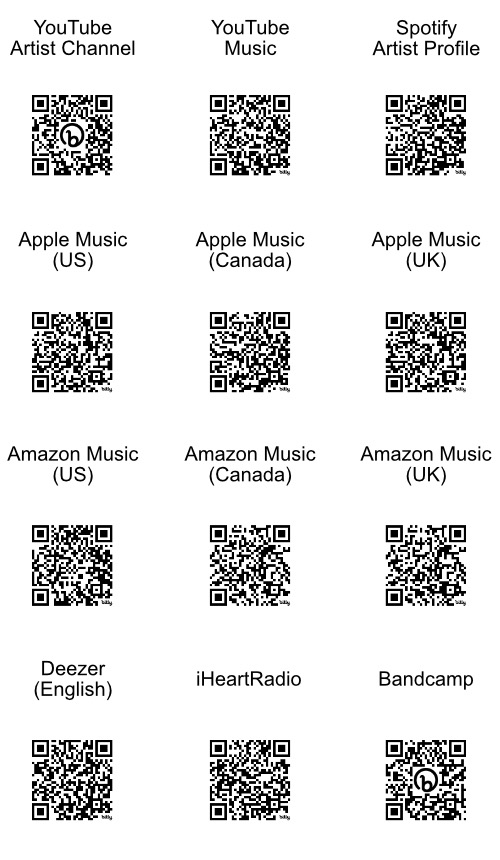
Jean-Michel Serres Apfel Café Music QR Codes Center English 2024.

Appunti su Samson François, le sue interpretazioni e le registrazioni

Panoramica

Samson François (1924-1970) era un rinomato pianista francese, famoso per la sua interpretazione appassionata e poetica del repertorio romantico e impressionista. È particolarmente associato alle opere di Chopin, Debussy e Ravel, che suonava con una espressività sorprendente e una audace libertà ritmica.

Nato in Germania, crebbe in Francia e mostrò molto presto un talento eccezionale per il pianoforte. Studiò in particolare con Marguerite Long e Yves Nat, prima di vincere nel 1943 il prestigioso Concorso Long-Thibaud. Il suo modo di suonare era caratterizzato da una spontaneità quasi improvvisata, un tocco vellutato e un senso unico del colore sonoro, che lo rendeva un interprete ideale della musica impressionista.

Samson François conduceva una vita bohémien, affascinato dalla notte, dal jazz e dalla poesia. Questa intensità di vita si rifletteva nel suo modo di suonare, a volte imprevedibile, ma sempre ispirato. La sua registrazione dei concerti di Chopin sotto la direzione di André Cluytens rimane una delle più ammirate, così come le sue interpretazioni di Debussy e Ravel, in particolare Gaspard de la nuit.

Purtroppo, la sua salute fragile e il suo stile di vita eccessivo hanno contribuito alla sua prematura scomparsa all’età di 46 anni. Tuttavia, lascia una discografia che rimane un punto di riferimento per gli amanti del pianoforte e della musica francese.

Storia

Samson François era un pianista come se ne vedono pochi, uno di quelli il cui modo di suonare sembra provenire da un’altra dimensione, tra fulgore e mistero. Nacque nel 1924 a Francoforte, in Germania, ma crebbe in Francia, immerso fin dall’infanzia in una sensibilità musicale fuori dal comune. Molto presto si nota in lui un talento eccezionale: a sei anni scopre il pianoforte, e sarà una rivelazione. Il suo dono è tale che la sua famiglia non ha altra scelta che affidarlo ai più grandi maestri.

A dieci anni, tiene il suo primo concerto. Poi, adolescente, viene mandato a Parigi, dove diventa allievo di Marguerite Long e Yves Nat. Il suo modo di suonare non assomiglia a nessun altro: non ha quella rigore accademico che ci si aspetta da un giovane prodigio, ma una libertà istintiva, un senso innato del colore sonoro, un modo di far cantare il pianoforte come se improvvisasse. Nel 1943, in piena guerra, vince il Concorso Long-Thibaud. Ha 19 anni e davanti a sé si apre un futuro fulgido.

Ma Samson François non è solo un pianista virtuoso; è un artista in tutta la sua eccentricità, un bohémien, un nottambulo affascinato dalla poesia e dal jazz. Suona il pianoforte come vive: con intensità, senza compromessi. Si appassiona a Chopin, Debussy e Ravel, di cui diventerà uno dei più grandi interpreti. Il suo modo di suonare Gaspard de la nuit o i Préludes di Debussy è unico: ogni nota sembra uscire da un sogno, modellata da un tocco inimitabile.

Registra molto, ma per lui la musica non si riduce allo studio. Preferisce il palco, dove può dare libero sfogo al suo genio istintivo. A volte imprevedibile, può essere geniale una sera e completamente diverso il giorno dopo. Suona come sente, in una febbre permanente.

La sua vita, troppo breve, è segnata dagli eccessi. Brucia la candela da entrambe le estremità, trascinato dalla sua passione per il jazz, la notte e forse da una forma di malinconia che esorcizza attraverso il suo pianoforte. Nel 1970, a soli 46 anni, il suo cuore cede. Il mondo perde un pianista eccezionale, ma la sua arte rimane. Le sue registrazioni sono ancora oggi un punto di riferimento, catturando quella magia sfuggente che ha reso Samson François un artista a parte, un sognatore di suoni, un poeta della tastiera.

Cronologia

1924 – Nascita
Samson Pascal François nasce il 18 maggio a Francoforte sul Meno, in Germania. Suo padre, un ingegnere francese, viaggia molto e la famiglia si trasferisce presto in Francia.

1929-1934 – Primi contatti con il pianoforte
All’età di 6 anni scopre il pianoforte e mostra capacità eccezionali. Riceve le sue prime lezioni in Italia, dove il padre è in servizio.

1935 – Inizio della sua formazione musicale
Tornato in Francia, si iscrive al Conservatorio di Nizza, dove viene notato per il suo precoce talento.

1936 – Incontro con Alfred Cortot
Durante un concerto, viene notato dal grande pianista Alfred Cortot, che lo consiglia e lo incoraggia a proseguire gli studi a Parigi.

1938 – Ammissione al Conservatorio di Parigi
A soli 14 anni, entra nella classe di Marguerite Long. Studia anche con Yves Nat e ottiene un primo premio di pianoforte.

1943 – Vittoria al Concorso Long-Thibaud
Nel pieno della seconda guerra mondiale, vince il Concorso Marguerite Long-Jacques Thibaud, che lo proietta sulla scena musicale francese.

1947 – Inizio della sua carriera internazionale
Inizia una serie di tournée in Europa e negli Stati Uniti. Il suo modo di suonare, libero e poetico al tempo stesso, conquista rapidamente un vasto pubblico.

Anni ’50 – Prime registrazioni importanti
Registra i suoi primi lavori per la EMI, in particolare brani di Chopin, Ravel e Debussy, che diventeranno i suoi compositori preferiti.

1959 – Collaborazione con André Cluytens
Sotto la direzione di André Cluytens, registra i concerti di Chopin con l’Orchestra della Société des Concerts du Conservatoire, un riferimento ancora oggi.

Anni ’60 – Apogeo e vita tumultuosa
Conduce una carriera intensa, divisa tra concerti, registrazioni e una vita notturna segnata dagli eccessi. È affascinato dal jazz, dalla poesia e conduce un’esistenza bohémien.

1968 – Problemi di salute
Il suo stile di vita inizia a influire sulla sua salute. È vittima di un primo malore cardiaco, ma continua a suonare.

1970 – Morte prematura
Il 22 ottobre, all’età di 46 anni, soccombe a un attacco di cuore. La sua morte improvvisa lascia il mondo della musica in lutto.

Eredità
Ancora oggi, Samson François è riconosciuto come uno dei più grandi pianisti francesi del XX secolo. Le sue interpretazioni di Chopin, Debussy e Ravel rimangono punti di riferimento imprescindibili.

Caratteristiche delle interpretazioni

Le interpretazioni di Samson François sono immediatamente riconoscibili per la loro libertà, intensità e poesia. Non cercava di suonare in modo accademico o perfetto, ma di esprimere una visione profondamente personale della musica, con un senso unico del mistero e del colore sonoro.

1. Una coraggiosa libertà ritmica
Samson François suonava con una flessibilità ritmica che conferiva alle sue interpretazioni un carattere quasi improvvisato. Usava un rubato molto espressivo, a volte imprevedibile, ma sempre organico. Il suo approccio al tempo era fluido, adattando ogni frase al suo sentire del momento, in particolare in Chopin e Debussy.

2. Un tocco inimitabile
Il suo tocco era al contempo vellutato e percussivo, capace di infinite sfumature. Possedeva una rara capacità di modellare il suono, creando atmosfere oniriche o drammatiche a seconda dell’opera. Eccelleva nel gioco di texture e timbri, in particolare in Debussy e Ravel.

3. Un approccio poetico e intuitivo
Piuttosto che ricercare una fredda perfezione tecnica, Samson François suonava con sensibilità istintiva. Ogni nota sembrava raccontare una storia, ogni frase respirava con naturalezza. Dava la priorità all’emozione pura, a volte a scapito di un rigore assoluto, il che rendeva le sue interpretazioni profondamente vivide.

4. Un senso del mistero e del sogno
La sua affinità con la musica impressionista si sente nel modo in cui suona Debussy e Ravel. Sapeva far vibrare le armonie, dare ai suoni una profondità quasi liquida, catturando l’essenza della sfocatura e dello scintillio sonoro tanto cari ai compositori francesi. Gaspard de la nuit di Ravel, sotto le sue dita, diventa un quadro sonoro ipnotico.

5. Una drammatica intensità sorprendente
In Chopin, univa lirismo e impeto. Le sue interpretazioni delle Ballate o dei Preludi sono allo stesso tempo appassionate e intrise di profonda malinconia. Sapeva anche far esplodere la virtuosità, ma sempre al servizio dell’emozione e non del semplice effetto.

6. Un gioco istintivo, a volte imprevedibile
Sul palco poteva essere un genio assoluto una sera e più esitante un altro giorno. Suonava secondo il suo stato d’animo, senza mai congelare un’opera in un’interpretazione unica. Questo aspetto rende affascinanti le sue registrazioni: catturano un’energia spontanea, quasi magica, in cui ogni nota sembra emergere dal momento presente.

Conclusione

Samson François non era un pianista accademico, ma un vero poeta della tastiera. Il suo modo di suonare, profondamente personale, sfuggiva alle convenzioni e lasciava spazio a un’espressività libera, a volte rischiosa, ma sempre affascinante. Sono questa audacia, questa spontaneità e questa capacità di far cantare il pianoforte che ancora oggi lo rendono uno dei più grandi interpreti del XX secolo.

Pianoforte

Samson François suonava principalmente su pianoforti Steinway & Sons, una marca che apprezzava per la sua ricchezza armonica e la sua flessibilità di esecuzione. Apprezzava particolarmente i modelli da concerto Steinway D-274, noti per la loro potenza e profondità sonora. Questa scelta corrispondeva bene al suo stile espressivo e alla sua ricerca di diverse sfumature sonore.

Tuttavia, non si limitava a un solo strumento. A volte suonava anche su Bechstein, in particolare per alcuni brani di Debussy e Ravel, perché questi pianoforti tedeschi offrono un suono più chiaro e percussivo, che si sposa bene con la trasparenza e la finezza della musica impressionista.

Inoltre, la sua passione per il jazz e la musica notturna suggerisce che abbia suonato anche su pianoforti verticali o modelli più modesti in contesti più intimi, come durante le sue notti bohémien nei club parigini. Il suo rapporto con il pianoforte era innanzitutto istintivo: cercava uno strumento che risuonasse con il suo stato d’animo del momento, e non una perfezione meccanica.

Relazioni

Samson François ha intrecciato numerose relazioni, sia nel mondo musicale che al di fuori di esso, grazie alla sua personalità fiammeggiante e al suo spirito bohémien. I suoi legami con compositori, interpreti, direttori d’orchestra e altre figure di spicco hanno svolto un ruolo chiave nel suo percorso e nel suo stile unico.

1. I suoi maestri e le sue influenze musicali

Marguerite Long: grande pedagoga francese, è stata una delle sue insegnanti al Conservatorio di Parigi. Le ha trasmesso una solida tecnica pianistica e una profonda conoscenza di Ravel e Debussy.
Yves Nat: Un altro insegnante importante, che gli ha trasmesso il senso della frase e della profondità musicale.
Alfred Cortot: Anche se non è stato ufficialmente il suo insegnante, Cortot ha fortemente influenzato Samson François con il suo approccio libero ed espressivo al pianoforte.

2. Collaborazioni con direttori d’orchestra e orchestre

André Cluytens: Senza dubbio il suo collaboratore più famoso, ha diretto le sue registrazioni dei concerti di Chopin con l’Orchestra della Société des Concerts du Conservatoire. Cluytens e François condividevano una sensibilità musicale simile, e queste registrazioni sono oggi considerate dei riferimenti.
Louis Frémaux e Constantin Silvestri: altri direttori d’orchestra con cui ha suonato, in particolare per concerti e registrazioni di concerti romantici e impressionisti.
Orchestra della Société des Concerts du Conservatoire: ha spesso suonato con questa prestigiosa orchestra, in particolare nelle sue registrazioni di concerti.

3. Rapporti con i compositori

Sebbene non avesse legami diretti con i grandi compositori che interpretava (Chopin, Ravel, Debussy), è stato influenzato da diverse figure contemporanee:

Olivier Messiaen: François ammirava Messiaen e il suo linguaggio armonico innovativo, anche se non è noto per aver interpretato il suo lavoro.
Henri Dutilleux: Ha frequentato Dutilleux, che ha segnato la musica francese del suo tempo, anche se la loro collaborazione musicale non è documentata.
Pierre Boulez: Anche se si muovevano in estetiche molto diverse, Samson François e Boulez appartenevano alla stessa generazione di innovativi musicisti francesi.

4. Amicizie e relazioni al di fuori del mondo musicale

Gli scrittori e i poeti: affascinato dalla letteratura, Samson François frequentava il mondo degli scrittori e dei poeti. Condivideva l’ammirazione per Baudelaire, Rimbaud e i surrealisti, che ispiravano il suo modo di suonare profondamente poetico.
Il mondo del jazz: aveva una passione per il jazz e frequentava i club parigini, dove si confrontava con i musicisti jazz della sua epoca. Il suo modo di suonare il pianoforte era talvolta influenzato da questa libertà ritmica e dal gusto per l’improvvisazione.
I circoli bohémien e notturni: amante della notte, conduceva una vita intensa, tra concerti e serate parigine, dove frequentava artisti, intellettuali e figure del mondo culturale.

5. Relazioni personali ed eredità

La sua vita personale è stata segnata da profonde amicizie, relazioni a volte tumultuose e una solitudine interiore che traspariva nella sua musica. Sebbene non abbia lasciato allievi in senso accademico, ha influenzato un’intera generazione di pianisti e rimane una figura mitica del pianoforte francese.

Repertorio per pianoforte solo

Samson François è noto soprattutto per le sue interpretazioni appassionate e poetiche di Chopin, Debussy e Ravel. Ecco alcune delle opere per pianoforte solo che ha immortalato attraverso le sue registrazioni:

Frédéric Chopin

24 Preludi, op. 28 – Uno dei suoi riferimenti assoluti, suonato con grande libertà ed espressività.
Ballate n. 1-4 – A questi brani infonde un’intensità drammatica unica.
Sonata n. 2 in si bemolle minore, op. 35 (Marcia funebre) – Interpretazione caratterizzata dal suo senso del tragico e del mistero.
Scherzi n. 1-4 – In cui esprime al contempo impeto e lirismo.
Selezione di notturni – Il suo tocco vellutato e la sua sensibilità li rendono indimenticabili.

Claude Debussy

Preludi (Libri 1 e 2) – Ha registrato una selezione dei preludi più famosi (La cattedrale sommersa, Fuochi d’artificio, Ce qu’a vu le vent d’ouest), con un suono etereo e onirico.
Estampes – Esalta l’esotismo e la finezza di quest’opera (Pagodes, La soirée dans Grenade).
Images (Livres 1 & 2) – In particolare Reflets dans l’eau e Poissons d’or, suonate con una straordinaria sonorità.
Suite Bergamasque (Clair de Lune) – Un’interpretazione piena di poesia e delicatezza.
L’Isle Joyeuse – Ne fa un affresco brillante e libero, pieno di sfumature.

Maurice Ravel

Gaspard de la nuit – La sua interpretazione è leggendaria, in particolare uno Scarbo di intensità quasi demoniaca.
Miroirs – Registra in particolare Oiseaux tristes e Une barque sur l’océan con una finezza senza pari.
Sonatine – Il suo gioco fluido e luminoso mette in risalto l’eleganza di quest’opera.
Le Tombeau de Couperin – In particolare una Toccata esplosiva e una Pavana piena di nostalgia.

Altri compositori

Sebbene il suo repertorio preferito rimanga il trio Chopin-Debussy-Ravel, ha anche interpretato:

Robert Schumann – Carnevale, op. 9
Franz Liszt – Rapsodia ungherese n. 12
Serge Prokofiev – Sonata per pianoforte n. 7, op. 83

Queste registrazioni testimoniano il genio unico di Samson François, che affrontava ogni opera con una visione personale, istintiva e profondamente musicale.

Famosi album di pianoforte solo

Samson François ha lasciato una discografia memorabile, in particolare con le opere di Chopin, Debussy e Ravel, dove il suo modo di suonare poetico e libero ha lasciato il segno. Ecco le sue registrazioni più famose per pianoforte solo:

Frédéric Chopin

24 Preludi, op. 28 (EMI, 1968) – Una registrazione mitica, in cui esplora tutte le sfumature e i contrasti di quest’opera.
Ballate n. 1-4 – Interpretazioni di grande intensità, con una narrazione fluida e drammatica.
Scherzos n. 1-4 – Una delle sue registrazioni più energiche, in cui unisce ardore ed eleganza.
Selezione di notturni – Un tocco sognante e sottile che sublima questi brani.
Sonata n. 2 in si bemolle minore, op. 35 (“Marche funèbre”) – Una registrazione potente e tragica.

Claude Debussy

Préludes (selezione, libri 1 e 2) (EMI, 1967-1968) – Interpretazioni leggendarie di La Cathédrale engloutie, Feux d’artifice, Ce qu’a vu le vent d’ouest…
Images (Libri 1 e 2) – In particolare Reflets dans l’eau e Poissons d’or, suonati con un’incredibile tavolozza sonora.
Stampe – Le sue Pagodes e La soirée a Granada rimangono dei riferimenti.
L’Isle Joyeuse – Una registrazione vibrante e libera, in cui cattura tutta la luce di questo brano.
Suite Bergamasque (Clair de Lune) – Una versione poetica e senza tempo.

Maurice Ravel

Gaspard de la nuit (EMI, 1962) – Una delle registrazioni più famose, in particolare per un diabolico Scarbo.
Miroirs (selezione) – Con Oiseaux tristes e Une barque sur l’océan, suonati con una finezza eccezionale.
Il Tombeau de Couperin – In particolare un’esplosiva Toccata.
Sonatina – Una versione luminosa ed elegante.

Altre registrazioni degne di nota

Robert Schumann – Carnevale, op. 9
Franz Liszt – Rapsodia ungherese n. 12
Serge Prokofiev – Sonata per pianoforte n. 7 – Un’opera insolita nel suo repertorio, ma suonata con una forza bruta.

Queste registrazioni, per la maggior parte realizzate sotto l’etichetta EMI, rimangono dei riferimenti assoluti e testimoniano il genio unico di Samson François, capace di far vibrare ogni nota con un’espressività inimitabile.

Repertorio e celebri registrazioni di concerti per pianoforte

Samson François ha registrato diversi concerti importanti del repertorio romantico e impressionista. Le sue interpretazioni dei concerti di Chopin, Ravel e Prokofiev sono particolarmente famose.

Frédéric Chopin

Concerto per pianoforte n. 1 in mi minore, op. 11
Concerto per pianoforte n. 2 in fa minore, op. 21

Questi due concerti, registrati sotto la direzione di André Cluytens, sono tra i più famosi. La sua interpretazione unisce lirismo, libertà e un suono poetico, con un rubato molto espressivo.

Maurice Ravel

Concerto per la mano sinistra – Un’interpretazione cupa e intensa, che mette in risalto la potenza e il mistero dell’opera.
Concerto in sol maggiore – La sua registrazione è un punto di riferimento, che cattura perfettamente l’energia jazzistica e la finezza dell’opera. Suona con un’eleganza e una vivacità uniche.

Claude Debussy

Fantasia per pianoforte e orchestra – Sebbene meno suonato di altri concerti, questo lavoro di Debussy trova in Samson François un interprete ideale, con il suo gioco fluido e la sua tavolozza di colori impressionisti.

Serge Prokofiev

Concerto per pianoforte n. 5 in sol maggiore, op. 55 – Una registrazione meno conosciuta ma di grande forza ritmica ed espressiva.

Famosi registrazioni di concerti per pianoforte di Samson François

Con André Cluytens e l’Orchestra della Société des Concerts du Conservatoire (EMI)
Chopin – Concerti per pianoforte n. 1 e n. 2 (1954) – Un riferimento assoluto, con un suono caldo e un rubato espressivo.
Ravel – Concerto in sol maggiore e Concerto per la mano sinistra (1960) – Una registrazione leggendaria, considerata una delle migliori versioni di questi brani.

Altre registrazioni degne di nota

Prokofiev – Concerto per pianoforte n. 5 – Versione energica e percussiva.
Debussy – Fantasia per pianoforte e orchestra – Raramente registrata, ma sublimata dalla sua sensibilità.

Queste registrazioni, principalmente sotto l’etichetta EMI, sono tra i grandi riferimenti della storia del disco, e illustrano la singolare arte di Samson François nel repertorio concertistico.

Altre interpretazioni e registrazioni degne di nota

Oltre alle sue famose registrazioni di pianoforte solo e concerti, Samson François ha anche lasciato alcune interpretazioni degne di nota in altre formazioni, anche se il suo repertorio di musica da camera e le sue collaborazioni orchestrali sono più rare.

1. Musica da camera

Sebbene fosse principalmente un pianista solista, Samson François ha suonato occasionalmente in formazioni da camera. Tuttavia, esistono poche registrazioni ufficiali delle sue collaborazioni con altri musicisti.

Gabriel Fauré – Quartetto per pianoforte e archi n. 1 in do minore, op. 15

Registrazione con musicisti dell’Orchestra della Société des Concerts du Conservatoire.
Un’interpretazione elegante e sensibile di questo lavoro intimista.

Francis Poulenc – Sonata per violino e pianoforte

Si dice che abbia suonato alcuni lavori di Poulenc, ma non è stata registrata alcuna registrazione ufficiale.

Collaborazioni con cantanti e musicisti da camera

Ha accompagnato alcuni cantanti in melodie francesi, ma sono state conservate poche registrazioni.

2. Musica con orchestra, esclusi i concerti

Sebbene sia noto soprattutto per le sue interpretazioni di concerti, Samson François ha anche esplorato altre opere per pianoforte e orchestra.

Igor Stravinsky – Capriccio per pianoforte e orchestra

Un’opera brillante e ritmica che François avrebbe potuto suonare, ma non è nota alcuna registrazione ufficiale.

André Jolivet – Concerto per pianoforte e orchestra

Avrebbe mostrato interesse per la musica di Jolivet, compositore francese del XX secolo.

3. Opere orchestrali o non pianistiche dirette o influenzate da lui

Sebbene non fosse un direttore d’orchestra, il suo stile libero ed espressivo potrebbe aver influenzato alcune interpretazioni orchestrali della sua epoca.

Conclusione

Il repertorio di Samson François al di fuori del pianoforte solista e dei concerti rimane relativamente limitato, poiché era soprattutto un pianista solista. Non ha esplorato la musica da camera tanto quanto alcuni dei suoi contemporanei come Cortot o Richter. Tuttavia, le sue incursioni nella musica da camera e le sue rare collaborazioni orchestrali dimostrano la sua apertura musicale e il suo interesse per un repertorio più ampio.

Attività al di fuori della musica

Samson François era una personalità complessa, le cui attività andavano ben oltre la musica. Il suo spirito bohémien e il suo stile di vita sfrenato hanno plasmato la sua carriera e la sua immagine, in particolare attraverso le sue relazioni sociali e i suoi impegni intellettuali e artistici. Ecco una panoramica delle sue attività al di fuori della musica:

1. Una vita bohémien e notturna

Samson François conduceva una vita caratterizzata da una grande libertà personale, quasi ribelle, che contrastava con l’immagine più convenzionale del pianista classico. Amava le notti parigine, i bar, i caffè e frequentava assiduamente i luoghi di incontro intellettuali e artistici della capitale. Ha vissuto un vero e proprio stile di vita bohémien, nutrendosi di discussioni con artisti, scrittori e poeti. Il suo amore per la notte e il suo carattere di “romantico senza tempo” lo rendevano una figura affascinante, spesso percepita come una sorta di “romantico tragico”. Si trovava spesso in circoli di artisti e pensatori, cercando di trascendere la musica mescolando filosofia e letteratura.

2. Passione per la letteratura e la poesia

Nutriva una vera passione per la letteratura, in particolare la poesia. Aveva una particolare ammirazione per Charles Baudelaire, Arthur Rimbaud e i surrealisti, autori che alimentavano la sua immaginazione. Il suo approccio alla musica, in particolare il suo modo di suonare spesso imprevedibile e poetico, era fortemente influenzato dalla sua lettura dei poeti simbolisti e moderni. Era anche interessato ai romanzieri della sua epoca, in particolare a quelli dell’avanguardia letteraria, il che lo avvicinava ai circoli intellettuali parigini.

3. L’interesse per il jazz

Un altro aspetto che caratterizzava la sua personalità era il suo interesse per il jazz. Nonostante fosse un pianista classico di fama internazionale, Samson François aveva una vera passione per il jazz, che scoprì all’inizio degli anni ’40. Frequentava i jazz club parigini e li osservava con occhio nuovo, impressionato dalla libertà di espressione e dall’improvvisazione dei musicisti. Gli piaceva discutere con i musicisti jazz e il suo approccio alla musica pianistica, in particolare il suo rubato e il suo senso dell’improvvisazione, portava influenze di questa musica.

4. Il gusto per la gastronomia e l’arte di vivere

Samson François era anche un uomo appassionato di gastronomia e del piacere di vivere. Il suo amore per la buona tavola e i piaceri semplici della vita erano parte integrante del suo carattere. Passava molto tempo a scoprire ristoranti parigini, a scambiare idee con gli amici durante i pasti, dove la conversazione si estendeva spesso alla cultura, alla politica o alla musica. Questi momenti di convivialità erano un’estensione del suo stile di vita bohémien, che alimentava le sue ispirazioni artistiche.

5. Il suo impegno politico e le sue opinioni sulla società

Sebbene il suo impegno politico non fosse così marcato come quello di alcuni suoi contemporanei, Samson François aveva comunque delle opinioni sulla società e sulla politica. Viveva in un’epoca di grandi tensioni sociali e politiche in Francia, con l’ombra della Seconda Guerra Mondiale e dei cambiamenti globali. Era influenzato da idee di libertà individuale e da un certo anarchismo filosofico, con un grande sospetto verso le istituzioni e le forme di controllo sociale. La sua personalità ribelle e il suo carattere al di fuori delle convenzioni sociali si riflettevano nelle sue opinioni, che non esitava a condividere con i suoi amici.

6. Il suo amore per la natura e i viaggi

Samson François era anche un uomo che amava la natura e si dedicava a viaggi contemplativi. Aveva un’anima avventurosa, viaggiava a volte fuori dai sentieri battuti, nutrendosi delle sue scoperte e cercando momenti di calma lontano dal trambusto parigino. Questi viaggi, a volte solitari, alimentavano la sua ispirazione musicale, offrendogli un rifugio nei momenti di turbolenza interiore.

7. Relazioni con figure culturali e sociali

Al di fuori della sua cerchia artistica, Samson François intratteneva relazioni con influenti figure culturali, intellettuali, poeti, romanzieri e filosofi della sua epoca. Tra i suoi amici e conoscenti figurano figure di spicco del mondo letterario e intellettuale parigino. Le sue amicizie con scrittori come Louis Aragon sono ben documentate e gli permettevano di scambiare idee che andavano oltre la musica. Era anche legato a pittori e registi della Nouvelle Vague.

Conclusione

Samson François non si limitava al suo ruolo di pianista classico; incarnava un artista totale, le cui attività extra-musicali alimentavano costantemente la sua visione della musica. La sua vita bohémien, il suo gusto per le discussioni letterarie, il suo amore per il jazz e il suo impegno in una più ampia riflessione intellettuale, lo rendono una figura imprescindibile, non solo nel mondo della musica, ma anche nello spirito dell’arte e della cultura parigina della sua epoca.

(Questo articolo è stato generato da ChatGPT. È solo un documento di riferimento per scoprire la musica che non conoscete ancora.)

Contenuto della musica classica

Best Classical Recordings
on YouTube

Best Classical Recordings
on Spotify
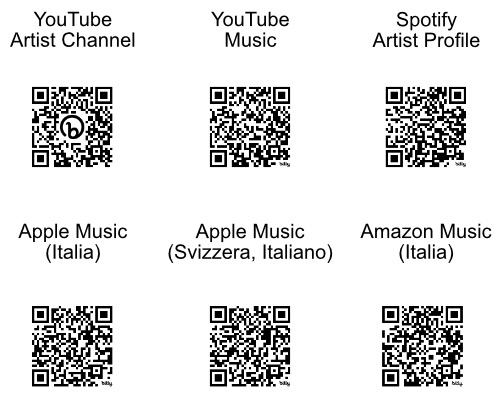
Jean-Michel Serres Apfel Café Apfelsaft Cinema Music Codici QR Centro Italiano Italia Svizzera 2024.