Apuntes sobre Samson François, sus interpretaciones y grabaciones

Resumen

Samson François (1924-1970) fue un renombrado pianista francés, famoso por su interpretación apasionada y poética del repertorio romántico e impresionista. Está especialmente asociado a las obras de Chopin, Debussy y Ravel, que interpretaba con una expresividad sorprendente y una audaz libertad rítmica.

Nacido en Alemania, creció en Francia y mostró muy pronto un talento excepcional para el piano. Estudió con Marguerite Long e Yves Nat, entre otros, antes de ganar el prestigioso Concurso Long-Thibaud en 1943. Su interpretación se caracterizaba por una espontaneidad casi improvisada, un toque aterciopelado y un sentido único del color sonoro, lo que lo convertía en un intérprete ideal de la música impresionista.

Samson François llevaba una vida bohemia, fascinado por la noche, el jazz y la poesía. Esta intensidad de vida se reflejaba en su interpretación, a veces impredecible, pero siempre inspirada. Su grabación de los conciertos de Chopin bajo la dirección de André Cluytens sigue siendo una de las más admiradas, al igual que sus interpretaciones de Debussy y Ravel, en particular Gaspard de la nuit.

Desafortunadamente, su frágil salud y su estilo de vida excesivo contribuyeron a su prematura desaparición a los 46 años. Sin embargo, deja una discografía que sigue siendo una referencia para los amantes del piano y de la música francesa.

Historia

Samson François fue un pianista como pocos, uno de esos cuyo juego parece surgir de otra dimensión, entre fulgor y misterio. Nació en 1924 en Frankfurt, Alemania, pero creció en Francia, bañado desde su infancia en una sensibilidad musical fuera de lo común. Muy pronto se le reconoce un talento excepcional: a los seis años descubre el piano, y será una revelación. Su don es tal que su familia no tiene más remedio que confiarlo a los más grandes maestros.

A los diez años, da su primer concierto. Luego, de adolescente, es enviado a París, donde se convierte en alumno de Marguerite Long e Yves Nat. Su forma de tocar no se parece a ninguna otra: no tiene la rigurosidad académica que se espera de un joven prodigio, sino una libertad instintiva, un sentido innato del color sonoro, una forma de hacer cantar al piano como si estuviera improvisando. En 1943, en plena guerra, ganó el Concurso Long-Thibaud. Tenía 19 años y se le abría una fulgurante carrera.

Pero Samson François no es solo un pianista virtuoso; es un artista en toda su excentricidad, un bohemio, un noctámbulo fascinado por la poesía y el jazz. Toca el piano como vive: con intensidad, sin concesiones. Le apasionan Chopin, Debussy y Ravel, de los que se convertirá en uno de los mejores intérpretes. Su forma de tocar Gaspard de la nuit o los Preludios de Debussy es única: cada nota parece surgir de un sueño, modelada por un toque inimitable.

Graba mucho, pero para él la música no se reduce al estudio. Prefiere el escenario, donde puede dar rienda suelta a su instintivo genio. A veces imprevisible, puede ser genial una noche y totalmente diferente al día siguiente. Toca como siente, en un estado de fiebre permanente.

Su vida, demasiado breve, está marcada por los excesos. Quema la vela por los dos extremos, arrastrado por su amor por el jazz, la noche y, tal vez, por una forma de melancolía que exorciza a través de su piano. En 1970, con solo 46 años, su corazón le falla. El mundo pierde a un pianista excepcional, pero su arte permanece. Sus grabaciones siguen siendo hoy en día referencias, capturando esa magia inaprensible que hacía de Samson François un artista aparte, un soñador de sonidos, un poeta del teclado.

Cronología

1924 – Nacimiento
Samson Pascal François nace el 18 de mayo en Fráncfort del Meno, Alemania. Su padre, un ingeniero francés, viaja mucho y la familia se instala rápidamente en Francia.

1929-1934: Primeros contactos con el piano
A los 6 años descubre el piano y muestra aptitudes excepcionales. Recibe sus primeras lecciones en Italia, donde su padre está destinado.

1935 – Comienzo de su formación musical
De vuelta en Francia, ingresa en el Conservatorio de Niza, donde es descubierto por su talento precoz.

1936 – Encuentro con Alfred Cortot
En un concierto, el gran pianista Alfred Cortot se fija en él y le aconseja y anima a continuar sus estudios en París.

1938 – Admisión en el Conservatorio de París
Con solo 14 años, ingresa en la clase de Marguerite Long. También estudia con Yves Nat y obtiene un primer premio de piano.

1943 – Victoria en el Concurso Long-Thibaud
En plena Segunda Guerra Mundial, gana el Concurso Marguerite Long-Jacques Thibaud, lo que lo catapulta a la escena musical francesa.

1947 – Comienzo de su carrera internacional
Comienza una serie de giras por Europa y Estados Unidos. Su interpretación, a la vez libre y poética, seduce rápidamente a un amplio público.

Años 50 – Primeras grabaciones importantes
Graba sus primeras obras para EMI, en particular piezas de Chopin, Ravel y Debussy, que se convertirán en sus compositores fetiche.

1959: Colaboración con André Cluytens
Bajo la dirección de André Cluytens, graba los conciertos de Chopin con la Orquesta de la Société des Concerts du Conservatoire, una referencia aún hoy en día.

Años 60: apogeo y vida tumultuosa
Lleva una intensa carrera, dividida entre conciertos, grabaciones y una vida nocturna marcada por los excesos. Le fascinan el jazz y la poesía y lleva una existencia bohemia.

1968: problemas de salud
Su estilo de vida comienza a afectar a su salud. Sufre un primer ataque al corazón, pero sigue tocando.

1970 – Muerte prematura
El 22 de octubre, sucumbe a un ataque al corazón a la edad de 46 años. Su repentino fallecimiento deja a la comunidad musical en duelo.

Legado
Incluso hoy en día, Samson François es reconocido como uno de los pianistas franceses más importantes del siglo XX. Sus interpretaciones de Chopin, Debussy y Ravel siguen siendo referencias ineludibles.

Características de las interpretaciones

Las interpretaciones de Samson François son inmediatamente reconocibles por su libertad, intensidad y poesía. No buscaba tocar de manera académica o perfecta, sino expresar una visión profundamente personal de la música, con un sentido único del misterio y el color sonoro.

1. Una audaz libertad rítmica
Samson François tocaba con una flexibilidad rítmica que daba a sus interpretaciones un carácter casi improvisado. Utilizaba un rubato muy expresivo, a veces impredecible, pero siempre orgánico. Su enfoque del tempo era fluido, adaptando cada frase a su sensación del momento, especialmente en Chopin y Debussy.

2. Un toque inimitable
Su toque era a la vez aterciopelado y percusivo, capaz de infinitos matices. Poseía una rara capacidad para modelar el sonido, creando atmósferas oníricas o dramáticas según la obra. Destacaba en los juegos de texturas y timbres, especialmente en Debussy y Ravel.

3. Un enfoque poético e intuitivo
En lugar de buscar una fría perfección técnica, Samson François tocaba con una sensibilidad instintiva. Cada nota parecía contar una historia, cada frase respiraba con naturalidad. Daba prioridad a la emoción en bruto, a veces en detrimento de una rigurosidad absoluta, lo que hacía que sus interpretaciones fueran profundamente vivas.

4. Un sentido del misterio y el sueño
Su afinidad con la música impresionista se nota en su forma de interpretar a Debussy y Ravel. Sabía hacer vibrar las armonías, dar a los sonidos una profundidad casi líquida, capturando la esencia de la difuminación y el reflejo sonoro tan apreciados por los compositores franceses. Gaspard de la nuit de Ravel, bajo sus dedos, se convierte en una hipnótica pintura sonora.

5. Una intensidad dramática sorprendente
En Chopin, combinaba el lirismo y el ardor. Sus interpretaciones de las Baladas o los Preludios son a la vez apasionadas y están impregnadas de una profunda melancolía. También sabía hacer estallar la virtuosidad, pero siempre al servicio de la emoción y no del simple efecto.

6. Un juego instintivo, a veces impredecible
En el escenario, podía ser un genio absoluto una noche y más indeciso otro día. Tocaba según su estado de ánimo, sin congelar nunca una obra en una interpretación única. Este aspecto hace que sus grabaciones sean fascinantes: captan una energía espontánea, casi mágica, en la que cada nota parece surgir del momento presente.

Conclusión

Samson François no era un pianista académico, sino un verdadero poeta del teclado. Su interpretación, profundamente personal, escapaba a las convenciones y daba paso a una expresividad libre, a veces arriesgada, pero siempre cautivadora. Esta audacia, espontaneidad y capacidad para hacer cantar al piano siguen haciendo de él uno de los mejores intérpretes del siglo XX.

Piano

Samson François tocaba principalmente en pianos Steinway & Sons, una marca que apreciaba por su riqueza armónica y su flexibilidad de ejecución. Le gustaban especialmente los modelos de concierto Steinway D-274, famosos por su potencia y profundidad sonora. Esta elección se correspondía con su estilo expresivo y su búsqueda de colores sonoros variados.

Sin embargo, no se limitaba a un solo instrumento. A veces también tocaba en Bechstein, especialmente para algunas obras de Debussy y Ravel, porque estos pianos alemanes ofrecen un sonido más claro y percusivo, que combina bien con la transparencia y la delicadeza de la música impresionista.

Además, su pasión por el jazz y la música nocturna sugiere que también tocó en pianos verticales o modelos más modestos en contextos más íntimos, como durante sus noches bohemias en los clubes parisinos. Su relación con el piano era ante todo instintiva: buscaba un instrumento que resonara con su estado de ánimo del momento, y no una perfección mecánica.

Relaciones

Samson François ha tejido numerosas relaciones, tanto en el mundo de la música como fuera de él, gracias a su personalidad extravagante y su espíritu bohemio. Sus vínculos con compositores, intérpretes, directores de orquesta y otras figuras destacadas han desempeñado un papel clave en su trayectoria y su estilo único.

1. Sus maestros e influencias musicales

Marguerite Long: Gran pedagoga francesa, fue una de sus profesoras en el Conservatorio de París. Le transmitió una sólida técnica pianística y un profundo conocimiento de Ravel y Debussy.
Yves Nat: Otro profesor destacado, que le aportó un sentido de la fraseo y de la profundidad musical.
Alfred Cortot: Aunque no fue oficialmente su profesor, Cortot influyó mucho en Samson François por su enfoque libre y expresivo del piano.

2. Colaboraciones con directores de orquesta y orquestas

André Cluytens: Sin duda su colaborador más famoso, dirigió sus grabaciones de los conciertos de Chopin con la Orquesta de la Société des Concerts du Conservatoire. Cluytens y François compartían una sensibilidad musical cercana, y estas grabaciones se consideran hoy en día referencias.
Louis Frémaux y Constantin Silvestri: Otros directores de orquesta con los que tocó, especialmente en conciertos y grabaciones de conciertos románticos e impresionistas.
Orquesta de la Société des Concerts du Conservatoire: Tocó a menudo con esta prestigiosa orquesta, especialmente en sus grabaciones de conciertos.

3. Relaciones con compositores

Aunque no tuvo vínculos directos con los grandes compositores que interpretaba (Chopin, Ravel, Debussy), se vio influido por varias figuras contemporáneas:

Olivier Messiaen: François admiraba a Messiaen y su innovadora lenguaje armónico, aunque no es conocido por haber interpretado su obra.
Henri Dutilleux: Conoció a Dutilleux, que marcó la música francesa de su época, aunque su colaboración musical no está documentada.
Pierre Boulez: Aunque evolucionaban en estéticas muy diferentes, Samson François y Boulez pertenecían a la misma generación de músicos franceses innovadores.

4. Amistades y relaciones fuera del mundo musical

Escritores y poetas: Samson François, fascinado por la literatura, frecuentaba el mundo de los escritores y poetas. Compartía admiración por Baudelaire, Rimbaud y los surrealistas, que inspiraron su juego profundamente poético.
El mundo del jazz: Le apasionaba el jazz y frecuentaba los clubes parisinos, donde intercambiaba opiniones con los músicos de jazz de su época. Su forma de tocar el piano a veces estaba influenciada por esta libertad rítmica y su gusto por la improvisación.
Los círculos bohemios y nocturnos: Amante de la noche, llevaba una vida intensa, entre conciertos y veladas parisinas, donde se codeaba con artistas, intelectuales y figuras de la vida cultural.

5. Relaciones personales y legado

Su vida personal estuvo marcada por profundas amistades, relaciones a veces tumultuosas y una soledad interior que se reflejaba en su música. Aunque no dejó discípulos en el sentido académico, influyó en toda una generación de pianistas y sigue siendo una figura mítica del piano francés.

Repertorio de piano solo

Samson François es conocido sobre todo por sus apasionadas y poéticas interpretaciones de Chopin, Debussy y Ravel. Estas son algunas de las obras para piano solo que inmortalizó en sus grabaciones:

Frédéric Chopin

24 Preludios, op. 28: una de sus referencias absolutas, interpretada con gran libertad y expresividad.
Baladas n.º 1-4: infunde una intensidad dramática única a estas piezas.
Sonata n.º 2 en si bemol menor, op. 35 (Marcha fúnebre): interpretación marcada por su sentido de lo trágico y lo misterioso.
Scherzos n.º 1-4: donde expresa a la vez fogosidad y lirismo.
Selección de Nocturnes: su toque aterciopelado y su sensibilidad los hacen inolvidables.

Claude Debussy

Preludes (Libros 1 y 2): graba una selección de los preludios más famosos (La Cathédrale engloutie, Feux d’artifice, Ce qu’a vu le vent d’ouest), con un sonido etéreo y onírico.
Estampas: realza el exotismo y la delicadeza de esta obra (Pagodas, La velada en Granada).
Imágenes (Libros 1 y 2): en particular Reflejos en el agua y Peces de oro, interpretados con un color sonoro extraordinario.
Suite Bergamasque (Claro de luna): una interpretación llena de poesía y delicadeza.
L’Isle Joyeuse: lo convierte en un fresco brillante y libre, lleno de matices.

Maurice Ravel

Gaspard de la nuit: su interpretación es legendaria, en particular un Scarbo de una intensidad casi demoníaca.
Miroirs: graba en particular Oiseaux tristes y Une barque sur l’océan con una delicadeza sin igual.
Sonatine: su fluida y luminosa interpretación realza la elegancia de esta obra.
Le Tombeau de Couperin: en particular, una Toccata explosiva y una Pavana llena de nostalgia.

Otros compositores

Aunque su repertorio fetiche sigue siendo el trío Chopin-Debussy-Ravel, también ha interpretado:

Robert Schumann: Carnaval, op. 9
Franz Liszt – Rapsodia húngara n.º 12
Serge Prokofiev – Sonata para piano n.º 7, op. 83

Estas grabaciones dan testimonio del genio único de Samson François, que abordaba cada obra con una visión personal, a la vez instintiva y profundamente musical.

Famosas grabaciones de piano solo

Samson François dejó una discografía memorable, especialmente en las obras de Chopin, Debussy y Ravel, donde su interpretación poética y libre dejó huella. Estas son sus grabaciones más famosas como solista de piano:

Frédéric Chopin

24 Preludios, op. 28 (EMI, 1968) – Una grabación mítica, donde explora todos los matices y contrastes de esta obra.
Baladas n.º 1-4: interpretaciones de gran intensidad, con una narración fluida y dramática.
Scherzos nos 1-4: una de sus grabaciones más enérgicas, en la que combina pasión y elegancia.
Selección de Nocturnes: un toque soñador y sutil que sublima estas piezas.
Sonata n.º 2 en si bemol menor, op. 35 («Marche funèbre»): una grabación poderosa y trágica.

Claude Debussy

Preludes (selección, Libros 1 y 2) (EMI, 1967-1968) – Interpretaciones legendarias de La Cathédrale engloutie, Feux d’artifice, Ce qu’a vu le vent d’ouest…
Imágenes (Libros 1 y 2): en particular Reflejos en el agua y Peces de oro, interpretados con una increíble paleta sonora.
Estampas: su Pagodas y La velada en Granada siguen siendo referencias.
L’Isle Joyeuse: una grabación vibrante y libre, donde captura todo el esplendor de esta pieza.
Suite Bergamasque (Clair de Lune) – Una versión poética y atemporal.

Maurice Ravel

Gaspard de la nuit (EMI, 1962) – Una de las grabaciones más famosas, en particular por un diabólico Scarbo.
Miroirs (selección) – Con Oiseaux tristes y Une barque sur l’océan, interpretadas con una delicadeza excepcional.
Le Tombeau de Couperin: en particular, una Toccata explosiva.
Sonatine: una versión luminosa y elegante.

Otras grabaciones destacadas

Robert Schumann: Carnaval, op. 9
Franz Liszt: Rapsodia húngara n.º 12
Serge Prokofiev – Sonata para piano n.º 7 – Una obra inusual en su repertorio, pero interpretada con una energía brutal.

Estas grabaciones, realizadas en su mayoría bajo el sello EMI, siguen siendo referencias absolutas y dan testimonio del genio único de Samson François, capaz de hacer vibrar cada nota con una expresividad inimitable.

Repertorio y grabaciones célebres de conciertos para piano

Samson François grabó varios conciertos importantes del repertorio romántico e impresionista. Son especialmente célebres sus interpretaciones de los conciertos de Chopin, Ravel y Prokofiev.

Frédéric Chopin

Concierto para piano n.º 1 en mi menor, op. 11
Concierto para piano n.º 2 en fa menor, op. 21

Estos dos conciertos, grabados bajo la dirección de André Cluytens, se encuentran entre sus más famosos. Su interpretación combina lirismo, libertad y un sonido poético, con un rubato muy expresivo.

Maurice Ravel

Concierto para la mano izquierda: una interpretación oscura e intensa que resalta la potencia y el misterio de la obra.
Concierto en sol mayor: su grabación es una referencia, ya que captura a la perfección la energía jazzística y la delicadeza de la obra. Toca con una elegancia y vivacidad únicas.

Claude Debussy

Fantasía para piano y orquesta: aunque se toca menos que otros conciertos, esta obra de Debussy encuentra en Samson François un intérprete ideal, con su fluidez y su paleta de colores impresionistas.

Serge Prokofiev

Concierto para piano n.º 5 en sol mayor, op. 55: una grabación menos conocida pero de gran fuerza rítmica y expresiva.

Grabaciones famosas de conciertos para piano de Samson François

Con André Cluytens y la Orquesta de la Société des Concerts du Conservatoire (EMI)
Chopin: Conciertos para piano n.º 1 y n.º 2 (1954): Referencia absoluta, con un sonido cálido y un rubato expresivo.
Ravel – Concierto en sol mayor y Concierto para la mano izquierda (1960) – Una grabación legendaria, considerada una de las mejores versiones de estas obras.

Otras grabaciones notables

Prokofiev – Concierto para piano n.º 5 – Versión enérgica y percusiva.
Debussy – Fantasía para piano y orquesta – Rara vez grabada, pero sublimada por su sensibilidad.

Estas grabaciones, principalmente bajo el sello EMI, forman parte de las grandes referencias de la historia del disco, ilustrando el arte único de Samson François en el repertorio concertante.

Otras interpretaciones y grabaciones notables

Además de sus famosas grabaciones como solista de piano y en conciertos, Samson François también dejó algunas interpretaciones notables en otras formaciones, aunque su repertorio de música de cámara y sus colaboraciones orquestales son más escasos.

1. Música de cámara

Aunque fue ante todo un pianista solista, Samson François tocó ocasionalmente música de cámara. Sin embargo, existen pocas grabaciones oficiales de sus colaboraciones con otros músicos.

Gabriel Fauré – Cuarteto para piano y cuerdas n.º 1 en do menor, op. 15

Grabación con músicos de la Orquesta de la Société des Concerts du Conservatoire.
Una interpretación elegante y sensible de esta obra intimista.

Francis Poulenc – Sonata para violín y piano

Se dice que tocó algunas obras de Poulenc, pero no se ha encontrado ninguna grabación oficial.

Colaboraciones con cantantes y músicos de cámara

Acompañó a algunos cantantes en melodías francesas, pero se han conservado pocas grabaciones.

2. Música con orquesta fuera de los conciertos

Aunque es más conocido por sus interpretaciones de conciertos, Samson François también exploró otras obras para piano y orquesta.

Igor Stravinsky – Capriccio para piano y orquesta

Una obra brillante y rítmica que François podría haber tocado, pero no se conoce ninguna grabación oficial.

André Jolivet – Concierto para piano y orquesta

Habría mostrado interés por la música de Jolivet, compositor francés del siglo XX.

3. Obras orquestales o no pianísticas dirigidas o influenciadas por él

Aunque no era director de orquesta, pudo influir en algunas interpretaciones orquestales de su época con su estilo libre y expresivo.

Conclusión

El repertorio de Samson François, aparte del piano solo y los conciertos, sigue siendo relativamente limitado, ya que era ante todo un pianista solista. No exploró tanto la música de cámara como algunos de sus contemporáneos, como Cortot o Richter. Sin embargo, sus incursiones en la música de cámara y sus escasas colaboraciones orquestales demuestran su apertura musical y su interés por un repertorio más amplio.

Actividades ajenas a la música

Samson François era una personalidad compleja, cuyas actividades iban mucho más allá de la música. Su espíritu bohemio y su estilo de vida desenfrenado moldearon su carrera y su imagen, especialmente a través de sus relaciones sociales y sus compromisos intelectuales y artísticos. He aquí un resumen de sus actividades ajenas a la música:

1. Una vida bohemia y nocturna

Samson François llevaba una vida marcada por una gran libertad personal, casi rebelde, que contrastaba con la imagen más convencional del pianista clásico. Le gustaban las noches parisinas, los bares, los cafés, y frecuentaba asiduamente los lugares de encuentro intelectual y artístico de la capital. Vivió un verdadero estilo de vida bohemio, alimentándose de las discusiones con artistas, escritores y poetas. Su amor por la noche y su carácter de «romántico atemporal» lo convertían en una figura fascinante, a menudo percibido como una especie de «romántico trágico». A menudo se encontraba en círculos de artistas y pensadores, buscando trascender la música mezclando filosofía y literatura.

2. Pasión por la literatura y la poesía

Alimentaba una verdadera pasión por la literatura, especialmente la poesía. Tenía una admiración especial por Charles Baudelaire, Arthur Rimbaud y los surrealistas, autores que alimentaban su imaginación. Su enfoque de la música, en particular su interpretación a menudo impredecible y poética, estaba fuertemente influenciado por su lectura de poetas simbolistas y modernos. También estaba interesado en los novelistas de su época, especialmente los de la vanguardia literaria, lo que lo acercaba a los círculos intelectuales parisinos.

3. El interés por el jazz

Otro aspecto destacado de su personalidad era su interés por el jazz. Aunque era un pianista clásico de renombre internacional, Samson François sentía verdadera pasión por el jazz, que descubrió a principios de la década de 1940. Frecuentaba los clubes de jazz parisinos y se interesaba por ellos con una mirada nueva, impresionado por la libertad de expresión y la improvisación de los músicos. Le gustaba conversar con los músicos de jazz, y su enfoque de la música pianística, en particular su rubato y su sentido de la improvisación, estaba influenciado por esta música.

4. El gusto por la gastronomía y el arte de vivir

Samson François también era un hombre apasionado por la gastronomía y el placer de vivir. Su amor por la buena mesa y los placeres sencillos de la vida era parte integral de su carácter. Pasaba mucho tiempo descubriendo restaurantes parisinos, intercambiando con amigos en torno a comidas en las que la conversación a menudo se extendía a la cultura, la política o la música. Estos momentos de convivencia eran una extensión de su estilo de vida bohemio, que alimentaba sus inspiraciones artísticas.

5. Su compromiso político y sus opiniones sobre la sociedad

Aunque su compromiso político no fue tan marcado como el de algunos de sus contemporáneos, Samson François tenía opiniones sobre la sociedad y la política. Vivió en una época de grandes tensiones sociales y políticas en Francia, con la sombra del Segunda Guerra Mundial y los trastornos mundiales. Estaba influenciado por ideas de libertad individual y por cierto anarquismo filosófico, con un gran recelo hacia las instituciones y las formas de control social. Su personalidad rebelde y su carácter al margen de las convenciones sociales se reflejaban en sus opiniones, que no dudaba en compartir con sus amigos.

6. Su amor por la naturaleza y los viajes

Samson François también era un hombre que amaba la naturaleza y se dedicaba a viajes contemplativos. Tenía alma aventurera, viajaba a veces fuera de los caminos trillados, se alimentaba de sus descubrimientos y buscaba momentos de calma lejos del bullicio parisino. Estos viajes, a veces en solitario, alimentaban su inspiración musical, ofreciéndole un refugio en sus momentos de turbulencia interior.

7. Relaciones con figuras culturales y sociales

Fuera de su círculo artístico, Samson François mantenía relaciones con figuras culturales influyentes, intelectuales, poetas, novelistas y filósofos de su época. Entre sus amigos y allegados se encuentran figuras destacadas del mundo literario e intelectual parisino. Sus amistades con escritores, como Louis Aragon, están bien documentadas y le permitían intercambiar ideas más allá de la música. También estuvo vinculado a pintores y cineastas de la Nouvelle Vague.

Conclusión

Samson François no se limitaba a su papel de pianista clásico; encarnaba a un artista total, cuyas actividades extramusicales alimentaban constantemente su visión de la música. Su vida bohemia, su gusto por las discusiones literarias, su amor por el jazz, así como su compromiso con una reflexión intelectual más amplia, lo convierten en una figura ineludible, no solo en el mundo de la música, sino también en el espíritu del París artístico y cultural de su época.

(Este artículo ha sido generado por ChatGPT. Es sólo un documento de referencia para descubrir música que aún no conoce.)

Contenidos de música clásica

Best Classical Recordings
on YouTube

Best Classical Recordings
on Spotify
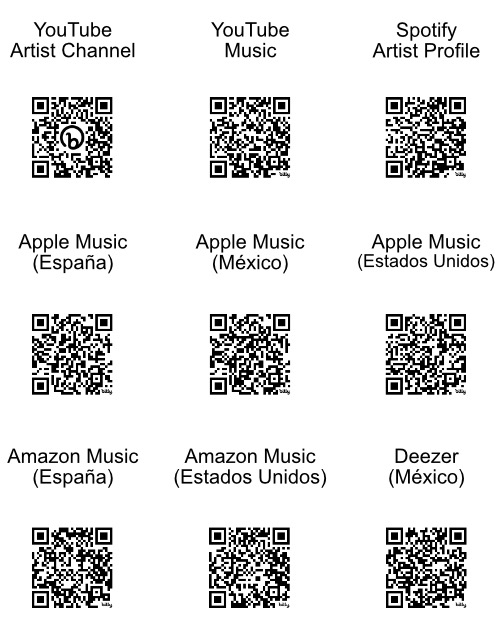
Jean-Michel Serres Apfel Café Apfelsaft Cinema Music Códigos QR Centro Español 2024.

Notizen über Samson François, Ihre (Seine) Interpretationen und Aufnahmen

Überblick

Samson François (1924-1970) war ein renommierter französischer Pianist, der für seine leidenschaftliche und poetische Interpretation des romantischen und impressionistischen Repertoires bekannt war. Er wird insbesondere mit Werken von Chopin, Debussy und Ravel in Verbindung gebracht, die er mit packender Ausdruckskraft und kühner rhythmischer Freiheit spielte.

Er wurde in Deutschland geboren, wuchs in Frankreich auf und zeigte schon früh ein außergewöhnliches Talent für das Klavierspiel. Er studierte unter anderem bei Marguerite Long und Yves Nat, bevor er 1943 den renommierten Concours Long-Thibaud gewann. Sein Spiel war geprägt von einer fast improvisierten Spontaneität, einem samtigen Anschlag und einem einzigartigen Sinn für Klangfarbe, was ihn zu einem idealen Interpreten impressionistischer Musik machte.

Samson François führte ein unkonventionelles Leben, fasziniert von der Nacht, dem Jazz und der Poesie. Diese Intensität des Lebens spiegelte sich in seinem Spiel wider, manchmal unvorhersehbar, aber immer inspiriert. Seine Aufnahme der Chopin-Konzerte unter der Leitung von André Cluytens bleibt eine der am meisten bewunderten, ebenso wie seine Interpretationen von Debussy und Ravel, insbesondere Gaspard de la nuit.

Leider trugen seine fragile Gesundheit und sein exzessiver Lebensstil zu seinem vorzeitigen Tod im Alter von 46 Jahren bei. Dennoch hinterlässt er eine Diskographie, die für Liebhaber des Klaviers und der französischen Musik nach wie vor eine Referenz ist.

Geschichte

Samson François war ein Pianist wie es nur wenige gibt, einer von denen, deren Spiel aus einer anderen Welt zu stammen scheint, zwischen Brillanz und Geheimnis. Er wurde 1924 in Frankfurt am Main geboren, wuchs aber in Frankreich auf und war von Kindheit an von einer außergewöhnlichen musikalischen Sensibilität geprägt. Schon früh wurde sein außergewöhnliches Talent erkannt: Mit sechs Jahren entdeckte er das Klavier und es sollte eine Offenbarung werden. Seine Begabung war so groß, dass seine Familie keine andere Wahl hatte, als ihn den größten Meistern anzuvertrauen.

Mit zehn Jahren gibt er sein erstes Konzert. Als Teenager wird er nach Paris geschickt, wo er Schüler von Marguerite Long und Yves Nat wird. Sein Spiel ist einzigartig: Er hat nicht die akademische Strenge, die man von einem jungen Wunderkind erwartet, sondern eine instinktive Freiheit, einen angeborenen Sinn für Klangfarben, eine Art, das Klavier singen zu lassen, als würde er improvisieren. Im Jahr 1943, mitten im Krieg, gewann er den Concours Long-Thibaud. Er war 19 Jahre alt und eine glänzende Zukunft lag vor ihm.

Aber Samson François war nicht nur ein virtuoser Pianist, er war ein Künstler in all seiner Exzentrik, ein Bohemien, ein Nachtschwärmer, fasziniert von Poesie und Jazz. Er spielt Klavier so, wie er lebt: intensiv, kompromisslos. Er begeistert sich für Chopin, Debussy und Ravel, deren Werke er zu den bedeutendsten Interpretationen macht. Seine Art, Gaspard de la nuit oder die Préludes von Debussy zu spielen, ist einzigartig: Jede Note scheint aus einem Traum zu entspringen, geformt von einem unnachahmlichen Anschlag.

Er nimmt viele Aufnahmen auf, aber für ihn lässt sich Musik nicht auf das Studio reduzieren. Er bevorzugt die Bühne, wo er seinem instinktiven Genie freien Lauf lassen kann. Manchmal unvorhersehbar, kann er an einem Abend genial sein und am nächsten völlig anders. Er spielt, wie er fühlt, in einem ständigen Fieber.

Sein zu kurzes Leben ist von Exzessen geprägt. Er lebt auf der Überholspur, getrieben von seiner Liebe zum Jazz, zur Nacht und vielleicht von einer Art Melancholie, die er durch sein Klavier austreibt. 1970, im Alter von nur 46 Jahren, gibt sein Herz auf. Die Welt verliert einen außergewöhnlichen Pianisten, aber seine Kunst bleibt. Seine Aufnahmen sind auch heute noch Referenzen und fangen die schwer fassbare Magie ein, die Samson François zu einem besonderen Künstler, einem Klangträumer und einem Poeten des Tasteninstruments machte.

Chronologie

1924 – Geburt
Samson Pascal François wird am 18. Mai in Frankfurt am Main, Deutschland, geboren. Sein Vater, ein französischer Ingenieur, reist viel, und die Familie zieht bald nach Frankreich.

1929-1934 – Erste Kontakte mit dem Klavier
Bereits im Alter von 6 Jahren entdeckte er das Klavier und zeigte außergewöhnliche Fähigkeiten. Seine ersten Unterrichtsstunden erhielt er in Italien, wo sein Vater stationiert war.

1935 – Beginn seiner musikalischen Ausbildung
Zurück in Frankreich trat er in das Konservatorium von Nizza ein, wo sein frühreifes Talent entdeckt wurde.

1936 – Begegnung mit Alfred Cortot
Bei einem Konzert wird er von dem großen Pianisten Alfred Cortot bemerkt, der ihn berät und ermutigt, sein Studium in Paris fortzusetzen.

1938 – Aufnahme am Pariser Konservatorium
Mit nur 14 Jahren tritt er in die Klasse von Marguerite Long ein. Er studiert auch bei Yves Nat und erhält einen ersten Preis für Klavier.

1943 – Sieg beim Long-Thibaud-Wettbewerb
Mitten im Zweiten Weltkrieg gewinnt er den Marguerite-Long-Jacques-Thibaud-Wettbewerb, der ihn in die französische Musikszene katapultiert.

1947 – Beginn seiner internationalen Karriere
Er beginnt eine Reihe von Tourneen in Europa und den USA. Sein freies und zugleich poetisches Spiel begeistert schnell ein breites Publikum.

1950er Jahre – Erste bedeutende Aufnahmen
Er nimmt seine ersten Werke für EMI auf, darunter Stücke von Chopin, Ravel und Debussy, die zu seinen Lieblingskomponisten werden.

1959 – Zusammenarbeit mit André Cluytens
Unter der Leitung von André Cluytens nimmt er Chopins Konzerte mit dem Orchestre de la Société des Concerts du Conservatoire auf, die bis heute als Referenz gelten.

1960er Jahre – Blütezeit und turbulentes Leben
Er führt eine intensive Karriere, die sich zwischen Konzerten, Aufnahmen und einem von Exzessen geprägten Nachtleben abspielt. Er ist fasziniert vom Jazz und der Poesie und führt ein unkonventionelles Leben.

1968 – Gesundheitsprobleme
Sein Lebensstil beginnt sich auf seine Gesundheit auszuwirken. Er erleidet einen ersten Herzinfarkt, spielt aber weiter.

1970 – Vorzeitiger Tod
Am 22. Oktober erliegt er im Alter von 46 Jahren einem Herzinfarkt. Sein plötzlicher Tod hinterlässt in der Musikwelt eine große Lücke.

Nachwirkung
Noch heute gilt Samson François als einer der größten französischen Pianisten des 20. Jahrhunderts. Seine Interpretationen von Chopin, Debussy und Ravel sind nach wie vor unumgängliche Referenzen.

Charakteristika der Interpretationen

Die Interpretationen von Samson François sind sofort an ihrer Freiheit, Intensität und Poesie zu erkennen. Er versuchte nicht, akademisch oder perfekt zu spielen, sondern eine zutiefst persönliche Vision von Musik auszudrücken, mit einem einzigartigen Sinn für Geheimnis und Klangfarbe.

1. Eine kühne rhythmische Freiheit
Samson François spielte mit einer rhythmischen Flexibilität, die seinen Interpretationen einen fast improvisierten Charakter verlieh. Er verwendete ein sehr ausdrucksstarkes Rubato, manchmal unvorhersehbar, aber immer organisch. Sein Umgang mit dem Tempo war fließend, er passte jede Phrase an sein momentanes Gefühl an, insbesondere bei Chopin und Debussy.

2. Ein unnachahmliches Spielgefühl
Sein Anschlag war sowohl samtig als auch perkussiv und in der Lage, unendliche Nuancen zu erzeugen. Er besaß die seltene Fähigkeit, den Klang zu formen und je nach Werk traumhafte oder dramatische Stimmungen zu schaffen. Er zeichnete sich durch sein Spiel mit Texturen und Klangfarben aus, insbesondere bei Debussy und Ravel.

3. Ein poetischer und intuitiver Ansatz
Anstatt nach kalter technischer Perfektion zu streben, spielte Samson François mit instinktiver Sensibilität. Jede Note schien eine Geschichte zu erzählen, jeder Satz atmete auf natürliche Weise. Er bevorzugte rohe Emotionen, manchmal auf Kosten absoluter Strenge, was seine Interpretationen zutiefst lebendig machte.

4. Ein Sinn für Geheimnis und Traum
Seine Affinität zur impressionistischen Musik zeigt sich in seiner Art, Debussy und Ravel zu spielen. Er wusste, wie man Harmonien zum Schwingen bringt, den Klängen eine fast flüssige Tiefe verleiht und die Essenz der Unschärfe und des Schimmerns der Klänge einfängt, die den französischen Komponisten so am Herzen liegen. Ravels Gaspard de la nuit wird unter seinen Fingern zu einem hypnotisierenden Klanggemälde.

5. Eine packende dramatische Intensität
In Chopin verband er Lyrik mit Leidenschaft. Seine Interpretationen der Balladen oder Präludien sind leidenschaftlich und gleichzeitig von tiefer Melancholie geprägt. Er wusste auch, wie man Virtuosität zur Geltung bringt, aber immer im Dienste der Emotion und nicht des bloßen Effekts.

6. Ein instinktives Spiel, manchmal unvorhersehbar
Auf der Bühne konnte er an einem Abend ein absolutes Genie sein und an einem anderen Tag zögerlicher. Er spielte entsprechend seiner Stimmung, ohne jemals ein Werk in einer einzigen Interpretation festzuhalten. Dieser Aspekt macht seine Aufnahmen faszinierend: Sie fangen eine spontane, fast magische Energie ein, bei der jede Note aus dem gegenwärtigen Moment zu entstehen scheint.

Fazit

Samson François war kein akademischer Pianist, sondern ein wahrer Poet des Tasteninstruments. Sein zutiefst persönliches Spiel entzog sich den Konventionen und ließ einer freien, manchmal riskanten, aber immer bezaubernden Ausdruckskraft Raum. Diese Kühnheit, diese Spontaneität und diese Fähigkeit, das Klavier zum Singen zu bringen, machen ihn auch heute noch zu einem der größten Interpreten des 20. Jahrhunderts.

Klavier

Samson François spielte hauptsächlich auf Steinway & Sons-Klavieren, einer Marke, die er wegen ihres harmonischen Reichtums und ihrer Spielflexibilität schätzte. Besonders mochte er die Konzertmodelle Steinway D-274, die für ihre Kraft und Klangtiefe bekannt sind. Diese Wahl entsprach seinem ausdrucksstarken Stil und seinem Streben nach vielfältigen Klangfarben.

Er beschränkte sich jedoch nicht auf ein einziges Instrument. Manchmal spielte er auch auf Bechstein-Instrumenten, insbesondere für bestimmte Werke von Debussy und Ravel, da diese deutschen Klaviere einen klareren und perkussiveren Klang bieten, der gut zur Transparenz und Finesse der impressionistischen Musik passt.

Darüber hinaus lässt seine Leidenschaft für Jazz und Nachtmusik vermuten, dass er auch auf Klavieren oder bescheideneren Modellen in intimeren Zusammenhängen gespielt hat, wie zum Beispiel während seiner unkonventionellen Nächte in Pariser Clubs. Seine Beziehung zum Klavier war vor allem instinktiv: Er suchte ein Instrument, das mit seinem momentanen Gemütszustand mitschwang, und nicht mechanische Perfektion.

Beziehungen

Samson François hat dank seiner extravaganten Persönlichkeit und seines unkonventionellen Geistes zahlreiche Beziehungen geknüpft, sowohl in der Musikwelt als auch darüber hinaus. Seine Verbindungen zu Komponisten, Interpreten, Dirigenten und anderen bedeutenden Persönlichkeiten haben eine Schlüsselrolle in seiner Karriere und seinem einzigartigen Stil gespielt.

1. Seine musikalischen Meister und Einflüsse

Marguerite Long: Die große französische Pädagogin war eine ihrer Lehrerinnen am Pariser Konservatorium. Sie vermittelte ihr eine solide Klaviertechnik und gründliche Kenntnisse von Ravel und Debussy.
Yves Nat: Ein weiterer prägender Lehrer, der ihm ein Gespür für Phrasierung und musikalische Tiefe vermittelte.
Alfred Cortot: Auch wenn er nicht offiziell sein Lehrer war, beeinflusste Cortot Samson François durch seine freie und ausdrucksstarke Herangehensweise an das Klavier stark.

2. Zusammenarbeit mit Dirigenten und Orchestern

André Cluytens: Ohne Zweifel sein berühmtester Mitarbeiter, leitete er seine Aufnahmen der Chopin-Konzerte mit dem Orchestre de la Société des Concerts du Conservatoire. Cluytens und François teilten eine ähnliche musikalische Sensibilität, und diese Aufnahmen gelten heute als Referenzen.
Louis Frémaux und Constantin Silvestri: Weitere Dirigenten, mit denen er spielte, insbesondere bei Konzerten und Aufnahmen von romantischen und impressionistischen Konzerten.
Orchestre de la Société des Concerts du Conservatoire: Er spielte oft mit diesem renommierten Orchester, insbesondere bei seinen Konzertaufnahmen.

3. Beziehungen zu Komponisten

Obwohl er keine direkten Verbindungen zu den großen Komponisten hatte, die er interpretierte (Chopin, Ravel, Debussy), wurde er von mehreren zeitgenössischen Persönlichkeiten beeinflusst:

Olivier Messiaen: François bewunderte Messiaen und seine innovative harmonische Sprache, obwohl er nicht dafür bekannt ist, sein Werk interpretiert zu haben.
Henri Dutilleux: Er war mit Dutilleux befreundet, der die französische Musik seiner Zeit prägte, obwohl ihre musikalische Zusammenarbeit nicht dokumentiert ist.
Pierre Boulez: Auch wenn sie sich in sehr unterschiedlichen ästhetischen Richtungen bewegten, gehörten Samson François und Boulez zur selben Generation innovativer französischer Musiker.

4. Freundschaften und Beziehungen außerhalb der Musikwelt

Schriftsteller und Dichter: Samson François war fasziniert von der Literatur und verkehrte in Kreisen von Schriftstellern und Dichtern. Er teilte die Bewunderung für Baudelaire, Rimbaud und die Surrealisten, die sein zutiefst poetisches Spiel inspirierten.
Die Welt des Jazz: Er hatte eine Leidenschaft für Jazz und verkehrte in Pariser Clubs, wo er sich mit Jazzmusikern seiner Zeit austauschte. Sein Klavierspiel wurde manchmal von dieser rhythmischen Freiheit und seiner Vorliebe für Improvisation beeinflusst.
Die Bohème- und Nachtclubs: Als Liebhaber der Nacht führte er ein intensives Leben zwischen Konzerten und Pariser Abenden, wo er mit Künstlern, Intellektuellen und Persönlichkeiten des kulturellen Lebens verkehrte.

5. Persönliche Beziehungen und Vermächtnis

Sein Privatleben war geprägt von tiefen Freundschaften, manchmal turbulenten Beziehungen und einer inneren Einsamkeit, die sich in seiner Musik widerspiegelte. Obwohl er keine Schüler im akademischen Sinne hinterließ, beeinflusste er eine ganze Generation von Pianisten und bleibt eine mythische Figur des französischen Klaviers.

Repertoire für Soloklavier

Samson François ist vor allem für seine leidenschaftlichen und poetischen Interpretationen von Chopin, Debussy und Ravel bekannt. Hier sind einige der Werke für Soloklavier, die er durch seine Aufnahmen verewigt hat:

Frédéric Chopin

24 Préludes, op. 28 – Eine seiner absoluten Referenzen, gespielt mit großer Freiheit und Ausdruckskraft.
Balladen Nr. 1-4 – Er verleiht diesen Stücken eine einzigartige dramatische Intensität.
Sonate Nr. 2 in b-Moll, op. 35 (Trauermarsch) – Eine Interpretation, die von seinem Sinn für Tragik und Mysterium geprägt ist.
Scherzos Nr. 1-4 – Hier drückt er sowohl Leidenschaft als auch Lyrik aus.
Ausgewählte Nocturnes – Sein samtiger Anschlag und seine Sensibilität machen sie unvergesslich.

Claude Debussy

Préludes (Bände 1 & 2) – Er nimmt eine Auswahl der berühmtesten Préludes (La Cathédrale engloutie, Feux d’artifice, Ce qu’a vu le vent d’ouest) mit einem ätherischen und traumhaften Klang auf.
Estampes – Er verherrlicht die Exotik und Finesse dieses Werkes (Pagoden, Der Abend in Granada).
Bilder (Bücher 1 & 2) – Insbesondere Spiegelungen im Wasser und Goldfische, gespielt mit einer außergewöhnlichen Klangfarbe.
Suite Bergamasque (Mondschein) – Eine Interpretation voller Poesie und Zartheit.
L’Isle Joyeuse – Er macht daraus ein strahlendes und freies Fresko voller Nuancen.

Maurice Ravel

Gaspard de la nuit – Seine Interpretation ist legendär, insbesondere ein Scarbo von beinahe dämonischer Intensität.
Miroirs – Er nimmt insbesondere Oiseaux tristes und Une barque sur l’océan mit unvergleichlicher Finesse auf.
Sonatine – Sein flüssiges und leuchtendes Spiel unterstreicht die Eleganz dieses Werkes.
Le Tombeau de Couperin – Insbesondere eine explosive Toccata und eine nostalgische Pavane.

Andere Komponisten

Obwohl sein Lieblingsrepertoire das Trio Chopin-Debussy-Ravel bleibt, hat er auch interpretiert:

Robert Schumann – Carnaval, op. 9
Franz Liszt – Ungarische Rhapsodie Nr. 12
Serge Prokofjew – Klaviersonate Nr. 7, op. 83

Diese Aufnahmen zeugen vom einzigartigen Genie von Samson François, der jedes Werk mit einer persönlichen Vision angegangen ist, die sowohl instinktiv als auch zutiefst musikalisch war.

Berühmte Solo-Klavieraufnahmen

Samson François hat eine denkwürdige Diskographie hinterlassen, insbesondere mit Werken von Chopin, Debussy und Ravel, wo sein poetisches und freies Spiel die Gemüter beeindruckte. Hier sind seine berühmtesten Aufnahmen als Soloklavier:

Frédéric Chopin

24 Préludes, op. 28 (EMI, 1968) – Eine mythische Aufnahme, in der er alle Nuancen und Kontraste dieses Werkes erkundet.
Balladen Nr. 1-4 – Interpretationen von großer Intensität mit fließender und dramatischer Erzählung.
Scherzos Nr. 1-4 – Eine seiner energiegeladensten Aufnahmen, in der er Leidenschaft und Eleganz vereint.
Ausgewählte Nocturnes – Ein verträumter und subtiler Anschlag, der diese Stücke sublimiert.
Sonate Nr. 2 in b-Moll, op. 35 („Marche funèbre“) – Eine kraftvolle und tragische Aufnahme.

Claude Debussy

Préludes (Auswahl, Bücher 1 & 2) (EMI, 1967-1968) – Legendäre Interpretationen von La Cathédrale engloutie, Feux d’artifice, Ce qu’a vu le vent d’ouest…
Images (Bände 1 & 2) – Insbesondere Reflets dans l’eau und Poissons d’or, gespielt mit einer unglaublichen Klangpalette.
Estampes – Son Pagodes und La soirée à Grenade bleiben Referenzen.
L’Isle Joyeuse – Eine lebendige und freie Aufnahme, in der er das ganze Licht dieses Stücks einfängt.
Suite Bergamasque (Clair de Lune) – Eine poetische und zeitlose Version.

Maurice Ravel

Gaspard de la nuit (EMI, 1962) – Eine der berühmtesten Aufnahmen, insbesondere für einen teuflischen Scarbo.
Miroirs (Auswahl) – Mit Oiseaux tristes und Une barque sur l’océan, gespielt mit außergewöhnlicher Finesse.
Le Tombeau de Couperin – Insbesondere eine explosive Toccata.
Sonatine – Eine leuchtende und elegante Version.

Weitere bemerkenswerte Aufnahmen

Robert Schumann – Carnaval, op. 9
Franz Liszt – Ungarische Rhapsodie Nr. 12
Serge Prokofiev – Klaviersonate Nr. 7 – Ein ungewöhnliches Werk in seinem Repertoire, aber mit roher Energie gespielt.

Diese Aufnahmen, die größtenteils unter dem Label EMI entstanden, sind nach wie vor absolute Referenzen und zeugen vom einzigartigen Genie von Samson François, der jede Note mit unnachahmlicher Ausdruckskraft zum Schwingen zu bringen vermochte.

Repertoire und berühmte Aufnahmen von Klavierkonzerten

Samson François hat mehrere bedeutende Konzerte aus dem romantischen und impressionistischen Repertoire aufgenommen. Besonders berühmt sind seine Interpretationen der Konzerte von Chopin, Ravel und Prokofjew.

Frédéric Chopin

Klavierkonzert Nr. 1 in e-Moll, op. 11
Klavierkonzert Nr. 2 in f-Moll, op. 21

Diese beiden Konzerte, die unter der Leitung von André Cluytens aufgenommen wurden, gehören zu seinen berühmtesten. Seine Interpretation verbindet Lyrik, Freiheit und einen poetischen Klang mit einem ausdrucksstarken Rubato.

Maurice Ravel

Konzert für die linke Hand – Eine dunkle und intensive Interpretation, die die Kraft und das Geheimnis des Werkes hervorhebt.
Konzert in G-Dur – Seine Aufnahme ist eine Referenz, die die jazzige Energie und die Finesse des Werkes perfekt einfängt. Er spielt mit einer einzigartigen Eleganz und Lebendigkeit.

Claude Debussy

Fantaisie für Klavier und Orchester – Obwohl dieses Werk von Debussy weniger gespielt wird als andere Konzerte, findet es in Samson François mit seinem fließenden Spiel und seiner impressionistischen Farbpalette einen idealen Interpreten.

Serge Prokofiev

Konzert für Klavier Nr. 5 in G-Dur, op. 55 – Eine weniger bekannte Aufnahme, aber von großer rhythmischer und expressiver Kraft.

Berühmte Aufnahmen von Klavierkonzerten von Samson François

Mit André Cluytens und dem Orchestre de la Société des Concerts du Conservatoire (EMI)
Chopin – Klavierkonzerte Nr. 1 und Nr. 2 (1954) – Absolute Referenz mit warmem Klang und expressivem Rubato.
Ravel – Konzert in G-Dur & Konzert für die linke Hand (1960) – Eine legendäre Aufnahme, die als eine der besten Fassungen dieser Werke gilt.

Weitere bemerkenswerte Aufnahmen

Prokofjew – Klavierkonzert Nr. 5 – Energetische und perkussive Version.
Debussy – Fantasie für Klavier und Orchester – Selten aufgenommen, aber durch seine Sensibilität sublimiert.

Diese Aufnahmen, hauptsächlich unter dem Label EMI, gehören zu den großen Referenzen in der Geschichte der Schallplatte und veranschaulichen die einzigartige Kunst von Samson François im Konzertrepertoire.

Weitere bemerkenswerte Interpretationen und Aufnahmen

Neben seinen berühmten Aufnahmen als Solopianist und in Konzerten hat Samson François auch einige bemerkenswerte Interpretationen in anderen Formationen hinterlassen, obwohl sein Kammermusikrepertoire und seine Orchesterkollaborationen seltener sind.

1. Kammermusik

Obwohl er in erster Linie ein Solopianist war, spielte Samson François gelegentlich Kammermusik. Es gibt jedoch nur wenige offizielle Aufnahmen seiner Zusammenarbeit mit anderen Musikern.

Gabriel Fauré – Klavierquartett Nr. 1 in c-Moll, op. 15

Aufnahme mit Musikern des Orchestre de la Société des Concerts du Conservatoire.
Eine elegante und sensible Interpretation dieses intimen Werks.

Francis Poulenc – Sonate für Violine und Klavier

Er soll einige Werke von Poulenc gespielt haben, aber es gibt keine offiziellen Aufnahmen.

Zusammenarbeit mit Sängern und Kammermusikern

Er hat einige Sänger bei französischen Melodien begleitet, aber es sind nur wenige Aufnahmen erhalten.

2. Musik mit Orchester außer Konzerten

Obwohl er vor allem für seine Interpretationen von Konzerten bekannt ist, hat Samson François auch andere Werke für Klavier und Orchester erforscht.

Igor Strawinsky – Capriccio für Klavier und Orchester

Ein brillantes und rhythmisches Werk, das François hätte spielen können, aber es ist keine offizielle Aufnahme bekannt.

André Jolivet – Konzert für Klavier und Orchester

Er soll Interesse an der Musik von Jolivet gezeigt haben, einem französischen Komponisten des 20. Jahrhunderts.

3. Orchesterwerke oder Werke ohne Klavier, die er dirigiert oder beeinflusst hat

Obwohl er kein Dirigent war, konnte er durch seinen freien und ausdrucksstarken Stil einige Orchesteraufführungen seiner Zeit beeinflussen.

Fazit

Das Repertoire von Samson François außerhalb des Solopianos und der Konzerte bleibt relativ begrenzt, da er in erster Linie ein Solistenpianist war. Er hat sich nicht so sehr mit Kammermusik beschäftigt wie einige seiner Zeitgenossen wie Cortot oder Richter. Seine Ausflüge in die Kammermusik und seine seltenen Orchesterkollaborationen zeugen jedoch von seiner musikalischen Offenheit und seinem Interesse an einem breiteren Repertoire.

Aktivitäten außerhalb der Musik

Samson François war eine komplexe Persönlichkeit, deren Aktivitäten weit über die Musik hinausgingen. Sein unkonventioneller Geist und sein ungezügelter Lebensstil prägten seine Karriere und sein Image, insbesondere durch seine sozialen Beziehungen und sein intellektuelles und künstlerisches Engagement. Hier ein Überblick über seine Aktivitäten außerhalb der Musik:

1. Ein unkonventionelles und nächtliches Leben

Samson François führte ein Leben, das von großer persönlicher Freiheit geprägt war, fast rebellisch, was im Gegensatz zu dem eher konventionellen Bild des klassischen Pianisten stand. Er liebte die Pariser Nächte, Bars und Cafés und besuchte regelmäßig die intellektuellen und künstlerischen Treffpunkte der Hauptstadt. Er lebte einen wahrhaftig unkonventionellen Lebensstil und nährte sich von Diskussionen mit Künstlern, Schriftstellern und Dichtern. Seine Liebe zur Nacht und sein Charakter als „zeitloser Romantiker“ machten ihn zu einer faszinierenden Persönlichkeit, die oft als eine Art „tragischer Romantiker“ wahrgenommen wurde. Er traf sich oft mit Künstlern und Denkern und versuchte, die Musik zu transzendieren, indem er Philosophie und Literatur miteinander verband.

2. Leidenschaft für Literatur und Poesie

Er hegte eine wahre Leidenschaft für Literatur, insbesondere für Poesie. Er hatte eine besondere Bewunderung für Charles Baudelaire, Arthur Rimbaud und die Surrealisten, Autoren, die seine Vorstellungskraft beflügelten. Seine Herangehensweise an die Musik, insbesondere sein oft unvorhersehbares und poetisches Spiel, war stark von seinen Lesungen der symbolistischen und modernen Dichter beeinflusst. Er interessierte sich auch für die Romanschriftsteller seiner Zeit, insbesondere für die der literarischen Avantgarde, was ihn den intellektuellen Kreisen von Paris näherbrachte.

3. Das Interesse am Jazz

Ein weiterer markanter Aspekt seiner Persönlichkeit war sein Interesse am Jazz. Obwohl er ein international renommierter klassischer Pianist war, hatte Samson François eine echte Leidenschaft für den Jazz, den er Anfang der 1940er Jahre entdeckte. Er besuchte die Pariser Jazzclubs und betrachtete sie mit neuen Augen, beeindruckt von der Ausdrucksfreiheit und Improvisation der Musiker. Er unterhielt sich gerne mit Jazzmusikern, und sein Ansatz zur Klaviermusik, insbesondere sein Rubato und sein Sinn für Improvisation, waren von dieser Musik beeinflusst.

4. Die Vorliebe für Gastronomie und Lebensart

Samson François war auch ein Mann, der sich für Gastronomie und Lebensfreude begeisterte. Seine Liebe für gutes Essen und die einfachen Freuden des Lebens waren ein wesentlicher Bestandteil seines Charakters. Er verbrachte viel Zeit damit, Pariser Restaurants zu entdecken und sich mit Freunden bei Mahlzeiten auszutauschen, bei denen sich die Unterhaltung oft auf Kultur, Politik oder Musik erstreckte. Diese Momente der Geselligkeit waren eine Erweiterung seines unkonventionellen Lebensstils und nährten seine künstlerische Inspiration.

5. Sein politisches Engagement und seine Ansichten über die Gesellschaft

Obwohl sein politisches Engagement nicht so ausgeprägt war wie das einiger seiner Zeitgenossen, hatte Samson François dennoch Ansichten über Gesellschaft und Politik. Er lebte in einer Zeit großer sozialer und politischer Spannungen in Frankreich, mit dem Schatten des Zweiten Weltkriegs und weltweiten Umwälzungen. Er war beeinflusst von Ideen der individuellen Freiheit und einem gewissen philosophischen Anarchismus, mit großem Misstrauen gegenüber Institutionen und Formen der sozialen Kontrolle. Seine rebellische Persönlichkeit und sein Charakter, der sich außerhalb gesellschaftlicher Konventionen bewegte, spiegelten sich in seinen Ansichten wider, die er gerne mit seinen Freunden teilte.

6. Seine Liebe zur Natur und zum Reisen

Samson François war auch ein Mann, der die Natur liebte und kontemplatives Reisen liebte. Er hatte eine abenteuerlustige Seele, reiste manchmal abseits der ausgetretenen Pfade, nährte sich von seinen Entdeckungen und suchte nach Momenten der Ruhe abseits des Pariser Trubels. Diese Reisen, manchmal allein, nährten seine musikalische Inspiration und boten ihm Zuflucht in Zeiten innerer Turbulenzen.

7. Beziehungen zu kulturellen und gesellschaftlichen Persönlichkeiten

Außerhalb seines künstlerischen Umfelds pflegte Samson François Beziehungen zu einflussreichen kulturellen Persönlichkeiten, Intellektuellen, Dichtern, Romanautoren und Philosophen seiner Zeit. Zu seinen Freunden und Vertrauten zählten bedeutende Persönlichkeiten der Pariser Literatur- und Intellektuellenwelt. Seine Freundschaften mit Schriftstellern wie Louis Aragon sind gut dokumentiert und ermöglichten es ihm, sich über Ideen auszutauschen, die über die Musik hinausgingen. Er war auch mit Malern und Filmemachern der Nouvelle Vague verbunden.

Fazit

Samson François beschränkte sich nicht auf seine Rolle als klassischer Pianist; er verkörperte einen Gesamtkünstler, dessen außermusikalische Aktivitäten seine Vision von Musik ständig bereicherten. Sein unkonventionelles Leben, seine Vorliebe für literarische Diskussionen, seine Liebe zum Jazz sowie sein Engagement für eine breitere intellektuelle Reflexion machen ihn zu einer unverzichtbaren Figur, nicht nur in der Welt der Musik, sondern auch im künstlerischen und kulturellen Geist des Paris seiner Zeit.

(Dieser Artikel wurde von ChatGPT generiert. Und er ist nur ein Referenzdokument, um Musik zu entdecken, die Sie noch nicht kennen.)

Inhalt der klassischen Musik

Best Classical Recordings
on YouTube

Best Classical Recordings
on Spotify
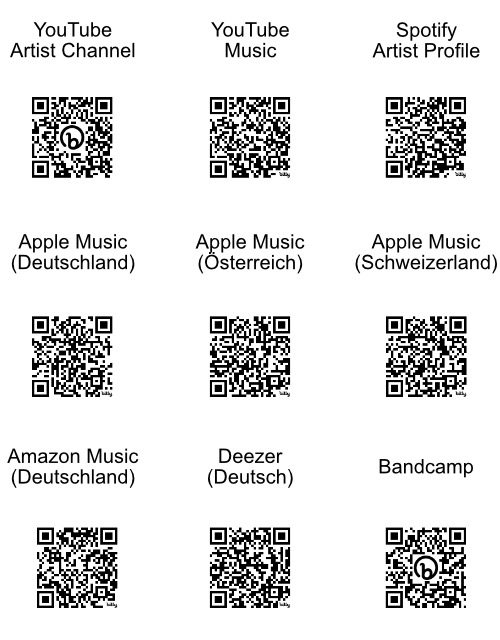
Jean-Michel Serres Apfel Cafe Apfelsaft Cinema Music QR-Kodes Mitte Deutsch 2024.

Notes on Samson François, His Performances & Recordings

Overview

Samson François (1924-1970) was a renowned French pianist, famous for his passionate and poetic interpretation of the Romantic and Impressionist repertoire. He is particularly associated with the works of Chopin, Debussy and Ravel, which he played with striking expressiveness and bold rhythmic freedom.

Born in Germany, he grew up in France and showed exceptional talent for the piano from a very early age. He studied with Marguerite Long and Yves Nat, among others, before winning the prestigious Long-Thibaud Competition in 1943. His playing was characterised by an almost improvised spontaneity, a velvety touch and a unique sense of tonal colour, making him an ideal interpreter of impressionist music.

Samson François led a bohemian life, fascinated by the night, jazz and poetry. This intensity of life was reflected in his playing, sometimes unpredictable, but always inspired. His recording of the Chopin concertos under the direction of André Cluytens remains one of the most admired, as do his interpretations of Debussy and Ravel, notably Gaspard de la nuit.

Unfortunately, his fragile health and excessive lifestyle contributed to his premature death at the age of 46. Nevertheless, he leaves behind a discography that remains a reference for lovers of the piano and French music.

History

Samson François was a pianist like few others, one of those whose playing seems to spring from another world, somewhere between dazzling brilliance and mystery. He was born in 1924 in Frankfurt, Germany, but grew up in France, immersed from childhood in an extraordinary musical sensibility. An exceptional talent was spotted in him at a very early age: he discovered the piano at the age of six, and it was a revelation. His gift was such that his family had no choice but to entrust him to the greatest masters.

He gave his first concert at the age of ten. Then, as a teenager, he was sent to Paris, where he became a pupil of Marguerite Long and Yves Nat. His playing was unlike any other: he did not have the academic rigour expected of a young prodigy, but an instinctive freedom, an innate sense of sound colour, a way of making the piano sing as if he were improvising. In 1943, in the middle of the war, he won the Long-Thibaud Competition. He was 19 years old and a dazzling future lay ahead of him.

But Samson François was not just a virtuoso pianist; he was an artist in all his eccentricity, a bohemian, a night owl fascinated by poetry and jazz. He plays the piano as he lives: with intensity, without compromise. He is passionate about Chopin, Debussy and Ravel, of whom he will become one of the greatest interpreters. His way of playing Gaspard de la nuit or Debussy’s Préludes is unique: each note seems to emerge from a dream, shaped by an inimitable touch.

He records a lot, but for him, music is not just about the studio. He prefers the stage, where he can give free rein to his instinctive genius. Sometimes unpredictable, he can be brilliant one night and totally different the next. He plays how he feels, in a permanent fever.

His life, too short, was marked by excess. He burned the candle at both ends, carried away by his love of jazz, of the night, and perhaps by a form of melancholy that he exorcised through his piano. In 1970, at only 46 years of age, his heart gave out. The world lost an exceptional pianist, but his art lives on. His recordings are still considered benchmarks, capturing that elusive magic that made Samson François a unique artist, a dreamer of sounds, a poet of the keyboard.

Chronology

1924 – Birth
Samson Pascal François is born on 18 May in Frankfurt am Main, Germany. His father, a French engineer, travels a lot, and the family soon moves to France.

1929-1934 – First contact with the piano
From the age of 6, he discovered the piano and showed exceptional aptitude. He received his first lessons in Italy, where his father was stationed.

1935 – Start of his musical training
Back in France, he enrolled at the Nice Conservatory where he was spotted for his precocious talent.

1936 – Meeting with Alfred Cortot
During a concert, he is noticed by the great pianist Alfred Cortot, who advises and encourages him to continue his studies in Paris.

1938 – Admitted to the Paris Conservatoire
At only 14 years of age, he enters Marguerite Long’s class. He also studies with Yves Nat and wins first prize for piano.

1943 – Victory in the Long-Thibaud Competition
In the middle of the Second World War, he won the Marguerite Long-Jacques Thibaud Competition, which propelled him onto the French music scene.

1947 – Start of his international career
He began a series of tours in Europe and the United States. His playing, at once free and poetic, quickly won over a large audience.

1950s – First major recordings
He records his first works for EMI, including pieces by Chopin, Ravel and Debussy, who will become his favourite composers.

1959 – Collaboration with André Cluytens
Under the direction of André Cluytens, he records Chopin’s concertos with the Orchestre de la Société des Concerts du Conservatoire, a benchmark recording to this day.

The 1960s – His heyday and tumultuous life
He led an intense career, divided between concerts, recordings and a nightlife characterised by excess. He was fascinated by jazz and poetry and led a bohemian existence.

1968 – Health problems
His lifestyle began to affect his health. He suffered his first heart attack, but continued to play.

1970 – Premature death
On 22 October, he died of a heart attack at the age of 46. His sudden death left the music world in mourning.

Legacy
Even today, Samson François is recognised as one of the greatest French pianists of the 20th century. His interpretations of Chopin, Debussy and Ravel remain essential references.

Characteristics of the performances

Samson François’ performances are immediately recognisable for their freedom, intensity and poetry. He did not seek to play in an academic or perfect manner, but to express a deeply personal vision of music, with a unique sense of mystery and sound colour.

1. A bold rhythmic freedom
Samson François played with a rhythmic flexibility that gave his interpretations an almost improvised character. He used a very expressive rubato, sometimes unpredictable, but always organic. His approach to tempo was fluid, adapting each phrase to his feelings of the moment, especially in Chopin and Debussy.

2. An inimitable touch
His touch was both velvety and percussive, capable of infinite nuances. He had a rare ability to shape sound, creating dreamlike or dramatic atmospheres depending on the work. He excelled in the interplay of textures and timbres, particularly in Debussy and Ravel.

3. A poetic and intuitive approach
Rather than seeking cold technical perfection, Samson François played with instinctive sensitivity. Each note seemed to tell a story, each phrase breathed naturally. He favoured raw emotion, sometimes to the detriment of absolute rigour, which made his interpretations deeply vivid.

4. A sense of mystery and dreaminess
His affinity with impressionist music is evident in his playing of Debussy and Ravel. He knew how to make the harmonies vibrate, to give the sounds an almost liquid depth, capturing the essence of the blur and the sonic shimmer so dear to French composers. Ravel’s Gaspard de la nuit, under his fingers, becomes a hypnotic sound painting.

5. A striking dramatic intensity
In Chopin, he combined lyricism and passion. His interpretations of the Ballades and the Préludes are both impassioned and imbued with a profound melancholy. He also knew how to display virtuosity, but always in the service of emotion and not mere effect.

6. An instinctive, sometimes unpredictable style
On stage, he could be an absolute genius one night and more hesitant another. He played according to his mood, never freezing a work in a single interpretation. This aspect makes his recordings fascinating: they capture a spontaneous, almost magical energy, where each note seems to arise from the present moment.

Conclusion

Samson François was not an academic pianist, but a true poet of the keyboard. His playing, deeply personal, escaped convention and gave way to a free expressiveness, sometimes risky, but always bewitching. It is this audacity, this spontaneity and this ability to make the piano sing that still make him one of the greatest performers of the 20th century.

Piano

Samson François mainly played Steinway & Sons pianos, a brand he favoured for its harmonic richness and flexibility of play. He particularly appreciated the Steinway D-274 concert models, renowned for their power and depth of sound. This choice was well suited to his expressive style and his search for varied sound colours.

However, he did not limit himself to one instrument. He also played on Bechsteins, particularly for certain works by Debussy and Ravel, because these German pianos offer a clearer and more percussive sound, which goes well with the transparency and finesse of impressionist music.

Moreover, his passion for jazz and nocturnal music suggests that he also played upright pianos or more modest models in more intimate settings, such as during his bohemian nights in Parisian clubs. His relationship with the piano was above all instinctive: he sought an instrument that resonated with his state of mind at the time, not mechanical perfection.

Relationships

Samson François forged many relationships, both in the musical world and beyond, thanks to his flamboyant personality and bohemian spirit. His connections with composers, performers, conductors and other prominent figures played a key role in his career and his unique style.

1. His musical masters and influences

Marguerite Long: A great French teacher, she was one of his teachers at the Paris Conservatoire. She gave him a solid piano technique and an in-depth knowledge of Ravel and Debussy.
Yves Nat: Another significant teacher, who gave him a sense of phrasing and musical depth.
Alfred Cortot: Although he was not officially his teacher, Cortot strongly influenced Samson François with his free and expressive approach to the piano.

2. Collaborations with conductors and orchestras

André Cluytens: Undoubtedly his most famous collaborator, he conducted his recordings of Chopin concertos with the Orchestre de la Société des Concerts du Conservatoire. Cluytens and François shared a similar musical sensibility, and these recordings are now considered to be benchmarks.
Louis Frémaux and Constantin Silvestri: Other conductors with whom he played, particularly for concerts and recordings of Romantic and Impressionist concertos.
Orchestre de la Société des Concerts du Conservatoire: He often played with this prestigious orchestra, particularly in his recordings of concertos.

3. Relations with composers

Although he had no direct links with the great composers he performed (Chopin, Ravel, Debussy), he was influenced by several contemporary figures:

Olivier Messiaen: François admired Messiaen and his innovative harmonic language, although he is not known to have performed his work.
Henri Dutilleux: He rubbed shoulders with Dutilleux, who left his mark on French music of his time, although their musical collaboration is not documented.
Pierre Boulez: Even though they evolved in very different aesthetics, Samson François and Boulez belonged to the same generation of innovative French musicians.

4. Friendships and relationships outside the musical world

Writers and poets: Fascinated by literature, Samson François frequented the milieu of writers and poets. He shared an admiration for Baudelaire, Rimbaud and the Surrealists, who inspired his profoundly poetic playing.
The world of jazz: He had a passion for jazz and frequented the Parisian clubs, where he interacted with jazz musicians of his time. His piano playing was sometimes influenced by this rhythmic freedom and taste for improvisation.
Bohemian and nocturnal circles: A lover of the night, he led an intense life, between concerts and Parisian evenings, where he rubbed shoulders with artists, intellectuals and figures from the cultural scene.

5. Personal relationships and legacy

His personal life was characterised by deep friendships, sometimes tumultuous relationships and an inner loneliness that was reflected in his music. Although he did not have any students in the academic sense, he influenced a whole generation of pianists and remains a legendary figure in French piano music.

Solo piano repertoire

Samson François is best known for his passionate and poetic interpretations of Chopin, Debussy and Ravel. Here are some of the solo piano works he has immortalised through his recordings:
Ballades nos. 1-4 – He breathes a unique dramatic intensity into these pieces.
Sonata No. 2 in B flat minor, Op. 35 (Funeral March) – An interpretation characterised by his sense of tragedy and mystery.
Scherzos nos. 1-4 – Where he expresses both ardour and lyricism.
Selected Nocturnes – Their velvety touch and sensitivity make them unforgettable.

Claude Debussy

Préludes (Books 1 & 2) – He records a selection of the most famous preludes (La Cathédrale engloutie, Feux d’artifice, Ce qu’a vu le vent d’ouest), with an ethereal and dreamlike sound.
Estampes – He magnifies the exoticism and finesse of this work (Pagodes, La soirée dans Grenade).
Images (Books 1 & 2) – Especially Reflets dans l’eau and Poissons d’or, played with extraordinary sonic colour.
Suite Bergamasque (Clair de Lune) – An interpretation full of poetry and delicacy.
L’Isle Joyeuse – He turns it into a dazzling, free-flowing fresco, full of nuances.

Maurice Ravel

Gaspard de la nuit – His interpretation is legendary, particularly a Scarbo of almost demonic intensity.
Miroirs – He records Oiseaux tristes and Une barque sur l’océan in particular with unparalleled finesse.
Sonatine – His fluid and luminous playing emphasises the elegance of this work.
Le Tombeau de Couperin – Notably an explosive Toccata and a Pavane full of nostalgia.

Other composers

Although his favourite repertoire remains the Chopin-Debussy-Ravel trio, he has also performed:

Robert Schumann – Carnaval, op. 9
Franz Liszt – Hungarian Rhapsody No. 12
Serge Prokofiev – Piano Sonata No. 7, Op. 83

These recordings bear witness to the unique genius of Samson François, who approached each work with a personal vision that was both instinctive and profoundly musical.

Famous solo piano recordings

Samson François left a memorable discography, particularly in the works of Chopin, Debussy and Ravel, where his poetic and free playing made a lasting impression. Here are his most famous solo piano recordings:

Frédéric Chopin

24 Préludes, op. 28 (EMI, 1968) – A legendary recording, where he explores all the nuances and contrasts of this work.
Ballades nos. 1-4 – Interpretations of great intensity, with a fluid and dramatic narrative.
Scherzos nos 1-4 – One of his most energetic recordings, combining ardour and elegance.
Selected Nocturnes – A dreamy and subtle touch that sublimates these pieces.
Sonata No. 2 in B flat minor, Op. 35 (‘Funeral March’) – A powerful and tragic recording.

Claude Debussy

Préludes (selection, Books 1 & 2) (EMI, 1967-1968) – Legendary interpretations of La Cathédrale engloutie, Feux d’artifice, Ce qu’a vu le vent d’ouest…
Images (Books 1 & 2) – Especially Reflets dans l’eau and Poissons d’or, played with an incredible sound palette.
Prints – His Pagodes and La soirée in Grenade remain references.
L’Isle Joyeuse – A vibrant and free recording, where he captures all the light of this piece.
Suite Bergamasque (Clair de Lune) – A poetic and timeless version.

Maurice Ravel

Gaspard de la nuit (EMI, 1962) – One of the most famous recordings, particularly for a diabolical Scarbo.
Miroirs (selection) – With Oiseaux tristes and Une barque sur l’océan, played with exceptional finesse.
Le Tombeau de Couperin – Especially an explosive Toccata.
Sonatine – A luminous and elegant version.

Other notable recordings

Robert Schumann – Carnaval, op. 9
Franz Liszt – Hungarian Rhapsody No. 12
Serge Prokofiev – Piano Sonata No. 7 – An unusual work in his repertoire, but played with raw energy.

These recordings, most of them made under the EMI label, remain absolute references and bear witness to the unique genius of Samson François, capable of making every note vibrate with inimitable expressiveness.

Famous repertoire and recordings of piano concertos

Samson François recorded several major concertos from the Romantic and Impressionist repertoire. His interpretations of the concertos by Chopin, Ravel and Prokofiev are particularly famous.

Frédéric Chopin

Piano Concerto No. 1 in E minor, Op. 11
Piano Concerto No. 2 in F minor, Op. 21

These two concertos, recorded under the direction of André Cluytens, are among his most famous. His interpretation combines lyricism, freedom and a poetic sound, with a very expressive rubato.

Maurice Ravel

Concerto for the Left Hand – A sombre and intense interpretation, emphasising the power and mystery of the work.
Concerto in G Major – His recording is a benchmark, perfectly capturing the jazz energy and finesse of the work. He plays with a unique elegance and vivacity.

Claude Debussy

Fantaisie for piano and orchestra – Although less played than other concertos, this work by Debussy finds in Samson François an ideal performer, with his fluid playing and his palette of impressionist colours.

Serge Prokofiev

Piano Concerto No. 5 in G major, Op. 55 – A lesser-known recording but one of great rhythmic and expressive power.

Famous recordings of piano concertos by Samson François

With André Cluytens and the Orchestre de la Société des Concerts du Conservatoire (EMI)
Chopin – Piano Concertos No. 1 and No. 2 (1954) – The gold standard, with a warm sound and expressive rubato.
Ravel – Concerto in G major & Concerto for the left hand (1960) – A legendary recording, considered one of the best versions of these works.

Other notable recordings

Prokofiev – Piano Concerto No. 5 – Energetic and percussive version.
Debussy – Fantaisie for piano and orchestra – Rarely recorded, but sublimated by its sensitivity.

These recordings, mainly under the EMI label, are among the great references in the history of the disc, illustrating the unique art of Samson François in the concert repertoire.

Other notable performances and recordings

Aside from his famous solo piano and concerto recordings, Samson François also left behind some notable performances in other line-ups, although his chamber music repertoire and orchestral collaborations are rarer.

1. Chamber music

Although he was primarily a solo pianist, Samson François occasionally played chamber music. However, there are few official recordings of his collaborations with other musicians.

Gabriel Fauré – Piano Quartet No. 1 in C minor, Op. 15

Recording with musicians from the Orchestre de la Société des Concerts du Conservatoire.
An elegant and sensitive interpretation of this intimate work.

Francis Poulenc – Sonata for violin and piano

He is said to have played some of Poulenc’s works, but no official recording has been found.

Collaborations with singers and chamber musicians

He accompanied some singers in French melodies, but few recordings have been preserved.

2. Music with orchestra other than concertos

Although he is best known for his interpretations of concertos, Samson François also explored other works for piano and orchestra.

Igor Stravinsky – Capriccio for piano and orchestra

A brilliant and rhythmic work that François could have played, but no official recording is known.

André Jolivet – Concerto for piano and orchestra

He is said to have shown an interest in the music of Jolivet, a 20th-century French composer.

3. Orchestral works or non-piano works conducted or influenced by him

Although he was not a conductor, he was able to influence certain orchestral interpretations of his time through his free and expressive style.

Conclusion

Samson François’ repertoire outside of solo piano and concertos remains relatively limited, as he was primarily a solo pianist. He did not explore chamber music as much as some of his contemporaries such as Cortot or Richter. However, his forays into chamber music and his rare orchestral collaborations demonstrate his musical openness and interest in a broader repertoire.

Activities other than music

Samson François was a complex personality whose activities went far beyond music. His bohemian spirit and unbridled lifestyle shaped his career and his image, particularly through his social relationships and his intellectual and artistic commitments. Here is an overview of his activities outside of music:

1. A bohemian and nocturnal life

Samson François led a life characterised by a great personal freedom, almost rebellious, which contrasted with the more conventional image of the classical pianist. He loved Parisian nights, bars and cafés, and was a regular at the intellectual and artistic meeting places of the capital. He lived a truly bohemian lifestyle, feeding off discussions with artists, writers and poets. His love of the night and his character as a ‘timeless romantic’ made him a fascinating figure, often perceived as a kind of ‘tragic romantic’. He often found himself in circles of artists and thinkers, seeking to transcend music by mixing philosophy and literature.

2. Passion for literature and poetry

He had a real passion for literature, especially poetry. He had a particular admiration for Charles Baudelaire, Arthur Rimbaud and the Surrealists, authors who fed his imagination. His approach to music, particularly his often unpredictable and poetic playing, was strongly influenced by his reading of the Symbolist and modern poets. He was also interested in the novelists of his time, particularly those of the literary avant-garde, which brought him closer to Parisian intellectual circles.

3. Interest in jazz

Another striking aspect of his personality was his interest in jazz. Although he was an internationally renowned classical pianist, Samson François had a real passion for jazz, which he discovered in the early 1940s. He frequented Parisian jazz clubs and approached them with a fresh eye, impressed by the freedom of expression and improvisation of the musicians. He enjoyed talking to jazz musicians, and his approach to piano music, especially his rubato and sense of improvisation, was influenced by this music.

4. A taste for gastronomy and the art of living

Samson François was also a man with a passion for gastronomy and the good life. His love of good food and the simple pleasures in life was an integral part of his character. He spent a lot of time discovering Parisian restaurants, chatting with friends over meals where the conversation often extended to culture, politics or music. These convivial moments were an extension of his bohemian lifestyle, nourishing his artistic inspirations.

5. His political commitment and his views on society

Although his political commitment was not as strong as that of some of his contemporaries, Samson François nevertheless had opinions on society and politics. He lived in a time of great social and political tension in France, with the shadow of the Second World War and global upheaval. He was influenced by ideas of individual freedom and a certain philosophical anarchism, with a great distrust of institutions and forms of social control. His rebellious personality and his character on the fringes of social conventions were reflected in his opinions, which he did not hesitate to share with his friends.

6. His love of nature and travelling

Samson François was also a man who loved nature and enjoyed contemplative travelling. He had an adventurous spirit, sometimes travelling off the beaten track, feeding off his discoveries and seeking moments of calm far from the hustle and bustle of Paris. These journeys, sometimes solitary, nourished his musical inspiration, offering him refuge in his moments of inner turmoil.

7. Relations with cultural and social figures

Outside his artistic circle, Samson François maintained relations with influential cultural figures, intellectuals, poets, novelists and philosophers of his time. His friends and close associates included leading figures from the Parisian literary and intellectual world. His friendships with writers such as Louis Aragon are well documented and allowed him to exchange ideas that went beyond music. He was also linked to painters and filmmakers of the New Wave.

Conclusion

Samson François was not limited to his role as a classical pianist; he was a total artist, whose extra-musical activities constantly nourished his vision of music. His bohemian lifestyle, his taste for literary discussions, his love of jazz, as well as his involvement in broader intellectual reflection, make him a key figure, not only in the world of music, but also in the artistic and cultural spirit of Paris of his time.

(This article was generated by ChatGPT. And it’s just a reference document for discovering music you don’t know yet.)

Classic Music Content Page

Best Classical Recordings
on YouTube

Best Classical Recordings
on Spotify
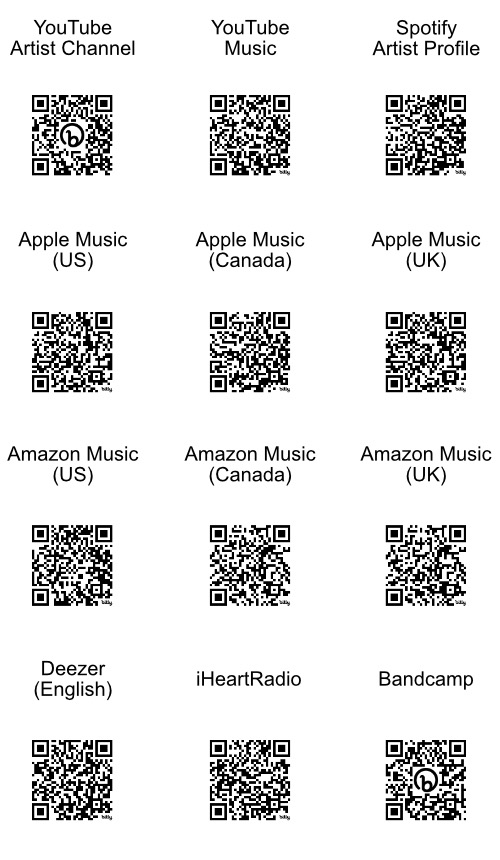
Jean-Michel Serres Apfel Café Music QR Codes Center English 2024.