Apuntes sobre Aldo Ciccolini, sus interpretaciones y grabaciones

Resumen

Aldo Ciccolini (1925-2015) fue un renombrado pianista francoitaliano, famoso por su interpretación del repertorio francés, en particular las obras de Erik Satie, Debussy y Ravel. Nacido en Nápoles, ganó el prestigioso Concurso Marguerite Long-Jacques Thibaud en 1949, lo que impulsó su carrera internacional. Establecido en Francia, obtuvo la nacionalidad francesa en 1971 y enseñó en el Conservatorio de París, formando a numerosos pianistas de renombre. Su interpretación fue apreciada por su refinamiento, claridad y sentido poético. Además del repertorio francés, interpretó con brío a Beethoven, Schumann y Liszt, y su vasto legado discográfico sigue siendo una referencia.

Historia

Aldo Ciccolini nació en 1925 en Nápoles, en un Italia aún marcada por las tradiciones musicales del bel canto y el romanticismo. Muy pronto muestra una predisposición excepcional para el piano, y es en el Conservatorio San Pietro a Majella donde recibe su formación, bajo la dirección de maestros que perpetúan el legado pianístico europeo. Crece en un país donde la ópera domina la escena musical, pero es hacia el repertorio instrumental hacia donde se dirige con pasión.

Su carrera dio un giro decisivo en 1949, cuando ganó el Concurso Marguerite Long-Jacques Thibaud en París. Este prestigioso premio le abrió las puertas de las grandes salas de conciertos y lo convirtió en un artista seguido de cerca. Se instaló en Francia, donde encontró un entorno propicio para su desarrollo artístico, e inició una carrera internacional que lo llevó a tocar en los escenarios más importantes del mundo.

Ciccolini, aunque profundamente apegado a las grandes obras del repertorio clásico y romántico (Beethoven, Schumann, Liszt), se distingue por su amor por la música francesa. Se convierte en un intérprete imprescindible de Erik Satie, cuyas obras graba con una claridad y profundidad que renuevan el enfoque del compositor. Su interpretación, límpida y llena de poesía, devuelve a Satie su prestigio e inspira a numerosos músicos. Pero su apego a la música francesa no se limita a Satie: Debussy, Ravel, Saint-Saëns e incluso compositores menos conocidos como Déodat de Séverac encuentran en él un embajador ideal.

Más allá de su carrera como solista, Aldo Ciccolini es también un pedagogo apasionado. Enseña en el Conservatorio de París, donde forma a varias generaciones de pianistas, transmitiendo no solo su dominio técnico, sino también su sentido del tacto y del color sonoro. Su pasión por la música nunca lo abandona, y hasta el final de su vida continúa grabando y actuando en conciertos, siempre con el mismo nivel de exigencia y humildad.

Aldo Ciccolini, fallecido en 2015, deja tras de sí un inmenso legado musical. Su nombre sigue siendo inseparable del redescubrimiento de Satie, y sus grabaciones siguen siendo una referencia para melómanos y pianistas de todo el mundo.

Cronología

1925 – Nacimiento en Nápoles

Aldo Ciccolini nació el 15 de agosto de 1925 en la ciudad italiana de Nápoles. Desde muy temprano mostró notables aptitudes musicales y comenzó a estudiar piano.

Años 1930-1940 – Formación en el Conservatorio de Nápoles
Ingresó en el Conservatorio San Pietro a Majella, donde recibió una rigurosa formación en la gran tradición pianística europea.

1949 – Victoria en el Concurso Long-Thibaud

A los 24 años, gana el prestigioso Concurso Marguerite-Long-Jacques-Thibaud en París. Este éxito marca el comienzo de su carrera internacional y le abre las puertas de las salas de conciertos más importantes.

Años 1950-1960 – Inicio de la carrera y reconocimiento internacional
Se instala en Francia y se convierte en un pianista imprescindible, actuando en Europa, Estados Unidos y Asia. Su repertorio está marcado en un principio por los grandes clásicos del piano (Beethoven, Schumann, Liszt).

Años 1960-1970: consagración y especialización en la música francesa

Ciccolini se distingue como un importante intérprete del repertorio francés, en particular de Erik Satie, de quien graba la obra para piano. Sus interpretaciones poéticas y claras contribuyen a devolver a Satie un lugar destacado en el repertorio pianístico.

1971 – Obtención de la nacionalidad francesa

Instalado en Francia desde hacía muchos años, obtiene la nacionalidad francesa y refuerza su vínculo con la cultura musical francesa.

1970-1988: profesor en el Conservatorio de París

Se convierte en profesor en el Conservatorio Nacional Superior de Música de París, donde forma a varias generaciones de pianistas. Su enseñanza se centra en la inteligencia musical, la claridad de ejecución y la profundidad de la interpretación.

Años 1980-1990: una carrera siempre activa y una discografía en expansión

Ciccolini continúa grabando numerosos discos, explorando no solo a Satie, Debussy y Ravel, sino también a otros compositores franceses menos conocidos como Déodat de Séverac.

Años 2000: últimos años de conciertos y grabaciones

A pesar de su edad, sigue activo en la escena musical y continúa actuando en conciertos con el mismo nivel artístico. Sus últimas grabaciones confirman su estatus de leyenda del piano.

2015 – Fallecimiento a los 89 años

Aldo Ciccolini falleció el 1 de febrero de 2015 en Asnières-sur-Seine, dejando tras de sí un inmenso legado musical y una discografía de referencia.

Características de las interpretaciones

Las interpretaciones de Aldo Ciccolini se distinguen por varias características esenciales que lo convirtieron en uno de los pianistas más respetados de su época.

1. Claridad y transparencia de la interpretación

Ciccolini poseía un toque de extrema precisión, que permitía una perfecta legibilidad de las diferentes voces musicales. Su interpretación era fluida, nunca forzada, y prefería un enfoque sin excesiva énfasis. En sus interpretaciones de Satie, por ejemplo, esta claridad resaltaba la aparente simplicidad de la música al tiempo que revelaba su profundidad.

2. Sentido del fraseo y elegancia natural

Tenía una manera de esculpir cada frase con una elegancia natural, dando a su música una respiración y una flexibilidad notables. Su interpretación nunca buscaba el efecto espectacular, sino que privilegiaba una musicalidad pura y sincera.

3. Colores y refinamiento sonoro

Influenciado por la tradición francesa, concedía gran importancia a la calidad del timbre y a los matices. Sus interpretaciones de Debussy y Ravel, por ejemplo, se caracterizan por un sutil riqueza sonora, con una paleta de colores delicadamente dosificada. Sabía crear atmósferas evocadoras evitando al mismo tiempo cualquier sobrecarga expresiva.

4. Poesía e interioridad

Ciccolini era un pianista que tocaba con el alma, siempre buscando ir más allá de la técnica para alcanzar una forma de esencia musical. Su interpretación de Satie es el ejemplo perfecto: no se conformaba con tocar las notas, sino que exploraba toda su dimensión poética y meditativa. Este enfoque introspectivo daba a su música una profundidad y una intensidad emocional singulares.

5. Fidelidad al texto y rechazo de los excesos

A diferencia de algunos intérpretes que se toman libertades con la partitura, Ciccolini respetaba escrupulosamente el texto musical, aportando al mismo tiempo su propia sensibilidad. Evitaba cualquier exageración de tempo o dinámica, prefiriendo un enfoque sobrio y equilibrado.

6. Un estilo atemporal

Su interpretación se caracteriza por una aparente sencillez que oculta un inmenso dominio. No buscaba impresionar ni revolucionar la interpretación de las obras, sino más bien servir a la música con humildad. Este enfoque hace que sus grabaciones, especialmente de Satie y Debussy, sigan siendo hoy en día referencias ineludibles.

Así, Aldo Ciccolini ha marcado la historia del piano con su elegancia, sensibilidad y profundo respeto por la música. Su estilo, a la vez límpido y poético, sigue influyendo en numerosos pianistas y seduciendo a melómanos de todo el mundo.

Piano

Aldo Ciccolini estaba especialmente vinculado a los pianos Steinway & Sons, que lo acompañaron durante gran parte de su carrera. Su delicada pulsación y su búsqueda de colores sonoros encontraban en los Steinway una resonancia ideal, especialmente para el repertorio francés que tanto le gustaba.

Sin embargo, también tocó en pianos Yamaha, especialmente durante algunas de sus giras y grabaciones. Valoraba la precisión y la claridad de estos instrumentos, que se correspondían con su forma de tocar el piano.

Su trabajo sobre Satie y Debussy muestra una sensibilidad hacia los sonidos del piano vertical y los pianos antiguos. Tenía un enfoque del timbre que a veces evocaba los sonidos más apagados y claros que se encuentran en instrumentos más antiguos o más pequeños que el gran piano de cola.

En resumen, Aldo Ciccolini tocaba principalmente en Steinway & Sons, a veces con Yamaha, y su estilo resaltaba el sonido cristalino y la riqueza armónica de estos instrumentos.

Relaciones

Aldo Ciccolini mantuvo a lo largo de su vida relaciones destacadas con compositores, intérpretes, directores de orquesta y alumnos, así como con personalidades ajenas al mundo de la música. He aquí un resumen de algunas de sus relaciones más significativas:

1. Sus relaciones con otros pianistas e intérpretes
Ciccolini se ha cruzado con muchos pianistas a lo largo de su carrera, tanto como compañero como profesor. Entre ellos:

Bruno Leonardo Gelber: Este pianista argentino ha mencionado a menudo la influencia y admiración que sentía por Ciccolini.
Jean-Yves Thibaudet: Aunque no fue su alumno directo, Thibaudet retomó el legado de Ciccolini en la interpretación de Satie y del repertorio francés.
Nicholas Angelich y Artur Pizarro: Entre sus alumnos del Conservatorio de París, varios se han convertido en pianistas de renombre.
2. Su relación con Erik Satie (póstuma, pero esencial)
Aunque nunca conoció a Erik Satie (fallecido en 1925, el año en que nació Ciccolini), se puede decir que su relación con él fue decisiva. Ciccolini contribuyó a devolver a Satie un lugar central en el repertorio pianístico, gracias a sus grabaciones que revelaron toda la sutileza de esta música.

3. Sus relaciones con compositores contemporáneos
Aunque Ciccolini era conocido sobre todo por su interpretación del repertorio romántico e impresionista, también interactuó con compositores de su época:

Henri Dutilleux: Interpretó algunas de sus obras y mantenía una admiración mutua con este importante compositor del siglo XX.
Maurice Ohana: Compositor franco-español cuya música defendió Ciccolini.
Olivier Messiaen: Aunque no era un especialista en Messiaen, frecuentaba los círculos en los que el compositor tenía una gran influencia, especialmente en el Conservatorio de París.
4. Sus colaboraciones con directores de orquesta y orquestas
A lo largo de su carrera, Ciccolini tocó con prestigiosas orquestas, bajo la dirección de grandes directores:

André Cluytens: Uno de los directores con los que grabó conciertos franceses.
Charles Dutoit: Director de orquesta conocido por su trabajo en el repertorio impresionista.
La Orquesta de París, la Orquesta Nacional de Francia: Colaboró regularmente con estas importantes instituciones musicales.
5. Sus alumnos y su papel como pedagogo
En el Conservatorio de París, Ciccolini formó a varias generaciones de pianistas. Su enseñanza era conocida por su rigor y su apego al auténtico lenguaje musical. Entre sus alumnos más destacados:

Jean-Marc Luisada
Artur Pizarro
Nicholas Angelich
6. Sus relaciones fuera del mundo musical
Aldo Ciccolini no solo era un artista aislado en el mundo de la música, sino que también frecuentaba a intelectuales y personalidades de la cultura:

Escritores y filósofos: su amor por la literatura le llevó a frecuentar a escritores y pensadores franceses, aunque mantuvo la discreción sobre estas relaciones.
Mecenas y amantes del arte: Ciccolini era apreciado por coleccionistas y mecenas que apoyaban la música y el arte en Francia.
7. Su vínculo con Francia y la cultura francesa
Aunque italiano de nacimiento, desarrolló un profundo apego a Francia, obteniendo la nacionalidad francesa en 1971. Estaba cerca de los círculos culturales parisinos y era considerado un verdadero embajador de la música francesa en todo el mundo.

En resumen, Ciccolini tuvo una carrera rica en encuentros, influyendo y siendo influenciado por compositores, directores, alumnos y figuras culturales, al tiempo que se mantenía fiel a un enfoque humilde y riguroso de la música.

Repertorio

El repertorio de Aldo Ciccolini era extenso, pero sobre todo es famoso por su interpretación del repertorio francés y del romanticismo europeo. Estas son las obras y los compositores por los que es más reconocido:

1. Erik Satie: el pianista que devolvió la vida a Satie

Ciccolini es considerado a menudo como uno de los mejores intérpretes de Erik Satie. Sus grabaciones de 1969 y 1986 han marcado profundamente la historia de la interpretación pianística y han contribuido al redescubrimiento del compositor. Entre las obras que ha hecho famosas se encuentran:

Gymnopédies (las tres, con un toque de una claridad inigualable)
Gnossiennes (donde resalta el carácter misterioso y soñador de la música)
Pièces froides, Sarabandes, Nocturnes
Sonneries de la Rose+Croix (donde destaca el influjo místico de Satie)

Su interpretación, a la vez límpida, expresiva y depurada, permitió apreciar la sutileza de estas obras.

2. Claude Debussy: un enfoque elegante y sutil

Ciccolini también destacó en el repertorio de Debussy, donde resaltó las texturas sonoras y los colores impresionistas:

Suite Bergamasque (incluido el famoso Clair de Lune)
Preludios (Libros I y II) (interpretados con gran delicadeza)
Children’s Corner
Estampes (Pagodes, La soirée dans Grenade, Jardins sous la pluie)
Images

Su interpretación de Debussy se caracterizó por una articulación clara y un respeto por la dinámica, con una elegancia natural.

3. Maurice Ravel: un pianista refinado para una música refinada

Ciccolini interpretó a Ravel con la misma sensibilidad que a Debussy, siempre tratando de resaltar los matices de esta música de delicadas texturas. Sus grabaciones incluyen:

Miroirs (Oiseaux tristes, Une barque sur l’océan, Alborada del gracioso)
Le Tombeau de Couperin
Gaspard de la nuit (en particular Ondine y Le Gibet, interpretadas con un toque nítido)
Pavane pour une infante défunte

Dominaba perfectamente las sutilezas rítmicas y los juegos de timbres propios de Ravel.

4. Camille Saint-Saëns: un intérprete de primer orden

Ciccolini ha grabado varias obras importantes de Saint-Saëns, en particular sus conciertos para piano:

Concierto para piano n.º 2 en sol menor, op. 22
Concierto para piano n.º 5 («El egipcio»)

Su interpretación resaltaba la elegancia y la virtuosidad de estas obras, sin excesos, pero con un agudo sentido del estilo.

5. Déodat de Séverac: un artesano de la música francesa olvidada

Ciccolini desempeñó un papel esencial en el redescubrimiento de Déodat de Séverac, compositor de principios del siglo XX, al grabar sus obras para piano, entre las que se encuentran:

Cerdana
En Languedoc

Su interpretación resaltaba el carácter impresionista y regionalista de esta música, llena de color y lirismo.

6. Franz Liszt: un romanticismo profundo y virtuoso

Aunque es más conocido por su interpretación de la música francesa, Ciccolini también destacó en Liszt, en particular con:

Années de pèlerinage (Suiza e Italia)
Rapsodias húngaras
Sonata en si menor

Su enfoque de Liszt fue equilibrado: virtuoso, pero siempre musical y poético, evitando el exceso dramático.

7. Beethoven y Schumann: un romanticismo equilibrado

Ciccolini también grabó grandes obras de Beethoven, en particular algunas sonatas para piano y el Concierto Emperador.

De Schumann, ha grabado:

Carnaval, op. 9
Kreisleriana
Kinderszenen (Escenas infantiles, incluyendo Träumerei)

Abordaba estas obras con un romanticismo comedido, dando prioridad a la claridad y la musicalidad.

8. Scarlatti y Mozart: un enfoque sobrio y luminoso

Aunque no era especialista en el Barroco, Ciccolini grabó las Sonatas de Scarlatti con un toque perlado y luminoso.

Conclusión

Aldo Ciccolini ha pasado a la historia sobre todo por su contribución a la música francesa, en particular a Satie, Debussy, Ravel y Saint-Saëns. Pero también destacó en Liszt, Beethoven y Schumann, demostrando que podía combinar la claridad de la escuela francesa con la profundidad del romanticismo europeo. Su interpretación, refinada y poética a la vez, sigue influyendo en los pianistas de hoy.

Famosas grabaciones de piano solo

Aldo Ciccolini dejó una discografía rica y variada, pero algunas de sus grabaciones para piano solo se han convertido en auténticas referencias. Estos son sus álbumes y grabaciones completas más famosos:

1. Erik Satie – L’Intégrale pour piano (1969 y 1986, EMI Classics)

Es sin duda la grabación más famosa de Ciccolini, que contribuyó al redescubrimiento de Satie. Grabó dos veces la obra completa para piano del compositor:

Primera grabación (1969): la que lo dio a conocer en todo el mundo, con un toque límpido y poético.
Segunda grabación (1986): versión más madura, aún más matizada y expresiva.
Obras incluidas:

Gymnopédies
Gnossiennes
Pièces froides
Sarabandes
Sonneries de la Rose+Croix
Nocturnes
Véritables préludes flasques pour un chien
Embryons desséchés

Estas grabaciones se consideran interpretaciones de referencia y siguen siendo de las más vendidas de Satie.

2. Claude Debussy – Obras para piano (EMI Classics, 1970-80)
Aldo Ciccolini también ha realizado importantes grabaciones de las obras de Debussy, en las que destaca la claridad y fluidez de su interpretación.

Grabaciones famosas:

Suite bergamasque (Claro de luna)
Preludios, Libros I y II
Estampas
Imágenes
Children’s Corner
El pequeño negro y otras piezas cortas

Su Debussy es refinado, equilibrado y evita cualquier exceso de pedal, resaltando la estructura armónica y la ligereza de las texturas.

3. Maurice Ravel – Intégrale pour piano (EMI Classics, 1980s)

Una grabación memorable, en la que Ciccolini reproduce con precisión y sensibilidad la música de Ravel.

Incluye:

Miroirs (Oiseaux tristes, Une barque sur l’océan, Alborada del gracioso…)
Gaspard de la nuit (Ondine, Le Gibet, Scarbo)
Le Tombeau de Couperin
Pavane pour une infante défunte
Su enfoque es sutil y elegante, sin pesadez ni amaneramiento.

4. Déodat de Séverac – Obras para piano (EMI Classics, 1980s)

Aldo Ciccolini desempeñó un papel clave en el redescubrimiento de Déodat de Séverac, compositor influenciado por Debussy y la música del sur de Francia.

Obras incluidas:

Cerdana
En Languedoc
Estas grabaciones revelan la calidez y el color único de esta música injustamente desconocida.

5. Franz Liszt – Années de Pèlerinage (EMI Classics, 1960s-70s)

Ciccolini también fue un gran intérprete de Liszt, y su grabación de Années de pèlerinage (en particular Suisse y Italie) sigue siendo una referencia.

Incluye:

Vallée d’Obermann
Al borde de una fuente
Las campanas de Ginebra
Sonetto del Petrarca n.º 104
Su interpretación de Liszt es poética y profunda, evitando la virtuosidad gratuita.

6. Camille Saint-Saëns – Obras para piano (EMI Classics, años 70)

Además de los conciertos, Ciccolini grabó varias obras para piano solo de Saint-Saëns.

Incluye:

Estudios, op. 52 y op. 111
Vals indolente, op. 110
Seis bagatelas, op. 3

Su interpretación destaca la sofisticación y elegancia de estas piezas.

7. Scarlatti – Sonatas (EMI Classics, década de 1980)

Aunque menos conocido por este repertorio, Ciccolini grabó un álbum de sonatas de Scarlatti, con un toque perlado y una articulación clara.

8. Beethoven – Sonatas y Variaciones (EMI Classics, 1970)

Ciccolini grabó algunas sonatas de Beethoven, con un enfoque claro y estructurado, pero sin el entusiasmo de algunos especialistas en el compositor.

Conclusión
De todas estas grabaciones, su integral de Satie sigue siendo la más famosa y continúa siendo una referencia absoluta. Sus interpretaciones de Debussy, Ravel, Liszt y Séverac también son importantes. Su estilo, a la vez elegante y profundo, ha marcado la historia del piano e influye aún hoy en día en muchos pianistas.

Repertorio y grabaciones famosas de conciertos para piano

Aldo Ciccolini grabó varios conciertos para piano, destacando su elegante toque y su sensibilidad musical. Era especialmente conocido por sus interpretaciones del repertorio francés y de algunos románticos europeos.

1. Camille Saint-Saëns – Conciertos para piano n.º 2 y n.º 5 («El egipcio»)

📀 Grabación famosa: Orchestre de Paris, Jean Martinon (EMI Classics, 1970s)
Concierto para piano n.º 2 en sol menor, op. 22
→ Uno de los conciertos más famosos del compositor, que alterna potencia y elegancia.
Concierto para piano n.º 5 en fa mayor, op. 103 («El egipcio»)
→ Una obra exótica y colorida, en la que Ciccolini destaca su refinado toque y su sentido de la fraseo.

✅ ¿Por qué es famosa?
Este disco es una referencia para el repertorio de Saint-Saëns, con un Ciccolini brillante y fluido a la vez, que capta a la perfección el espíritu del compositor.

2. Franz Liszt – Conciertos para piano n.º 1 y n.º 2

📀 Grabación famosa: Orquesta Filarmónica de Londres, Edward Downes (EMI Classics, década de 1970)

Concierto para piano n.º 1 en mi bemol mayor, S.124
→ Una obra deslumbrante, en la que Ciccolini combina virtuosismo y musicalidad.

Concierto para piano n.º 2 en la mayor, S.125
→ Un concierto más poético, en el que despliega una sutil paleta sonora.

✅ ¿Por qué es famoso?
Su acercamiento a Liszt evita la demostración gratuita y favorece un romanticismo equilibrado y expresivo.

3. Edvard Grieg – Concierto para piano en la menor, op. 16

📀 Grabación famosa: Orquesta Filarmónica de Londres, Antonio de Almeida (EMI Classics, 1970)

→ Un gran clásico del romanticismo, donde Ciccolini destaca su sentido de la lirismo y el color nórdico.

✅ ¿Por qué es famosa?
Una de las mejores grabaciones de este concierto, con una interpretación llena de matices y emoción.

4. Tchaikovsky – Concierto para piano n.º 1 en si bemol menor, op. 23

📀 Grabación famosa: Orquesta Nacional de la Ópera de Montecarlo, Georges Prêtre (EMI Classics, 1960)

→ Uno de los conciertos más emblemáticos del repertorio pianístico, con un alternancia entre potencia y suavidad.

✅ ¿Por qué es famoso?
Ciccolini adopta un estilo grandioso y expresivo a la vez, sin forzar nunca el rasgo.

5. Rachmaninov – Concierto para piano n.º 2 en do menor, op. 18

📀 Grabación famosa: Orchestre de Paris, Georges Prêtre (EMI Classics, década de 1970)

→ Un concierto emblemático del romanticismo tardío, en el que Ciccolini demuestra una gran sensibilidad.

✅ ¿Por qué es famoso?
Su interpretación es más sobria que la de otros pianistas, pero de gran elegancia y expresividad.

6. Prokofiev – Concierto para piano n.º 3 en do mayor, op. 26

📀 Grabación famosa: Orchestre de Paris, Georges Prêtre (EMI Classics, 1970s)

→ Uno de los conciertos más virtuosos del siglo XX, que Ciccolini interpreta con precisión y claridad.

✅ ¿Por qué es famoso?
Ciccolini resalta el humor y el dinamismo del concierto sin caer en el exceso.

Otros conciertos grabados por Ciccolini:

Beethoven – Concierto para piano n.º 5 («Emperador») (con la Orquesta Filarmónica de Londres)
Ravel – Concierto en sol mayor (raro, pero interpretado en concierto)
Mozart – Conciertos n.º 21 y n.º 23

Conclusión

Las grabaciones de Saint-Saëns, Liszt y Grieg se encuentran entre las más famosas y siguen siendo referencias. Su estilo, a la vez elegante y poderoso, le permitió abordar estos conciertos con delicadeza y musicalidad, evitando cualquier exceso de virtuosismo en favor de una interpretación sincera y equilibrada.

Otras interpretaciones y grabaciones notables

Aunque Aldo Ciccolini es conocido principalmente por su repertorio de piano solo y sus conciertos, también ha grabado e interpretado obras en otras formaciones, especialmente música de cámara, acompañamiento vocal y dúos de piano.

1. Música de cámara

🎻 César Franck – Sonata para violín y piano en la mayor

📀 Con Augustin Dumay, violín (EMI Classics, 1982)
Una obra maestra del romanticismo francés, donde Ciccolini acompaña a Dumay con delicadeza y equilibrio.

✅ ¿Por qué es notable?
Su interpretación realza la riqueza armónica y el lirismo de la obra, sin nunca eclipsar a la violín.

🎻 Gabriel Fauré – Sonatas para violín y piano n.º 1 y n.º 2

📀 Con Gérard Poulet, violín (EMI Classics, 1980)
Dos sonatas llenas de elegancia y sutileza, en las que Ciccolini demuestra una gran delicadeza.

✅ ¿Por qué es notable?
Recrea a la perfección la atmósfera íntima y poética propia de Fauré.

🎻 Claude Debussy – Sonata para violín y piano

📀 Con Gérard Poulet, violín (EMI Classics, 1980s)

Una obra impresionista a la que Ciccolini aporta un toque colorido y expresivo.

✅ ¿Por qué es notable?
Su dominio del repertorio debussyste en solitario se refleja en esta versión muy matizada.

🎻 Maurice Ravel – Tzigane (versión para violín y piano)

📀 Con Gérard Poulet, violín (EMI Classics, 1980s)
Una pieza virtuosa en la que el piano desempeña un papel rítmico y armónico esencial.

✅ ¿Por qué es notable?
Ciccolini apoya brillantemente a la violín al tiempo que añade profundidad a las texturas orquestales reducidas.

2. Acompañamiento vocal

🎤 Melodías francesas: Fauré, Duparc, Debussy, Poulenc

📀 Con Gabriel Bacquier, barítono (EMI Classics, década de 1970)

Un magnífico álbum de melodías francesas en el que Ciccolini acompaña a Bacquier con sutileza y expresividad.

✅ ¿Por qué es notable?
Su toque refinado y su respeto por los matices vocales subliman estas obras.

🎤 Maurice Ravel – Histoires naturelles (melodías para voz y piano)

📀 Con Gabriel Bacquier, barítono (EMI Classics, años 70)

Un ciclo de canciones en el que Ravel imita la dicción hablada del francés.

✅ ¿Por qué es notable?
Ciccolini sigue con precisión las inflexiones del cantante, al tiempo que conserva el humor y la ironía de la música.

🎤 Erik Satie – Melodías y canciones

📀 Con Gabriel Bacquier, barítono (EMI Classics, años 70)

Una grabación poco común de Satie en la que Ciccolini demuestra una sobria y poética interpretación.

✅ ¿Por qué es destacable?
Él, que fue el maestro del piano de Satie, recrea aquí una atmósfera ligera y melancólica.

3. Dúos de piano

🎹 Darius Milhaud – Scaramouche (para dos pianos)

📀 Con Gabriel Tacchino, piano (EMI Classics, 1980s)

Una obra chispeante y rítmica, inspirada en el jazz y la música brasileña.

✅ ¿Por qué es notable?
El dúo Ciccolini-Tacchino toca con gran vivacidad y perfecta sincronización.

🎹 Francis Poulenc – Sonata para dos pianos y Elegía

📀 Con Gabriel Tacchino, piano (EMI Classics, 1980s)

Una obra llena de contrastes, entre el lirismo y el humor.

✅ ¿Por qué es notable?
Ciccolini y Tacchino despliegan una notable complicidad musical.

🎹 Ravel – El vals y la Rapsodia española (versión para dos pianos)

📀 Con Gabriel Tacchino, piano (EMI Classics, 1980s)

Dos transcripciones orquestales importantes en las que los pianistas deben reproducir toda la riqueza de los timbres.

✅ ¿Por qué es notable?
Su interpretación enérgica y precisa da una dimensión orquestal a estas piezas.

Conclusión

Aunque es más conocido por sus grabaciones en solitario y de concierto, Aldo Ciccolini también destacó en otras formaciones, especialmente en música de cámara y acompañamiento vocal. Sus colaboraciones con Augustin Dumay, Gérard Poulet y Gabriel Bacquier se encuentran entre sus mejores logros. Sus dúos de piano con Gabriel Tacchino también son muy logrados, especialmente en Ravel, Poulenc y Milhaud.

Como profesor de música

Aldo Ciccolini, uno de los pianistas más respetados del siglo XX, no solo dejó su huella en la escena musical como concertista, sino que también ejerció una importante influencia como profesor de música. Su papel como pedagogo contribuyó a formar a toda una generación de pianistas talentosos, y su enfoque único de la enseñanza ha dejado una huella duradera en el mundo de la música clásica.

El profesor de la Academia de Música de París

Ciccolini fue durante mucho tiempo profesor de piano en el Conservatorio de París, donde transmitió sus conocimientos y su técnica a numerosos alumnos. Allí enseñó durante varias décadas, a partir de la década de 1970, después de haber sido formado en esa institución. Ciccolini era un profesor exigente, pero también extremadamente apasionado por su papel como formador. Su enfoque pedagógico se inspiraba en la rigurosidad técnica que había aprendido en el conservatorio, a la que añadía una libertad artística que había desarrollado a lo largo de su carrera.

Hacía hincapié en la expresión personal, la sensibilidad y la interpretación de la música. Para él, un pianista no debía limitarse a repetir notas; debía comprender profundamente el significado de las obras, su contexto histórico y emocional. Ciccolini estaba convencido de que la interpretación de una obra nunca debía ser estática, sino que debía evolucionar en función del intérprete y sus experiencias. Por lo tanto, animaba a sus alumnos a explorar sus propias emociones y a liberarse de la estricta disciplina académica en busca de un auténtico medio de expresión.

Método y enfoque pedagógico

Una de las características notables de su enseñanza era el énfasis en la técnica de la mano y la colocación de los dedos. Ciccolini era un perfeccionista en cuanto a la técnica pianística y hacía hincapié en la necesidad de desarrollar una técnica fluida y natural que evitara cualquier tensión física. Sus métodos incluían ejercicios minuciosos para reforzar la coordinación entre la mano derecha y la mano izquierda, al tiempo que desarrollaba cierta libertad de muñeca y dedos para facilitar los pasajes difíciles.

También defendió la importancia de leer la partitura antes de lanzarse a la interpretación propiamente dicha. Su convicción era que, para lograr una interpretación musical profunda, un pianista debía primero comprender la estructura musical antes de poder inyectarle su propia sensibilidad. La técnica y la interpretación estaban, por lo tanto, íntimamente ligadas para él.

El impacto de Ciccolini en sus alumnos

En el Conservatorio de París, Aldo Ciccolini formó a numerosos pianistas de renombre, que siguieron desempeñando un papel clave en el mundo de la música clásica. Entre sus alumnos más famosos se encuentran:

Martha Argerich: Aunque ya tenía una carrera impresionante en la época en que estudiaba, se benefició de los consejos de Ciccolini y a menudo ha hablado del impacto de su enseñanza en su forma de abordar el repertorio.
Jean-Claude Vanden Eynden: renombrado pianista belga, fue uno de los alumnos que siguió el enfoque único de Ciccolini, especialmente en la comprensión de las obras de Debussy y Ravel.
Brigitte Engerer: alumna de Ciccolini, Engerer se convirtió en una gran intérprete de los repertorios romántico e impresionista, al igual que su maestro.

Uno de los grandes aportes de Ciccolini a la enseñanza fue su insistencia en el equilibrio entre la rigurosidad técnica y la libertad artística. Este enfoque marcó a sus alumnos y les permitió no solo dominar la técnica de manera excepcional, sino también tener un enfoque profundamente expresivo de la música. Sus alumnos apreciaban su dedicación, su sentido del detalle y su capacidad para infundir un espíritu de creatividad en su interpretación.

Las contribuciones de Ciccolini a la música y a la enseñanza internacional

Además de su carrera en París, Ciccolini también fue invitado a impartir clases magistrales en todo el mundo, especialmente en Italia, Estados Unidos y América Latina. Estas clases magistrales fueron una oportunidad para que pianistas de todo el mundo se beneficiaran de su enseñanza directa, y contribuyeron en gran medida a difundir su enfoque pedagógico.

Por último, insistió a menudo en la importancia del estudio de los compositores franceses de los siglos XIX y XX, como Debussy, Ravel y Franck, y sus alumnos estaban especialmente formados para interpretar estas obras con un profundo conocimiento de su contexto cultural e histórico.

Legatario de su legado pedagógico

La pedagogía de Aldo Ciccolini sigue siendo un legado importante en el campo del piano clásico. Al transmitir sus conocimientos y su visión musical, abrió el camino a una nueva generación de pianistas capaces de combinar técnica y sensibilidad con un dominio de la música de su época.

En resumen, Aldo Ciccolini hizo mucho más que transmitir la técnica pianística a sus alumnos: les permitió afirmarse como artistas por derecho propio, al tiempo que les inculcó la idea de que cada interpretación debe ser un acto de creación personal. Su contribución a la pedagogía musical se inscribe en una tradición en la que la rigurosidad técnica y la libertad artística son inseparables.

Actividades fuera de la música

Fuera de su carrera musical, Aldo Ciccolini llevó una vida relativamente discreta, pero hay algunos aspectos interesantes de su personalidad y sus actividades que merecen ser mencionados. Aunque su vocación y su fama se centran indiscutiblemente en la música, algunos elementos permiten captar al hombre que hay detrás del artista.

1. Su compromiso cultural e intelectual

Aldo Ciccolini estaba profundamente involucrado en el mundo intelectual y cultural. Se interesaba por multitud de temas, desde la filosofía hasta la literatura, pasando por la historia del arte. Este interés por la cultura se manifestó en enriquecedoras conversaciones con escritores, poetas e intelectuales con los que tenía vínculos, especialmente en París, donde vivió durante gran parte de su carrera.

Su curiosidad intelectual iba mucho más allá de la música. Ciccolini tenía una mentalidad muy abierta y exploraba ideas procedentes de diversos ámbitos artísticos y filosóficos. Le gustaban especialmente las conversaciones sobre los grandes autores de la literatura, y sus amigos lo recuerdan como un hombre culto, siempre dispuesto a intercambiar ideas profundas y a compartir su visión del mundo.

2. Su gusto por los viajes

Ciccolini también era un apasionado de los viajes. Estos desplazamientos no solo estaban motivados por sus conciertos y compromisos profesionales, sino también por un verdadero deseo de descubrir nuevas culturas y profundizar en sus conocimientos. Tenía un interés especial por el Mediterráneo, donde viajaba a menudo, atraído por la historia, la literatura y los paisajes. Estos viajes alimentaron su espíritu creativo y contribuyeron a enriquecer su obra, aunque de manera indirecta.

3. Su interés por la gastronomía

Aunque su dedicación a la música ocupaba un lugar preponderante en su vida, Aldo Ciccolini tenía un verdadero gusto por la gastronomía. Como muchos italianos, apreciaba especialmente los platos tradicionales de la cocina italiana y disfrutaba compartiendo momentos agradables en torno a buenas comidas con sus amigos y colegas. Su amor por la buena mesa formaba parte de esta forma de vivir plenamente, buscando saborear los placeres de la vida, lejos del bullicio de la escena musical.

4. Un hombre discreto y reservado

A pesar de su fama como pianista, Ciccolini era conocido por ser un hombre relativamente reservado y discreto en su vida personal. No le atraía especialmente el centro de atención, y prefería concentrar su energía en la música y la enseñanza en lugar de en la fama pública. Era reacio a aparecer en los medios de comunicación o a mezclarse con la vida mundana, lo que contribuía a su imagen de personaje casi misterioso, más centrado en su búsqueda artística que en el aspecto externo de su carrera.

5. El papel de Aldo Ciccolini en la preservación de la cultura musical italiana

Además de su trabajo como concertista y profesor, Aldo Ciccolini desempeñó un papel en la preservación y promoción de la música italiana. Se dedicó especialmente a difundir a compositores italianos menos conocidos, tratando de dar a conocer obras que a menudo quedaban eclipsadas por la notoriedad de otros grandes nombres de la música clásica. A través de sus interpretaciones, dio a conocer a compositores como Luigi Dallapiccola, Ferruccio Busoni y otros contemporáneos italianos.

Conclusión

Las actividades de Ciccolini fuera de la música revelan a un hombre apasionado por la cultura en su conjunto, con un marcado gusto por la literatura, los viajes y la gastronomía. Era un hombre reflexivo, interesado en el autodescubrimiento y en el enriquecimiento intelectual. Al igual que nutrió su interpretación pianística con una rica paleta de influencias externas, vivió una vida marcada por una curiosidad insaciable y un profundo respeto por la belleza en todas sus formas.

(Este artículo ha sido generado por ChatGPT. Es sólo un documento de referencia para descubrir música que aún no conoce.)

Contenidos de música clásica

Best Classical Recordings
on YouTube

Best Classical Recordings
on Spotify
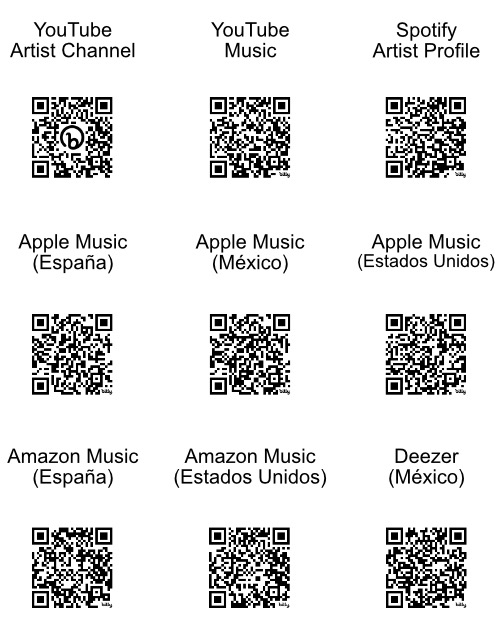
Jean-Michel Serres Apfel Café Apfelsaft Cinema Music Códigos QR Centro Español 2024.

Notizen über Aldo Ciccolini, Ihre Interpretationen und Aufnahmen

Überblick

Aldo Ciccolini (1925-2015) war ein renommierter französisch-italienischer Pianist, der für seine Interpretation des französischen Repertoires, insbesondere der Werke von Erik Satie, Debussy und Ravel, bekannt war. Der in Neapel geborene Pianist gewann 1949 den renommierten Concours Marguerite-Long-Jacques-Thibaud, der den Startschuss für seine internationale Karriere gab. Nachdem er sich in Frankreich niedergelassen hatte, erhielt er 1971 die französische Staatsbürgerschaft und unterrichtete am Pariser Konservatorium, wo er zahlreiche renommierte Pianisten ausbildete. Sein Spiel wurde wegen seiner Raffinesse, Klarheit und seines poetischen Gespürs geschätzt. Neben dem französischen Repertoire interpretierte er mit Bravour Beethoven, Schumann und Liszt, und sein umfangreiches discographisches Vermächtnis bleibt eine Referenz.

Geschichte

Aldo Ciccolini wurde 1925 in Neapel geboren, in einem Italien, das noch von den musikalischen Traditionen des Belcanto und der Romantik geprägt war. Schon früh zeigte er außergewöhnliche Begabung für das Klavierspiel und erhielt seine Ausbildung am Konservatorium San Pietro a Majella unter der Leitung von Meistern, die das europäische Klaviererbe fortführten. Er wuchs in einem Land auf, in dem die Oper die Musikszene dominierte, wandte sich aber mit Leidenschaft dem Instrumentalrepertoire zu.

Seine Karriere nahm 1949 eine entscheidende Wendung, als er den Concours Marguerite-Long-Jacques-Thibaud in Paris gewann. Dieser prestigeträchtige Preis öffnete ihm die Türen zu den großen Konzertsälen und machte ihn zu einem vielbeachteten Künstler. Er ließ sich in Frankreich nieder, wo er ein für seine künstlerische Entwicklung günstiges Umfeld fand, und begann eine internationale Karriere, die ihn auf die größten Bühnen der Welt führte.

Ciccolini, der den großen Werken des klassischen und romantischen Repertoires (Beethoven, Schumann, Liszt) zutiefst verbunden ist, zeichnet sich durch seine Liebe zur französischen Musik aus. Er wird zu einem unverzichtbaren Interpreten von Erik Satie, dessen Werke er mit einer Klarheit und Tiefe aufnimmt, die den Zugang zum Komponisten erneuert. Sein Spiel, klar und voller Poesie, verleiht Satie neuen Glanz und inspiriert viele Musiker. Aber seine Verbundenheit mit der französischen Musik beschränkt sich nicht auf Satie: Debussy, Ravel, Saint-Saëns und sogar weniger bekannte Komponisten wie Déodat de Séverac finden in ihm einen idealen Botschafter.

Neben seiner Karriere als Solist ist Aldo Ciccolini auch ein leidenschaftlicher Pädagoge. Er unterrichtet am Pariser Konservatorium, wo er mehrere Generationen von Pianisten ausbildet und nicht nur sein technisches Können, sondern auch sein Gespür für Anschlag und Klangfarbe weitergibt. Seine Leidenschaft für die Musik hat ihn nie verlassen, und bis zu seinem Lebensende hat er weiter aufgenommen und Konzerte gegeben, immer mit dem gleichen Anspruch und der gleichen Bescheidenheit.

Aldo Ciccolini, der 2015 verstarb, hinterlässt ein immenses musikalisches Erbe. Sein Name ist untrennbar mit der Wiederentdeckung von Satie verbunden, und seine Aufnahmen sind weiterhin eine Referenz für Musikliebhaber und Pianisten auf der ganzen Welt.

Chronologie

1925 – Geburt in Neapel

Aldo Ciccolini wird am 15. August 1925 in der italienischen Stadt Neapel geboren. Schon früh zeigt er bemerkenswerte musikalische Fähigkeiten und beginnt mit dem Klavierunterricht.

1930er-1940er Jahre – Ausbildung am Konservatorium in Neapel
Er tritt in das Konservatorium San Pietro a Majella ein, wo er eine strenge Ausbildung in der großen europäischen Klaviertradition erhält.

1949 – Sieg beim Concours Long-Thibaud

Mit 24 Jahren gewinnt er den renommierten Concours Marguerite-Long-Jacques-Thibaud in Paris. Dieser Erfolg markiert den Beginn seiner internationalen Karriere und öffnet ihm die Türen zu den größten Konzertsälen.

1950er-1960er Jahre – Karrierebeginn und internationale Anerkennung
Er lässt sich in Frankreich nieder und wird zu einem unverzichtbaren Pianisten, der in Europa, den Vereinigten Staaten und Asien auftritt. Sein Repertoire ist zunächst von den großen Klavierklassikern (Beethoven, Schumann, Liszt) geprägt.

1960er-1970er Jahre – Anerkennung und Spezialisierung auf französische Musik

Ciccolini profiliert sich als bedeutender Interpret des französischen Repertoires, insbesondere von Erik Satie, dessen Klavierwerke er aufnimmt. Seine poetischen und klaren Interpretationen tragen dazu bei, Satie einen herausragenden Platz im Klavierrepertoire zurückzugeben.

1971 – Erlangung der französischen Staatsbürgerschaft

Nachdem er sich seit vielen Jahren in Frankreich niedergelassen hatte, erhielt er die französische Staatsbürgerschaft und verstärkte seine Verbindung zur französischen Musikkultur.

1970-1988 – Professor am Pariser Konservatorium

Er wurde Professor am Conservatoire National Supérieur de Musique de Paris, wo er mehrere Generationen von Pianisten ausbildete. Sein Unterricht legte den Schwerpunkt auf musikalische Intelligenz, Klarheit des Spiels und Tiefe der Interpretation.

1980er-1990er Jahre – Eine weiterhin aktive Karriere und eine wachsende Diskographie

Ciccolini nimmt weiterhin zahlreiche Alben auf und erforscht dabei nicht nur Satie, Debussy und Ravel, sondern auch andere weniger bekannte französische Komponisten wie Déodat de Séverac.

2000er Jahre – Letzte Konzert- und Aufnahmejahre

Auch im Alter bleibt er auf der Musikbühne aktiv und tritt weiterhin mit dem gleichen künstlerischen Anspruch auf. Seine letzten Aufnahmen bestätigen seinen Status als Klavierlegende.

2015 – Tod im Alter von 89 Jahren

Aldo Ciccolini starb am 1. Februar 2015 in Asnières-sur-Seine und hinterließ ein immenses musikalisches Erbe und eine Referenz-Diskographie.

Charakteristika der Interpretationen

Die Interpretationen von Aldo Ciccolini zeichnen sich durch mehrere wesentliche Merkmale aus, die ihn zu einem der angesehensten Pianisten seiner Zeit gemacht haben.

1. Klarheit und Transparenz des Spiels

Ciccolini hatte einen äußerst präzisen Anschlag, der eine perfekte Lesbarkeit der verschiedenen musikalischen Stimmen ermöglichte. Sein Spiel war flüssig, nie gezwungen, und er bevorzugte einen Ansatz ohne übermäßige Betonung. In seinen Interpretationen von Satie zum Beispiel betonte diese Klarheit die scheinbare Einfachheit der Musik und enthüllte gleichzeitig ihre Tiefe.

2. Sinn für Phrasierung und natürliche Eleganz

Er hatte eine Art, jede Phrase mit natürlicher Eleganz zu formen, was seiner Musik eine bemerkenswerte Atmung und Flexibilität verlieh. Sein Spiel suchte nie den spektakulären Effekt, sondern bevorzugte eine reine und aufrichtige Musikalität.

3. Farben und klangliche Raffinesse

Beeinflusst von der französischen Tradition legte er großen Wert auf Klangqualität und Nuancen. Seine Interpretationen von Debussy und Ravel zeichnen sich beispielsweise durch einen subtilen Klangreichtum mit einer fein abgestimmten Farbpalette aus. Er wusste, wie man stimmungsvolle Atmosphären schafft und gleichzeitig eine Überladung an Ausdruck vermeidet.

4. Poesie und Innerlichkeit

Ciccolini war ein Pianist, der mit seiner Seele spielte und immer versuchte, über die Technik hinauszugehen, um eine Art musikalische Essenz zu erreichen. Seine Interpretation von Satie ist das perfekte Beispiel dafür: Er begnügte sich nicht damit, die Noten zu spielen, sondern erforschte ihre gesamte poetische und meditative Dimension. Diese introspektive Herangehensweise verlieh seiner Musik eine einzigartige Tiefe und emotionale Intensität.

5. Treue zum Text und Ablehnung von Exzessen

Im Gegensatz zu einigen Interpreten, die sich Freiheiten mit der Partitur nehmen, respektierte Ciccolini den musikalischen Text gewissenhaft und brachte dabei seine eigene Sensibilität ein. Er vermied jede Übertreibung von Tempo oder Dynamik und bevorzugte einen nüchternen und ausgewogenen Ansatz.

6. Ein zeitloser Stil

Sein Spiel zeichnet sich durch eine scheinbare Einfachheit aus, die eine immense Meisterschaft verbirgt. Er versuchte nicht, die Interpretation der Werke zu beeindrucken oder zu revolutionieren, sondern vielmehr, der Musik mit Demut zu dienen. Diese Herangehensweise macht seine Aufnahmen, insbesondere von Satie und Debussy, auch heute noch zu unumgänglichen Referenzen.

Aldo Ciccolini hat die Geschichte des Klaviers mit seiner Eleganz, seiner Sensibilität und seinem tiefen Respekt vor der Musik geprägt. Sein Stil, der sowohl klar als auch poetisch ist, beeinflusst weiterhin viele Pianisten und begeistert Musikliebhaber auf der ganzen Welt.

Klavier

Aldo Ciccolini war besonders angetan von Steinway & Sons-Pianos, die einen Großteil seiner Karriere begleiteten. Sein delikates Spielgefühl und seine Suche nach Klangfarben fanden in den Steinways eine ideale Resonanz, insbesondere für das französische Repertoire, das er so sehr liebte.

Allerdings spielte er auch auf Yamaha-Pianos, insbesondere bei einigen seiner Tourneen und Aufnahmen. Er schätzte die Präzision und Klarheit dieser Instrumente, die seiner Herangehensweise an das Klavierspiel entsprachen.

Seine Arbeit an Satie und Debussy zeigt eine Sensibilität für die Klänge des Klaviers und der alten Klaviere. Er hatte eine Herangehensweise an den Klang, die manchmal an die gedämpfteren und klareren Klänge erinnerte, die man auf älteren oder kleineren Instrumenten als dem großen Konzertflügel findet.

Kurz gesagt, Aldo Ciccolini spielte hauptsächlich auf Steinway & Sons, manchmal auch auf Yamaha, und sein Stil betonte den kristallklaren Klang und die harmonische Fülle dieser Instrumente.

Beziehungen

Aldo Ciccolini pflegte im Laufe seines Lebens bedeutende Beziehungen zu Komponisten, Interpreten, Dirigenten und Schülern sowie zu Persönlichkeiten außerhalb der Musikwelt. Hier ein Überblick über einige seiner wichtigsten Beziehungen:

1. Seine Beziehungen zu anderen Pianisten und Interpreten
Ciccolini hat im Laufe seiner Karriere viele Pianisten getroffen, sowohl als Kollegen als auch als Lehrer. Unter ihnen:

Bruno Leonardo Gelber: Dieser argentinische Pianist hat oft von seinem Einfluss und seiner Bewunderung für Ciccolini gesprochen.
Jean-Yves Thibaudet: Obwohl er nicht sein direkter Schüler war, hat Thibaudet Ciccolinis Erbe bei der Interpretation von Satie und des französischen Repertoires übernommen.
Nicholas Angelich und Artur Pizarro: Unter seinen Schülern am Pariser Konservatorium sind mehrere zu renommierten Pianisten geworden.
2. Seine Beziehung zu Erik Satie (posthum, aber wesentlich)
Obwohl er Erik Satie nie kennenlernte (er starb 1925, im Geburtsjahr von Ciccolini), kann man sagen, dass seine Beziehung zu ihm entscheidend war. Ciccolini trug dazu bei, Satie wieder einen zentralen Platz im Klavierrepertoire zu verschaffen, dank seiner Aufnahmen, die die ganze Subtilität dieser Musik offenbarten.

3. Seine Beziehungen zu zeitgenössischen Komponisten
Auch wenn er vor allem für seine Interpretation des romantischen und impressionistischen Repertoires bekannt war, hatte Ciccolini auch Interaktionen mit Komponisten seiner Zeit:

Henri Dutilleux: Er interpretierte einige seiner Werke und hegte eine gegenseitige Bewunderung für diesen bedeutenden Komponisten des 20. Jahrhunderts.
Maurice Ohana: Ein französisch-spanischer Komponist, dessen Musik Ciccolini verteidigte.
Olivier Messiaen: Obwohl er kein Spezialist für Messiaen war, verkehrte er in Kreisen, in denen der Einfluss des Komponisten stark war, insbesondere am Pariser Konservatorium.
4. Seine Zusammenarbeit mit Dirigenten und Orchestern
Während seiner gesamten Karriere spielte Ciccolini mit renommierten Orchestern unter der Leitung großer Dirigenten:

André Cluytens: Einer der Dirigenten, mit denen er französische Konzerte aufgenommen hat.
Charles Dutoit: Dirigent, der für seine Arbeit am impressionistischen Repertoire bekannt ist.
Das Orchestre de Paris, das Orchestre National de France: Er hat regelmäßig mit diesen bedeutenden Musikinstitutionen zusammengearbeitet.
5. Seine Schüler und seine Rolle als Pädagoge
Am Pariser Konservatorium hat Ciccolini mehrere Generationen von Pianisten ausgebildet. Sein Unterricht war bekannt für seine Strenge und sein Engagement für den authentischen musikalischen Ausdruck. Zu seinen bemerkenswerten Schülern gehören:

Jean-Marc Luisada
Artur Pizarro
Nicholas Angelich
6. Seine Beziehungen außerhalb der Musikwelt
Aldo Ciccolini war nicht nur ein isolierter Künstler in der Welt der Musik, er verkehrte auch mit Intellektuellen und Persönlichkeiten aus der Kultur:

Schriftsteller und Philosophen: Seine Liebe zur Literatur führte ihn in den Umgang mit französischen Schriftstellern und Denkern, obwohl er über diese Beziehungen diskret blieb.
Mäzene und Kunstliebhaber: Ciccolini wurde von Sammlern und Mäzenen geschätzt, die Musik und Kunst in Frankreich unterstützten.
7. Seine Verbindung zu Frankreich und der französischen Kultur
Obwohl er gebürtiger Italiener war, entwickelte er eine tiefe Verbundenheit mit Frankreich und erhielt 1971 die französische Staatsbürgerschaft. Er stand dem Pariser Kulturkreis nahe und wurde als wahrer Botschafter der französischen Musik in der ganzen Welt wahrgenommen.
Zusammenfassend lässt sich sagen, dass Ciccolini eine Karriere voller Begegnungen hatte, in der er Komponisten, Dirigenten, Schüler und kulturelle Persönlichkeiten beeinflusste und von ihnen beeinflusst wurde, während er gleichzeitig einer bescheidenen und rigorosen Herangehensweise an die Musik treu blieb.

Repertoire

Aldo Ciccolinis Repertoire war umfangreich, aber er blieb vor allem für seine Interpretation des französischen Repertoires und der europäischen Romantik berühmt. Hier sind die Werke und Komponisten, für die er am meisten anerkannt ist:

1. Erik Satie – Der Pianist, der Satie wiederbelebte

Ciccolini wird oft als einer der größten Interpreten von Erik Satie angesehen. Seine Aufnahmen von 1969 und 1986 haben die Geschichte der Klavierinterpretation tief geprägt und zur Wiederentdeckung des Komponisten beigetragen. Zu den Werken, die er berühmt gemacht hat, gehören:

Gymnopédies (alle drei, mit einem unvergleichlich klaren Anschlag)
Gnossiennes (in denen er den geheimnisvollen und verträumten Charakter der Musik hervorhebt)
Pièces froides, Sarabandes, Nocturnes
Sonneries de la Rose+Croix (in denen er den mystischen Einfluss von Satie hervorhebt)

Sein Spiel, das zugleich klar, ausdrucksstark und reduziert ist, ermöglichte es, die Subtilität dieser Werke zu würdigen.

2. Claude Debussy – Eine elegante und subtile Herangehensweise

Ciccolini brillierte auch im Debussy-Repertoire, in dem er die Klangtexturen und impressionistischen Farben hervorhob:

Suite Bergamasque (einschließlich des berühmten Clair de Lune)
Préludes (Livres I et II) (mit großer Finesse interpretiert)
Children’s Corner
Estampes (Pagodes, La soirée dans Grenade, Jardins sous la pluie)
Images

Sein Spiel in Debussy war geprägt von klarer Artikulation und Respekt vor der Dynamik, mit einer natürlichen Eleganz.

3. Maurice Ravel – Ein raffinierter Pianist für raffinierte Musik

Ciccolini interpretierte Ravel mit der gleichen Sensibilität wie Debussy und versuchte stets, die Nuancen dieser Musik mit ihren zarten Texturen hervorzuheben. Zu seinen Aufnahmen gehören:

Miroirs (Oiseaux tristes, Une barque sur l’océan, Alborada del gracioso)
Le Tombeau de Couperin
Gaspard de la nuit (insbesondere Ondine und Le Gibet, gespielt mit einem klaren Anschlag)
Pavane pour une infante défunte

Er beherrschte die rhythmischen Feinheiten und Klangfarbenspiele Ravels perfekt.

4. Camille Saint-Saëns – Ein herausragender Interpret

Ciccolini hat mehrere bedeutende Werke von Saint-Saëns aufgenommen, insbesondere seine Klavierkonzerte:

Klavierkonzert Nr. 2 in g-Moll, op. 22
Klavierkonzert Nr. 5 („L’Égyptien“)

Sein Spiel unterstrich die Eleganz und Virtuosität dieser Werke, ohne Übertreibung, aber mit einem ausgeprägten Sinn für Stil.

5. Déodat de Séverac – Ein Handwerker der vergessenen französischen Musik

Ciccolini spielte eine wesentliche Rolle bei der Wiederentdeckung von Déodat de Séverac, einem Komponisten des frühen 20. Jahrhunderts, indem er seine Klavierwerke aufnahm, darunter:

Cerdana
En Languedoc

Sein Spiel betonte den impressionistischen und regionalistischen Charakter dieser farbenfrohen und lyrischen Musik.

6. Franz Liszt – Virtuoser, tiefgründiger Romantiker

Obwohl Ciccolini vor allem für seine Interpretation französischer Musik bekannt ist, brillierte er auch in Liszt, insbesondere mit:

Années de pèlerinage (Schweiz und Italien)
Ungarische Rhapsodien
Sonate h-Moll

Sein Ansatz bei Liszt war ausgewogen: virtuos, aber immer musikalisch und poetisch, ohne übertrieben dramatisch zu sein.

7. Beethoven und Schumann – Ausgewogene Romantik

Ciccolini hat auch große Werke von Beethoven aufgenommen, darunter einige Klaviersonaten und das Kaiser-Concerto.

Von Schumann hat er folgende Werke aufgenommen:

Karneval, op. 9
Kreisleriana
Kinderszenen (darunter Träumerei)

Er näherte sich diesen Werken mit einem maßvollen Romantizismus, der Klarheit und Musikalität bevorzugte.

8. Scarlatti und Mozart – Ein nüchterner und leuchtender Ansatz

Obwohl er kein Barockspezialist war, hat Ciccolini Sonaten von Scarlatti aufgenommen, mit perlendem und leuchtendem Spiel.

Fazit

Aldo Ciccolini ist vor allem für seinen Beitrag zur französischen Musik in die Geschichte eingegangen, insbesondere zu Satie, Debussy, Ravel und Saint-Saëns. Aber er brillierte auch in Liszt, Beethoven und Schumann und bewies, dass er die Klarheit der französischen Schule mit der Tiefe der europäischen Romantik verbinden konnte. Sein raffiniertes und zugleich poetisches Spiel beeinflusst auch heute noch Pianisten.

Berühmte Solo-Klavieraufnahmen

Aldo Ciccolini hat eine umfangreiche und vielfältige Diskographie hinterlassen, aber einige seiner Solo-Klavieraufnahmen sind zu echten Referenzen geworden. Hier sind seine berühmtesten Alben und Gesamtaufnahmen:

1. Erik Satie – L’Intégrale pour piano (1969 und 1986, EMI Classics)

Dies ist zweifellos die berühmteste Aufnahme von Ciccolini, der zur Wiederentdeckung von Satie beigetragen hat. Er hat das gesamte Klavierwerk des Komponisten zweimal aufgenommen:

Erste Aufnahme (1969) – Diejenige, die ihn weltweit bekannt gemacht hat, mit einem klaren und poetischen Anschlag.
Zweite Aufnahme (1986) – Eine ausgereiftere Version, noch nuancierter und ausdrucksstärker.
Enthaltene Werke:

Gymnopédies
Gnossiennes
Pièces froides
Sarabandes
Sonneries de la Rose+Croix
Nocturnes
Véritables préludes flasques pour un chien
Embryons desséchés

Diese Aufnahmen gelten als Referenzinterpretationen und gehören zu den meistverkauften von Satie.

2. Claude Debussy – Klavierwerke (EMI Classics, 1970er-80er Jahre)
Aldo Ciccolini hat ebenfalls wichtige Aufnahmen von Debussys Werken gemacht, bei denen er die Klarheit und Flüssigkeit seines Spiels in den Vordergrund stellte.

Bekannte Aufnahmen:

Suite bergamasque (Mondschein)
Préludes, Bücher I & II
Estampes
Bilder
Kinderzimmer
Der kleine Neger und andere kurze Stücke

Debussys Klänge sind raffiniert, ausgewogen und vermeiden jegliche Übertreibung, wodurch die harmonische Struktur und die Leichtigkeit der Texturen hervorgehoben werden.

3. Maurice Ravel – Intégrale pour piano (EMI Classics, 1980er Jahre)

Eine markante Aufnahme, in der Ciccolini Ravels Musik mit Präzision und Sensibilität wiedergibt.

Enthalten sind:

Miroirs (Oiseaux tristes, Une barque sur l’océan, Alborada del gracioso…)
Gaspard de la nuit (Ondine, Le Gibet, Scarbo)
Le Tombeau de Couperin
Pavane pour une infante défunte
Sein Ansatz ist subtil und elegant, ohne Schwerfälligkeit oder Manierismus.

4. Déodat de Séverac – Werke für Klavier (EMI Classics, 1980er Jahre)

Aldo Ciccolini spielte eine Schlüsselrolle bei der Wiederentdeckung von Déodat de Séverac, einem Komponisten, der von Debussy und der südfranzösischen Musik beeinflusst wurde.

Enthaltene Werke:

Cerdana
En Languedoc
Diese Aufnahmen offenbaren die Wärme und einzigartige Farbe dieser zu Unrecht verkannten Musik.

5. Franz Liszt – Années de Pèlerinage (EMI Classics, 1960er-70er Jahre)

Ciccolini war auch ein großer Liszt-Interpret, und seine Aufnahme der Années de Pèlerinage (insbesondere Suisse und Italie) ist bis heute ein Maßstab.

Enthalten sind:

Obermann-Tal
Am Rande einer Quelle
Die Glocken von Genf
Sonetto del Petrarca Nr. 104
Sein Spiel bei Liszt ist poetisch und tiefgründig und vermeidet unnötige Virtuosität.

6. Camille Saint-Saëns – Werke für Klavier (EMI Classics, 1970er Jahre)

Zusätzlich zu den Konzerten hat Ciccolini mehrere Solowerke von Saint-Saëns aufgenommen.

Enthalten sind:

Études, op. 52 und op. 111
Valse nonchalante, op. 110
Six Bagatelles, op. 3

Seine Interpretation unterstreicht die Raffinesse und Eleganz dieser Stücke.

7. Scarlatti – Sonaten (EMI Classics, 1980er Jahre)

Obwohl Ciccolini für dieses Repertoire weniger bekannt ist, hat er ein Album mit Sonaten von Scarlatti aufgenommen, mit perlendem Anschlag und klarer Artikulation.

8. Beethoven – Sonaten und Variationen (EMI Classics, 1970er Jahre)

Ciccolini hat einige Sonaten von Beethoven aufgenommen, mit einem klaren und strukturierten Ansatz, aber ohne die Leidenschaft einiger Spezialisten des Komponisten.

Fazit
Unter all diesen Aufnahmen bleibt seine Satie-Gesamtaufnahme die berühmteste und ist nach wie vor eine absolute Referenz. Seine Interpretationen von Debussy, Ravel, Liszt und Séverac sind ebenfalls bedeutend. Sein Stil, der sowohl elegant als auch tiefgründig ist, hat die Geschichte des Klaviers geprägt und beeinflusst noch heute viele Pianisten.

Bekanntes Repertoire und Aufnahmen von Klavierkonzerten

Aldo Ciccolini hat mehrere Klavierkonzerte aufgenommen, bei denen sein elegantes Spielgefühl und seine musikalische Sensibilität zur Geltung kamen. Er war besonders für seine Interpretationen des französischen Repertoires und einiger europäischer Romantiker bekannt.

1. Camille Saint-Saëns – Klavierkonzerte Nr. 2 & Nr. 5 („Der Ägypter“)

📀 Berühmte Aufnahme: Orchestre de Paris, Jean Martinon (EMI Classics, 1970er Jahre)

Klavierkonzert Nr. 2 in g-Moll, op. 22
→ Eines der berühmtesten Konzerte des Komponisten, das Kraft und Eleganz vereint.

Klavierkonzert Nr. 5 in F-Dur, op. 103 („Der Ägypter“)
→ Ein exotisches und farbenfrohes Werk, in dem Ciccolini sein raffiniertes Spiel und sein Gespür für Phrasierung unter Beweis stellt.

✅ Warum ist es berühmt?
Diese Aufnahme ist eine Referenz für das Repertoire von Saint-Saëns, mit einem Ciccolini, der brillant und flüssig zugleich ist und den Geist des Komponisten perfekt einfängt.

2. Franz Liszt – Klavierkonzerte Nr. 1 & Nr. 2

📀 Berühmte Aufnahme: London Philharmonic Orchestra, Edward Downes (EMI Classics, 1970er Jahre)

Klavierkonzert Nr. 1 in Es-Dur, S.124
→ Ein extravagantes Werk, in dem Ciccolini Virtuosität und Musikalität vereint.

Klavierkonzert Nr. 2 in A-Dur, S.125
→ Ein poetischeres Konzert, in dem er eine subtile Klangpalette entfaltet.

✅ Warum ist es berühmt?
Seine Herangehensweise an Liszt vermeidet unnötige Demonstration und bevorzugt eine ausgewogene und ausdrucksstarke Romantik.

3. Edvard Grieg – Klavierkonzert in a-Moll, op. 16

📀 Berühmte Aufnahme: London Philharmonic Orchestra, Antonio de Almeida (EMI Classics, 1970er Jahre)

→ Ein großer Klassiker der Romantik, bei dem Ciccolini sein Gespür für Lyrik und nordische Klangfarben zur Geltung bringt.

✅ Warum ist es berühmt?
Eine der besten Aufnahmen dieses Konzerts, mit einer nuancenreichen und emotionalen Interpretation.

4. Tschaikowsky – Klavierkonzert Nr. 1 in b-Moll, op. 23

📀 Berühmte Aufnahme: Orchestre National de l’Opéra de Monte-Carlo, Georges Prêtre (EMI Classics, 1960er Jahre)

→ Eines der emblematischsten Konzerte des Klavierrepertoires, mit einem Wechsel zwischen Kraft und Sanftheit.

✅ Warum ist es berühmt?
Ciccolini wählt einen zugleich grandiosen und ausdrucksstarken Stil, ohne jemals zu forcieren.

5. Rachmaninow – Klavierkonzert Nr. 2 in c-Moll, op. 18

📀 Berühmte Aufnahme: Orchestre de Paris, Georges Prêtre (EMI Classics, 1970er Jahre)

→ Ein emblematisches Konzert der Spätromantik, in dem Ciccolini große Sensibilität zeigt.

✅ Warum ist es berühmt?
Seine Interpretation ist nüchterner als die anderer Pianisten, aber von großer Eleganz und Ausdruckskraft.

6. Prokofjew – Klavierkonzert Nr. 3 in C-Dur, op. 26

📀 Berühmte Aufnahme: Orchestre de Paris, Georges Prêtre (EMI Classics, 1970er Jahre)

→ Eines der virtuosesten Konzerte des 20. Jahrhunderts, das Ciccolini präzise und klar interpretiert.

✅ Warum ist es berühmt?
Ciccolini betont den Humor und die Dynamik des Konzerts, ohne in Exzesse zu verfallen.

Weitere von Ciccolini aufgenommene Konzerte:

Beethoven – Klavierkonzert Nr. 5 („Emperor“) (mit dem London Philharmonic Orchestra)
Ravel – Konzert in G-Dur (selten, aber im Konzert gespielt)
Mozart – Konzerte Nr. 21 und Nr. 23

Fazit

Die Aufnahmen von Saint-Saëns, Liszt und Grieg gehören zu den berühmtesten und sind nach wie vor Referenzen. Sein Stil, der sowohl elegant als auch kraftvoll ist, ermöglichte es ihm, diese Konzerte mit Finesse und Musikalität anzugehen und jeglichen Überschuss an Virtuosität zugunsten einer aufrichtigen und ausgewogenen Interpretation zu vermeiden.

Weitere bemerkenswerte Interpretationen und Aufnahmen

Obwohl Aldo Ciccolini vor allem für sein Solo-Klavierrepertoire und seine Konzerte bekannt ist, hat er auch Werke in anderen Besetzungen aufgenommen und aufgeführt, insbesondere in der Kammermusik, als Gesangsbegleitung und in Klavierduetten.

1. Kammermusik

🎻 César Franck – Sonate für Violine und Klavier in A-Dur

📀 Mit Augustin Dumay, Violine (EMI Classics, 1982)
Ein Meisterwerk der französischen Romantik, bei dem Ciccolini Dumay mit Finesse und Ausgewogenheit begleitet.

✅ Warum ist es bemerkenswert?
Sein Spiel unterstreicht den harmonischen Reichtum und die Lyrik des Werks, ohne die Geige jemals zu übertönen.

🎻 Gabriel Fauré – Sonaten für Violine und Klavier Nr. 1 und Nr. 2

📀 Mit Gérard Poulet, Violine (EMI Classics, 1980er Jahre)
Zwei Sonaten voller Eleganz und Subtilität, in denen Ciccolini große Zartheit zeigt.

✅ Warum ist das bemerkenswert?
Er gibt die intime und poetische Atmosphäre, die Fauré auszeichnet, perfekt wieder.

🎻 Claude Debussy – Sonate für Violine und Klavier

📀 Mit Gérard Poulet, Violine (EMI Classics, 1980er Jahre)

Ein impressionistisches Werk, dem Ciccolini einen farbenfrohen und ausdrucksstarken Touch verleiht.

✅ Warum ist es bemerkenswert?
Seine Beherrschung des Debussy-Repertoires als Solist zeigt sich in dieser sehr nuancierten Version.

🎻 Maurice Ravel – Tzigane (Version für Violine und Klavier)

📀 Mit Gérard Poulet, Violine (EMI Classics, 1980er Jahre)
Ein virtuoses Stück, bei dem das Klavier eine wesentliche rhythmische und harmonische Rolle spielt.

✅ Warum ist es bemerkenswert?
Ciccolini unterstützt die Geige brillant und verleiht den reduzierten Orchestertexturen Tiefe.

2. Gesangsbegleitung

🎤 Französische Melodien – Fauré, Duparc, Debussy, Poulenc

📀 Mit Gabriel Bacquier, Bariton (EMI Classics, 1970er Jahre)

Ein wunderbares Album mit französischen Melodien, auf dem Ciccolini Bacquier mit Subtilität und Ausdruckskraft begleitet.

✅ Warum ist es bemerkenswert?
Sein raffinierter Anschlag und sein Respekt vor den stimmlichen Nuancen veredeln diese Werke.

🎤 Maurice Ravel – Histoires naturelles (Melodien für Stimme und Klavier)

📀 Mit Gabriel Bacquier, Bariton (EMI Classics, 1970er Jahre)

Ein Liederzyklus, in dem Ravel die gesprochene französische Diktion imitiert.

✅ Warum ist das bemerkenswert?
Ciccolini folgt präzise den Betonungen des Sängers und bewahrt gleichzeitig den Humor und die Ironie der Musik.

🎤 Erik Satie – Mélodies et Chansons

📀 Mit Gabriel Bacquier, Bariton (EMI Classics, 1970er Jahre)

Eine seltene Aufnahme von Satie, bei der Ciccolini eine nüchterne und poetische Begleitung zeigt.

✅ Warum ist das bemerkenswert?
Er, der Satie’s Klavierlehrer war, vermittelt hier eine leichte und melancholische Atmosphäre.

3. Klavierduette

🎹 Darius Milhaud – Scaramouche (für zwei Klaviere)

📀 Mit Gabriel Tacchino, Klavier (EMI Classics, 1980er Jahre)

Ein spritziges und rhythmisches Werk, inspiriert von Jazz und brasilianischer Musik.

✅ Warum ist es bemerkenswert?
Das Duo Ciccolini-Tacchino spielt mit großer Lebendigkeit und perfekter Synchronisation.

🎹 Francis Poulenc – Sonate für zwei Klaviere & Élégie

📀 Mit Gabriel Tacchino, Klavier (EMI Classics, 1980er Jahre)

Ein Werk voller Kontraste, zwischen Lyrik und Humor.

✅ Warum ist es bemerkenswert?
Ciccolini und Tacchino entfalten darin eine bemerkenswerte musikalische Verbundenheit.

🎹 Ravel – La Valse & Rapsodie Espagnole (Version für zwei Klaviere)

📀 Mit Gabriel Tacchino, Klavier (EMI Classics, 1980er Jahre)

Zwei bedeutende Orchestertranskriptionen, bei denen die Pianisten die ganze Klangfülle wiedergeben müssen.

✅ Warum ist das bemerkenswert?
Ihr energisches und präzises Spiel verleiht diesen Stücken eine orchestrale Dimension.

Fazit

Obwohl er vor allem für seine Solo- und Konzertaufnahmen bekannt ist, hat sich Aldo Ciccolini auch in anderen Formationen hervorgetan, insbesondere in der Kammermusik und als Gesangsbegleiter. Zu seinen schönsten Leistungen zählen seine Zusammenarbeit mit Augustin Dumay, Gérard Poulet und Gabriel Bacquier. Sehr gelungen sind auch seine Klavierduette mit Gabriel Tacchino, insbesondere in Werken von Ravel, Poulenc und Milhaud.

Als Musiklehrer

Aldo Ciccolini, einer der angesehensten Pianisten des 20. Jahrhunderts, hat nicht nur als Konzertpianist die Musikszene geprägt, sondern auch als Musiklehrer einen wichtigen Einfluss ausgeübt. Seine Rolle als Pädagoge hat dazu beigetragen, eine Generation talentierter Pianisten zu prägen, und sein einzigartiger Unterrichtsansatz hat die Welt der klassischen Musik nachhaltig geprägt.

Der Lehrer an der Pariser Musikakademie

Ciccolini war lange Zeit Klavierlehrer am Pariser Konservatorium, wo er sein Wissen und seine Technik an viele Schüler weitergab. Er unterrichtete dort mehrere Jahrzehnte lang, ab den 1970er Jahren, nachdem er selbst an dieser Institution ausgebildet worden war. Ciccolini war ein anspruchsvoller Lehrer, aber auch ein äußerst leidenschaftlicher Ausbilder. Sein pädagogischer Ansatz war von der technischen Strenge geprägt, die er am Konservatorium gelernt hatte, und er fügte ihm eine künstlerische Freiheit hinzu, die er im Laufe seiner Karriere entwickelt hatte.

Er legte den Schwerpunkt auf den persönlichen Ausdruck, die Sensibilität und die Interpretation der Musik. Für ihn sollte ein Pianist sich nicht damit begnügen, die Noten zu wiederholen; er sollte den Sinn der Werke, ihren historischen und emotionalen Kontext tiefgreifend verstehen. Ciccolini war überzeugt, dass die Interpretation eines Werkes niemals festgeschrieben sein sollte, sondern sich entsprechend dem Interpreten und seinen Erfahrungen entwickeln sollte. Seine Schüler wurden daher ermutigt, ihre eigenen Emotionen zu erforschen und sich von der strengen akademischen Disziplin zu befreien, um einen authentischen Ausdruck zu finden.

Methode und pädagogischer Ansatz

Ein bemerkenswertes Merkmal seines Unterrichts war die Betonung der Handtechnik und der Fingerpositionierung. Ciccolini war ein Perfektionist in Sachen Klaviertechnik und bestand auf der Notwendigkeit, eine flüssige und natürliche Technik zu entwickeln, die jegliche körperliche Anspannung vermeidet. Zu seinen Methoden gehörten sorgfältige Übungen zur Stärkung der Koordination von rechter und linker Hand, bei denen gleichzeitig eine gewisse Freiheit von Handgelenk und Fingern entwickelt wurde, um schwierige Passagen zu erleichtern.

Er betonte auch, wie wichtig es sei, die Partitur zu lesen, bevor man sich an die eigentliche Interpretation mache. Er war überzeugt, dass ein Pianist, um eine tiefgründige musikalische Interpretation zu erreichen, zuerst die musikalische Struktur verstehen müsse, bevor er seine eigene Sensibilität einbringen könne. Technik und Interpretation waren für ihn also eng miteinander verbunden.

Der Einfluss von Ciccolini auf seine Schüler

Am Pariser Konservatorium bildete Aldo Ciccolini zahlreiche renommierte Pianisten aus, die weiterhin eine Schlüsselrolle in der Welt der klassischen Musik spielten. Zu seinen berühmtesten Schülern gehören:

Martha Argerich: Obwohl sie bereits während ihres Studiums eine beeindruckende Karriere hatte, profitierte sie von Ciccolinis Rat und sprach oft über den Einfluss seines Unterrichts auf ihre Herangehensweise an das Repertoire.
Jean-Claude Vanden Eynden: Der renommierte belgische Pianist war einer der Schüler, die Ciccolinis einzigartigen Ansatz verfolgten, insbesondere im Verständnis der Werke von Debussy und Ravel.
Brigitte Engerer: Als Schülerin von Ciccolini wurde Engerer wie ihr Meister eine große Interpretin des romantischen und impressionistischen Repertoires.

Einer der großen Beiträge von Ciccolini zum Unterricht war sein Beharren auf dem Gleichgewicht zwischen technischer Strenge und künstlerischer Freiheit. Dieser Ansatz prägte seine Schüler und ermöglichte es ihnen, nicht nur eine außergewöhnliche technische Meisterschaft zu erlangen, sondern auch eine zutiefst ausdrucksstarke Herangehensweise an die Musik. Seine Schüler schätzten seine Hingabe, sein Auge fürs Detail und seine Fähigkeit, ihrem Spiel einen kreativen Geist einzuhauchen.

Ciccolinis Beiträge zur Musik und zum internationalen Unterricht

Neben seiner Karriere in Paris wurde Ciccolini auch eingeladen, Meisterkurse auf der ganzen Welt zu geben, insbesondere in Italien, den USA und Lateinamerika. Diese Meisterkurse boten Pianisten aus aller Welt die Möglichkeit, von seiner direkten Anleitung zu profitieren, und trugen wesentlich dazu bei, seinen pädagogischen Ansatz zu verbreiten.

Schließlich betonte er oft die Bedeutung des Studiums französischer Komponisten des 19. und 20. Jahrhunderts wie Debussy, Ravel und Franck, und seine Schüler wurden speziell darin geschult, diese Werke mit einem tiefen Verständnis ihres kulturellen und historischen Kontextes zu spielen.

Vermächtnis seines pädagogischen Erbes

Die Pädagogik von Aldo Ciccolini bleibt ein wichtiges Erbe im Bereich des klassischen Klavierspiels. Durch die Weitergabe seines Wissens und seiner musikalischen Vision ebnete er einer neuen Generation von Pianisten den Weg, die in der Lage waren, Technik und Sensibilität mit der Beherrschung der Musik ihrer Zeit zu verbinden.

Kurz gesagt, Aldo Ciccolini hat seinen Schülern weit mehr als nur die Klaviertechnik vermittelt: Er hat es ihnen ermöglicht, sich als vollwertige Künstler zu behaupten, und ihnen gleichzeitig die Idee vermittelt, dass jede Interpretation ein Akt der persönlichen Kreativität sein muss. Sein Beitrag zur Musikpädagogik steht in einer Tradition, in der technische Strenge und künstlerische Freiheit untrennbar miteinander verbunden sind.

Aktivitäten außerhalb der Musik

Abgesehen von seiner musikalischen Karriere führte Aldo Ciccolini ein relativ diskretes Leben, aber es gab einige interessante Aspekte seiner Persönlichkeit und seiner Aktivitäten, die es wert sind, erwähnt zu werden. Obwohl seine Berufung und sein Ruhm unbestreitbar auf die Musik ausgerichtet sind, gibt es einige Elemente, die es ermöglichen, den Menschen hinter dem Künstler zu erfassen.

1. Sein kulturelles und intellektuelles Engagement

Aldo Ciccolini war tief in das intellektuelle und kulturelle Umfeld eingebunden. Er interessierte sich für eine Vielzahl von Themen, von Philosophie über Literatur bis hin zur Kunstgeschichte. Dieses Interesse an Kultur zeigte sich in bereichernden Gesprächen mit Schriftstellern, Dichtern und Intellektuellen, mit denen er in Kontakt stand, insbesondere in Paris, wo er einen Großteil seiner Karriere verbrachte.

Seine intellektuelle Neugier ging weit über die Musik hinaus. Ciccolini war sehr aufgeschlossen und beschäftigte sich mit Ideen aus verschiedenen künstlerischen und philosophischen Bereichen. Er schätzte besonders Diskussionen über große Autoren der Literatur, und seine Freunde erinnern sich an ihn als einen kultivierten Mann, der immer bereit war, tiefgründige Ideen auszutauschen und seine Sicht der Welt zu teilen.

2. Seine Reiselust

Ciccolini war auch ein leidenschaftlicher Reisender. Diese Reisen wurden nicht nur durch seine Konzerte und beruflichen Verpflichtungen motiviert, sondern auch durch den echten Wunsch, neue Kulturen zu entdecken und sein Wissen zu vertiefen. Er hatte ein besonderes Interesse am Mittelmeerraum, in den er oft reiste, angezogen von der Geschichte, der Literatur und den Landschaften. Diese Reisen beflügelten seinen kreativen Geist und trugen, wenn auch nur indirekt, zur Bereicherung seines Werks bei.

3. Sein Interesse für die Gastronomie

Obwohl sein Engagement in der Musik einen wichtigen Platz in seinem Leben einnahm, hatte Aldo Ciccolini eine echte Vorliebe für die Gastronomie. Wie viele Italiener schätzte er besonders die traditionellen Gerichte der italienischen Küche und genoss es, gesellige Momente bei gutem Essen mit Freunden und Kollegen zu verbringen. Seine Liebe zum guten Essen war Teil dieser Art, das Leben in vollen Zügen zu genießen und die Freuden des Lebens zu genießen, weit weg vom Trubel der Musikszene.

4. Ein diskreter und zurückhaltender Mann

Trotz seiner Bekanntheit als Pianist war Ciccolini dafür bekannt, ein relativ zurückhaltender und diskreter Mensch in seinem Privatleben zu sein. Er fühlte sich nicht besonders vom Rampenlicht angezogen und konzentrierte seine Energie lieber auf seine Musik und seinen Unterricht als auf seine öffentliche Bekanntheit. Er war nicht sehr geneigt, in den Medien aufzutreten oder sich in das gesellschaftliche Leben einzumischen, was zu seinem Image einer fast mysteriösen Persönlichkeit beitrug, die sich mehr auf ihre künstlerische Suche als auf das äußere Erscheinungsbild ihrer Karriere konzentrierte.

5. Die Rolle von Aldo Ciccolini bei der Bewahrung der italienischen Musikkultur

Neben seiner Arbeit als Konzertpianist und Lehrer spielte Aldo Ciccolini eine Rolle bei der Bewahrung und Förderung der italienischen Musik. Er setzte sich besonders für die Verbreitung weniger bekannter italienischer Komponisten ein und versuchte, Werke bekannt zu machen, die oft von der Bekanntheit anderer großer Namen der klassischen Musik überschattet wurden. Durch seine Auftritte rückte er Komponisten wie Luigi Dallapiccola, Ferruccio Busoni und italienische Zeitgenossen ins Rampenlicht.

Fazit

Ciccolinis Aktivitäten außerhalb der Musik offenbaren einen Mann, der sich für die Kultur als Ganzes begeistert und eine ausgeprägte Vorliebe für Literatur, Reisen und Gastronomie hat. Er war ein reflektierender Mensch, der sich der Selbstfindung und intellektuellen Bereicherung verschrieben hatte. So wie er sein Klavierspiel mit einer reichen Palette äußerer Einflüsse bereicherte, so lebte er ein Leben, das von unstillbarer Neugier und tiefem Respekt vor der Schönheit in all ihren Formen geprägt war.

(Dieser Artikel wurde von ChatGPT generiert. Und er ist nur ein Referenzdokument, um Musik zu entdecken, die Sie noch nicht kennen.)

Inhalt der klassischen Musik

Best Classical Recordings
on YouTube

Best Classical Recordings
on Spotify
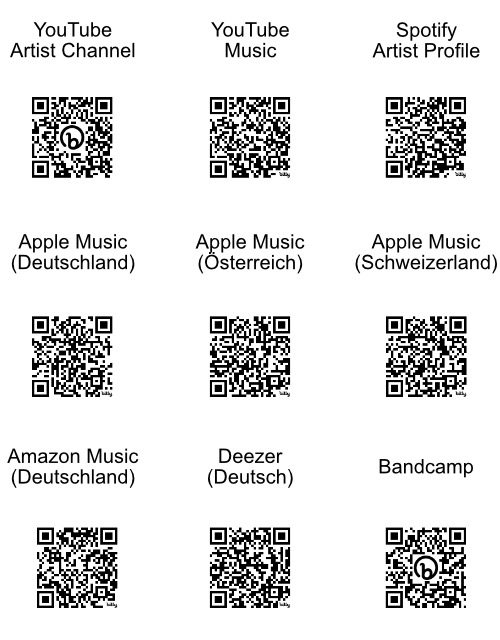
Jean-Michel Serres Apfel Cafe Apfelsaft Cinema Music QR-Kodes Mitte Deutsch 2024.

Notes on Aldo Ciccolini, His Performances & Recordings

Overview

Aldo Ciccolini (1925-2015) was a renowned Franco-Italian pianist, famous for his interpretation of the French repertoire, in particular the works of Erik Satie, Debussy and Ravel. Born in Naples, he won the prestigious Marguerite Long-Jacques Thibaud Competition in 1949, which launched his international career. He settled in France, obtained French nationality in 1971 and taught at the Paris Conservatoire, training many renowned pianists. His playing was appreciated for its refinement, clarity and poetic sensibility. In addition to the French repertoire, he brilliantly interpreted Beethoven, Schumann and Liszt, and his vast discographic legacy remains a reference.

History

Aldo Ciccolini was born in 1925 in Naples, in an Italy still marked by the musical traditions of bel canto and romanticism. He showed exceptional talent for the piano from a very early age, and it was at the San Pietro a Majella Conservatory that he received his training, under the direction of masters who perpetuated the European piano tradition. He grew up in a country where opera dominated the musical scene, but it was the instrumental repertoire that he turned to with passion.

His career took a decisive turn in 1949 when he won the Marguerite Long-Jacques Thibaud Competition in Paris. This prestigious award opened the doors of the great concert halls to him and made him a closely followed artist. He settled in France, where he found an environment conducive to his artistic development, and began an international career that led him to play on the world’s greatest stages.

Ciccolini, although deeply attached to the great works of the classical and romantic repertoire (Beethoven, Schumann, Liszt), is distinguished by his love for French music. He became an essential performer of Erik Satie, whose works he recorded with a clarity and depth that renewed the approach to the composer. His playing, clear and imbued with poetry, restored Satie to his former glory and inspired many musicians. But his attachment to French music was not limited to Satie: Debussy, Ravel, Saint-Saëns and even lesser-known composers such as Déodat de Séverac found in him an ideal ambassador.

Beyond his career as a soloist, Aldo Ciccolini is also a passionate teacher. He teaches at the Paris Conservatory, where he trains several generations of pianists, transmitting not only his technical mastery, but also his sense of touch and sound colour. His passion for music never left him, and until the end of his life, he continued to record and perform in concert, always characterised by the same high standards and the same humility.

Aldo Ciccolini, who died in 2015, leaves behind an immense musical legacy. His name is inextricably linked with the rediscovery of Satie, and his recordings continue to be a benchmark for music lovers and pianists all over the world.

Chronology

1925 – Birth in Naples

Aldo Ciccolini was born on 15 August 1925 in the Italian city of Naples. He showed remarkable musical aptitude from a very early age and began studying the piano.

1930s-1940s – Training at the Naples Conservatory
He entered the San Pietro a Majella Conservatory, where he received a rigorous education in the great European piano tradition.

1949 – Victory in the Long-Thibaud Competition

At the age of 24, he won the prestigious Marguerite-Long-Jacques-Thibaud Competition in Paris. This success marked the beginning of his international career and opened the doors of the greatest concert halls to him.

1950s-1960s – Beginning of his career and international recognition
He moved to France and became a leading pianist, performing in Europe, the United States and Asia. His repertoire was initially characterised by the great piano classics (Beethoven, Schumann, Liszt).

1960s-1970s – Acclaim and specialisation in French music

Ciccolini distinguished himself as a major performer of French repertoire, particularly that of Erik Satie, whose piano works he recorded. His poetic and limpid interpretations helped restore Satie to a place of honour in the piano repertoire.

1971 – Obtained French nationality

Having lived in France for many years, he obtained French nationality and strengthened his ties with French musical culture.

1970-1988 – Professor at the Paris Conservatoire

He became a professor at the Conservatoire National Supérieur de Musique de Paris, where he trained several generations of pianists. His teaching emphasised musical intelligence, clarity of playing and depth of interpretation.

1980s-1990s – An ever-active career and an expanding discography

Ciccolini continued to record numerous albums, exploring not only Satie, Debussy and Ravel, but also other lesser-known French composers such as Déodat de Séverac.

2000s – Final years of concerts and recordings

Even at an advanced age, he remained active on the music scene and continued to perform in concert with the same artistic rigour. His latest recordings confirm his status as a piano legend.

2015 – Death at the age of 89

Aldo Ciccolini passed away on 1 February 2015 in Asnières-sur-Seine, leaving behind an immense musical legacy and a benchmark discography.

Characteristics of the performances

Aldo Ciccolini’s performances are characterised by several key features that made him one of the most respected pianists of his time.

1. Clarity and transparency of playing

Ciccolini had an extremely precise touch, allowing perfect legibility of the different musical voices. His playing was fluid, never forced, and he favoured an approach devoid of excessive emphasis. In his interpretations of Satie, for example, this clarity emphasised the apparent simplicity of the music while revealing its depth.

2. Sense of phrasing and natural elegance

He had a way of sculpting each phrase with natural elegance, giving his music remarkable breath and flexibility. His playing never sought the spectacular effect but favoured pure and sincere musicality.

3. Colours and refined sound

Influenced by the French tradition, he attached great importance to the quality of the timbre and the nuances. His interpretations of Debussy and Ravel, for example, are characterised by a subtle richness of sound, with a delicately balanced palette of colours. He knew how to create evocative atmospheres while avoiding any expressive overload.

4. Poetry and interiority

Ciccolini was a pianist who played with his soul, always seeking to go beyond technique to reach a form of musical essence. His interpretation of Satie is a perfect example of this: he was not content to just play the notes, but explored their full poetic and meditative dimension. This introspective approach gave his music a unique depth and emotional intensity.

5. Fidelity to the text and refusal of excess

Unlike some performers who take liberties with the score, Ciccolini scrupulously respected the musical text while bringing his own sensibility to it. He avoided any exaggeration of tempo or dynamics, preferring a sober and balanced approach.

6. A timeless style

His playing is characterised by an apparent simplicity that belies immense mastery. He sought neither to impress nor to revolutionise the interpretation of the works, but rather to serve the music with humility. This approach means that his recordings, particularly of Satie and Debussy, remain essential references to this day.

Aldo Ciccolini has left his mark on the history of the piano with his elegance, sensitivity and deep respect for music. His style, which is both limpid and poetic, continues to influence many pianists and to captivate music lovers all over the world.

Piano

Aldo Ciccolini was particularly attached to Steinway & Sons pianos, which were his instruments for much of his career. The Steinway’s delicate touch and search for tonal colours provided the ideal resonance, especially for the French repertoire that he loved so much.

However, he also played Yamaha pianos, especially during some of his tours and recordings. He appreciated the precision and clarity of these instruments, which corresponded to his approach to piano playing.

His work on Satie and Debussy shows a sensitivity to the sounds of the upright piano and of old pianos. He had an approach to timbre that sometimes evoked the more subdued and clear sounds found on instruments that are older or smaller than the grand concert piano.

In short, Aldo Ciccolini mainly played Steinway & Sons, sometimes using Yamaha, and his style emphasised the crystalline sound and harmonic richness of these instruments.

Relationships

Aldo Ciccolini maintained significant relationships with composers, performers, conductors and students throughout his life, as well as with personalities outside the musical world. Here is an overview of some of his most significant relationships:

1. His relationships with other pianists and performers
Ciccolini crossed paths with many pianists throughout his career, both as a colleague and as a teacher. Among them:

Bruno Leonardo Gelber: This Argentinian pianist often spoke of his admiration for Ciccolini and the influence the latter had on him.
Jean-Yves Thibaudet: Although he was not his direct student, Thibaudet took up Ciccolini’s legacy in his interpretation of Satie and the French repertoire.
Nicholas Angelich and Artur Pizarro: Several of his students at the Paris Conservatoire have become renowned pianists.
2. His relationship with Erik Satie (posthumous, but essential)
Although he never knew Erik Satie (who died in 1925, the year Ciccolini was born), his relationship with him was decisive. Ciccolini helped to restore Satie to a central place in the piano repertoire, thanks to his recordings which revealed all the subtlety of this music.

3. His relationships with contemporary composers
Although he was mainly recognised for his interpretation of the Romantic and Impressionist repertoire, Ciccolini also interacted with composers of his time:

Henri Dutilleux: He performed some of his works and shared a mutual admiration with this major 20th-century composer.
Maurice Ohana: Ciccolini championed the music of this Franco-Spanish composer.
Olivier Messiaen: Although he was not a specialist in Messiaen, he frequented circles where the composer’s influence was strong, particularly at the Paris Conservatoire.
4. His collaborations with conductors and orchestras
Throughout his career, Ciccolini played with prestigious orchestras, under the direction of great conductors:

André Cluytens: One of the conductors with whom he recorded French concertos.
Charles Dutoit: Conductor renowned for his work on the impressionist repertoire.
The Orchestre de Paris, the Orchestre National de France: he collaborated regularly with these major musical institutions.
5. His students and his role as an educator
At the Paris Conservatoire, Ciccolini trained several generations of pianists. His teaching was renowned for its rigour and its attachment to authentic musical expression. His notable students include:

Jean-Marc Luisada
Artur Pizarro
Nicholas Angelich
6. His relationships outside the musical world
Aldo Ciccolini was not only an isolated artist in the world of music, he also associated with intellectuals and cultural figures:

Writers and philosophers: His love of literature led him to associate with French writers and thinkers, although he remained discreet about these relationships.
Patrons and art lovers: Ciccolini was appreciated by collectors and patrons who supported music and art in France.
7. His connection with France and French culture
Although Italian by birth, he developed a deep attachment to France, obtaining French nationality in 1971. He was close to Parisian cultural circles and was seen as a true ambassador for French music throughout the world.

In short, Ciccolini had a career rich in encounters, influencing and being influenced by composers, conductors, students and cultural figures, while remaining faithful to a humble and rigorous approach to music.

Repertoire

Aldo Ciccolini had a vast repertoire, but he is particularly famous for his interpretation of the French repertoire and European Romanticism. He is best known for the following works and composers:

1. Erik Satie – The pianist who brought Satie back to life

Ciccolini is often considered one of the greatest interpreters of Erik Satie. His recordings in 1969 and 1986 have had a profound impact on the history of piano performance and contributed to the rediscovery of the composer. Among the works he has made famous:

Gymnopédies (all three, with a touch of unparalleled clarity)
Gnossiennes (where he emphasises the mysterious and dreamy character of the music)
Pièces froides, Sarabandes, Nocturnes
Sonneries de la Rose+Croix (where he emphasises Satie’s mystical influence)

His playing, at once limpid, expressive and uncluttered, allowed the subtlety of these works to be appreciated.

2. Claude Debussy – An elegant and subtle approach

Ciccolini also excelled in the Debussy repertoire, where he emphasised the sound textures and impressionist colours:

Suite Bergamasque (including the famous Clair de Lune)
Preludes (Books I and II) (performed with great finesse)
Children’s Corner
Estampes (Pagodes, La soirée dans Grenade, Jardins sous la pluie)
Images

His playing of Debussy was characterised by clear articulation and respect for the dynamics, with a natural elegance.

3. Maurice Ravel – A refined pianist for refined music

Ciccolini interpreted Ravel with the same sensitivity as Debussy, always seeking to emphasise the nuances of this delicately textured music. His recordings include:

Miroirs (Oiseaux tristes, Une barque sur l’océan, Alborada del gracioso)
Le Tombeau de Couperin
Gaspard de la nuit (notably Ondine and Le Gibet, played with a limpid touch)
Pavane pour une infante défunte

He mastered perfectly the rhythmic subtleties and the interplay of timbres specific to Ravel.

4. Camille Saint-Saëns – A leading performer

Ciccolini recorded several major works by Saint-Saëns, in particular his piano concertos:

Piano Concerto No. 2 in G minor, Op. 22
Piano Concerto No. 5 (‘The Egyptian’)

His playing emphasised the elegance and virtuosity of these works, without excess, but with a keen sense of style.

5. Déodat de Séverac – A craftsman of forgotten French music

Ciccolini played a key role in the rediscovery of Déodat de Séverac, an early 20th-century composer, by recording his piano works, including:

Cerdana
En Languedoc

His playing emphasised the impressionistic and regionalist character of this music, full of colour and lyricism.

6. Franz Liszt – A deep and virtuoso romanticism

Although he is best known for his interpretation of French music, Ciccolini also excelled in Liszt, notably with:

Années de pèlerinage (Switzerland and Italy)
Hungarian Rhapsodies
Sonata in B minor

His approach to Liszt was balanced: virtuoso, but always musical and poetic, avoiding dramatic excess.

7. Beethoven and Schumann – A balanced romanticism

Ciccolini has also recorded major works by Beethoven, including some piano sonatas and the Emperor Concerto.

For Schumann, he recorded:

Carnaval, op. 9
Kreisleriana
Kinderszenen (Scenes from Childhood, including Träumerei)

He approached these works with a measured romanticism, favouring clarity and musicality.

8. Scarlatti and Mozart – A sober and luminous approach

Even though he was not a specialist in the Baroque, Ciccolini recorded Scarlatti’s Sonatas, with a pearly and luminous touch.

Conclusion

Aldo Ciccolini is best remembered for his contribution to French music, in particular Satie, Debussy, Ravel and Saint-Saëns. But he also excelled in Liszt, Beethoven and Schumann, proving that he could combine the clarity of the French school with the depth of European Romanticism. His playing, both refined and poetic, continues to influence today’s pianists.

Famous solo piano recordings

Aldo Ciccolini has a rich and varied discography, but some of his solo piano recordings have become true benchmarks. Here are his most famous albums and complete works:

1. Erik Satie – Complete Works for Piano (1969 and 1986, EMI Classics)

This is undoubtedly Ciccolini’s most famous recording, and he contributed to the rediscovery of Satie. He recorded the composer’s complete works for piano twice:

First recording (1969) – The one that made him world famous, with a clear and poetic touch.
Second recording (1986) – A more mature version, even more nuanced and expressive.
Works included:

Gymnopédies
Gnossiennes
Pièces froides
Sarabandes
Sonneries de la Rose+Croix
Nocturnes
Véritables préludes flasques pour un chien
Embryons desséchés

These recordings are considered to be benchmark interpretations and remain among Satie’s best sellers.

2. Claude Debussy – Works for piano (EMI Classics, 1970s-80s)
Aldo Ciccolini has also made major recordings of Debussy’s works, in which he emphasises the clarity and fluidity of his playing.

Famous recordings:

Suite bergamasque (Clair de lune)
Preludes, Books I & II
Estampes
Images
Children’s Corner
Le Petit Nègre & other short pieces

Debussy’s sound is refined, balanced and avoids excessive use of the pedal, emphasising the harmonic structure and lightness of textures.

3. Maurice Ravel – Complete works for piano (EMI Classics, 1980s)

A remarkable recording, in which Ciccolini renders Ravel’s music with precision and sensitivity.

Includes:

Miroirs (Oiseaux tristes, Une barque sur l’océan, Alborada del gracioso, etc.)
Gaspard de la nuit (Ondine, Le Gibet, Scarbo)
Le Tombeau de Couperin
Pavane pour une infante défunte
His approach is subtle and elegant, without heaviness or mannerism.

4. Déodat de Séverac – Works for piano (EMI Classics, 1980s)

Aldo Ciccolini played a key role in the rediscovery of Déodat de Séverac, a composer influenced by Debussy and the music of the South of France.

Works included:

Cerdana
En Languedoc
These recordings reveal the warmth and unique colour of this unjustly neglected music.

5. Franz Liszt – Années de Pèlerinage (EMI Classics, 1960s-70s)

Ciccolini was also a great Liszt performer, and his recording of the Années de pèlerinage (notably Suisse and Italie) remains a benchmark.

Included:

Obermann’s Valley
By a Spring
The Bells of Geneva
Sonetto del Petrarca No. 104
His playing of Liszt is poetic and profound, avoiding gratuitous virtuosity.

6. Camille Saint-Saëns – Works for piano (EMI Classics, 1970s)

In addition to the concertos, Ciccolini has recorded several solo works by Saint-Saëns.

Includes:

Études, op. 52 and op. 111
Valse nonchalante, op. 110
Six Bagatelles, op. 3

His interpretation emphasises the refinement and elegance of these pieces.

7. Scarlatti – Sonatas (EMI Classics, 1980s)

Although less well known for this repertoire, Ciccolini recorded an album of Scarlatti sonatas, with a pearly touch and crystal-clear articulation.

8. Beethoven – Sonatas and Variations (EMI Classics, 1970s)

Ciccolini recorded some of Beethoven’s sonatas, with a clear and structured approach, but without the ardour of some of the composer’s specialists.

Conclusion
Of all these recordings, his complete Satie remains the most famous and continues to be an absolute reference. His interpretations of Debussy, Ravel, Liszt and Séverac are also major. His style, both elegant and profound, has left its mark on the history of the piano and still influences many pianists today.

Repertoire and famous recordings of piano concertos

Aldo Ciccolini recorded several piano concertos, showcasing his elegant touch and musical sensitivity. He was particularly renowned for his interpretations of the French repertoire and certain European romantics.

1. Camille Saint-Saëns – Piano Concertos No. 2 & No. 5 (‘L’Égyptien’)

📀 Famous recording: Orchestre de Paris, Jean Martinon (EMI Classics, 1970s)

Piano Concerto No. 2 in G minor, Op. 22
→ One of the composer’s most famous concertos, alternating power and elegance.

Piano Concerto No. 5 in F major, Op. 103 (‘The Egyptian’)
→ An exotic and colourful work, in which Ciccolini showcases his refined playing and sense of phrasing.

✅ Why is it famous?
This recording is a benchmark for the Saint-Saëns repertoire, with Ciccolini playing brilliantly and fluidly, perfectly capturing the spirit of the composer.

2. Franz Liszt – Piano Concertos No. 1 & No. 2

📀 Famous recording: London Philharmonic Orchestra, Edward Downes (EMI Classics, 1970s)

Piano Concerto No. 1 in E flat major, S.124
→ A flamboyant work, in which Ciccolini combines virtuosity and musicality.

Piano Concerto No. 2 in A major, S.125
→ A more poetic concerto, in which he deploys a subtle sound palette.

✅ Why is it famous?
His approach to Liszt avoids gratuitous demonstration and favours a balanced and expressive romanticism.

3. Edvard Grieg – Piano Concerto in A minor, Op. 16

📀 Famous recording: London Philharmonic Orchestra, Antonio de Almeida (EMI Classics, 1970s)

→ A great Romantic classic, in which Ciccolini showcases his sense of lyricism and Nordic colour.

✅ Why is it famous?
One of the best recordings of this concerto, with a performance full of nuance and emotion.

4. Tchaikovsky – Piano Concerto No. 1 in B flat minor, Op. 23

📀 Famous recording: Monte-Carlo Opera Orchestra, Georges Prêtre (EMI Classics, 1960s)

→ One of the most emblematic concertos in the piano repertoire, alternating between power and gentleness.

✅ Why is it famous?
Ciccolini adopts a style that is both grandiose and expressive, without ever overdoing it.

5. Rachmaninov – Piano Concerto No. 2 in C minor, Op. 18

📀 Famous recording: Orchestre de Paris, Georges Prêtre (EMI Classics, 1970s)

→ An emblematic concerto of late Romanticism, in which Ciccolini displays great sensitivity.

✅ Why is it famous?
His interpretation is more restrained than that of other pianists, but of great elegance and expressiveness.

6. Prokofiev – Piano Concerto No. 3 in C major, Op. 26

📀 Famous recording: Orchestre de Paris, Georges Prêtre (EMI Classics, 1970s)

→ One of the most virtuoso concertos of the 20th century, which Ciccolini performs with precision and clarity.

✅ Why is it famous?
Ciccolini brings out the humour and dynamism of the concerto without overdoing it.

Other concertos recorded by Ciccolini:

Beethoven – Piano Concerto No. 5 (‘Emperor’) (with the London Philharmonic Orchestra)
Ravel – Concerto in G major (rare, but played in concert)
Mozart – Concertos No. 21 and No. 23

Conclusion

The recordings of Saint-Saëns, Liszt and Grieg are among the most famous and remain benchmarks. His style, at once elegant and powerful, enabled him to approach these concertos with finesse and musicality, avoiding any excess of virtuosity in favour of a sincere and balanced interpretation.

Other notable interpretations and recordings

Although Aldo Ciccolini is mainly known for his solo piano repertoire and concertos, he has also recorded and performed works in other formations, notably in chamber music, vocal accompaniment and piano duets.

1. Chamber music

🎻 César Franck – Sonata for Violin and Piano in A major

📀 With Augustin Dumay, violin (EMI Classics, 1982)
A masterpiece of French Romanticism, in which Ciccolini accompanies Dumay with finesse and balance.

✅ Why is it noteworthy?
His playing highlights the harmonic richness and lyricism of the work, without ever overpowering the violin.

🎻 Gabriel Fauré – Violin and Piano Sonatas No. 1 and No. 2

📀 With Gérard Poulet, violin (EMI Classics, 1980s)
Two sonatas full of elegance and subtlety, in which Ciccolini displays great delicacy.

✅ Why is it noteworthy?
He perfectly recreates the intimate and poetic atmosphere that is so characteristic of Fauré.

🎻 Claude Debussy – Sonata for violin and piano

📀 With Gérard Poulet, violin (EMI Classics, 1980s)

An impressionist work to which Ciccolini brings a colourful and expressive touch.

✅ Why is it noteworthy?
His mastery of the Debussy solo repertoire is evident in this highly nuanced version.

🎻 Maurice Ravel – Tzigane (version for violin and piano)

📀 With Gérard Poulet, violin (EMI Classics, 1980s)
A virtuoso piece in which the piano plays an essential rhythmic and harmonic role.

✅ Why is it noteworthy?
Ciccolini brilliantly supports the violin while adding depth to the reduced orchestral textures.

2. Vocal accompaniment

🎤 French melodies – Fauré, Duparc, Debussy, Poulenc

📀 With Gabriel Bacquier, baritone (EMI Classics, 1970s)

A magnificent album of French melodies in which Ciccolini accompanies Bacquier with subtlety and expressiveness.

✅ Why is it noteworthy?
His refined touch and respect for vocal nuances enhance these works.

🎤 Maurice Ravel – Histoires naturelles (melodies for voice and piano)

📀 With Gabriel Bacquier, baritone (EMI Classics, 1970s)

A song cycle in which Ravel imitates the spoken diction of French.

✅ Why is it noteworthy?
Ciccolini precisely follows the singer’s inflections while maintaining the humour and irony of the music.

🎤 Erik Satie – Mélodies et Chansons

📀 With Gabriel Bacquier, baritone (EMI Classics, 1970s)

A rare recording of Satie, in which Ciccolini demonstrates a restrained and poetic accompaniment.

✅ Why is it notable?
Satie’s piano master recreates a light and melancholic atmosphere here.

3. Piano duets

🎹 Darius Milhaud – Scaramouche (for two pianos)

📀 With Gabriel Tacchino, piano (EMI Classics, 1980s)

A sparkling, rhythmic work inspired by jazz and Brazilian music.

✅ Why is it noteworthy?
The Ciccolini-Tacchino duo plays with great vivacity and perfect synchronisation.

🎹 Francis Poulenc – Sonata for Two Pianos & Elegy

📀 With Gabriel Tacchino, piano (EMI Classics, 1980s)

A work full of contrasts, between lyricism and humour.

✅ Why is it noteworthy?
Ciccolini and Tacchino display a remarkable musical complicity.

🎹 Ravel – La Valse & Rapsodie Espagnole (version for two pianos)

📀 With Gabriel Tacchino, piano (EMI Classics, 1980s)

Two major orchestral transcriptions where the pianists must reproduce the full richness of the timbres.

✅ Why is it noteworthy?
Their energetic and precise playing gives an orchestral dimension to these pieces.

Conclusion

Although he is best known for his solo and concerto recordings, Aldo Ciccolini has also excelled in other formations, particularly in chamber music and vocal accompaniment. His collaborations with Augustin Dumay, Gérard Poulet and Gabriel Bacquier are among his finest achievements. His piano duos with Gabriel Tacchino are also very successful, particularly in Ravel, Poulenc and Milhaud.

As a music teacher

Aldo Ciccolini, one of the most respected pianists of the 20th century, not only made his mark on the music scene as a concert pianist, but also exerted a significant influence as a music teacher. His role as an educator helped shape a generation of talented pianists, and his unique approach to teaching has had a lasting impact on the world of classical music.

Teacher at the Paris Music Academy

Ciccolini was a long-standing piano teacher at the Paris Conservatory, where he passed on his knowledge and technique to many students. He taught there for several decades, starting in the 1970s, after having himself been trained at the institution. Ciccolini was a demanding teacher, but also extremely passionate about his role as an instructor. His pedagogical approach was inspired by the technical rigour he had learned at the conservatory, while adding the artistic freedom he had developed throughout his career.

He emphasised personal expression, sensitivity and the interpretation of music. For him, a pianist should not be content to simply repeat notes; they should have a deep understanding of the meaning of the works, their historical and emotional context. Ciccolini was convinced that the interpretation of a work should never be fixed, but should evolve according to the performer and their experiences. His students were therefore encouraged to explore their own emotions and to free themselves from strict academic discipline in a quest for authentic expression.

Method and teaching approach

One of the notable characteristics of his teaching was the emphasis on hand technique and finger placement. Ciccolini was a perfectionist when it came to piano technique and emphasised the need to develop a fluid and natural technique that avoided any physical tension. His methods included meticulous exercises to strengthen hand-right and hand-left coordination, while developing a certain freedom of the wrist and fingers to facilitate difficult passages.

He also emphasised the importance of reading the score before embarking on the actual performance. His belief was that, in order to achieve a profound musical interpretation, a pianist must first understand the musical structure before being able to inject their own sensibility into it. Technique and interpretation were therefore intimately linked for him.

Ciccolini’s influence on his students

At the Paris Conservatoire, Aldo Ciccolini trained many renowned pianists who have continued to play a key role in the world of classical music. His most famous students include:

Martha Argerich: Although she already had an impressive career at the time of her studies, she benefited from Ciccolini’s advice and has often spoken of the impact of his teaching on her approach to the repertoire.
Jean-Claude Vanden Eynden: A renowned Belgian pianist, he was one of the students who followed Ciccolini’s unique approach, particularly in his understanding of the works of Debussy and Ravel.
Brigitte Engerer: A student of Ciccolini, Engerer became a great performer of the Romantic and Impressionist repertoires, following the example of her teacher.

One of Ciccolini’s great contributions to teaching was his insistence on the balance between technical rigour and artistic freedom. This approach left its mark on his students and enabled them to achieve not only exceptional technical mastery, but also a deeply expressive approach to music. His students appreciated his dedication, his attention to detail and his ability to instil a spirit of creativity in their playing.

Ciccolini’s contributions to music and international teaching

In addition to his career in Paris, Ciccolini was also invited to give masterclasses all over the world, including in Italy, the United States and Latin America. These masterclasses were an opportunity for pianists from all over the world to benefit from his direct teaching, and they greatly contributed to spreading his pedagogical approach.

Finally, he often emphasised the importance of studying 19th and 20th century French composers such as Debussy, Ravel and Franck, and his students were particularly trained to play these works with a deep knowledge of their cultural and historical context.

Legatee of his pedagogical heritage

Aldo Ciccolini’s teaching methods remain an important legacy in the field of classical piano. By passing on his knowledge and musical vision, he paved the way for a new generation of pianists capable of combining technique and sensitivity with a mastery of the music of his time.

In short, Aldo Ciccolini did much more than pass on piano technique to his students: he enabled them to assert themselves as artists in their own right, while instilling in them the idea that each performance must be an act of personal creation. His contribution to music education is part of a tradition in which technical rigour and artistic freedom are inseparable.

Activities outside music

Apart from his musical career, Aldo Ciccolini led a relatively discreet life, but there were some interesting aspects of his personality and activities that are worth mentioning. Although his vocation and fame are unquestionably centred on music, there are a few things that help us to understand the man behind the artist.

1. His cultural and intellectual commitment

Aldo Ciccolini was deeply involved in intellectual and cultural circles. He was interested in a wide range of subjects, from philosophy to literature and art history. This interest in culture was manifested in enriching conversations with writers, poets and intellectuals with whom he had connections, particularly in Paris, where he lived for much of his career.

His intellectual curiosity extended far beyond music. Ciccolini had a very open-minded approach and explored ideas from various artistic and philosophical spheres. He particularly enjoyed discussions about the great authors of literature, and his friends remember him as a cultured man, always ready to exchange profound ideas and share his vision of the world.

2. His love of travel

Ciccolini was also passionate about travelling. His trips were not only motivated by his concerts and professional commitments, but also by a real desire to discover new cultures and broaden his knowledge. He had a particular interest in the Mediterranean, where he often travelled, attracted by the history, literature and landscapes. These trips nourished his creative spirit and contributed to enriching his work, albeit indirectly.

3. His interest in gastronomy

Although his commitment to music took a prominent place in his life, Aldo Ciccolini had a real taste for gastronomy. Like many Italians, he particularly enjoyed traditional Italian dishes, and he enjoyed sharing convivial moments over good meals with his friends and colleagues. His love of good food was part of this way of living life to the full, seeking to savour the pleasures of life, far from the hustle and bustle of the music scene.

4. A discreet and reserved man

Despite his fame as a pianist, Ciccolini was known to be a relatively reserved and discreet man in his personal life. He was not particularly attracted to the spotlight, preferring to focus his energy on his music and teaching rather than on his public reputation. He was reluctant to make media appearances or to mix in society, which contributed to his image as an almost mysterious character, more focused on his artistic quest than on the external aspect of his career.

5. Aldo Ciccolini’s role in preserving Italian musical culture

As well as his work as a concert performer and teacher, Aldo Ciccolini played a role in the preservation and promotion of Italian music. He was particularly committed to the dissemination of lesser-known Italian composers, seeking to bring to light works that were often overshadowed by the fame of other great names in classical music. Through his performances, he brought to light composers such as Luigi Dallapiccola, Ferruccio Busoni and contemporary Italian composers.

Conclusion

Ciccolini’s activities outside of music reveal a man with a passion for culture as a whole, with a pronounced taste for literature, travel and gastronomy. He was a man of reflection, committed to self-discovery and intellectual enrichment. Just as he nourished his piano playing with a rich palette of external influences, he lived a life marked by insatiable curiosity and a deep respect for beauty in all its forms.

(This article was generated by ChatGPT. And it’s just a reference document for discovering music you don’t know yet.)

Classic Music Content Page

Best Classical Recordings
on YouTube

Best Classical Recordings
on Spotify

Jean-Michel Serres Apfel Café Music QR Codes Center English 2024.