Commentaire de la musique | Œuvres de Pat Metheny Group

Profil

Le Pat Metheny Group est un groupe de jazz fusion fondé en 1977 par le guitariste Pat Metheny et le claviériste Lyle Mays. Les autres membres principaux étaient le bassiste Steve Rodny, le batteur Paul Wertico et le chanteur et multi-instrumentiste argentin Pedro Aznar. Le groupe est devenu célèbre grâce aux premiers albums “American Garage” et “Offramp”, et a donné de nombreux concerts avec énergie. Du milieu des années 80 aux années 90, le groupe a connu un plus grand succès avec “First Circle”, “Still Life” et a atteint l’apogée du groupe, qui a effectué de nombreuses tournées mondiales. En 2010, le groupe a organisé le “Songbook Tour”, qui présentait le répertoire rétrospectif, et a cessé ses activités.

La caractéristique du Pat Metheny Group, contrairement aux œuvres de Pat Metheny en solo, était le goût d’une fusion typiquement américaine ou californienne des années 80 ou 90 avec des éléments de New Age et de musique latine. Mais les compositions, les pièces, les arrangements et les ambiances des œuvres étaient plus sophistiqués, plus élégants et plus purs que ceux des autres musiciens de fusion habituels. Une autre caractéristique du groupe était la combinaison de deux grands génies, Pat Metheny et Lyle Mays. Ce sont des musiciens de jazz de premier ordre, capables d’improviser. La guitare de Pat est une succession orthodoxe de l’histoire de la guitare de jazz. Son jeu est naturel et merveilleux, il n’a pas le ton fumeux et bleu du jazz, mais l’humeur de sa composition est la même. L’emblématique synthétiseur Roland JX-10 de Mays, avec son timbre lyrique de flûte ou de flûte de pan et ses phrases mystiques, était un élément important du groupe. L’accompagnement et le solo de piano de Mays n’étaient pas fumeux et bleus, mais plutôt élégants, lumineux et doux, ce qui a contribué à la sonorité de l’ensemble du groupe. Ses jeux de synthétiseur dans les interludes de nombreuses œuvres ont donné lieu à des développements musicaux impressionnants et grandioses. La synchronisation de ces deux génies avec les autres membres du groupe est l’un des plus grands héritages de l’histoire de la musique fusion.

Pat Metheny Group (ECM, 1978)

Pat Metheny Group est le premier album de Pat Metheny Group, composé de Pat Metheny (guitare), Lyle Mays (piano, synthétiseur), Mark Egan (basse fretless) et Danny Gottlieb (batterie).

“San Lorenzo” est une chanson de fusion rafraîchissante et lumineuse qui associe une brise marine et une ville portuaire. Le jeu de piano de Mays est beau et élégant. La basse sans frettes de Mark Egan est impressionnante et sonne d’une manière unique.

“Phase Dance” est un morceau de fusion en tonalité mineure, rafraîchissant et sentimental. La combinaison du solo de Pat et des réactions de la batterie est très bonne.

“Jaco” est la chanson de l’allié de Pat, Jaco Pastorius. Une chanson merveilleuse et groovy avec un arrangement et des jeux habiles.

“Aprilwind” est une courte chanson mystique avec des guitares doublées par Pat.

“April Joy” est une belle chanson sentimentale avec d’excellents arrangements et interprétations. Cette chanson est composée de trois parties. La première partie est une partie dynamique avec le solo de Pat. La deuxième partie est une partie silencieuse non rythmée avec le solo de synthétiseur de Mays. La troisième partie est calme avec des jeux passionnés et doux et la combinaison du groupe.

“Lone Jack” est une chanson de fusion rafraîchissante à tempo élevé, comme une session. Le solo de Pat est fin, dur et cool. Le piano de Mays est dynamique et élégant. La synchronisation du groupe est excellente.

Un bon album de fusion.

American Garage (ECM, 1979)

“American Garage” est le deuxième album du Pat Metheny Group sorti en 1979. Les membres sont les mêmes que sur le premier album.

Le premier morceau, “Heartland”, est une fusion au goût des années 80, américain et californien, avec le thème principal et les phrases brillantes de Mays au synthétiseur.

“Airstream” est une chanson sentimentale et lumineuse au goût Country.

“The Search” commence par l’arpège de la guitare 12 cordes de Pat et les phrases lyriques emblématiques de Mays, comme des phrases de flûte. Mays joue ensuite une élégante improvisation au piano, suivie d’un solo de guitare électrique de Pat. Une merveilleuse chanson de fusion à tempo moyen.

“American Garage” est une fusion énergique, amusante et lumineuse au goût Rock et Country.

Le dernier morceau, “The Epic”, dure 13 minutes et est une chanson de fusion sophistiquée et douce avec un arrangement complexe et agressif. La combinaison du groupe est parfaite. Le solo de piano de Mays est impressionnant et superbe !

Sur cet album, le Pat Metheny Group réussit à imposer son style et son goût sophistiqués et originaux, et l’arrangement a des développements dynamiques.

Offramp (ECM, 1981)

“Offramp est le troisième album et l’un des chefs-d’œuvre du Pat Metheny Group. Le bassiste Mark Egan est remplacé par Steve Rodby, et le percussionniste brésilien Naná Vasconcelos y participe.

“Barcarole” est une chanson rafraîchissante et mystique. Elle commence par des séquences de grosse caisse, de caisse claire et de charleston exécutées par une machine à rythmes, avec des percussions de Vasconcelos et des accords de pad soyeux joués par Lyle Mays. Suit un solo de guitare et de synthétiseur par Pat. Jusqu’à la fin, la musique est progressivement dynamique.

“Eighteen” est un morceau des années 80 au goût californien, rafraîchissant et doux. Fusion met en avant les sonorités emblématiques de la flûte et du piano électrique de Mays.

“Offramp” est une chanson abstraite et ethnique qui ressemble à une session. Pat joue librement de la guitare et du synthétiseur. Les sons et les jeux de percussions sont uniques.

“James” est la représentante et la plus grande chanson du groupe de Pat Metheny, et elle rend hommage à un chanteur et compositeur Folk et Pop, James Taylor. C’est une chanson de fusion très rafraîchissante, douce et sucrée avec un thème impressionnant. Les jeux de guitare électrique de Pat et de piano de Mays sont parfaits, l’arrangement et ses développements sont sophistiqués et excellents.

“The Bat Part II” est une chanson calme qui s’apparente à de la musique Ambient ou New Age, avec des accords de pad et un lead de Mays.

Sur cet album, le Pat Metheny Group a mis en avant ses caractéristiques et sa technique d’arrangement, ainsi que diverses compositions. Pat et Mays ont affiné leurs tonalités et leurs jeux d’icônes.

First Circle (ECM, 1984)

“First Circle” est le quatrième album du Pat Metheny Group sorti en 1984. Le batteur a remplacé Paul Wertico, et le multi-instrumentiste Pedro Aznar a participé au chant, aux percussions et à la guitare.

“Forward March” est une chanson de marche entraînante et amusante jouée par une fanfare.

“Yolanda, You Learn” est une chanson de fusion des années 80 au tempo élevé, comme une session.

Le titre “First Circle” est une chanson de fusion douce et sucrée qui a un goût New Age et ethnique. Pat joue de la guitare acoustique. Wertico joue finement et en douceur. La caractéristique de cette chanson est le chant de Pedro Aznar et l’emblématique synthétiseur lyrique Roland JX-10 de Mays. Et les développements de la chanson sont doux et dynamiques. C’est l’une des meilleures chansons et performances du Pat Metheny Group.

“If I Could” est une chanson lente et calme qui met en valeur le solo de guitare acoustique de Pat.

“Tell It All” est une fusion au goût latin qui met en valeur le solo de guitare électrique fin et dynamique de Pat et les percussions ethniques.

“End of the Game” est une chanson mystique et funky qui associe une zone urbaine, ses rues et ses paysages. Les développements par changements de tonalité et le jeu d’accords au pad de Mays sont excellents.

“Más Allá (Beyond)” est une ballade vocale lente qui met en valeur la voix de Pedro Aznar.

“Praise” est une chanson de fusion lumineuse et positive avec un rythme et un goût de rock américain. Elle met en valeur le lyrisme du JX-10 de Mays et la voix fredonnée d’Aznar.

En particulier, “First Circle”, “End of the Game” et “Praise” ont la composition, l’arrangement, le son et le goût caractéristiques du Pat Metheny Group. Un album de fusion très sophistiqué et excellent et l’un des plus grands albums du groupe Pat Metheny, est égal à “Offramp”.

Still Life (Talking) (Geffen, 1987)

“Still Life (Talking)” est le cinquième album du Pat Metheny Group. Les membres principaux Pat Metheny et la section rythmique sont les mêmes que pour “First Circle”. Les chanteurs Mark Ledford et David Blamires, et le percussionniste Armando Marçal y participent.

“Minuano (Six Eight)” est une fusion latine douce et fraîche avec un arrangement fin et complexe.

“So May It Secretly Begin” est également une fusion douce et fraîche qui met en valeur le solo impressionnant de Pat et les percussions latines.

“Last Train Home” est une chanson Country au tempo élevé et au goût mystique, d’un style unique. Elle commence par de belles séquences de batterie et le merveilleux solo de guitare de Pat. Ensuite, la voix et le solo de pad de Mays initient un sifflement de locomotive. L’une des chansons représentatives et impressionnantes du Pat Metheny Group est très douce, merveilleuse et sophistiquée.

“(It’s Just) Talk” est une Fusion au goût latin avec un bon ensemble et une alchimie du groupe.

“Third Wind” est une chanson au tempo très élevé avec des percussions latines. Le jeu des percussions est très minutieux et dur. Le solo de Pat, qui change rapidement, et le solo mystique de Mays sont tout à fait à la hauteur. L’arrangement et le développement de cette chanson sont complexes et excellents.

“Distance” est une chanson New Age tendre et sentimentale, comme l’Ambient, qui se compose presque uniquement des emblématiques tone pad(s) de Mays.

“In Her Family” est une chanson New Age calme et douce qui met en valeur le jeu de piano de Mays.

Les pièces, les compositions et les arrangements de cet album sont devenus plus sophistiqués et complexes, et le style et les caractéristiques du Pat Metheny Group ont été définitivement établis.

Letter from Home (Geffen, 1989)

“Have You Heard” est un morceau de Fusion rafraîchissant et sentimental,

“Every Summer Night” est une chanson de fusion sophistiquée au goût latin, avec le synthétiseur de Lyle Mays.

“Spring Ain’t Here” est un morceau de fusion au tempo moyen, fin et neutre.

“45/8” est une chanson courte et amusante de style New Age, avec des instruments ethniques.

“5-6-7” est une fusion unique de goût latin, avec des sifflets et un thème et des phrases impressionnants. L’arrangement et le développement de cette chanson sont excellents et magnifiques.

“Best 70” est une fusion latine amusante et lumineuse.

“Dream of the Return” est une ballade lente des années 90 au goût latin, avec une voix fredonnante.

“Are We There Yet” est une chanson typique et raffinée du groupe de Pat Metheny, avec le jeu de synthétiseur de la guitare de Pat et le beau jeu de pad et d’accords de Mays.

“Vidala” est une chanson mystique et ethnique qui met l’accent sur les percussions et l’accompagnement au pad de Mays.

“Slip Away” est une grande chanson et l’un des fruits du groupe de Pat Metheny. Cette chanson contient plusieurs éléments du groupe Pat Metheny. Les goûts californiens et latins, le merveilleux jeu de guitare PM205 de Pat, l’élégant accompagnement au piano de Mays, la voix fredonnée d’humeur latine, l’excellent développement de l’interlude et la bonne synchronisation des combinaisons du groupe.

“Letter from Home” est une chanson lente et douce, composée de la guitare acoustique de Pat, d’un piano élégant, de pad(s) de Mays et du vibraphone de Pedro Azur.

C’est un album très sophistiqué, fin et parfait et c’est l’apogée et la forme achevée du Pat Metheny Group. Il n’y a plus rien à dire.

We Live Here (Geffen, 1995)

La première, “Here to Stay”, est la chanson phare de cet album et de la tournée mondiale. Une chanson Fusion au tempo moyen avec des séquences de batterie et un refrain à saveur latine sont impressionnants. Le solo de Pat est le meilleur de sa carrière.

“The Girl Next Door” est un rare morceau de fusion soulful et groovy du Pat Metheny Group, avec un goût d’Acid Jazz.

“To the End of the World” est un morceau de fusion sentimental et doux. La combinaison du solo de guitare de Pat et de l’accompagnement au pad de Mays est élégante et très bonne.

“We Live Here” est une chanson New Age au tempo élevé et au goût rafraîchissant, avec des percussions et des séquences de batterie audacieuses. Pat joue de la guitare et du synthétiseur avec émotion. Mays joue un magnifique accompagnement au pad.

“Episode d’Azur” est une fusion vigoureuse et cool au goût Funk, avec un thème et des développements impressionnants et un arrangement qui varie de façon complexe.

“Red Sky” est une chanson de fusion cool et douce à mi-tempo. La guitare de Pat est fine et agressive, l’accompagnement au pad de Mays est beau et impressionnant. Dans la dernière partie, Pat joue à peine de la guitare et du synthétiseur.

“Stranger in Town” est une chanson de fusion au tempo élevé, avec le thème impressionnant et agressif de Pat et des solos techniques et polyvalents comme ceux de Wes Montgomery. L’interlude est un aspect très agréable de cette chanson. Les changements de tonalité et l’emblématique JX-10 de Mays sont très beaux. Cette chanson est idéale pour une performance live, et est devenue l’un des principaux répertoires du groupe et des concerts solo de Pat Metheny depuis la sortie de l’album.

L’album “We Live Here” n’a pas de goûts américains et californiens, et contient des éléments de Jazz Funk et d’Acid Jazz. Cet album pourrait être une réaction aux scènes Acid Jazz et M-Base et à la scène musicale des années 90. La pièce maîtresse du groupe Pat Metheny dans les années 90.

Ressources et liens

Wikipedia (EN)

Discogs

Rate Your Music (Pat Metheny)

AllMusic

All About Jazz

IMDb

Jazzwise

Liste de toutes les revues musicales
(Français, English, Español, Italiano, Deutsch)
Post-classical, New Age, Ambient, Minimal Music, Electronica

Commentaire de la musique
Pat Metheny albums solo et collaboration

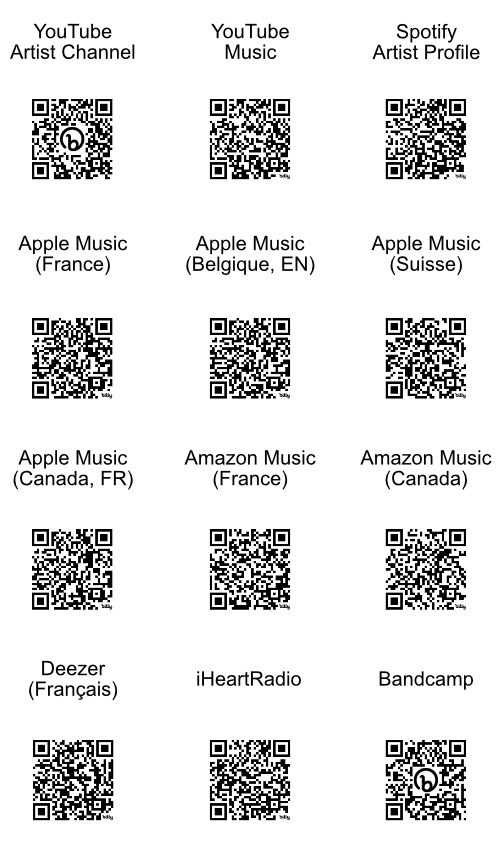
Jean-Michel Serres Apfel Café Apfelsaft Cinema Music QR Codes Centre Français 2024.

Music Review | Works of Pat Metheny Group

Profile

The Pat Metheny Group was a Jazz Fusion band founded in 1977 by guitarist Pat Metheny and keyboardist Lyle Mays. Other principal members were bassist Steve Rodny, drummer Paul Wertico and Argentine vocalist and multi-instrumentalist Pedro Aznar. The group became famous by early albums “American Garage” and “Offramp”, and it held many concerts energetically. During from the mid-80’s to the 90’s the group made greater success by “First Circle”, “Still Life” and reached the peak of the group, and held world tours many time. In 2010, the group held “Songbook Tour” featured the retrospective repertory, and the group stopped activity.

The characteristic of Pat Metheny Group, contrast to Pat Metheny solo works, was the taste of a typical American or Californian and 80’s or 90’s Fusion with New Age and Latin music elements. But the compositions, the plays, the arrangements and the moods of the works were more sophisticated, elegant and pure than other usual Fusion musicians. Another characteristics of the group was the combination of two great geniuses Pat Metheny and Lyle Mays. They are first-rate Jazz musicians can play improvisation. And Pat’s guitar is an orthodox succession to the Jazz guitar history also his plays is natural and wonderful has no smoky and blue tone of Jazz, the mood of his composition is the same. Mays’ iconic Roland JX-10 synthesizer lyrical lead like flute or pan flute tone and its mystical phrases was an important element of the group. And Mays’ piano backing and solo was not smoky and blue, also it was elegant, bright and gentle, curried entire sound of the group. And his sythesizer pad(s) plays in interludes on many works made impressive and grandiose musical developments. Also synchronicity of two geniuses and other members were a greatest legacy of the history of Fusion music.

Pat Metheny Group (ECM, 1978)

“Pat Metheny Group” is the debut album of Pat Metheny Group, is consist of Pat Metheny (guitar), Lyle Mays (piano, synthesizer), Mark Egan (fretless bass) and Danny Gottlieb (drums).

“San Lorenzo” is a refreshing and bright Fusion song associates a see breeze and a port town. Mays’ piano play is beautiful and elegant. Fretless bass of Mark Egan is impressive and rings a unique tone.

“Phase Dance” is minor key refreshing also sentimental Fusion. The combination of Pat’s solo and reactions drum’s is very good.

“Jaco” is the song for Pat’s ally, Jaco Pastorius. A wonderful and groovy song with skilful arrangement and plays.

“Aprilwind” is a short mystic song of guitars dubbing by Pat.

“April Joy” is a beautiful and sentimental song with excellent arrangement and performances. This song is composed of three parts. The first part is a dynamic part features Pat’s solo. The second part is a non-rhythm silent par features Mays’ synthesizer pad solo. The third part is calm with passionate also gentle plays and combination of the band.

“Lone Jack” is a high tempo refreshing Fusion song like a session. Pat’s solo play is fine, hard also cool. Mays’ piano is dynamic and elegant. The synchronisation of the band is excellent.

A good Fusion album.

American Garage (ECM, 1979)

“American Garage” is the second album of the Pat Metheny Group released in 1979. The members are same as the debut album.

The first track, “Heartland” is 80’s, American and Californian taste Fusion features the brilliant synthesizer lead theme and phrases by Mays.

“Airstream” is a Country taste sentimental also bright song.

“The Search” begins with Pat’s 12 strings guitar arpeggio and Mays’ iconic lyrical lead like flute phrases. Then Mays plays elegant piano improvisation, and Pat’s overdrive electric guitar solo follows. A wonderful and fine middle tempo Fusion song.

“American Garage” is energetic, funny and bright Rock and Country taste Fusion.

The last track, “The Epic” is a 13 minutes length, sophisticated and smooth Fusion song with complex and aggressive arrangement. The combination of the band is perfect. The piano solo by Mays is impressive and super!

On this album the Pat Metheny Group succeed to make and establish their sophisticated and original style and taste, and arrangement has dynamic developments.

Offramp (ECM, 1981)

“Offramp” is the third album and one of the masterpieces of the Pat Metheny Group. Bassist Mark Egan was replaced by Steve Rodby, and Brazilian percussionist Naná Vasconcelos took part in.

“Barcarole” is a refreshing and mystic song. It begins with bass drum, snare drum and hi-hat sequences by rhythm machine with percussions by Vasconcelos and silky pad chord play by Lyle Mays. Then guitar synthesizer solo by Pat follows. To the end, plays gradually dynamic.

“Eighteen” is 80’s and Californian taste refreshing and sweet Fusion features the iconic tone like flute and electric piano by Mays.

“Offramp” is and abstract and ethnic taste song like a session. Pat plays guitar synthesizer freely. And percussions tones and plays are unique.

“James” is the representative and the greatest song of the Pat Metheny Group, and it tributes to a Folk and Pop singer and composer, James Taylor. Very refreshing, smooth and sweet Fusion song with impressive theme. Plays of electric guitar by Pat and piano by Mays are perfect, The arrangement and its developments are sophisticated and excellent.

“The Bat Part II” is a calm song like Ambient or New Age music features pad chord and lead by Mays.

On this album, the Pat Metheny Group promoted their characteristics and technique of arrangement, also various composition writings. And Pat and Mays refined their icon tones and plays.

First Circle (ECM, 1984)

“First Circle” is the fourth album of the Pat Metheny Group released in 1984. The drummer replaced Paul Wertico, and multi-instrumentalist Pedro Aznar participated as vocal, percussions and guitar.

“Forward March” is an occur and amusing march song is played by a brass band.

“Yolanda, You Learn” is 80’s high-tempo Fusion song like a session.

The title track, “First Circle” is a gentle and sweet Fusion song has New Age and Ethnic taste. Pat plays acoustic guitar backing. Wertico plays fine and smooth play. The feature of this song is vocal by Pedro Aznar and Mays’ iconic Roland JX-10 lyrical synth lead and pad. And the developments of the song is smooth also dynamic. This is one of the best song and performance of the Pat Metheny Group.

“If I Could” is a slow and calm song features Pat’s acoustic guitar solo.

“Tell It All” is Latin taste Fusion features Pat’s fine and dynamic electric guitar solo and ethnic percussions.

“End of the Game” is mystic and funky taste Fusion associates an urban area and its streets and sceneries. The developments by key changes and Mays’ pad chord play is excellent.

“Más Allá (Beyond)” is a slow vocal ballad song features the vocal of Pedro Aznar.

“Praise” is a bright and positive Fusion song with American Rock rhythm and taste. It features Mays’ lyrical JX-10 lead and Aznar’s humming voice.

Especially “First Circle”, “End of the Game” and “Praise” has the characteristic composition, arrangement, sound and taste of the Pat Metheny Group. A very sophisticated and excellent Fusion album and one of greatest albums of the Pat Metheny Group, is equal to “Offramp”.

Still Life (Talking) (Geffen, 1987)

“Still Life (Talking)” is the fifth album of the Pat Metheny Group. The principal members Pat Metheny and the rhythm section is the same as “First Circle”. Vocalists Mark Ledford and David Blamires, and percussionist Armando Marçal participated.

“Minuano (Six Eight)” is Latin taste smooth and cool Fusion with a fine and complex arrangement.

“So May It Secretly Begin” is also a smooth and cool Fusion features Pat’s impressive solo and Latin percussions.

“Last Train Home” is a high tempo Country also mystic taste unique style song. It begins with fine drum sequences and Pat’s wonderful guitar solo. Then vocal and Mays’ pad solo initiates a whistle of locomotive follow. One of representative and impressive song of the Pat Metheny Group is very sweet, marvellous and sophisticated.

“(It’s Just) Talk” is Latin taste Fusion with a good ensemble and a chemistry of the band.

“Third Wind” is a very high tempo song features Latin percussions. The percussions play is very minute and hard. Pat’s fast-changing solo and Mays’ mystic solo, you can fully sufficiently them. The arrangement and developments of this song is complex and excellent.

“Distance” is a tender also sentimental New Age song like Ambient is consist of almost only Mays’ iconic tone pad(s).

“In Her Family” is a New Age taste calm and gentle song features Mays’ piano play.

The plays, compositions and arrangements on this album became more sophisticated and complex, and the style and characteristics of the Pat Metheny Group completed and was established finally.

Letter from Home (Geffen, 1989)

“Have You Heard” is a refreshing also sentimental fine Fusion,

“Every Summer Night” is a Latin taste sophisticated Fusion song features a bright tone synthesizer lead of Lyle Mays.

“Spring Ain’t Here” is a middle tempo fine, finished and neutral Fusion.

“45/8” is a short occur and amusing New Age taste song features ethnic instruments.

“5-6-7” is a Latin taste unique Fusion features whistle and is impressive theme and phrases. And the arrangement and its developments of this song is excellent and beautiful.

“Best 70” is amusing and bright Latin taste Fusion.

“Dream of the Return” is a slow 90’s and Latin taste Ballad song with humming vocal.

“Are We There Yet” is a typical and fine song of the Pat Metheny Group features Pat’s hard guitar synthesizer play and Mays’ beautiful pad lead and chord plays.

“Vidala” is a mystic and ethnic vocal song emphasises percussions and Mays’ pad chord accompaniment.

“Slip Away” is a great song and one of fruits of the Pat Metheny Group. This song has various elements of the Pat Metheny Group. The Californian and Latin tastes, Pat’s wonderful PM205 guitar play, Mays elegant piano backing, Latin mood humming voice, excellent development in the interlude and good combination synchronization of the band.

“Letter from Home” is a slow and sweet song is consist of acoustic guitar by Pat, elegant piano, pad(s) by Mays and vibraphone by Pedro Azur.

It’s very sophisticated, fine and perfect album and there’s the peak and the completed shape of the Pat Metheny Group. Nothing to say anymore.

We Live Here (Geffen, 1995)

The first, “Here to Stay” is the featured song of this album and the world tour. A middle tempo Fusion song with drum sequences and Latin taste chorus are impressive. Pat’s solo is the excellent one in his recording career.

“The Girl Next Door” is a rare soulful and groovy Fusion track of the Pat Metheny Group, has an Acid Jazz taste.

“To the End of the World” is sentimental and smooth Fusion. The combination of Pat’s guitar solo and Mays’ pad accompaniment is elegant and very good.

“We Live Here” is a high tempo refreshing New Age taste song features bold percussion and drum sequences. Pat plays guitar synthesizer emotionally. Mays plays beautiful pad accompaniment.

“Episode d’Azur” is vigorous also cool Fusion has a Funk taste, with impressive theme and developments and the arrangement which varies complexly.

“Red Sky” is a mid-tempo cool and smooth Fusion song. Pat’s guitar is fine and aggressive, Mays’ pad accompaniment is beautiful and impressive. The later part, Pat plays guitar synthesizer hardly.

“Stranger in Town” is a high tempo Fusion song features Pat’s impressive and aggressive theme and solos are technical and versatile like Wes Montgomery. And the interlude is very nice thing of this song. The key changes and Mays’ iconic JX-10 lead and pad is very beautiful. This song is good for a live performance, became one of principal repertory of the group and Pat Metheny solo concerts since the release.

The album “We Live Here” has no American and Californian tastes, and has elements of Jazz Funk and Acid Jazz. This album might be a reaction to Acid Jazz and M-Base scenes and the 90’s music scene. The master piece of the Pat Metheny Group in the 90’s.

Resources and Links

Wikipedia (EN)

Discogs

Rate Your Music (Pat Metheny)

AllMusic

All About Jazz

IMDb

Jazzwise

List of All Music Reviews
Post-classical, New Age, Ambient, Minimal Music, Electronica
(English, Deutsch, Français, Español, Italiano)

Music Review
Pat Metheny Solo and Collaboration Works

Music Review
Lyle Mays Solo Works

Jean-Michel Serres Apfel Café Music QR Codes Center English 2024.

Notes on Gabriel Pierné and His Works

Overview

Gabriel Pierné (1863-1937) was a French composer, conductor and organist, renowned for his contribution to French music in the late XIXᵉ and early XXᵉ centuries. A pupil of César Franck and Jules Massenet at the Paris Conservatoire, he distinguished himself through great technical mastery and a musical style blending Romanticism and Impressionism, with a touch of personal inventiveness.

As a composer, Pierné is famous for his Concertstück for harp and orchestra, his Petite suite for piano and his Étude de concert for piano. He also composed choral works, ballets (notably Cydalise et le chèvre-pied), symphonic music and chamber music, exploring a variety of genres and working with inventive orchestral structures and colours.

A respected conductor, Pierné led many premieres of important works, including Maurice Ravel’s Daphnis et Chloé. He was director of the Concerts Colonne, where he contributed to the dissemination of contemporary French music of the time, as well as that of foreign composers.

Although his name is perhaps not as well known today, Pierné left a lasting influence on French music, appreciated for his elegant style, his discreet innovations and his involvement in the musical scene of his time.

History

Gabriel Pierné was born into a family of musicians in Metz in 1863. His youth was marked by the upheaval of the Franco-Prussian war of 1870, which forced his family to leave Metz and settle in Paris. A child prodigy, Pierné entered the Paris Conservatoire, where he studied under César Franck and Antoine-François Marmontel. He quickly became an accomplished musician, winning prestigious prizes in piano, organ and composition. In 1882, he won the Prix de Rome for his cantata Edith, an honour which enabled him to spend two years at the Villa Medici in Italy.

Back in Paris, Pierné began composing while briefly holding the post of organist at the Basilique Sainte-Clotilde, succeeding his teacher César Franck. However, he soon turned to conducting, a choice that would shape his career. In 1903, his Concertstück for harp and orchestra was successfully premiered, establishing his reputation as a composer. Then, in 1904, he became conductor of the Concerts Colonne, one of the great musical institutions of Paris. Pierné worked hard to promote the music of his contemporaries, conducting the works of young talents such as Claude Debussy, Maurice Ravel, and even the young Igor Stravinsky, playing a crucial role in Parisian musical life.

As a composer, Pierné created landmark works such as his oratorio La Croisade des enfants, inspired by Marcel Schwob’s poem, and his ballet Cydalise et le Chèvre-pied, which blends orchestral elegance and poetic fantasy. Although his style remained rooted in Romanticism and Impressionism, he added modern touches and a refined sense of orchestral colour, distinguishing himself by his rich melodic and harmonic writing.

As his career drew to a close, Pierné continued to compose, while making way for a new generation of musicians. He retired in 1933, after almost thirty years at the helm of the Concerts Colonne, having left a lasting mark on the French musical landscape. He died in 1937 in Brittany, leaving behind him a legacy of varied compositions and an essential contribution to the dissemination of turn-of-the-century French music. Today, he is recognised as both a subtle composer and an influential conductor, whose commitment has led to the development of many major works of French music.

Musical characteristics

Stylistic eclecticism: Pierné did not adhere strictly to a single musical movement. Although he was influenced by masters such as César Franck, he incorporated Romantic and Impressionist elements, while retaining a personal touch that sets him apart from contemporaries such as Debussy and Ravel.

Mastery of orchestration: His orchestral writing is refined, with particular attention to orchestral colour and timbre. His orchestra is often transparent and light, and he uses combinations of instruments in subtle ways to create distinct atmospheres and textures.

Elegant melodies: Pierné was renowned for his melodic sense. His themes are often simple, elegant and marked by a certain gentleness, which can be found in works such as the Concertstück for harp and orchestra, one of his best-known pieces.

Use of dance and lively rhythms: In several of his works, Pierné introduced lively rhythms inspired by dance, such as the Marche des petits soldats de plomb. He also introduced asymmetrical rhythms and metric interplay, making his music dynamic and lively.

Interest in popular and folk forms: Pierné sometimes incorporated elements of French popular or folk music, giving his music a discreet but present nationalist character.

Subtle harmonic writing: Influenced by Franck, Pierné used fluid modulations and rich harmony. However, he remains more conservative than some of his contemporaries, concentrating more on lyrical harmonies than on radical experimentation.

Sense of expressiveness: His compositions are often expressive and emotional, marked by a restrained but intense lyricism. He knew how to convey emotions through music that was sometimes introspective, sometimes joyful and light-hearted.

Gabriel Pierné remains an important figure from the turn of the XIXᵉ to the XXᵉ century in France, above all for his influence in the world of French music and for his qualities as a conductor, where he contributed to the discovery and performance of works by young composers such as Ravel or Debussy.

Romantic, impressionist or modernist composer?

Gabriel Pierné is often considered a transitional composer between Romanticism and Modernism, with Impressionist influences. His work does not strictly fall into one of these categories, however, as he drew on several currents to create a style all his own.

Romanticism: Pierné was strongly influenced by Romanticism, particularly by his teacher César Franck, whose legacy can be felt in his use of harmony, form and expressivity. His lyricism, sense of melody and interest in emotional themes are characteristic of the Romantic tradition.

Impressionism: Although not as strongly influenced by Impressionism as Debussy or Ravel, some of Pierné’s works display a particular attention to orchestral colours, textures and the creation of atmospheres reminiscent of Impressionist characteristics. His choices of instrumentation and timbre demonstrate a sensitivity to this movement, even if he never fully embraced it.

Moderate modernism : Pierné was also influenced by the new musical trends of the early XXᵉ century, although he remained relatively conservative compared to the radical modernist composers of his time. He explored unusual rhythms, bolder harmonies, and incorporated elements of popular music, though without breaking completely with classical traditions.

In short, Pierné could be described as a post-romantic composer with impressionistic touches and an openness to modernism, but without departing from classical traditions and formal clarity.

Relationships with other composers

Gabriel Pierné maintained important musical relationships with several composers of his time, as a pupil, colleague, performer and conductor. Here are the direct and significant links he had with other composers:

César Franck: Pierné studied with César Franck at the Paris Conservatoire, and Franck exerted a profound influence on him, particularly in his harmonic technique and sensitivity. When Franck died in 1890, Pierné succeeded him as organist at the Basilique Sainte-Clotilde in Paris. Franck is regarded as a mentor to Pierné, who was influenced by his mystical and rich approach to harmony.

Camille Saint-Saëns: Pierné had a respectful professional relationship with Saint-Saëns, who was an influential figure in French music at the time. Saint-Saëns supported the careers of young composers, and although more conservative than other figures of that generation, Pierné admired his sense of melody and form.

Claude Debussy: Pierné conducted several works by Debussy, helping to promote his music. Although he did not share all of Debussy’s Impressionist innovations, he recognised his talent and his growing influence in French music. Pierné conducted the premiere of Debussy’s opera Le Martyre de saint Sébastien in 1911, demonstrating his support for new aesthetics.

Maurice Ravel: Pierné also supported Maurice Ravel by conducting some of his works. He conducted the premiere of Rapsodie espagnole in 1908, which helped to establish Ravel’s reputation. Pierné admired Ravel’s originality and sophisticated orchestral writing, although he did not venture into such avant-garde territory himself.

Vincent d’Indy: Pierné had a somewhat ambivalent relationship with d’Indy. Both were influenced by César Franck, but d’Indy was more rigid in his adherence to the Franckist school and nationalist ideas in music, while Pierné remained more open and less dogmatic. Nevertheless, they worked together in various musical institutions.

Paul Dukas: Pierné and Dukas shared a mutual admiration and professional respect. Pierné conducted several works by Dukas, including L’Apprenti sorcier, helping to popularise this famous orchestral work. Although Dukas was more reserved and meticulous in his output, they enjoyed a close camaraderie.

André Messager: Messager and Pierné had a friendly and professional relationship, Messager also being a conductor and composer. Both supported French music and promoted new talent. Messager had a lighter, operetta-oriented style, but their collaboration enriched the musical scene of the time.

Florent Schmitt: Pierné encouraged the young Florent Schmitt, and they worked together in Parisian musical circles. Schmitt, although experimenting more freely with harmony and form, benefited from Pierné’s encouragement.

As a conductor, Pierné was essential in publicising the works of his colleagues and promoting innovative compositions, thus contributing to the diversity of the French musical scene at the beginning of the XXᵉ century.

Relationship between Koechlin and Pierné

Yes, Gabriel Pierné and Charles Koechlin had a mainly professional and respectful relationship. Although they were not very close personally, they shared common interests in French music and were active in the same Parisian musical circles of the late XIXᵉ and early XXᵉ centuries. Here are some points of connection between them:

Promotion of French music: Pierné, as a conductor, supported many French composers, and although he did not conduct many of Koechlin’s works, he was indirectly contributing to the visibility of composers of his generation, of which Koechlin was one. Pierné was a respected figure in the music world, and Koechlin enjoyed the support of like-minded musicians in the promotion of French music.

César Franck and the influence of Franckism: Both were influenced by César Franck, although Koechlin studied with Massenet and Fauré at the Paris Conservatoire and had a freer, more exploratory musical approach. Franck’s influence did, however, give them a common ground, particularly in terms of harmony and musical structure, although Koechlin gradually moved towards more daring experimentation.

Société Musicale Indépendante (SMI): Koechlin was an active member of the Société Musicale Indépendante, an organisation founded to promote music independent of rigid academicism. Although Pierné was not a member of the SMI, he had links with composers who were active in it, such as Ravel and Schmitt, and he shared with them a certain interest in musical innovation.

Intersections in repertoire: Pierné was occasionally able to perform modern or contemporary works of the time, although his repertoire focused more on works by more traditional or impressionist composers. Koechlin, on the other hand, made a name for himself with his harmonic experiments and his exploration of orchestral and vocal music, which Pierné respected, although he did not adopt these styles himself.

In short, Pierné and Koechlin had an indirect relationship marked by professional respect and a shared interest in French music, but their artistic paths were quite distinct. Koechlin, more experimental and theoretical, and Pierné, more rooted in late Romanticism and Impressionism, each contributed in their own way to the enrichment of the French musical landscape.

Similar composers

César Franck – Pierné was a pupil of Franck at the Paris Conservatoire, and Franck had a significant influence on his style, particularly in terms of harmonic depth and formal structure. Pierné inherited a certain harmonic richness and emotional intensity from Franck.

Camille Saint-Saëns – Saint-Saëns, Pierné’s contemporary and sometimes mentor, shared a penchant for careful orchestration and clear melodic lines. Both composers had a Romantic-inspired style, although Pierné later moved towards more modern elements.

Paul Dukas – Best known for L’Apprenti sorcier, Dukas shares Pierné’s sense of orchestral colour and refined writing. Both were also influenced by nascent Impressionism, although they remained faithful to classical structures.

Jules Massenet – Massenet, with his taste for melody and elegance, was close to Pierné in style. They share a delicate and expressive approach, particularly in their vocal and orchestral works.

Florent Schmitt – Schmitt, though a little more daring harmonically, also has a colourful and expressive style. Like Pierné, he was inspired by the language of Impressionism while retaining elements of Romanticism.

Albert Roussel – Roussel’s music, though more modernist, shares Pierné’s precision of orchestration and rich harmony. Roussel sometimes drew on mythological and impressionist themes similar to those explored by Pierné.

Reynaldo Hahn – Elegant and melodious, Hahn shares Pierné’s refined aesthetic and subtle lyricism. Both composers are renowned for their ability to create delicate and evocative atmospheres.

André Messager – Messager, like Pierné, has an affinity for melodic lyricism and elegance. They both composed for the theatre and combined French vivacity with romantic themes.

These composers, though each with their own particularities, share with Gabriel Pierné a taste for refined orchestration, a certain melodic expressiveness and a balance between tradition and innovation.

Chronology

Childhood and education

16 August 1863: Gabriel Pierné is born in Metz, France.
1871: After the Franco-Prussian War, his family moves to Paris, where he begins his musical studies.
1871-1882: Studied at the Paris Conservatoire, where he took piano lessons with Antoine-François Marmontel and organ lessons with César Franck, whose influence was to have a profound effect on his music.
1879: Won the First Prize for piano at the Paris Conservatoire.
1882: Won the First Prize for organ and composition at the Paris Conservatoire.
1882: Won the Prix de Rome with his cantata Edith, which enabled him to spend two years at the Villa Medici in Rome to perfect his art.

Early career and first works

1885: Returned to Paris, where he began his career as a composer and organist.
1890: Succeeded César Franck as organist at the Basilique Sainte-Clotilde in Paris, a post he held briefly before devoting more time to composing and conducting.
1894: Marries Henriette Tirman, who will be an important support in his career.

Career as a conductor and success as a composer

1903: Premiere of his Concertstück for harp and orchestra, which became one of his most popular works.
1904: Appointed conductor of the Concerts Colonne in Paris, where he succeeded Édouard Colonne. He conducted works by contemporary composers such as Debussy, Ravel and Stravinsky, contributing to their fame.
1908: Conducts the premiere of Maurice Ravel’s Rapsodie espagnole, reinforcing his role as a promoter of contemporary music.
1910: Creates his oratorio The Children’s Crusade, one of his most ambitious and famous works.
1911: Conducts the premiere of Claude Debussy’s opera Le Martyre de saint Sébastien.

Recognition and last compositions

1917: Composition of his Quintet for piano and strings, Op. 41, considered a masterpiece of French chamber music.
1923: Presentation of his ballet Cydalise et le Chèvre-pied, which is well received for its poetic elements and brilliant orchestration.
1927: Composition of Fantaisie basque, inspired by Basque folk music.
1932: Creation of his Divertissement sur un thème pastoral, a light and elegant orchestral work.

End of career and death

1933: Pierné retires as conductor of the Concerts Colonne after almost three decades of activity. His career as a conductor was marked by constant promotion of French music and new talent.
1935: Last compositions and musical activities.
17 July 1937: Gabriel Pierné dies in Ploujean, near Morlaix, in Brittany. He is buried in the Père-Lachaise cemetery in Paris.

Gabriel Pierné is recognised today for his stylistic eclecticism and his contribution to French music, both as a composer and as a conductor who promoted contemporary composers. His career spanned the end of Romanticism and the beginnings of Impressionism, and he was able to integrate these influences while retaining a unique musical voice.

Famous solo piano works

Gabriel Pierné composed several works for solo piano, although this is not the domain for which he is best known. His pianistic style, though less avant-garde than that of some of his contemporaries, shows his sense of melodic elegance and harmonic subtlety. Here are some of his famous works for solo piano:

Étude de concert, Op. 13: A virtuosic and technical piece that showcases the pianist’s abilities while remaining melodic and expressive. It is often played for its lyrical beauty and technical demands.

Prélude, Op. 29: This prelude is a short but charming piece, typical of the Impressionist style of the time, with a delicate, poetic atmosphere.

Album pour mes petits amis, Op. 14: This suite is made up of several miniatures for piano, intended for a younger audience or an intermediate level. The pieces in this collection are simple and melodious, designed to be accessible while providing musical pleasure.

Marches des petits soldats de plomb, Op. 14 No. 6: Taken from the Album pour mes petits amis, this light-hearted march is one of Pierné’s most popular piano pieces. It depicts tin soldiers with a charming melody and a lively rhythm.

Impromptu-caprice, Op. 9: A work full of virtuosity and character, mixing elements of dance and rhythmic variations. It is a brilliant and expressive piece that illustrates Pierné’s talent for melody and colour.

Fantaisie-ballet: Although less performed today, this work explores orchestral textures and dancing rhythms, typical of Pierné’s taste for instrumental combinations and colourful effects.

These piano works by Gabriel Pierné are appreciated for their melodic character and accessibility, while reflecting his eclectic style that incorporates elements of Romanticism and Impressionism.

Famous works

Gabriel Pierné is best known for his orchestral, vocal and chamber music works, which bear witness to his sense of melody, orchestral colour and elegant, refined style. Here are some of his most famous works:

1. Concertstück for harp and orchestra, Op. 39 (1903)

This is probably one of Pierné’s best-known works, often performed by harpists. It highlights the expressive possibilities of the harp in a rich and lyrical orchestral setting.

2. Oratorio La Croisade des enfants, Op. 37 (1902)

This oratorio is based on the poem of the same name by Marcel Schwob. It is an ambitious work that combines choirs, soloists and orchestra to depict the story of the Children’s Crusade. Pierné shows his talent for choral and orchestral textures.

3. Ballet Cydalise et le Chèvre-pied (1923)

This ballet-pantomime is a fine example of Pierné’s impressionist and neo-classical aesthetic, with brilliant orchestration and evocative themes. The work, light and full of charm, is still played and recorded today.

4. Marches des petits soldats de plomb, Op. 14 No. 6

This little piece is part of the Album pour mes petits amis and is often performed in a solo piano version. It is also sometimes arranged for orchestra and is popular for its playfulness and strong rhythms.

5. Basque Fantasy (1927)

This work for piano and orchestra is influenced by traditional Basque music. Pierné explores melodies and rhythms inspired by regional culture, with creative use of percussion and orchestral colours.

6. Suite pittoresque in three movements (1889)

A suite for orchestra that demonstrates Pierné’s taste for musical images and atmospheres. The movements elegantly evoke different scenes, each part offering a distinctive colour.

7. Konzertstück for organ and orchestra, Op. 33 (1900)

Composed for his favourite instrument, this virtuoso piece for organ is accompanied by an orchestra and shows Franck’s influence on Pierné, with majestic themes and rich harmonies.

8. Quintet for piano and strings, Op. 41 (1917)

This chamber music work is an important part of the quintet repertoire. It is highly expressive and showcases Pierné’s sense of melody as well as his mastery of form and texture.

9. Impromptu-caprice for piano, Op. 9

A virtuoso piece for solo piano that remains popular for its brilliant style and captivating themes. It illustrates Pierné’s charm and finesse in piano writing.

10. Divertissement sur un thème pastoral, Op. 49 (1932)

A light and cheerful orchestral work, characterised by colourful orchestration. It is inspired by pastoral melodies and shows Pierné’s more playful side.

These works are a good reflection of Gabriel Pierné’s art: he combines traditional elements with touches of modernity, highlighting his sense of colour and his talent for creating varied moods.

(This article was generated by ChatGPT. And it’s just a reference document for discovering music you don’t know yet.)

Classic Music Content Page

Best Classical Recordings
on YouTube

Best Classical Recordings
on Spotify
Jean-Michel Serres Apfel Café Music QR Codes Center English 2024.